
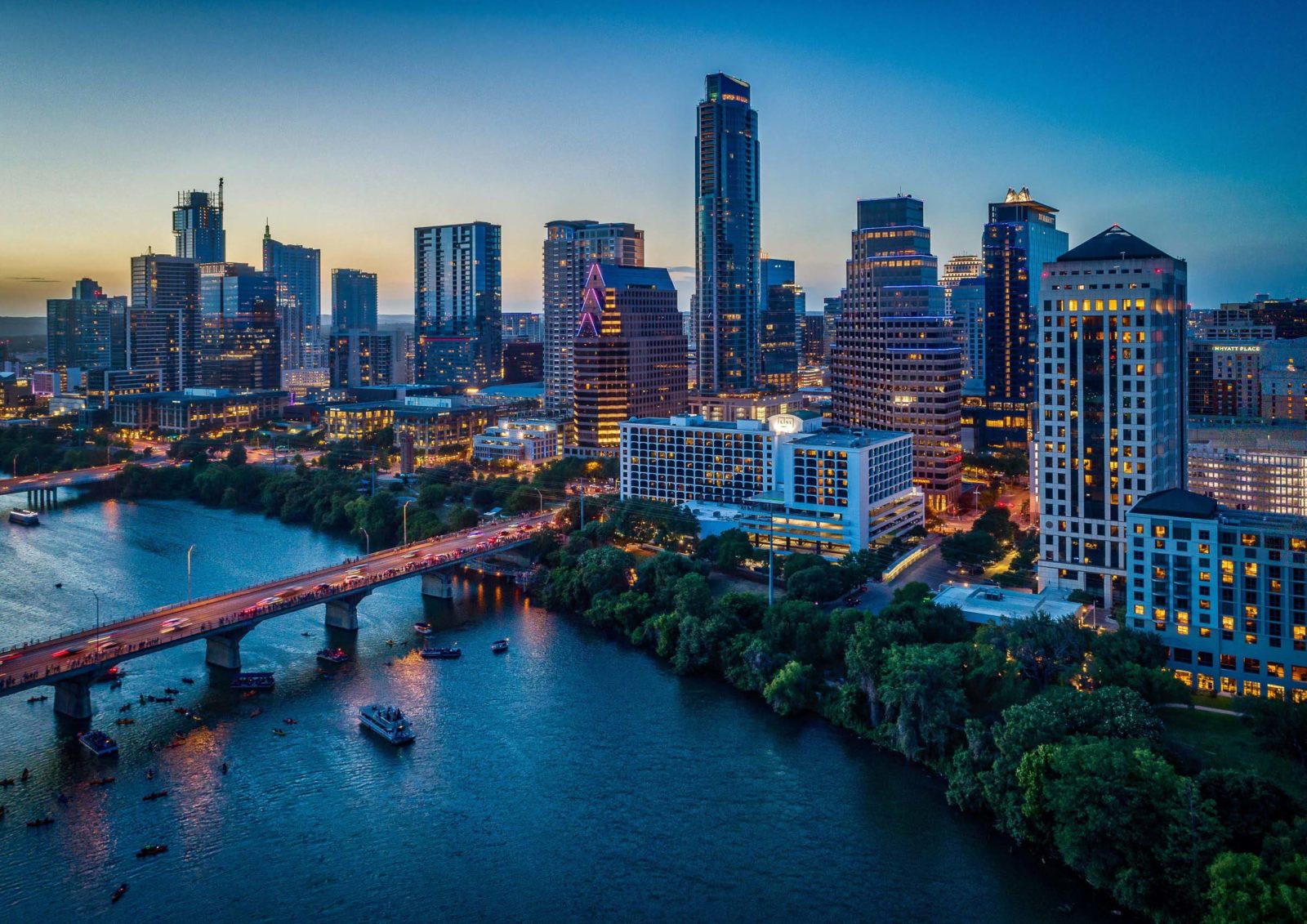
Austin, the vibrant capital of Texas, is renowned for its eclectic music scene, burgeoning tech industry, and a unique culture encapsulated by the slogan “Keep Austin Weird.” But beyond the live music venues and bustling tech campuses, one of the most significant aspects defining Austin’s dynamic character is its population. The city has consistently ranked among the fastest-growing major metropolitan areas in the United States for decades, a trend that profoundly impacts everything from its urban landscape and infrastructure to its tourism appeal and local lifestyle.
Understanding “how many people live in Austin” isn’t just about a static number; it’s about grasping the ongoing transformation of a city experiencing remarkable demographic shifts. These shifts directly influence the travel experience, the availability and types of accommodation, the evolution of its culinary scene, and the preservation of its iconic landmarks. For visitors and potential residents alike, comprehending Austin’s population dynamics provides crucial insight into what makes this Texas gem tick, and what to expect when exploring its diverse offerings.
Austin’s Rapid Population Growth: A Demographic Snapshot
Austin’s story is largely one of exponential growth. From a relatively modest state capital, it has exploded into a sprawling metropolis, drawing in new residents from across the nation and the globe. This demographic surge is a central theme in its recent history and continues to shape its present and future.
Understanding the Latest Figures
As of recent estimates (typically derived from the U.S. Census Bureau and ongoing population surveys), the population within Austin’s city limits has now surpassed 970,000 residents, pushing it ever closer to the coveted one-million mark. However, to truly understand the scope of its population, one must look at the larger metropolitan statistical area (MSA), which includes surrounding communities like Round Rock, Cedar Park, and San Marcos. The Austin-Round Rock-Georgetown MSA is home to well over 2.3 million people, making it the fourth-largest metropolitan area in Texas, after Dallas, Houston, and San Antonio.
This distinction between the city proper and the broader metropolitan area is vital for travelers and those considering relocation. While the city core maintains a distinct character, the economic and cultural influence extends far beyond its municipal boundaries, creating a larger, interconnected urban fabric that supports a vast network of services, attractions, and diverse communities. The continued influx of new residents underscores a vibrant, ever-evolving economic landscape and a competitive yet rewarding job market.
Historical Trajectory and Contributing Factors
Austin’s significant growth is not a new phenomenon, but rather the acceleration of a trend that began in earnest in the latter half of the 20th century. In 1950, the city proper had just over 132,000 residents. By 1980, it had nearly tripled to over 345,000, and by 2000, it crossed the 650,000 mark. The 21st century has seen this expansion continue at a breakneck pace, consistently adding tens of thousands of new residents annually.
Several key factors contribute to this sustained growth:
- Economic Opportunity: Austin’s transformation into a major technology hub, often dubbed “Silicon Hills,” has been a primary magnet. Companies like Dell Technologies, Apple Inc., Google Austin, Meta Platforms, and most notably, Tesla Giga Texas, have established significant presences, creating high-paying jobs and attracting a skilled workforce from places like California’s Silicon Valley.
- Quality of Life: Beyond jobs, Austin offers an appealing lifestyle. Its mild winters, abundant outdoor activities, lively cultural scene, and renowned food landscape are powerful draws for individuals and families seeking a balance of urban amenities and natural beauty.
- Educational Hub: The presence of the prestigious University of Texas at Austin not only provides a steady stream of graduates but also contributes to the city’s intellectual vitality and innovative spirit, fostering a culture of creativity and entrepreneurship.
- Affordability (Historically): While housing costs have risen dramatically, Austin was historically more affordable than coastal tech hubs, offering a compelling value proposition that enticed many to make the move.
This continuous influx of people has made Austin a melting pot of cultures, ideas, and ambitions, further fueling its dynamic evolution.
The Allure of Austin: Why So Many Are Moving Here
The sheer volume of people flocking to Austin speaks volumes about its appeal. It’s a city that promises a unique blend of opportunities and experiences, distinguishing itself from other major urban centers.
Economic Boom and Innovation Hub
Austin’s economic narrative is largely dominated by its tech sector. It’s not just about the big names; a thriving ecosystem of startups, venture capital firms, and co-working spaces has cemented its reputation as an innovation hub. This has diversified its economy beyond its historical reliance on government and education, creating a resilient job market that continues to attract talent. The city’s commitment to fostering technological advancement and entrepreneurial spirit ensures a steady flow of high-skilled professionals and a constantly evolving business landscape. This economic vigor naturally translates into increased travel for business, conferences, and corporate events, boosting demand for high-quality hotels and specialized accommodations.
Vibrant Culture and Lifestyle
The “Keep Austin Weird” ethos is more than just a slogan; it’s a reflection of the city’s commitment to individuality, creativity, and a laid-back yet vibrant lifestyle. Austin is globally recognized as the “Live Music Capital of the World,” with venues ranging from intimate dive bars on Sixth Street Historic District to grand stages like the Moody Center and ACL Live at the Moody Theater. Annual events like South by Southwest (SXSW) and the Austin City Limits Music Festival draw hundreds of thousands, showcasing the city’s cultural richness.
Beyond music, Austin’s culinary scene is a destination in itself, famed for its barbecue, Tex-Mex, and an ever-expanding array of innovative restaurants and food trucks. The city embraces outdoor living, with numerous parks, trails, and access to natural beauty, making it ideal for those seeking an active lifestyle. This unique blend of arts, food, and recreation creates an irresistible draw for those looking for more than just a place to work.

Natural Beauty and Outdoor Escapes
Despite its urban development, Austin remains deeply connected to its natural environment. The city is nestled in the scenic Hill Country of Central Texas, offering rolling hills, sparkling waterways, and lush green spaces. Lady Bird Lake, a dammed section of the Colorado River, runs right through the heart of downtown, providing opportunities for kayaking, paddleboarding, and scenic walks along its extensive trail system.
Zilker Metropolitan Park, a sprawling urban oasis, is home to iconic attractions like Barton Springs Pool, a natural spring-fed swimming pool that maintains a refreshing 68-degree Fahrenheit temperature year-round. Further afield, Lake Travis offers boating, fishing, and lakeside relaxation. These natural assets are a significant draw for both residents and tourists, reinforcing Austin’s appeal as a city where outdoor adventure is always within reach.
Population Growth and Its Impact on Austin’s Travel and Tourism Landscape
The dramatic increase in Austin’s population has undeniably reshaped its tourism and travel industry. While bringing challenges, it has also spurred significant development and diversified offerings, catering to a wider range of visitors.
Evolving Accommodation Options
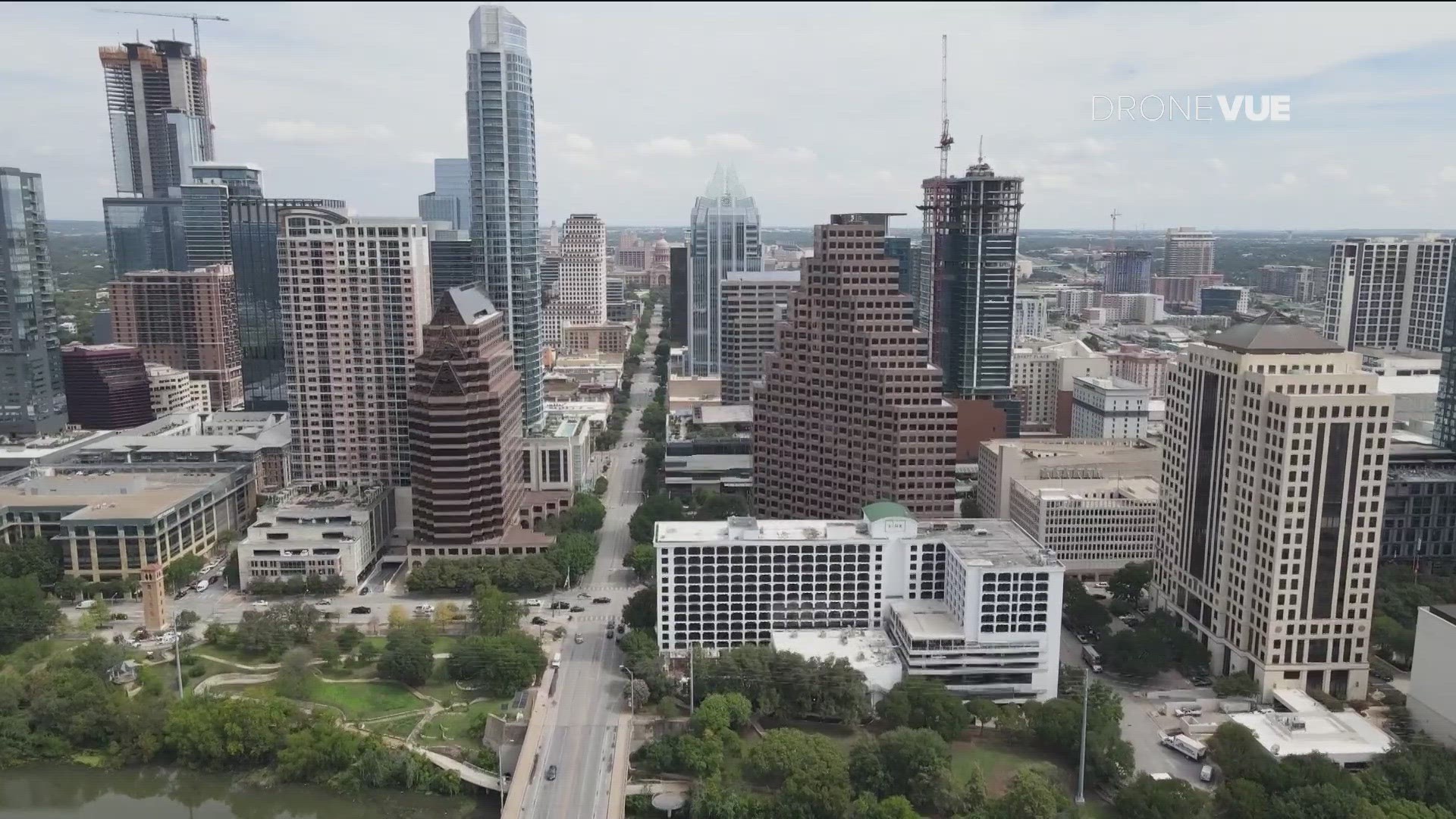
With more residents and a booming tourism sector, the demand for accommodation in Austin has surged. This has led to a construction boom, transforming the cityscape with new hotels, luxury resorts, and a growing number of short-term rental properties.
- Hotels and Resorts: Downtown Austin and surrounding areas have seen an explosion of hotel development, from boutique establishments catering to discerning travelers to large convention hotels like the JW Marriott Austin and the W Austin. Historic gems like The Driskill Hotel continue to thrive alongside these newer additions, offering a range of choices for every budget and preference.
- Apartments and Villas: The rise of platforms like Airbnb and VRBO has made short-term rentals a popular option, especially for groups or those seeking a more local experience. Beyond tourism, the increased population has also driven demand for long-term stay apartments and corporate housing, supporting a transient workforce and new residents.
- Amenities and Services: Competition among accommodations has led to enhanced amenities, from rooftop pools and world-class spas to innovative dining experiences within hotel premises, all designed to attract and retain guests in a crowded market.
The Transformation of Local Attractions and Landmarks
Increased population means more foot traffic at Austin’s beloved landmarks and attractions. While some might lament larger crowds, this growth has also brought about investment in infrastructure, preservation efforts, and the development of new points of interest.
- Iconic Sites: Places like the Texas State Capitol, Barton Springs Pool, and Zilker Metropolitan Park see millions of visitors annually. The city has invested in maintaining these sites, ensuring their accessibility and beauty despite increased usage.
- Cultural Districts: Areas like South Congress Avenue (“SoCo”) have evolved from quirky, local haunts into internationally recognized cultural and shopping districts, attracting both residents and tourists with their unique boutiques, vibrant street art, and diverse eateries.
- New Developments: The population boom has also fueled the creation of new attractions and entertainment venues, ensuring that Austin remains a fresh and exciting destination for repeat visitors. This includes new museums, art installations, and expanded public spaces that reflect the city’s modern identity.
Culinary Scene and Lifestyle Changes
Austin’s culinary landscape has exploded in diversity and sophistication, directly reflecting its demographic expansion. The influx of people from various backgrounds has introduced new flavors and dining concepts, transforming the city into a foodie paradise. From upscale farm-to-table restaurants to authentic international cuisines and an unmatched food truck scene, the options are limitless. This growth also extends to its nightlife, craft breweries, and coffee culture, all contributing to a dynamic social scene that caters to a wide array of preferences and lifestyles.
The city’s lifestyle has also become more cosmopolitan, blending its laid-back, “weird” charm with the energy and pace of a major global city. This fusion appeals to a broad demographic, from young professionals and families to retirees, creating a rich tapestry of experiences and opportunities for both residents and visitors.
Navigating Austin’s Future: Challenges and Opportunities
While population growth is largely a sign of a thriving city, it also brings a unique set of challenges and opportunities for Austin’s future.
Infrastructure and Urban Development
The rapid influx of people has placed significant strain on Austin’s infrastructure. Traffic congestion is a perennial concern, leading to major investments in public transportation and road improvements. The demand for housing has also outpaced supply, resulting in escalating housing costs and discussions around urban planning, zoning, and sustainable development. Addressing these issues requires thoughtful city planning and investment to ensure that Austin can sustainably accommodate its growing population without sacrificing its quality of life. For travelers, this means navigating a city undergoing constant development, with new areas emerging and transportation options continually evolving.
Preserving Austin’s Unique Character
Perhaps the most significant challenge for Austin is preserving its unique identity amidst rapid urbanization. The “Keep Austin Weird” mantra is a rallying cry against homogenization. Efforts are underway to support local businesses, protect historic neighborhoods, and foster the arts and music scenes that define the city’s soul. This includes encouraging local tourism, supporting independent artists, and maintaining the green spaces and outdoor recreation areas that are so integral to the Austin lifestyle. The balance between welcoming new growth and safeguarding its beloved culture is a continuous process, essential for ensuring Austin remains a desirable place to live and visit for generations to come.
In conclusion, the question “How Many People Live In Austin, Texas?” reveals much more than a simple demographic statistic. It tells the story of a city in dynamic transformation, driven by economic prosperity, cultural vibrancy, and natural beauty. This growth has profoundly impacted its travel and tourism industry, leading to expanded accommodation options, diverse culinary experiences, and an ever-evolving landscape of attractions. While presenting challenges in terms of infrastructure and preserving its unique charm, Austin’s journey of growth is a testament to its enduring appeal, making it a continuously fascinating destination for anyone seeking to experience the heart of Texas.