
Boston, Massachusetts, is a city steeped in history, a vibrant hub of innovation, and a captivating destination for travelers worldwide. When planning a visit or considering a move to this iconic New England metropolis, one of the fundamental questions that often arises is: “How many people live in Boston?” The answer is more complex than a simple number, as Boston’s population ebbs and flows, reflecting its dynamic economy, world-class educational institutions, and enduring appeal. Understanding its demographic landscape is key to appreciating the city’s unique charm, its bustling atmosphere, and the myriad of experiences it offers, from diverse culinary delights to enriching cultural activities and an array of accommodation options.
This article delves into the latest population figures for Boston and its broader metropolitan area, exploring the trends, diversity, and impact of its residents on the city’s tourism and lifestyle. We’ll also examine how the population influences everything from hotel availability and dining scenes to the general ambiance you’ll encounter as you explore its historic streets and modern districts. Whether you’re considering a short family trip, a business stay, or a long-term relocation, knowing the pulse of Boston’s population provides invaluable insight into what makes this city tick.
Boston’s Population Snapshot: A Dynamic Urban Core
At its heart, Boston is a vibrant urban center, constantly evolving. The population figures provide a tangible measure of its growth and vitality, reflecting its status as a major economic and cultural engine in the Northeastern United States.
Current Demographics and Growth Trends
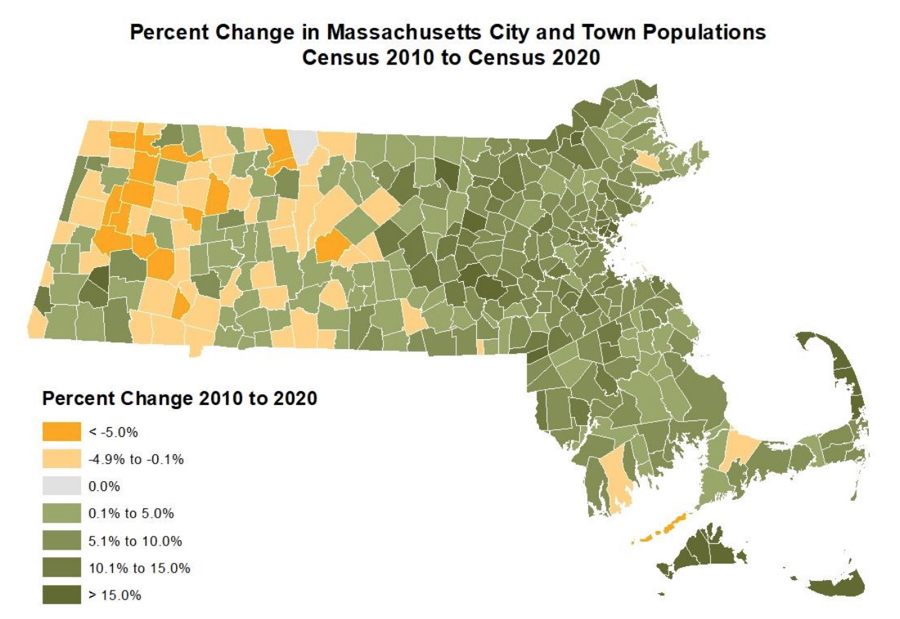
As of recent estimates (e.g., the U.S. Census Bureau’s 2023 data), the population of Boston city proper hovers around 670,000 residents. This number represents a significant increase over the past few decades, indicative of a continuous urban revival seen in many major American cities. The city experienced a period of decline in the mid-20th century but has since rebounded remarkably, attracting new residents with its robust job market, particularly in sectors like biotech, finance, and technology, as well as its renowned educational institutions.
The demographic makeup of Boston is incredibly diverse. It’s a melting pot of cultures, attracting people from all corners of the globe. You’ll find a significant student population, drawn to prestigious universities such as Harvard University and the Massachusetts Institute of Technology (MIT) in nearby Cambridge, which contribute to a youthful and energetic vibe. Beyond students, the city boasts a vibrant mix of young professionals, established families, and a growing number of retirees who appreciate Boston’s walkability and cultural amenities. This diversity enriches the city’s local culture, food scene, and overall atmosphere, making it a fascinating place to visit and explore. The median age is relatively young, a testament to the influx of students and young professionals seeking opportunities and a high quality of urban life.
The Metropolitan Influence: Greater Boston
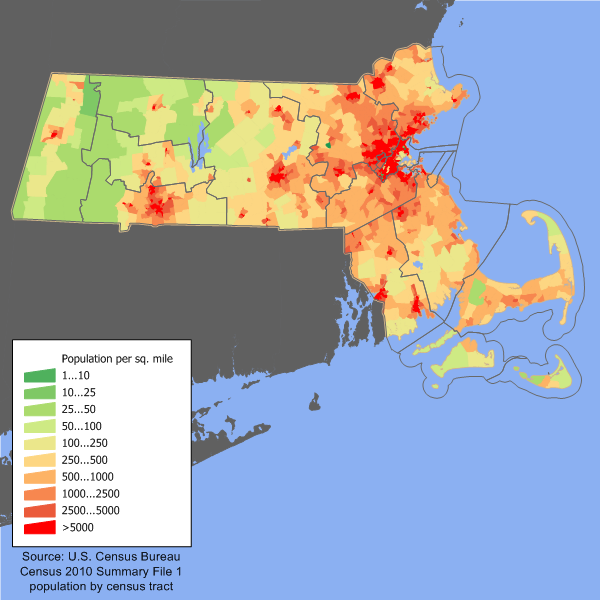
While the city proper has a substantial population, the true scale of Boston’s influence extends far beyond its municipal borders. The Greater Boston metropolitan area is home to approximately 4.9 million people, making it one of the largest metropolitan statistical areas in the United States. This expansive region includes numerous surrounding cities and towns, such as Cambridge, Quincy, Somerville, and Newton, all of which are economically, socially, and culturally intertwined with Boston.
The metropolitan population is crucial for understanding the city’s economic power, its extensive transportation networks, and the sheer volume of people who commute into the city daily for work, education, or leisure activities. For travelers, this means that while the core tourist areas can feel busy, the city is well-equipped to handle large numbers of people, with a robust infrastructure of public transit, diverse dining options, and a wide range of attractions spread across the region. The sheer density of people in the Greater Boston area fuels a vibrant consumer market, supporting everything from high-end boutiques to local craft breweries.
The Population’s Impact on Travel and Tourism in Boston
The significant and diverse population of Boston and its surrounding metropolitan area is a fundamental driver of its appeal as a premier travel destination. It shapes the city’s energy, its cultural offerings, and the very fabric of the visitor experience.
A Bustling Hub of Activity
With nearly 700,000 residents in the city proper and millions more in the immediate vicinity, Boston naturally pulses with a lively energy. This robust population base supports an incredible array of attractions, events, and services that cater to both locals and visitors. From the historic Freedom Trail, which winds past significant landmarks like Faneuil Hall Marketplace, the Paul Revere House, and the Old North Church, to world-class cultural institutions such as the Museum of Fine Arts and the Isabella Stewart Gardner Museum, there’s always something to see and do.
The concentrated population ensures a thriving food scene, ranging from traditional New England seafood shacks to Michelin-starred restaurants offering global cuisine. The North End, for instance, is a testament to the city’s immigrant history and density, offering an unparalleled concentration of Italian bakeries, cafes, and trattorias. Likewise, the city’s robust population supports a dynamic performing arts scene, lively nightlife, and a full calendar of festivals and sporting events, highlighted by the passionate fans of teams like the Boston Red Sox at Fenway Park. This constant churn of activities and events makes Boston an exciting place to explore, no matter your interests.
Navigating Boston’s Lifestyle: From Budget to Luxury
The diverse socioeconomic landscape of Boston’s population directly influences the range of lifestyle and travel experiences available. Whether you’re seeking luxury travel or navigating on a budget, Boston offers options tailored to every preference.
For those inclined towards luxury, neighborhoods like Back Bay and the Seaport District boast upscale boutiques, fine dining establishments, and some of the city’s most opulent hotels, offering lavish suites and premium amenities. Here, you can experience a sophisticated side of Boston, enjoying world-class service and exclusive experiences.
Conversely, Boston’s large student population and young professional demographic contribute to a vibrant scene of budget-friendly accommodations, casual eateries, and free attractions. Exploring the Boston Common and Public Garden, walking the Freedom Trail, or browsing local markets are excellent ways to enjoy the city without breaking the bank. Hostels, guesthouses, and smaller boutique hotels in neighborhoods like the Theater District or parts of Cambridge cater to those seeking value without compromising on location or comfort. This spectrum ensures that Boston is accessible to a wide range of travelers, each finding their niche within its bustling urban landscape.
Accommodation and Planning Your Boston Stay
Given its large resident population and status as a major tourist destination, Boston offers a comprehensive range of accommodation options to suit every preference and budget. However, its popularity also means that careful planning, especially regarding booking and timing, is essential.
Finding Your Perfect Stay: Hotels, Suites, and Beyond
The sheer number of people living in and visiting Boston has fostered a highly competitive and diverse accommodation market. You’ll find everything from grand, historic hotels that have welcomed guests for centuries to sleek, modern boutique properties and convenient serviced apartments.
Luxury Options: For those seeking an indulgent experience, Boston offers iconic establishments like the Omni Parker House, famous for its Boston Cream Pie and historic charm, or the Ritz-Carlton, Boston and Mandarin Oriental, Boston in Back Bay, known for their impeccable service and luxurious suites. The rapidly developing Seaport District is home to several contemporary luxury hotels with stunning waterfront views, perfect for business stays or a chic urban escape.
Mid-Range and Boutique Hotels: Travelers looking for comfort and character will find numerous options such as The Godfrey Hotel Boston or the Revere Hotel Boston Common, offering stylish design and excellent locations close to major attractions. Across the Charles River in Cambridge, the Kimpton Marlowe Hotel provides a sophisticated yet approachable atmosphere.

Budget-Friendly and Alternative Stays: The presence of a large student and academic community also means there are more affordable options, including hostels and guesthouses, particularly in areas accessible by public transport. For longer visits or family trips, apartments and vacation rentals offer flexibility and a more localized experience. Using online platforms for booking and comparison can help secure the best deals.
Best Times to Visit and Managing Crowds
Boston’s population, combined with its popularity as a travel destination, means that certain times of the year can be exceptionally busy. Understanding these patterns is key to a smooth and enjoyable visit.
- Peak Season (Summer & Fall): Summer (June to August) brings pleasant weather and a surge of tourism to Boston, with popular spots like the New England Aquarium, Boston Common, and Faneuil Hall often crowded. Fall (September to October) is also incredibly popular, particularly for its stunning foliage, the start of the academic year, and major sporting events. During these times, it’s highly advisable to make hotel bookings, restaurant reservations, and attraction tickets well in advance. Prices for accommodation and flights into Logan International Airport will also be at their highest.
- Shoulder Seasons (Spring): Spring (April to May) offers a beautiful balance, with blossoming greenery, fewer crowds than summer, and generally milder temperatures. It’s an excellent time for walking tours and enjoying outdoor activities.
- Off-Peak Season (Winter): Winter (November to March) sees the fewest tourists, making it an ideal time for budget travel and experiencing a cozier, local side of Boston. While the weather can be cold and snowy, many indoor attractions remain open, and the city takes on a charming, festive atmosphere during the holidays. Flexibility with travel dates can yield significant savings and a more relaxed pace.
Regardless of when you visit, leveraging public transportation (the “T”) is an efficient way to navigate the city, especially in high-traffic areas, reducing the impact of dense urban populations on your personal travel experience.
Boston’s Enduring Appeal: A City Shaped by Its People
The narrative of Boston’s population is one of resilience, growth, and vibrant cultural exchange. This dynamic demographic has been, and continues to be, the bedrock of its enduring appeal as a travel destination, a center for innovation, and a beloved home.
Cultural Richness and Community Spirit
Boston’s rich history, from its pivotal role in the American Revolution to its status as a hub of abolitionism and intellectual thought, has been continuously shaped by its diverse inhabitants. Each wave of immigrants and new residents has contributed to a layered local culture, evident in its distinct neighborhoods. Beacon Hill exudes old-world charm with its cobblestone streets and Federal-style architecture, while the North End remains a bastion of Italian-American heritage. The academic prowess concentrated in the Greater Boston area, with institutions like Harvard and MIT, draws a global intelligentsia, further enriching the city’s intellectual and creative capital.
This concentrated population also fosters a strong sense of community and civic pride, particularly visible in its fervent support for local sports teams. Whether it’s the roar of the crowd at Fenway Park or the excitement surrounding the Boston Marathon, the city’s residents actively participate in and celebrate Boston’s unique identity. This communal spirit makes the city feel welcoming and vibrant, offering travelers a chance to not just observe but also immerse themselves in the authentic Bostonian experience.
Future Outlook: Growth and Sustainability
Boston’s population is projected to continue its steady growth, albeit with challenges related to affordability and urban planning. The city is actively engaged in initiatives to manage this growth sustainably, focusing on expanding public transportation, developing more housing, and enhancing green spaces. This forward-thinking approach aims to preserve Boston’s unique character while accommodating its increasing population and maintaining its high quality of life.
For future travelers and residents, this means Boston will likely remain a dynamic and appealing city, continually evolving while respecting its deep roots. The ongoing development, particularly in areas like the Seaport District, ensures new attractions, dining experiences, and accommodation options will emerge, keeping the city fresh and exciting for repeat visits.
In conclusion, while the precise number of people living in Boston, Massachusetts, hovers around 670,000 within its city limits, it is the much larger Greater Boston metropolitan area, with nearly 5 million residents, that truly defines its scale and influence. This significant population base is not just a statistic; it’s the lifeblood of Boston, shaping its vibrant culture, diverse economy, and rich tapestry of travel experiences. For anyone planning a trip, understanding the density and diversity of Boston’s population offers valuable tips for navigating the city, choosing the right accommodation, and fully immersing oneself in all that this historic yet thoroughly modern destination has to offer. Boston truly is a city defined by its people – a bustling, welcoming, and endlessly fascinating place to explore.
LifeOutOfTheBox is a participant in the Amazon Services LLC Associates Program, an affiliate advertising program designed to provide a means for sites to earn advertising fees by advertising and linking to Amazon.com. Amazon, the Amazon logo, AmazonSupply, and the AmazonSupply logo are trademarks of Amazon.com, Inc. or its affiliates. As an Amazon Associate we earn affiliate commissions from qualifying purchases.