
Chicago, the vibrant heart of the American Midwest, is a city that consistently captivates with its stunning skyline, rich history, and dynamic cultural scene. When considering a visit or even contemplating a move to this magnificent metropolis, a fundamental question often arises: “How many people live in Chicago?” While the precise number fluctuates daily due to births, deaths, and migration, understanding the city’s population figures provides invaluable insight into its character, its capacity for tourism, and the diverse lifestyle it offers.
More than just a statistic, the number of people calling Chicago home is a testament to its enduring appeal as a destination for both residents and travelers. This robust population underpins the city’s extensive array of attractions, its world-class culinary landscape, and the vast selection of accommodations available, from luxurious hotels and expansive resorts to cozy apartments and convenient long-term stays. It shapes the rhythm of daily life, influences the local culture, and contributes to the city’s reputation as a global hub. By delving into Chicago’s demographics, we uncover the intricate layers that make it such a compelling place to explore and experience.
The Current Pulse of the City: Understanding Chicago’s Population
To truly grasp the essence of Chicago, one must first understand the sheer scale of its human element. The population figures are not merely data points; they represent the collective energy, diversity, and aspirations that fuel the city’s constant evolution.
A Snapshot of the Numbers
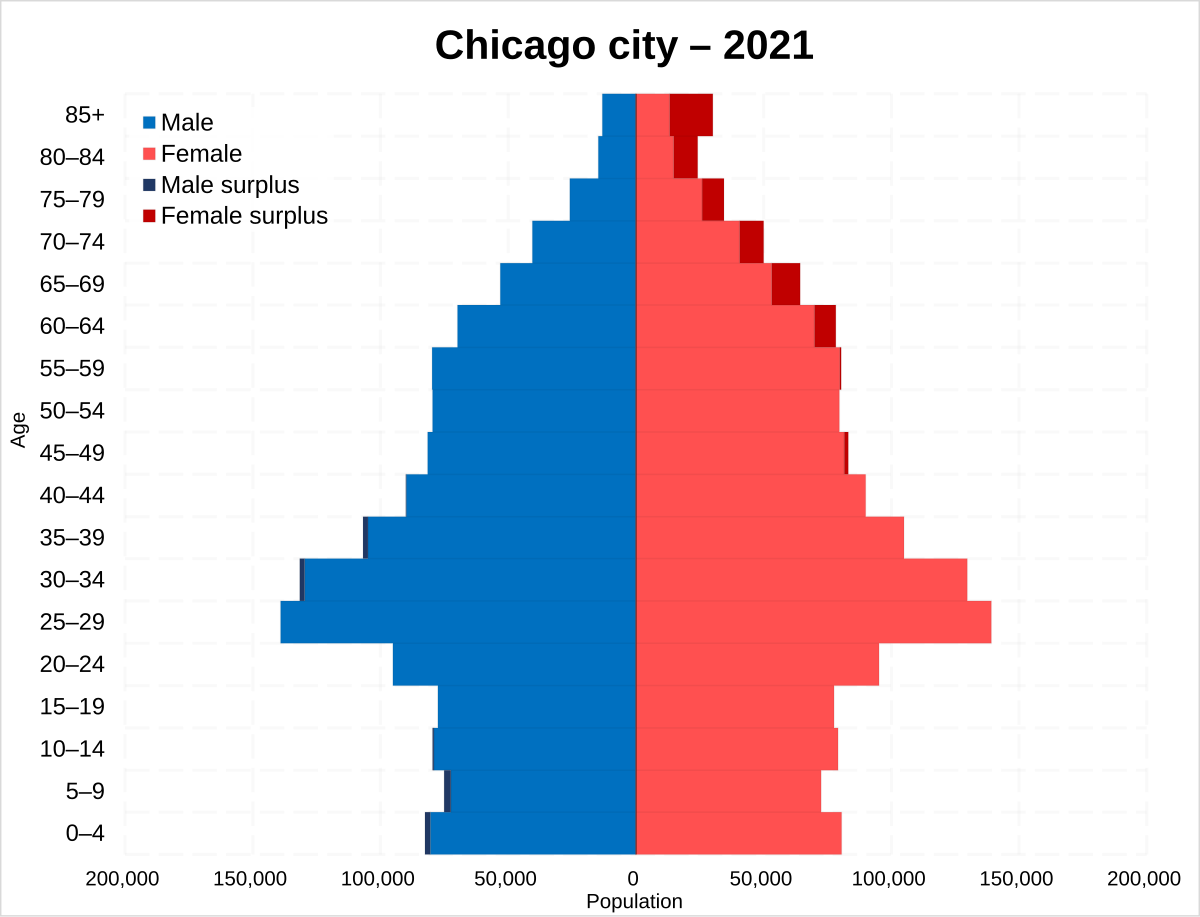
As of recent estimates, the city of Chicago proper is home to approximately 2.7 to 2.8 million people. This makes it the third-most populous city in the United States, a significant urban center that stands shoulder-to-shoulder with coastal giants. However, this figure only tells part of the story. The broader Chicago metropolitan area, often referred to as Chicagoland, encompasses numerous suburbs and extends across parts of Illinois, Indiana, and Wisconsin, boasting a population upwards of 9.5 million. This expansive regional presence highlights Chicago’s crucial role as an economic, cultural, and transportation hub for the entire Midwest.
The urban density of Chicago is a defining characteristic, packing a vibrant, multicultural population into a relatively compact area compared to other major cities. This density fosters a lively street scene, promotes efficient public transportation, and concentrates an incredible array of amenities and services within easy reach. For visitors, it means that many of the city’s top attractions, from world-renowned museums to iconic landmarks, are often just a short walk or quick CTA ‘L’ train ride away.
Beyond the Statistics: What the Population Means for Visitors
The sheer number of people living in Chicago translates directly into a city that is always alive with activity, offering an unparalleled experience for travelers. A large resident base supports a thriving economy, which in turn fuels a diverse tourism sector. This means more restaurants, more entertainment venues, more shops, and more choices for every type of traveler.
For those planning a trip, the population density ensures that there’s always something happening. Whether you’re seeking bustling nightlife, serene park experiences, or immersive cultural events, the city’s vibrant populace guarantees a wide range of options. The extensive network of local businesses, from independent boutiques to major department stores along the Magnificent Mile, caters to the diverse tastes of millions, providing visitors with an authentic glimpse into Chicagoan life. Moreover, a robust local population means that the city’s infrastructure for tourism – from guides and experiences to transport networks and specialized tours – is highly developed and efficient, ensuring a smooth and enjoyable travel experience.
A Tapestry of Cultures: Demographics and Diversity in Chicago
Chicago’s population is not monolithic; it is a rich mosaic of cultures, ethnicities, and backgrounds that have converged over centuries, each leaving an indelible mark on the city’s identity. This demographic diversity is arguably one of Chicago’s’s greatest strengths, enriching its local culture, culinary scene, and overall vibrancy.
A Melting Pot of Neighborhoods
The city’s diverse population is beautifully reflected in its distinct neighborhoods, each with its own unique character and heritage. From the historic Polish enclaves to vibrant Chinatown, the Mexican-American heart of Pilsen, the once Swedish but now proudly LGBTQ+-friendly streets of Andersonville, and the Italian heritage found in Little Italy and Bridgeport, Chicago truly lives up to its “city of neighborhoods” moniker.
Exploring these areas offers travelers an authentic and immersive experience, far beyond typical tourist attractions. Each neighborhood provides a window into a different cultural narrative, offering unique local businesses, architectural styles, and community events. For instance, a stroll through Chinatown might involve sampling traditional dim sum and exploring intricate temples, while an evening in Pilsen could mean admiring vibrant murals and enjoying authentic Mexican cuisine. This decentralized richness ensures that every visit to Chicago can be a new adventure, a deep dive into different aspects of global culture right within one city.
Culinary Delights and Cultural Contributions
The diverse demographic makeup of Chicago has profoundly shaped its culinary landscape, transforming it into a world-renowned food destination. While famous for its deep-dish pizza and Chicago-style hot dogs, the city’s gastronomic offerings extend far beyond these iconic staples. Every ethnic group that has settled in Chicago has contributed to its culinary tapestry, resulting in an incredible array of restaurants, markets, and food festivals.

Travelers can embark on a global culinary journey without ever leaving the city limits, savoring everything from authentic Ethiopian stews and Vietnamese pho to upscale French cuisine and innovative American fare crafted by Michelin-starred chefs. The sheer variety ensures that there are dining options for every palate and budget, from luxury dining experiences to budget-friendly, hole-in-the-wall gems. Beyond food, this cultural melting pot has enriched Chicago’s arts scene, fostering diverse music genres like jazz and blues, world-class theater, and an extensive calendar of festivals celebrating everything from St. Patrick’s Day to Lollapalooza. These vibrant activities and local culture make Chicago an exceptionally engaging travel experience, fulfilling every aspect of a destination explorer’s dream.
The Urban Landscape: Living and Thriving in a Metropolis
Managing a population of nearly three million within its city limits, and over nine million in the wider metropolitan area, requires robust infrastructure and thoughtful urban planning. Chicago’s design and functionality are direct responses to the needs of its vast populace, impacting everything from housing to transportation and hospitality.
Accommodating a Metropolis: Housing and Hotels
The scale of Chicago’s population dictates a diverse and extensive accommodation market. For residents, this means a wide range of housing options, from historic brownstones in tree-lined neighborhoods to modern high-rise apartments with panoramic views of Lake Michigan and the city skyline. The dynamic real estate market reflects various lifestyles, whether one seeks family-friendly suburbs, bustling urban cores, or quiet residential pockets.
For visitors, this translates into an unparalleled choice of hotels and lodging options, catering to every preference and budget. The city boasts an impressive collection of luxury hotels like The Peninsula Chicago and Thompson Chicago, offering opulent suites, world-class amenities, and exquisite dining experiences. Beyond the five-star resorts, there’s a vast selection of boutique hotels, business-friendly establishments, and budget accommodations. For those planning longer stays, perhaps for business or extended leisure, Chicago also offers numerous serviced apartments and extended-stay properties, providing the comforts of home with hotel-like amenities. The robust competition ensures good value and quality across the board, making booking and comparison easy for travelers seeking the perfect temporary home. Whether you need a short-term villa experience or a convenient long-term stay, Chicago’s accommodation market is designed to meet the demands of millions.
Navigating the City: Transport and Infrastructure
A large population necessitates a comprehensive and efficient public transportation system, and Chicago delivers. The iconic CTA ‘L’ train system, with its elevated tracks weaving through downtown and its extensive network connecting neighborhoods, is a lifeline for millions of residents and a convenient way for tourists to navigate the city. Supplemented by a vast bus network, this integrated public transit system makes it easy to access attractions, explore diverse districts, and commute efficiently without the need for a car.
Beyond public transit, Chicago’s infrastructure includes well-maintained roadways, a comprehensive system of parks and green spaces like Lincoln Park and Grant Park, and major airports like O’Hare International Airport and Midway International Airport that serve as global gateways. This sophisticated urban planning is not just about moving people; it’s about creating a livable, breathable city that supports a high quality of life for its residents and offers seamless experiences for its millions of annual visitors. The city’s ability to manage its vast population efficiently is a key factor in its attractiveness as a travel destination and a place to live.
Chicago’s Magnetic Appeal: Why People Choose to Live and Visit Here
The enduring presence of a large and diverse population in Chicago is not accidental. It is a testament to the city’s powerful magnetic appeal, drawing individuals from all walks of life seeking opportunity, culture, and a vibrant urban experience. This appeal directly correlates with its strength as a travel destination.
Economic Opportunities and Lifestyle Choices
Chicago is a major economic engine, boasting a diversified job market across various sectors, including finance, tech, healthcare, manufacturing, and, significantly, tourism. This robust economy attracts talent and fosters a dynamic environment where individuals can build careers and achieve their professional aspirations. The promise of economic opportunity is a primary driver for many who choose to call Chicago home.
Beyond work, Chicago offers an unparalleled urban lifestyle. Its vibrant arts and culture scene, world-class dining, bustling nightlife, and extensive recreational options along the lakefront contribute to a high quality of life. Whether one prefers luxury travel experiences, budget-friendly adventures, family trips with endless activities for children, or efficient business stays, Chicago caters to every lifestyle. The city’s strong sense of community, combined with its big-city amenities, creates a unique balance that appeals to a wide demographic, encouraging both long-term residency and repeated visits from tourists.

World-Class Attractions and Experiences
The millions of people living in Chicago are both the beneficiaries and the driving force behind its incredible array of world-class attractions and landmarks. A thriving local population supports the city’s museums, theaters, and parks, ensuring they remain vibrant and accessible. Iconic destinations like Millennium Park, home to the famous Cloud Gate (affectionately known as “The Bean”), draw crowds of residents and tourists alike for relaxation, art appreciation, and events.
The Art Institute of Chicago, with its extensive collections, and Navy Pier, offering entertainment, dining, and unparalleled views of the skyline and Lake Michigan, are perennial favorites. The towering Willis Tower (formerly Sears Tower) and its exhilarating Skydeck provide breathtaking panoramic vistas that showcase the magnitude of this urban landscape. Chicago’s rich architectural history, championed by organizations like the Chicago Architecture Foundation Center, offers captivating boat tours and walking guides that delve into the city’s pioneering design and engineering feats. These famous places, steeped in history and showcasing stunning architecture, are more than just sights; they are experiences that define the city, making it a premier destination for anyone seeking memorable travel experiences and deep cultural immersion.
In conclusion, the question of “How many people live in Chicago?” opens a window into the very soul of this magnificent city. With a population of nearly three million within its boundaries and over nine million in its metropolitan area, Chicago is a powerhouse of human endeavor and cultural diversity. This vast populace isn’t just a number; it’s the engine that drives the city’s vibrant tourism sector, sustains its unparalleled array of hotels and accommodations, enriches its local culture and food scene, supports its iconic landmarks, and defines the diverse lifestyles it offers. From its bustling neighborhoods to its world-class attractions, Chicago’s identity is inextricably linked to the millions who call it home, creating an urban experience that is both profoundly local and globally appealing.
LifeOutOfTheBox is a participant in the Amazon Services LLC Associates Program, an affiliate advertising program designed to provide a means for sites to earn advertising fees by advertising and linking to Amazon.com. Amazon, the Amazon logo, AmazonSupply, and the AmazonSupply logo are trademarks of Amazon.com, Inc. or its affiliates. As an Amazon Associate we earn affiliate commissions from qualifying purchases.