
The question “How many people live in Las Vegas?” might seem straightforward, but the answer is surprisingly dynamic and multifaceted, especially for a city synonymous with continuous motion and transient populations. While there’s a definitive number of permanent residents, Las Vegas effectively hosts a vastly larger population on any given day, thanks to its status as a premier global destination for travel, tourism, and entertainment. This article delves into the resident population figures, explores the immense influx of visitors that shapes the city’s character, and examines the unique lifestyle that defines living in and experiencing this vibrant Nevada metropolis.
Understanding Las Vegas’s Population Dynamics
To accurately address the question of population, it’s essential to distinguish between the incorporated city limits and the broader metropolitan area, as well as the significant role of its temporary inhabitants.
The Resident Population: City vs. Metropolitan Area
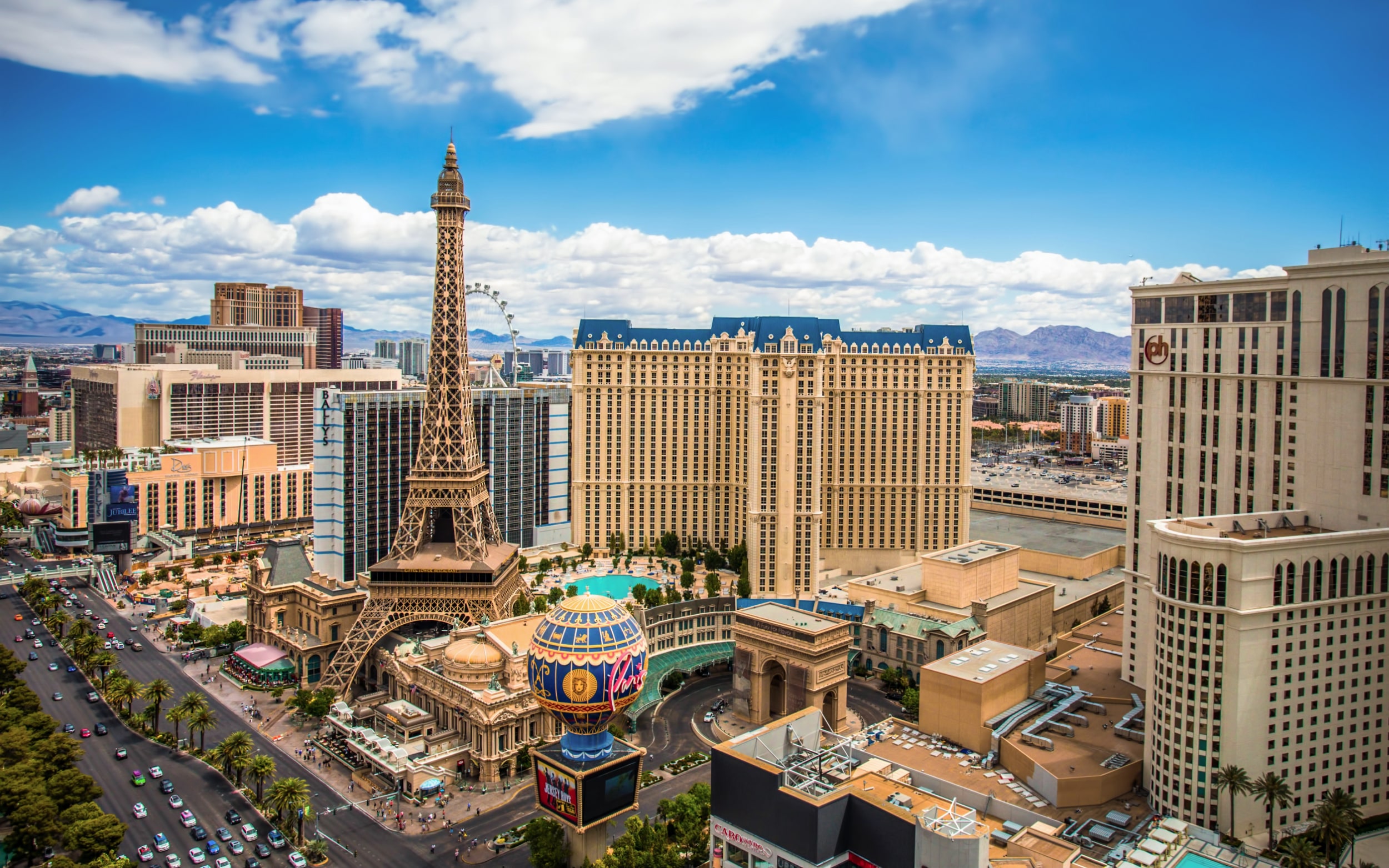
When people refer to Las Vegas, they often conjure images of The Strip – a stretch of hotels and resorts that is, perhaps surprisingly, primarily located outside the official city limits, within unincorporated Clark County. The official city of Las Vegas itself has a specific resident count, but the economic and social footprint extends much further into the surrounding Las Vegas Valley.
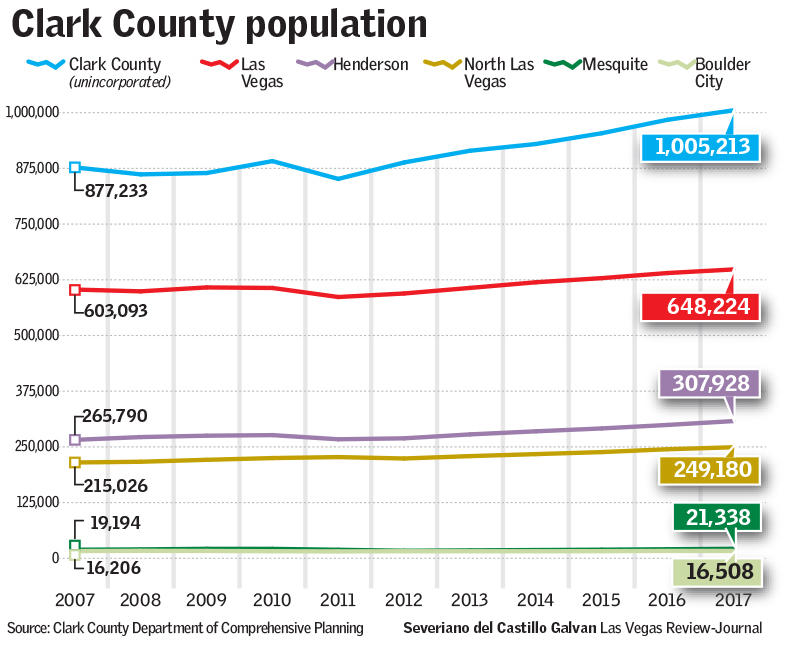
As of recent estimates (e.g., U.S. Census Bureau), the population of the City of Las Vegas typically hovers around 650,000 to 670,000 residents. This figure represents those who officially reside within the municipal boundaries, benefiting from city services and participating in local governance. These residents live in diverse neighborhoods, from historic areas to newly developed communities, and contribute to the local economy in myriad ways, not just directly in the tourism sector.
However, the more impactful figure when discussing Las Vegas’s influence and scale is that of the Las Vegas–Henderson–Paradise metropolitan statistical area (MSA), which encompasses all of Clark County. This larger metropolitan area is home to well over 2.3 million people. This broader definition includes not only the city of Las Vegas but also neighboring cities like Henderson, North Las Vegas, and the unincorporated town of Paradise (where The Strip is predominantly located, along with Harry Reid International Airport). This metropolitan population figure paints a more accurate picture of the vibrant and expansive community that calls the Las Vegas Valley home.
Growth Trends and Demographics
Las Vegas has historically been one of the fastest-growing metropolitan areas in the United States. Driven by job opportunities in the hospitality and service industries, a relatively low cost of living compared to coastal cities, and a sunny climate, the valley has seen continuous influxes of new residents for decades. While the rapid growth has stabilized somewhat, the region continues to expand, fueled by diversification efforts beyond gaming, including tech, healthcare, and logistics.
The demographic tapestry of Las Vegas is as diverse as its entertainment options. It’s a melting pot of cultures, attracting people from all corners of the United States and the world. This diversity is reflected in the city’s culinary scene, cultural festivals, and the vibrant communities found throughout the valley. Families, retirees, young professionals, and service industry workers all contribute to the unique social fabric, creating a community that, while heavily influenced by tourism, possesses a strong identity of its own.
The Transient Population: Millions of Visitors
While the resident population forms the bedrock of Las Vegas, the city’s true daily “population” swells dramatically with its millions of annual visitors. This transient population is what gives Las Vegas its unique energy, driving its economy and shaping its global reputation.
Annual Visitor Statistics and Impact
Las Vegas consistently attracts tens of millions of visitors each year. Before global events impacted travel, the city regularly welcomed over 40 million tourists annually. Even after setbacks, visitor numbers have rebounded strongly, reaffirming Las Vegas’s enduring appeal. These visitors come for a myriad of reasons: world-class entertainment, conventions and trade shows at the Las Vegas Convention Center, fine dining, shopping, sporting events at venues like Allegiant Stadium and T-Mobile Arena, and, of course, the iconic casinos and nightlife.
On any given weekend, especially during major events, the number of visitors can easily add hundreds of thousands to the valley’s effective population. This influx has a profound impact on every aspect of life in Las Vegas. It strains infrastructure, boosts demand for services, and creates a perpetual buzz of excitement. The vast majority of jobs in Las Vegas are directly or indirectly linked to the tourism and hospitality industry, from hotel staff and entertainers to transportation providers and restaurant workers.
Experiences and Attractions for Every Traveler
The appeal of Las Vegas lies in its unparalleled array of attractions and experiences. For those seeking luxury travel, opulent resorts like Wynn Las Vegas, The Cosmopolitan of Las Vegas, and Caesars Palace offer lavish suites, Michelin-starred dining, and exclusive spas. Iconic landmarks like the mesmerizing Bellagio Fountains and the replica Eiffel Tower at Paris Las Vegas are must-see sights, while the gondola rides at The Venetian Resort Las Vegas through the Grand Canal Shoppes transport visitors to another world.
Beyond The Strip, Downtown Las Vegas offers a different vibe with the Fremont Street Experience’s dazzling light shows, historic casinos, and the burgeoning Arts District with its independent galleries and boutiques. For those seeking natural beauty, Las Vegas is a gateway to stunning landscapes like Red Rock Canyon National Conservation Area, Lake Mead, Hoover Dam, and even day trips to the majestic Grand Canyon or Valley of Fire State Park. These attractions cater to a vast range of interests, from adventure seekers and nature enthusiasts to foodies and history buffs, ensuring a continuous stream of tourism.

Las Vegas Beyond The Strip: A City to Live In
While the glitz and glamour of The Strip define Las Vegas for many, a vibrant and diverse community thrives away from the resort corridors. For the city’s permanent residents, Las Vegas offers a distinct lifestyle, a sense of local culture, and a range of accommodation options.
Local Culture and Community Life
Behind the flashing lights and entertainment venues, Las Vegas is a collection of neighborhoods, each with its own character and amenities. Areas like Summerlin, Henderson, and North Las Vegas offer master-planned communities, excellent schools, parks, and family-friendly environments. Residents enjoy a plethora of local restaurants, shopping centers, community events, and outdoor activities unique to the desert landscape.
The local culture is a fascinating blend of traditional Western influence and the global sensibilities brought by residents from all over. There’s a thriving arts scene, numerous professional and collegiate sports teams (including the University of Nevada, Las Vegas (UNLV) Runnin’ Rebels), and a strong sense of community volunteerism. Many residents who work in the hospitality industry embrace a unique work-life balance, enjoying the perks of living in a destination city while also appreciating the tranquility of their suburban homes. The food scene for locals extends far beyond celebrity chef restaurants on The Strip, encompassing authentic ethnic eateries, cozy cafes, and vibrant farmers’ markets.
Accommodation and Lifestyle Choices
For those considering moving to Las Vegas, the accommodation landscape is diverse. Options range from sprawling single-family homes in suburban developments to modern apartments and condos in urban cores, including Downtown Las Vegas. The cost of living, particularly housing, has historically been more affordable than major coastal cities, though it has seen significant increases in recent years.
The lifestyle here caters to various preferences. For young professionals, the urban energy and proximity to entertainment offer an exciting environment. Families appreciate the well-regarded school districts in areas like Summerlin and Henderson, along with abundant recreational facilities. Retirees are drawn to the warm weather, active adult communities, and the endless array of leisure activities. Whether it’s luxury living in a high-rise with panoramic views or a more budget-conscious family home, Las Vegas provides choices for a wide spectrum of residents. The presence of numerous resorts also means that long-term stay options, such as serviced apartments or extended-stay hotels, are available for those transitioning or looking for temporary accommodation.
The Economic Engine: How Tourism Sustains the City
The unique blend of permanent residents and transient visitors in Las Vegas is fundamentally driven by its powerful economic engine: tourism. This industry shapes everything from urban planning to employment opportunities and public services.
Industries Beyond Gaming
While gaming put Las Vegas on the map, the city’s economy has significantly diversified. The convention and meeting industry is a massive contributor, drawing millions of business travelers annually to state-of-the-art facilities like the Las Vegas Convention Center. This segment drives demand for hotels, restaurants, and supporting services, providing a stable stream of visitors throughout the year, distinct from leisure tourists.
Furthermore, the city has strategically invested in attracting professional sports franchises, such as the NFL’s Las Vegas Raiders and the NHL’s Vegas Golden Knights. These teams not only foster local pride and community engagement but also attract out-of-town fans, filling hotels and restaurants during game weekends. The burgeoning tech sector, healthcare industry, and logistics operations also contribute to job growth and economic stability, broadening the employment base beyond traditional hospitality roles.
Planning and Infrastructure for a Dual Population
Managing a population that can fluctuate by hundreds of thousands on a daily basis requires sophisticated urban planning and robust infrastructure. Las Vegas’s transportation network, including major highways and the efficient Harry Reid International Airport, is designed to handle this massive flow. Public services, from sanitation to emergency response, are scaled to accommodate both the resident population and the continuous influx of visitors.
The city’s iconic landmarks and attractions, from the massive resorts of The Strip to the expansive convention facilities, are not just tourist draws but also major employers and critical components of the economic landscape. These structures represent significant investments in architecture and engineering, continuously evolving to meet the demands of a dynamic global audience. The continuous development of new attractions, hotels, and entertainment venues further solidifies Las Vegas’s position as a world leader in tourism and hospitality, ensuring that both its permanent and temporary populations continue to thrive.
In conclusion, “how many people live in Las Vegas?” is a question with two answers: a resident population of over 650,000 within the city limits and more than 2.3 million across the metropolitan area, alongside a daily transient population that can easily swell the city’s effective count by hundreds of thousands, sometimes even pushing it towards the three million mark. This unique demographic blend is what truly defines Las Vegas, making it a truly exceptional place to visit and to call home.
LifeOutOfTheBox is a participant in the Amazon Services LLC Associates Program, an affiliate advertising program designed to provide a means for sites to earn advertising fees by advertising and linking to Amazon.com. Amazon, the Amazon logo, AmazonSupply, and the AmazonSupply logo are trademarks of Amazon.com, Inc. or its affiliates. As an Amazon Associate we earn affiliate commissions from qualifying purchases.