
Manhattan, the quintessential urban island at the heart of New York City, is often depicted as a bustling metropolis, a concrete jungle teeming with life. From the iconic yellow cabs navigating gridlocked avenues to the throngs of pedestrians weaving through Times Square, the image of a densely populated hub is undeniable. But beyond the visual spectacle, how many people actually call this vibrant borough home? The answer is more complex than a simple number, reflecting the unique dynamics of an island that serves as a global center for finance, culture, and tourism in the United States.

Understanding Manhattan’s population involves delving into official census data, appreciating the dramatic shifts between daytime and nighttime populations, and recognizing the profound impact of its status as a premier travel destination. This article will explore these facets, painting a comprehensive picture of life on this extraordinary island, from the permanent residents who shape its character to the millions of visitors who contribute to its ceaseless energy.
Manhattan’s Dynamic Population: More Than Just Numbers
At first glance, quantifying the population of Manhattan seems straightforward. However, this is a borough where the number of individuals present can fluctuate wildly within a 24-hour cycle. Its unique role as a global business hub and tourist magnet means that its “population” isn’t just about those who reside there, but also those who commute, work, and visit.
Decoding the Census: Official Figures and Trends
According to the most recent official census data, the resident population of Manhattan (also known as New York County) hovers around 1.6 to 1.7 million people. This figure represents the individuals who officially claim Manhattan as their primary residence. While this might seem like a substantial number for an island roughly 22 square miles in size, placing it among the most densely populated areas in America, it only tells part of the story.
Historically, Manhattan’s population peaked in the 1910s and 1920s, before experiencing a decline as residents moved to other boroughs and suburban areas. However, the turn of the 21st century has seen a resurgence, with renewed interest in urban living and the borough’s economic vitality drawing new residents. This growth is fueled by a diverse demographic, encompassing young professionals, families, international residents, and retirees drawn to the unparalleled amenities and opportunities the island offers. The trends indicate a continuous, albeit sometimes slow, upward trajectory, reflecting the enduring appeal of Manhattan as a place to live, work, and thrive.
The Daytime vs. Nighttime Divide: A City That Never Sleeps (and is Always Bustling)
The true measure of Manhattan’s vibrancy becomes apparent when considering its daytime population. Every weekday morning, a massive influx of commuters, workers, and students pours into the borough from other parts of New York City, New York State, and neighboring states like New Jersey and Connecticut. This daily migration, combined with the millions of tourists exploring its sights, can swell Manhattan’s population to well over 3 or even 4 million people during business hours.
This dramatic shift creates a dynamic environment where the streets, subways, and public spaces are constantly buzzing with activity. Areas like the Financial District, Midtown, and Lower Manhattan become intensely dense, transforming the urban landscape from residential quietude to commercial fervor. By night, as commuters depart and tourists return to their hotels, the resident population reclaims its space, offering a slightly different, though still energetic, rhythm. This fascinating ebb and flow highlights Manhattan’s multifaceted identity as both a residential community and an economic powerhouse.
The Allure of Island Living: Why Manhattan Draws Millions
Manhattan’s appeal extends far beyond its sheer numbers. It’s a place that captivates imaginations worldwide, drawing people with the promise of endless opportunities, unparalleled cultural experiences, and a lifestyle that is uniquely its own. This magnetism explains not only why so many choose to live here but also why millions flock to its shores as visitors each year.
Iconic Landmarks and Cultural Hubs: Beyond Residential Life
A significant part of Manhattan’s allure lies in its dense concentration of world-famous landmarks and cultural institutions. These attractions are not just tourist drawcards; they are integral to the daily lives and identities of its residents. Imagine having Central Park as your backyard, the Metropolitan Museum of Art a short stroll away, or Broadway theaters offering a nightly spectacle.

From the towering presence of the Empire State Building and the modern marvel of the One World Observatory at the World Trade Center complex, to the vibrant chaos of Times Square and the serene beauty of the 9/11 Memorial & Museum, Manhattan is a living museum. Other iconic sites like Grand Central Terminal, Rockefeller Center, and the historic Wall Street add layers of history, commerce, and architectural grandeur. Cultural aficionados are spoilt for choice with institutions like the Museum of Modern Art, the Guggenheim Museum, the American Museum of Natural History, Carnegie Hall, and Lincoln Center. Even attractions just across the water, like the Statue of Liberty and Ellis Island, are intrinsically linked to the Manhattan experience. These landmarks are not just points on a map; they are the backdrop to millions of stories, both resident and visitor, making Manhattan an unparalleled destination for travel and tourism.
A Mosaic of Lifestyles: From Luxury to Budget Travel
Manhattan’s population is incredibly diverse, mirroring the global community it serves. This diversity is reflected in the multitude of lifestyles that coexist on the island. From the opulent penthouses on the Upper East Side and sprawling lofts in SoHo to the charming brownstones of Greenwich Village and the vibrant community spirit of Harlem, each neighborhood offers a distinct flavor and a different way of life.
The borough caters to a wide spectrum of economic realities. While it’s famously expensive, there are still options for budget-conscious individuals and families seeking to experience urban living. This includes everything from quaint studios to shared apartments, demonstrating the ingenuity required to live in such a desirable location. Similarly, for travelers, Manhattan offers an extensive range of accommodation options, from ultra-luxury hotels like The Ritz-Carlton or Four Seasons to stylish boutique hotels, reliable chain hotels like Hilton and Marriott, and even budget-friendly hostels. This accessibility ensures that, regardless of one’s means, a taste of the Manhattan lifestyle is within reach, contributing to its ever-present human flow.
Navigating the Urban Landscape: Accommodation and Infrastructure
The sheer density of Manhattan’s population, both resident and transient, necessitates an incredibly robust and intricate infrastructure. This includes not only its famous transportation network but also its unique approach to housing and the continuous challenge of accommodating millions within its finite space.
Housing Challenges and Opportunities: Finding Your Place in the City
Living in Manhattan is synonymous with high costs and fierce competition for space. The island’s limited landmass, bordered by the Hudson River to the west and the East River to the east, means that vertical living is the norm. Skyscrapers dominate the skyline, offering apartments ranging from compact studios to expansive penthouses. The average rental price can be staggering, making it one of the most expensive real estate markets in the world.
However, this challenge also fosters innovation in urban living. Developers constantly strive to create new residential units, converting commercial buildings or constructing new towers that maximize space and offer modern amenities. The diverse neighborhoods, each with its own character – from the historic charm of Greenwich Village to the trendy loft spaces of SoHo or the classic elegance of the Upper West Side – offer a spectrum of housing styles. While finding accommodation can be a daunting task, the reward is living in a vibrant, walkable city where every convenience and cultural experience is within easy reach. The high demand for housing is a clear indicator of Manhattan’s enduring desirability.
The Impact of Tourism on Manhattan’s Population Flow
Tourism is not just an industry in Manhattan; it’s an integral part of its demographic fabric. Millions of visitors descend upon the borough each year, significantly contributing to the daytime population and the overall perception of its crowded streets. These tourists require accommodation, and Manhattan delivers with an extensive selection of hotels, ranging from luxurious suites to budget-friendly apartments. Areas like Times Square, Midtown, and the Financial District are densely packed with hotel properties, catering to diverse travel styles from family trips to business stays and luxury escapes.
The presence of tourists influences everything from public transportation to dining experiences. Iconic avenues like Fifth Avenue become vibrant shopping districts, while attractions like the Statue of Liberty ferry lines are constantly busy. This transient population adds to the borough’s economic prosperity, supporting a vast array of businesses, but it also places additional strain on infrastructure and public services. Understanding the resident population alone fails to capture the full picture of the human density and dynamic flow that defines Manhattan.
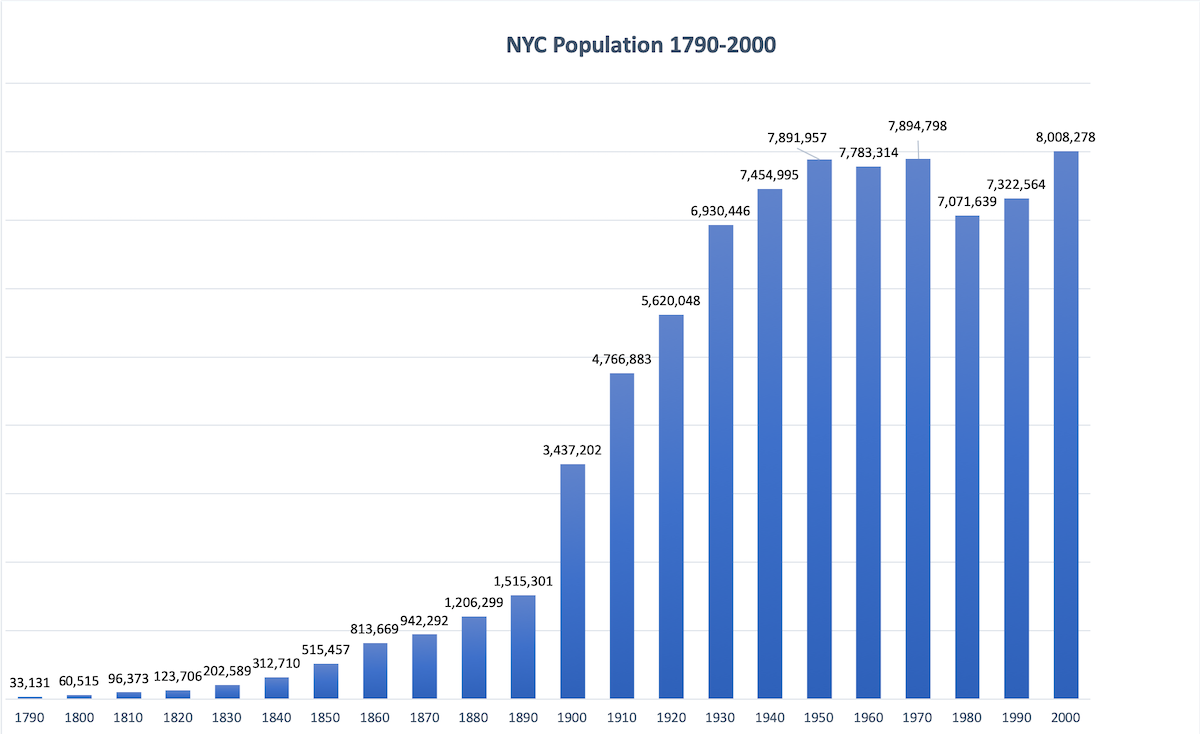
Looking Ahead: The Future of Manhattan’s Demographics
The story of Manhattan’s population is one of continuous evolution. From its early days as a trading post to its current status as a global powerhouse, the island has always attracted people seeking opportunity, excitement, and a unique urban experience. The question of “how many people live in Manhattan” is not static but rather a reflection of ongoing demographic shifts, economic forces, and societal preferences.
As Manhattan continues to adapt to new challenges and embrace innovation, its population dynamics will undoubtedly continue to evolve. Factors such as remote work trends, climate change, and evolving housing policies could all play a role in shaping future numbers. However, one constant remains: the allure of this extraordinary island endures. Its unique blend of history, culture, commerce, and unparalleled energy ensures that Manhattan will remain a magnet for millions, a testament to its enduring legacy as one of the world’s most captivating urban centers. Whether as a temporary visitor marveling at the Flatiron Building or a long-term resident enjoying a stroll on The High Line or exploring the culinary delights of Chinatown and Little Italy, contributing to its vibrant tapestry, everyone who experiences Manhattan becomes a part of its remarkable population story.
LifeOutOfTheBox is a participant in the Amazon Services LLC Associates Program, an affiliate advertising program designed to provide a means for sites to earn advertising fees by advertising and linking to Amazon.com. Amazon, the Amazon logo, AmazonSupply, and the AmazonSupply logo are trademarks of Amazon.com, Inc. or its affiliates. As an Amazon Associate we earn affiliate commissions from qualifying purchases.