
Montana, often affectionately known as the “Treasure State” or “Big Sky Country,” conjures images of vast, unspoiled wilderness, towering mountain ranges, and expansive plains. It’s a place where the horizon stretches seemingly forever, and nature reigns supreme. Given its immense geographical footprint, covering over 147,000 square miles, it’s natural to wonder: how many people call this magnificent state home? The answer reveals a fascinating paradox – despite being the fourth-largest state by land area in the United States, Montana maintains one of the lowest population densities in the nation. As of recent estimates, the population of Montana hovers just over 1.1 million people. This figure not only paints a picture of its sparse settlement but also highlights the unique lifestyle, economy, and travel experiences that define this remarkable corner of the American West.
The Big Sky Country’s Growing Population: A Demographic Snapshot
Montana’s population, while small in absolute terms compared to many states, is experiencing a significant and sustained period of growth. This demographic shift is reshaping its communities, influencing its economy, and presenting both opportunities and challenges for the future of the Big Sky Country.
Current Population Figures and Recent Trends
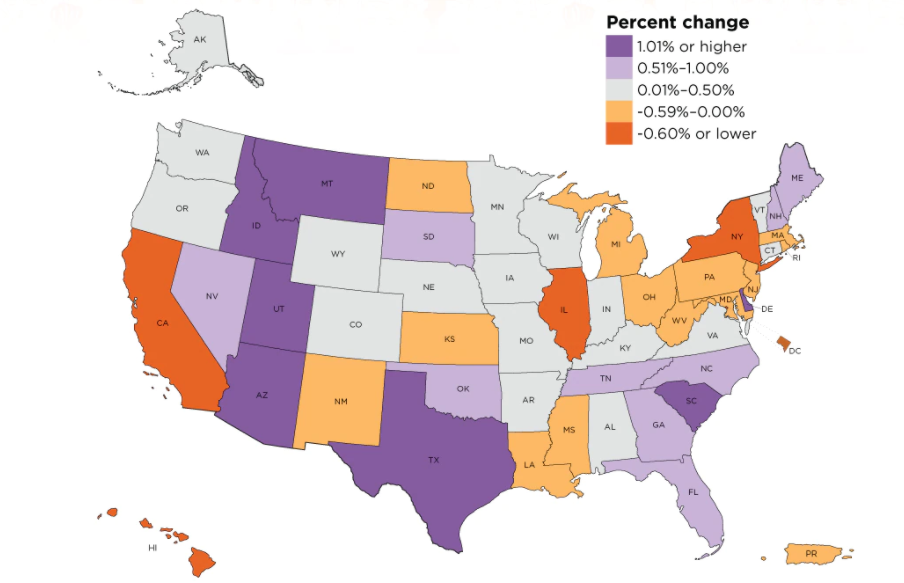
To put the 1.1 million figure into perspective, Montana’s population density is approximately 7.5 people per square mile. This stands in stark contrast to the national average of around 93 people per square mile. Much of this population is concentrated in a handful of vibrant urban centers, leaving vast swathes of the state sparsely populated, preserving its wild and rugged character. However, this demographic landscape is far from static. The last decade has seen Montana emerge as one of the fastest-growing states in the United States. From 2010 to 2020, the state’s population grew by over 9%, adding nearly 90,000 residents. This upward trend has continued, with annual growth rates often exceeding the national average. This consistent influx of new residents underscores a changing narrative for Montana, moving it beyond its traditional image as solely a rural outpost to a desirable destination for both visitors and those seeking a permanent change of scenery.

Factors Driving Population Growth
Several key factors contribute to Montana’s appeal and its accelerating population growth. One of the most significant drivers is in-migration from other states. People from more densely populated areas, particularly those in the Pacific Northwest and California, are increasingly looking to Montana for a different way of life. The rise of remote work, amplified by global events, has enabled many to pursue their careers from virtually anywhere, making Montana’s natural beauty and outdoor-centric lifestyle a powerful draw. This “Zoom Boom” has seen a noticeable increase in residents seeking better quality of life, more open space, and a slower pace.
Beyond remote work, economic opportunities in sectors like technology, healthcare, and diversified agriculture also play a role. While traditional industries remain vital, growing tech clusters, particularly in cities like Bozeman, are attracting a younger, professional demographic. Furthermore, the undeniable allure of Montana’s natural environment is a constant magnet. The promise of immediate access to hiking, fishing, skiing, hunting, and exploring iconic landscapes like the Rocky Mountains is a significant motivator for those seeking an active outdoor lifestyle. The state’s relatively lower cost of living, compared to coastal metropolitan areas (though rapidly rising in popular locales), also factors into the decision for many to relocate.
Major Urban Centers and the Montana Lifestyle
While Montana is famed for its vast open spaces, its growing population means a significant portion of its residents are concentrated in a handful of dynamic cities. These urban centers, though modest in size by national standards, serve as economic, cultural, and social hubs, each offering a distinct flavor of the Montana experience.
Cities Shaping Montana’s Identity
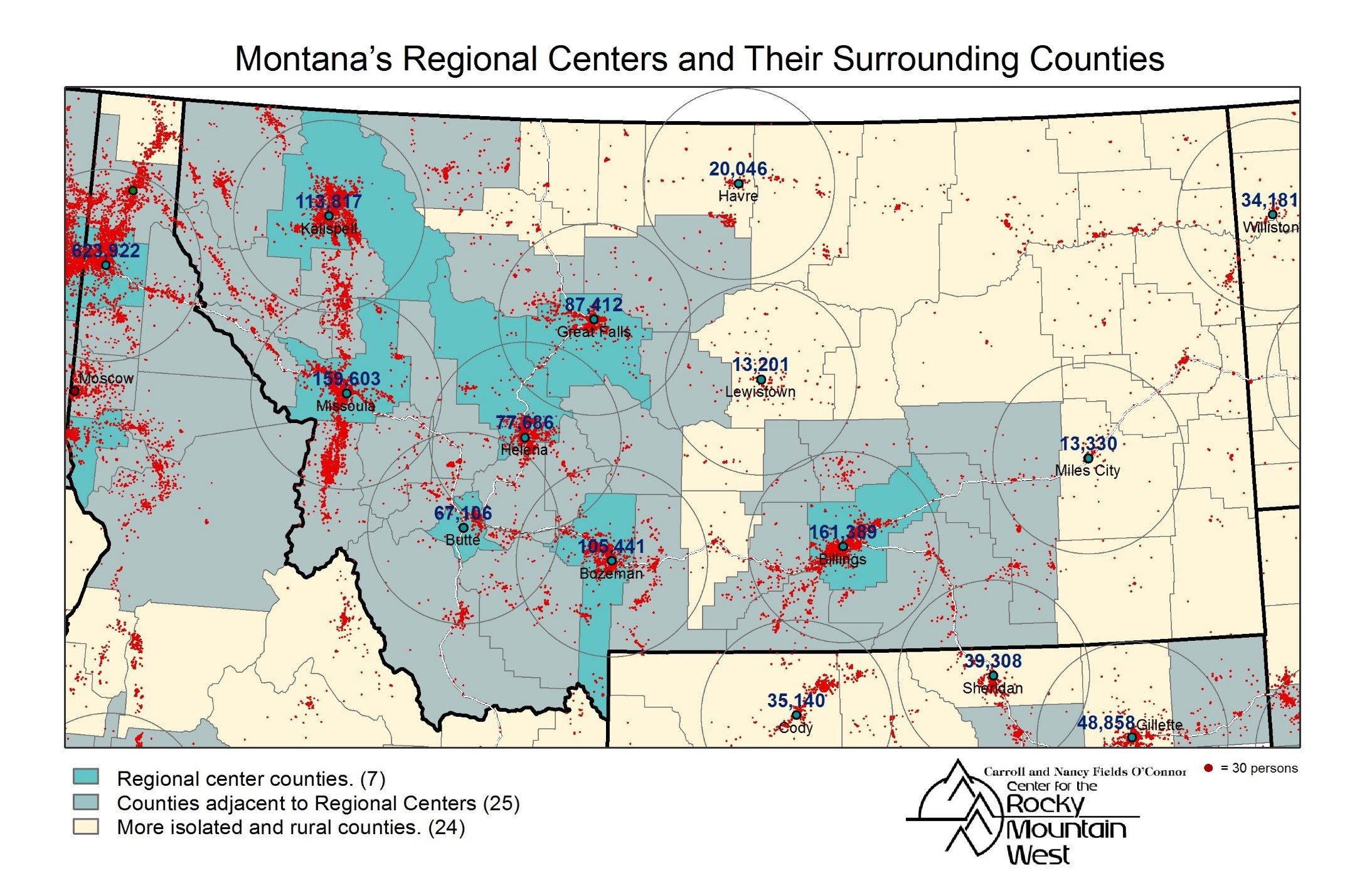
- Billings: As the largest city in Montana, with a population of over 117,000, Billings serves as the state’s primary economic engine. It’s a bustling hub for energy, healthcare, and transportation, offering a more metropolitan feel than many other Montana cities. Its diverse industries provide ample job opportunities, and its location in south-central Montana places it within reasonable driving distance of the northern entrance to Yellowstone National Park, making it a convenient base for explorers.
- Missoula: Nestled in the western part of the state, Missoula is the second-largest city, home to the University of Montana. With a population nearing 80,000, it’s known as the cultural heart of the state, boasting a vibrant arts scene, numerous breweries, and a strong emphasis on outdoor recreation. The Clark Fork River flows through its center, providing opportunities for fishing, floating, and kayaking, while surrounding mountains offer endless trails for hiking and mountain biking.
- Bozeman: Arguably the fastest-growing city in Montana, Bozeman has seen an explosion in population, now over 58,000. It’s a magnet for tech companies, outdoor enthusiasts, and those seeking an upscale Montana lifestyle. Located near the world-class Big Sky Resort and another gateway to Yellowstone National Park, Bozeman offers unparalleled access to outdoor adventure, albeit with a rapidly rising cost of living. Its dynamic blend of urban amenities and wilderness access makes it incredibly attractive.
- Helena: The state capital, Helena, despite its governmental importance, maintains a charming, small-town feel with a population of around 33,000. Rich in history from the gold rush era, Helena features beautiful Victorian architecture and is surrounded by mountains, offering easy access to hiking and mountain biking trails. Its economy is largely driven by state government jobs and local businesses.
- Great Falls: Situated along the Missouri River, Great Falls is home to about 60,000 residents. It’s a city with a strong agricultural base, a significant military presence due to Malmstrom Air Force Base, and historical significance as a stop on the Lewis and Clark Expedition. The city’s namesake waterfalls on the Missouri River are a natural wonder and a focal point for recreation.
- Kalispell and Whitefish: In northwestern Montana, near the majestic Glacier National Park and the pristine Flathead Lake, are Kalispell (population around 28,000) and the resort town of Whitefish (population around 9,000). These communities are booming tourism magnets, drawing visitors year-round for skiing, boating, hiking, and exploring the national park. Their economies are heavily reliant on tourism and outdoor recreation, making them vibrant but seasonally busy destinations.
The Allure of Rural Living and Small Towns
While the urban centers are experiencing rapid growth, a significant portion of Montana’s population still embraces the rural lifestyle that has long defined the state. Small towns, often with populations numbering in the hundreds or low thousands, dot the landscape, each with its unique character and deep-rooted community spirit. Places like Livingston, Hamilton, Lewistown, and Miles City offer a slower pace of life, a strong sense of neighborliness, and direct access to vast wilderness areas, ranches, and agricultural lands.
In these communities, self-reliance, connection to the land, and outdoor pursuits are not just hobbies but a way of life. The challenges of rural living, such as fewer amenities, greater distances between services, and harsh winters, are often outweighed by the tranquility, the strong community bonds, and the unparalleled access to nature. This contrast between the growing urban hubs and the enduring rural charm forms the dual identity of Montana’s residential landscape, offering a spectrum of lifestyles from bustling city life to serene, off-grid existence.
The Interplay of Population, Tourism, and Accommodation
Montana’s relatively small resident population is offset by a booming tourism industry. Millions of visitors flock to the state annually, seeking to experience its natural wonders and unique culture. This dynamic creates a fascinating interplay between the resident population, the tourism sector, and the availability and types of accommodation.
Tourism’s Role in a Low-Population State
Despite its limited number of residents, Montana has cemented its identity as a premier travel destination, attracting nearly 13 million visitors in recent years. The magnets are undeniable: the majestic peaks and pristine lakes of Glacier National Park in the north and the geothermal wonders and abundant wildlife of Yellowstone National Park to the south. These iconic landmarks alone draw millions, creating an economic impact that far exceeds what one might expect from a state with such a small population. Tourism supports countless local businesses, from outfitters and guides to restaurants and craft breweries, and creates thousands of jobs, significantly bolstering the state’s economy.
However, this influx of visitors, while economically beneficial, also presents challenges. Local communities near popular attractions grapple with issues such as increased traffic, demand on infrastructure, waste management, and the delicate balance of preserving the natural environment that draws people in the first place. The growing resident population, particularly in desirable areas, also adds pressure to this balance, as residents themselves often seek the same outdoor access and amenities as tourists. Maintaining the quality of life for residents while providing exceptional experiences for visitors is a constant balancing act for state and local governments.
Meeting Accommodation Demands
The demand for accommodation in Montana is robust and diverse, driven by both its growing resident population and its millions of annual tourists. The state offers a wide spectrum of lodging options to suit every preference and budget, reflecting its varied landscapes and visitor demographics.
For those seeking luxury and an immersive experience, resorts like Paws Up Resort near Greenough or Lone Mountain Ranch in Big Sky offer unparalleled amenities, gourmet dining, and guided outdoor adventures. In cities like Missoula and Bozeman, boutique hotels and well-known hotel chains provide comfortable stays, catering to business travelers, university visitors, and city explorers. Throughout the state, charming bed and breakfasts offer a personal touch, often in historic homes, while vacation rentals, from rustic cabins to modern homes, provide flexibility and a sense of “home away from home” for families and groups.
Seasonal fluctuations heavily influence accommodation demand. Peak summer months see hotels and rentals near Glacier and Yellowstone booked solid, often months in advance. Similarly, ski resorts like Big Sky and Whitefish Mountain Resort experience high demand during the winter season. The growing resident population, including an increasing number of remote workers, also drives demand for long-term rentals and housing, particularly in popular areas, contributing to rising property values and the need for more diverse housing solutions. Montana’s unique accommodation experiences, from luxury “glamping” under the stars to cozy lodges nestled in mountain valleys, are integral to its appeal, promising an authentic and memorable stay for every visitor.
Living the Montana Dream: Lifestyle and Future Outlook
Life in Montana is often idealized, and for many, it truly embodies a dream lifestyle centered around nature, community, and opportunity. However, it’s also a place with its own set of challenges, particularly as its population continues to grow.
The Montana Lifestyle: Wilderness, Community, and Opportunity
For those who choose to live in Montana, the lifestyle is profoundly outdoor-centric. Daily life often revolves around immediate access to hiking trails, fishing rivers like the Gallatin or the Yellowstone River, skiing slopes, and vast hunting grounds. The proximity to national forests and wilderness areas means adventure is always just a stone’s throw away. This deep connection to nature fosters a sense of stewardship and a desire to preserve the state’s pristine environment.
Beyond the outdoor pursuits, Montana is known for its strong community bonds. Whether in a bustling city like Missoula or a tiny ranching town, there’s often a palpable sense of friendliness, mutual support, and a shared appreciation for the unique Montana way of life. Neighbors help neighbors, and community events are often central to social life. This spirit extends to opportunities, where entrepreneurship thrives, and a growing number of remote workers are finding that they can have both a successful career and an unparalleled quality of life. Challenges certainly exist, including harsh and long winters, the geographic isolation of some areas, and, increasingly, the rising cost of living and housing in popular areas like Bozeman and Whitefish.
Looking Ahead: Sustainable Growth
As Montana continues to attract new residents and visitors, the paramount question becomes how to manage this growth sustainably. The goal for many Montanans is to balance the economic benefits of increased population and tourism with the preservation of the “Big Sky” feel, its natural resources, and the unique character of its communities. This involves careful planning for infrastructure development, addressing the need for more affordable housing, and ensuring that public lands remain accessible and protected. Initiatives focused on sustainable tourism, responsible land use, and community development are crucial for shaping Montana’s future. The state’s appeal lies in its wildness and open spaces, and maintaining this essence while accommodating a growing population will be the defining challenge and opportunity for the years to come.
In conclusion, while roughly 1.1 million people call Montana home, this number tells only part of the story. It’s a population that is growing, dynamic, and deeply connected to the land. Whether residing in its vibrant urban centers or its serene rural communities, Montanans embody a unique blend of rugged independence and warm hospitality. This balance, coupled with the state’s unparalleled natural beauty and burgeoning tourism, ensures that Montana remains one of the most intriguing and cherished places in the United States, constantly evolving while holding true to its core identity.
LifeOutOfTheBox is a participant in the Amazon Services LLC Associates Program, an affiliate advertising program designed to provide a means for sites to earn advertising fees by advertising and linking to Amazon.com. Amazon, the Amazon logo, AmazonSupply, and the AmazonSupply logo are trademarks of Amazon.com, Inc. or its affiliates. As an Amazon Associate we earn affiliate commissions from qualifying purchases.