
New Hampshire, often celebrated for its “Live Free or Die” spirit, picturesque landscapes, and absence of sales or income tax, holds a unique allure for both residents and visitors. When considering a travel destination, understanding the local population goes far beyond mere statistics; it offers profound insights into the culture, infrastructure, and overall experience one can expect. How many people truly call the Granite State home, and how does this population shape its identity as a premier travel and lifestyle destination within the United States?
As of recent estimates, the population of New Hampshire hovers around 1.4 million people. This seemingly modest figure, especially when compared to larger states, belies a dynamic demographic landscape that significantly influences its tourism sector, accommodation options, beloved landmarks, and distinct lifestyle. From its bustling urban centers to its serene rural retreats, the distribution and characteristics of New Hampshire’s residents are integral to understanding what makes this New England gem so special. We delve into the demographic intricacies, explore how they translate into a vibrant tourism economy, and offer insights for travelers seeking to experience the authentic spirit of New Hampshire.
Unpacking New Hampshire’s Demographic Landscape and Its Tourist Appeal
The total number of residents in New Hampshire provides a foundational understanding, but it’s the nuances within this figure that truly paint a comprehensive picture for travelers. The state’s relatively small population density, particularly outside its major metropolitan areas, contributes to its reputation as a haven for outdoor enthusiasts and those seeking tranquility. This demographic characteristic directly impacts the kind of experiences visitors can anticipate, from uncrowded hiking trails to serene lakeside escapes.
Population Distribution: Urban Hubs vs. Rural Retreats
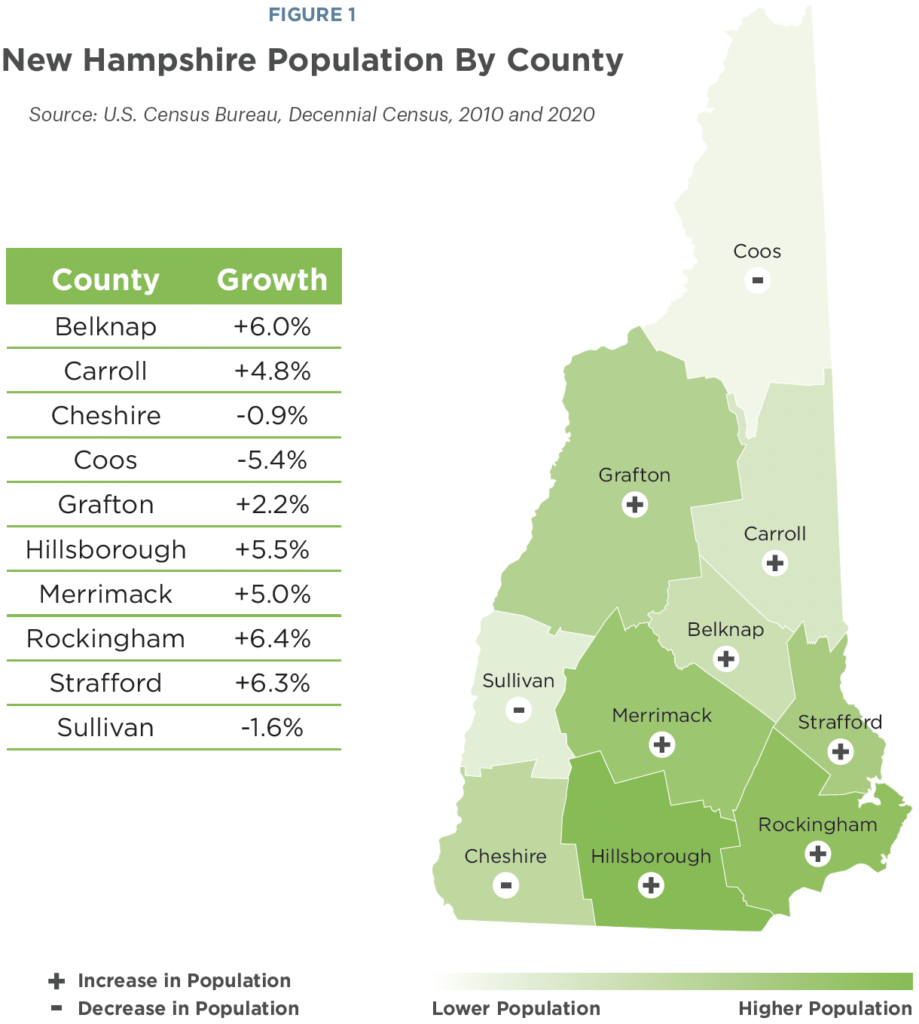
New Hampshire’s population is not evenly spread, creating distinct regions with varying travel appeals. The southeastern part of the state, particularly the Merrimack Valley and the Seacoast region, boasts the highest population density. Cities like Manchester and Nashua serve as economic powerhouses, offering a blend of urban amenities, cultural attractions, and diverse culinary scenes. Concord, the state capital, provides historical depth alongside its administrative role. These urban centers, while not as sprawling as mega-cities, offer a vibrant local culture that enriches the visitor experience, featuring local markets, live music venues, and a burgeoning craft beer scene. For instance, Manchester’s Currier Museum of Art attracts art lovers, reflecting a demand for cultural engagement from both residents and tourists.
Contrastingly, the more northern and western parts of the state are sparsely populated, characterized by vast expanses of forests, mountains, and lakes. The White Mountains National Forest region, for example, is home to iconic natural landmarks like Mount Washington and the scenic Kancamagus Highway. Here, the low population density translates into unparalleled opportunities for nature-focused tourism, including hiking, skiing, and wildlife viewing, without the overwhelming crowds often found in more populous destinations. Towns like Lincoln or North Conway serve as charming gateways to these wilderness areas, their economies largely driven by the influx of tourists seeking adventure and natural beauty. The serene Lake Winnipesaukee area, with towns like Meredith and Wolfeboro, also benefits from a lower residential density, allowing for pristine waters and expansive views that attract those looking for tranquil waterside experiences and luxury lake house rentals.
Demographic Tapestry: Influencing Local Culture and Lifestyle
The demographic makeup of New Hampshire also plays a crucial role in shaping its local culture and the unique lifestyle offerings for travelers. The state boasts a highly educated workforce, partly due to institutions like Dartmouth College in Hanover. This intellectual capital contributes to a sophisticated local scene, with niche galleries, independent bookstores, and a strong emphasis on community engagement. The residents’ appreciation for local produce and artisanal goods fuels the popularity of farmers’ markets and farm-to-table dining experiences, particularly in areas like Portsmouth, which is renowned for its vibrant culinary scene and historic charm.
Furthermore, New Hampshire’s population tends to be highly active and deeply connected to the outdoors. This translates into a robust tourism infrastructure geared towards adventure and nature. From comprehensive trail networks in Franconia Notch State Park to winter sports facilities at Cannon Mountain or Attitash Mountain Resort, the state’s offerings are a direct reflection of its residents’ lifestyle. Travelers seeking active vacations will find themselves amongst like-minded individuals, whether they’re kayaking on Lake Squam or exploring the historic grounds of Canterbury Shaker Village. This intrinsic connection to the environment fosters a sense of stewardship that preserves the natural beauty, ensuring sustainable tourism for generations to come.
Population Dynamics and Their Impact on Tourism & Accommodation
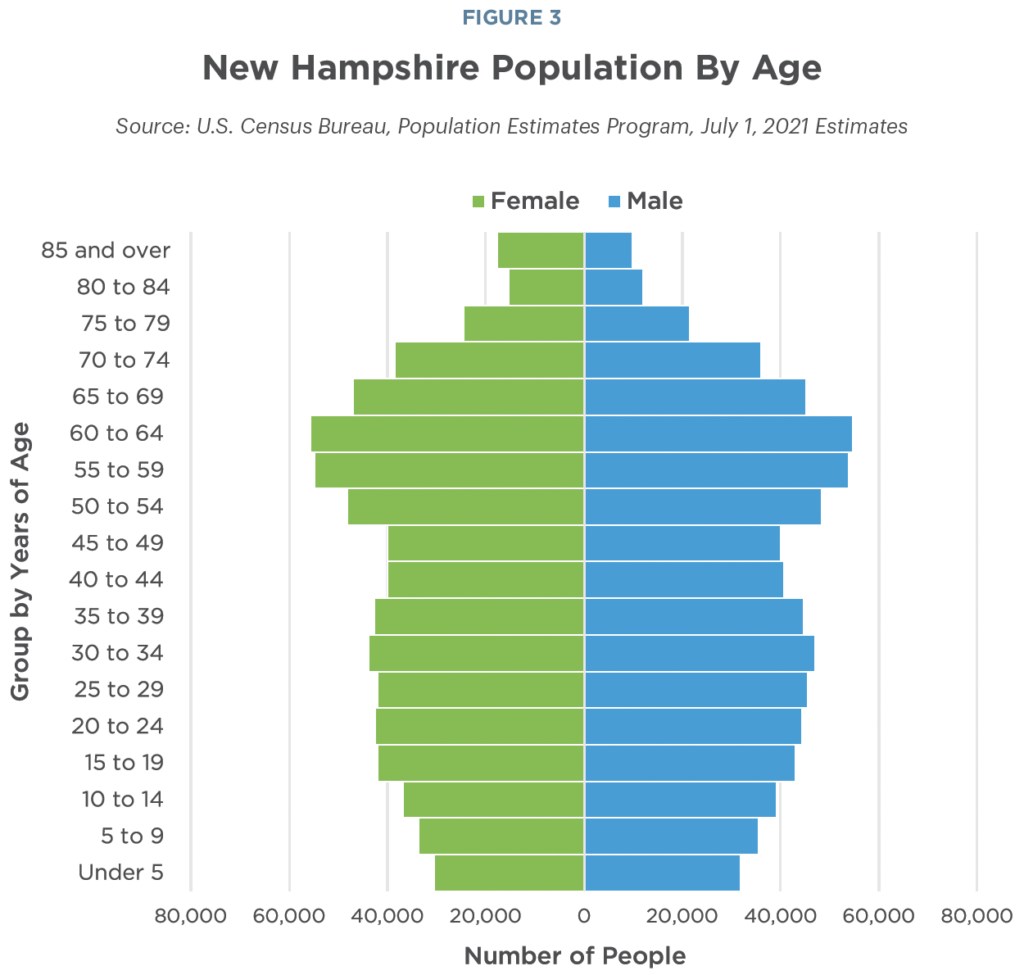
The growth and movement of New Hampshire’s population are not static; they are dynamic forces that continuously reshape the tourism industry and the accommodation landscape. An increasing population, coupled with a steady influx of visitors, places unique demands on infrastructure, from roadways to hotels, and influences the evolution of local culture.
Catering to Diverse Demands: From Luxury Resorts to Quaint B&Bs
The population’s characteristics, including average income and lifestyle preferences, are mirrored in the state’s diverse accommodation options. In areas popular with affluent residents and visitors, such as the Seacoast or along major lakes, luxury resorts and boutique hotels thrive. Historic gems like Wentworth by the Sea in Rye or the grand Omni Mount Washington Resort in Bretton Woods cater to those seeking indulgent experiences, offering extensive amenities, fine dining, and breathtaking views. These establishments often reflect the sophisticated tastes of both long-term residents and the premium travel market.
Conversely, in the more rural and family-oriented regions, the accommodation scene shifts towards cozy bed and breakfasts, charming inns, and a plethora of vacation rentals. These options resonate with a population that values community feel and direct access to nature. The rise of long-term stay accommodations and self-catering villas is also notable, reflecting a trend among both relocating individuals and extended-stay tourists who wish to immerse themselves more deeply in the New Hampshire lifestyle, perhaps testing out different neighborhoods or enjoying seasonal activities over several weeks. For families, destinations near attractions like Story Land in Glen offer cabin rentals and family-friendly resorts that cater to their specific needs.
Infrastructure Development and Accessibility for Travelers
Population growth, particularly in commuter-friendly towns, also drives improvements in infrastructure that benefit tourism. Enhanced road networks, better public services, and the development of local amenities like shopping centers and dining establishments make regions more accessible and appealing to visitors. While New Hampshire doesn’t have a massive urban transit system, the increasing population in its southern corridor influences the maintenance and expansion of state roads, vital for scenic drives like the Kancamagus Highway and access to ski resorts.
Moreover, the workforce supporting the hospitality industry is drawn from the local population. A robust local labor pool ensures that hotels, restaurants, and attractions are adequately staffed with individuals who understand the local culture and can offer authentic recommendations. This local touch, often missing in highly transient tourist destinations, enhances the overall travel experience in New Hampshire, making interactions more genuine and personalized. The pride residents take in their state is often reflected in the quality of service and the warm hospitality extended to visitors.
The Lifestyle of New Hampshire: A Reflection of its People
The “Live Free or Die” motto is not just a slogan; it’s a deeply ingrained philosophy that shapes the lifestyle of New Hampshire’s residents and, by extension, the experiences available to travelers. This ethos fosters a strong sense of independence, community, and an enduring connection to the state’s rich history and natural environment. The combination of these factors creates a distinctive atmosphere that draws visitors seeking more than just a fleeting vacation.
Embracing the Outdoors: A Core Lifestyle and Tourism Pillar
The population of New Hampshire shares a profound appreciation for outdoor recreation, making it a cornerstone of the state’s lifestyle and a primary driver of its tourism industry. With four distinct seasons, residents partake in a wide array of activities year-round, from spring hiking and summer water sports on Lake Sunapee to autumn leaf peeping and winter skiing. This active lifestyle is contagious, inspiring tourists to engage in similar pursuits. The well-maintained state parks, such as Franconia Notch State Park, and the vast White Mountains National Forest are not just scenic backdrops but playgrounds meticulously cared for by and for the people who live here. Famous natural features like Flume Gorge are testament to the state’s commitment to preserving its natural wonders for all to enjoy.
This emphasis on nature also means that many businesses, from adventure tour operators to gear rental shops, are locally owned and operated, providing authentic, community-driven services. Travelers looking to kayak down the Androscoggin River or explore the covered bridges will benefit from the expertise and passion of residents who know these landscapes intimately. Even popular attractions like Hampton Beach thrive not just on external tourism but also on the loyal patronage of New Hampshire families and neighbors, creating a lively yet grounded atmosphere.

Cultural Richness and Community Spirit: Beyond the Scenic Views
While natural beauty is a major draw, the cultural richness and strong community spirit of New Hampshire’s towns are deeply intertwined with its population. Festivals, local events, and historical commemorations often have deep roots within the community, offering visitors a chance to experience the authentic fabric of New Hampshire life. Historic sites like the Strawbery Banke Museum in Portsmouth or the living history at Canterbury Shaker Village are preserved and celebrated through the efforts of dedicated residents and local organizations. These sites provide a window into the state’s past, illustrating how generations of New Hampshire residents have shaped the present.
The local food scene is another area where the population’s influence is palpable. From traditional New England fare to innovative culinary creations in cities like Portsmouth and Exeter, the diverse tastes of the residents drive a vibrant restaurant landscape. Travelers seeking authentic experiences will find a plethora of options, whether it’s indulging in fresh seafood along the Seacoast in towns like Seabrook or enjoying locally sourced produce at a farmer’s market. Even a simple Portsmouth Harbor Cruise provides glimpses into the working lives of the coastal communities, deeply connected to the marine environment. The small population size fosters a close-knit environment, where local businesses thrive on repeat customers and word-of-mouth, creating an welcoming ambiance for newcomers and repeat visitors alike. This inherent community pride ensures that visitors don’t just see the landmarks but feel the pulse of local life, making their travel experiences truly memorable.
In conclusion, while the question of “How many people live in New Hampshire?” begins with a statistical answer of around 1.4 million, its true significance lies in how this population defines the state. From shaping its diverse landscapes for tourism and influencing the range of accommodation choices to fostering a distinct lifestyle deeply rooted in outdoor adventure and community spirit, the people of New Hampshire are its most valuable asset. For any traveler planning a visit, understanding this demographic tapestry is key to unlocking the genuine charm and enduring appeal of the Granite State.
LifeOutOfTheBox is a participant in the Amazon Services LLC Associates Program, an affiliate advertising program designed to provide a means for sites to earn advertising fees by advertising and linking to Amazon.com. Amazon, the Amazon logo, AmazonSupply, and the AmazonSupply logo are trademarks of Amazon.com, Inc. or its affiliates. As an Amazon Associate we earn affiliate commissions from qualifying purchases.