
New York, often hailed as the “Crossroads of the World” and affectionately known as The Big Apple, stands as an iconic symbol of urban dynamism, cultural diversity, and boundless opportunity. But behind the shimmering skyscrapers, the bustling avenues, and the serene parks, lies a fundamental question that shapes its very essence as a destination for travelers and a home for millions: how many people actually live in this incredible place? The answer is not just a statistic; it’s a profound narrative that defines its character, influences its tourism landscape, dictates its accommodation options, and crafts the unique lifestyle of its inhabitants.

Understanding the population of New York, both city and state, provides crucial insights for anyone planning a visit, considering a move, or simply curious about this global epicenter. From the dizzying density of Manhattan to the expansive beauty of upstate regions, the number of people shapes everything from the availability of a hotel room to the atmosphere of a local eatery. This article delves deep into the demographic heartbeat of New York, exploring how its vast population interacts with and enhances its reputation as a premier travel destination in the United States and indeed, North America.
The Heartbeat of the Empire State: Understanding New York’s Population Figures
The sheer scale of New York’s population is often astounding to visitors. It’s not just a large city; it’s a vast, intricate ecosystem of diverse communities and vibrant energies, each contributing to the state’s overall tapestry.
New York City: A Mosaic of Millions
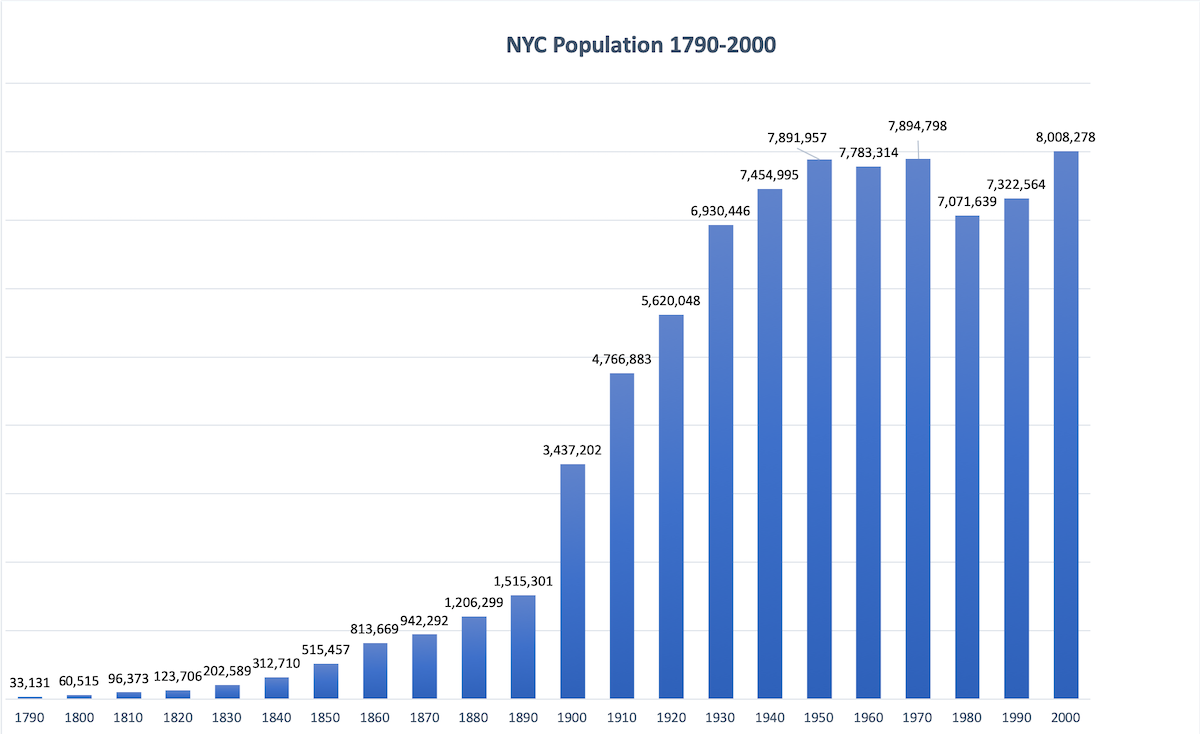
At the core of the state’s population lies New York City, a metropolis that consistently ranks among the most populous urban areas globally. With an estimated population hovering around 8.8 million residents, NYC is a true melting pot, a statistical marvel where millions live, work, and thrive within a relatively compact geographical area. This figure alone makes it the most populous city in the United States.
The city is famously divided into five boroughs, each a distinct entity with its own character and demographic profile:
- Manhattan: While geographically one of the smallest boroughs, Manhattan is the densest and most iconic, home to roughly 1.6 million people. Its population density is among the highest in the world, creating the unmistakable energy that pulses through districts like Times Square and the Financial District. This density influences everything from the concentration of hotels to the efficiency of its public transportation.
- Brooklyn: The most populous borough, with over 2.6 million residents, Brooklyn is a sprawling hub of culture, cuisine, and diverse neighborhoods. Its residential appeal, combined with its burgeoning artistic scene, makes it a vibrant alternative to Manhattan for both living and visiting.
- Queens: Boasting over 2.3 million residents, Queens is the largest borough by area and arguably the most ethnically diverse urban area in the world. Its population reflects a global mosaic, offering visitors an unparalleled culinary journey and a glimpse into countless cultures without ever leaving the city.
- The Bronx: Home to approximately 1.4 million people, The Bronx is rich in history and green spaces, including the sprawling Van Cortlandt Park and the Bronx Zoo. It offers a vibrant, authentic New York experience, distinct from its southern neighbors.
- Staten Island: With around 470,000 residents, Staten Island offers a more suburban feel while still being part of New York City. Its slower pace and natural beauty, including the Greenbelt, provide a contrast to the urban bustle.
This intricate demographic tapestry is not static. New York City’s population is constantly in flux, shaped by immigration, internal migration, and birth rates. These shifts continually rejuvenate the city, influencing neighborhood dynamics, economic trends, and the ever-evolving cultural landscape that captivates both residents and tourists.
Beyond the Five Boroughs: New York State’s Broader Canvas
While New York City is undoubtedly the star, the broader New York State encompasses a much larger population and a stunning diversity of landscapes and communities. The state’s total population stands at nearly 20 million, making it the fourth most populous state in the United States.
Beyond the five boroughs, major cities contribute significantly to this total:
- Buffalo: Located on Lake Erie near the Canadian border, Buffalo is the second-largest city in the state, known for its rich history, impressive architecture, and proximity to Niagara Falls.
- Rochester: Situated on Lake Ontario and the Genesee River, Rochester is a hub for innovation and education, offering a vibrant cultural scene and access to the scenic Finger Lakes region.
- Albany: The state capital, Albany is nestled on the Hudson River and boasts a significant historical footprint, combining government, education, and cultural attractions.
- Syracuse: Centrally located, Syracuse is a regional economic and educational center, known for its university and various festivals.
These upstate cities, along with smaller towns and vast rural areas, offer a stark contrast to the urban intensity of NYC. Regions like the majestic Adirondack Mountains, the rolling vineyards of the Finger Lakes, and the serene beauty of the Catskill Mountains provide completely different experiences, appealing to those seeking nature, outdoor adventures, and tranquility. The state’s diverse population supports this varied landscape, from bustling urbanites to residents who embrace a more laid-back, nature-focused lifestyle.
Population Dynamics and the New York Travel Experience
The immense population of New York, both city and state, profoundly shapes the travel and tourism experience, influencing everything from the availability of attractions to the practicalities of getting around. It’s a double-edged sword: the crowds can be daunting, but they are also the lifeblood that fuels the city’s incredible energy, diversity, and constant evolution.
How Millions Shape Attractions and Tourism
The sheer number of residents, combined with tens of millions of annual visitors, creates an unparalleled demand for attractions and experiences. This demand ensures that New York consistently offers a staggering array of options:
- Iconic Landmarks: Destinations like the Statue of Liberty, the Empire State Building, Central Park, Rockefeller Center, and the World Trade Center are designed to handle massive influxes of people. Their grandeur and scale are, in part, a response to the city’s vast population and visitor numbers.
- Cultural Hubs: The population’s diversity is directly reflected in its cultural offerings. From world-class museums like the Metropolitan Museum of Art, the Museum of Modern Art, and the American Museum of Natural History to the vibrant performances of the Broadway Theater District and Carnegie Hall, the city caters to every artistic taste. The demand from millions of residents and visitors sustains this incredible ecosystem.
- Culinary Landscape: With so many people from every corner of the globe, New York’s food scene is arguably the most diverse in the world. From Michelin-starred restaurants to humble food trucks, every cuisine imaginable is represented. Neighborhoods like Greenwich Village and Harlem offer distinct dining experiences influenced by their historical demographic makeup.
- Public Transportation: Navigating a city of millions requires robust infrastructure. The MTA subway system is a testament to this, transporting millions of riders daily, a critical artery that keeps the city moving. While often crowded, it’s an indispensable and efficient way to explore NYC. For those heading upstate, regional trains and buses connect the populous cities to even the more remote corners.
For travelers, this means a dynamic and bustling experience. Tips for navigating crowds often include visiting popular spots early in the morning or late in the evening, utilizing off-peak travel times on the subway, and exploring lesser-known neighborhoods for a more intimate experience. The constant flow of people ensures there’s always something happening, a new restaurant opening, or a different cultural festival to discover.
Accommodation and Infrastructure: Catering to the Masses
The dense population and the massive influx of tourists necessitate an extensive and varied accommodation sector and a sophisticated infrastructure to support it.
- Hotel Density and Variety: New York City boasts thousands of hotels, ranging from ultra-luxury establishments like The Plaza Hotel and Four Seasons Hotel New York Downtown to charming boutique hotels in neighborhoods like Chelsea and budget-friendly options throughout the boroughs. This immense supply is a direct response to the continuous demand from business travelers, leisure tourists, and even residents seeking staycations or temporary housing.
- Alternative Accommodations: Beyond traditional hotels, the city offers numerous apartment rentals, co-living spaces, and long-term stay options, catering to residents and visitors who might be staying for weeks or months. This reflects the practical needs of a highly mobile and densely packed population.
- Event and Convention Facilities: Large populations and global influence mean New York is a prime location for major events. Facilities like the Jacob K. Javits Convention Center host countless conferences, trade shows, and public events, drawing even more temporary visitors.
- Airport Infrastructure: To handle the millions of people moving in and out, the region is served by three major international airports: JFK International Airport in Queens, LaGuardia Airport also in Queens, and Newark Liberty International Airport in nearby New Jersey. These hubs are critical for the constant flow of residents, business travelers, and tourists alike, connecting New York to the rest of the world.
The scale of this infrastructure speaks volumes about the constant human traffic that defines New York. It’s a city designed for movement, connection, and the seamless integration of millions of individual lives into a collective urban experience.
Lifestyle and Living: The Resident’s Perspective vs. the Tourist’s Gaze
The population figures don’t just tell a story of numbers; they paint a vivid picture of the diverse lifestyles adopted by New Yorkers and the distinct experiences available to visitors. The constant interplay between the resident population and the tourist influx defines much of the city’s character.
The Cost of Living and Its Influence on Lifestyle
One undeniable aspect of living in a densely populated and globally significant city like New York is the high cost of living, particularly in Manhattan. This influences everything from housing choices to daily expenditures. Residents often make trade-offs, prioritizing proximity to work, cultural amenities, or specific community vibes over spacious living. This reality fosters unique lifestyles:
- Diverse Lifestyles: From high-flying executives on Wall Street to struggling artists in Bushwick, to families seeking green spaces in Riverdale in The Bronx, New York accommodates an incredible spectrum of life choices. The city’s population sustains a vast economy that supports this diversity.
- Budgeting for Residents and Visitors: For residents, ingenious budgeting and leveraging public resources are key. For visitors, understanding the cost implications is crucial for planning. While luxury travel is undeniably a part of the New York experience, there are also abundant budget-friendly options, from free attractions like walking the Brooklyn Bridge or riding the Staten Island Ferry to affordable eateries in diverse neighborhoods.
- Commuting Culture: A large population necessitates a robust commuting culture. Millions rely on the subway, buses, and commuter rails to navigate the city and surrounding areas. The daily rhythms of this commute are an intrinsic part of the New York lifestyle, a shared experience that unites its diverse inhabitants.

Embracing the Energy: Unique New York Experiences
The collective energy generated by millions of people living in close proximity creates an atmosphere unlike anywhere else. This palpable vibrancy translates into a wealth of unique experiences for both residents and tourists.
- Cultural Immersion: Beyond the grand institutions, the sheer density of population allows for countless small, independent galleries, theaters, music venues, and community centers to thrive. Exploring neighborhoods like DUMBO in Brooklyn or Chelsea Market in Manhattan offers a glimpse into the localized cultural impact of its residents.
- Year-Round Appeal: New York’s population ensures that the city is a living, breathing entity 24/7, 365 days a year. Seasonal variations bring different events – from summer street festivals to winter holiday markets in Union Square and Grand Central Terminal – all sustained by the continuous presence of millions of people.
- Community and Connection: Despite its scale, New York is a city of neighborhoods, each fostering a strong sense of community. This allows residents to find their niche, while visitors can immerse themselves in distinct local vibes, whether it’s the historic charm of West Village or the bustling markets of Chinatown.
- Beyond the City Limits: The vast population of New York State also means that there are diverse experiences just a short trip away. From the wine regions of the Finger Lakes to the artistic retreats in the Hudson Valley and culinary farm-to-table experiences at places like Stone Barns Center for Food & Agriculture, the state’s population supports varied tourism, drawing visitors from NYC and beyond.
In essence, the countless individuals who call New York home are not just a number; they are the architects of its identity. Their daily lives, aspirations, and cultural contributions forge the vibrant, multifaceted experience that defines New York as both an awe-inspiring metropolis and an endlessly fascinating travel destination.
The answer to “how many people live in New York?” is complex and layered. It’s millions of individuals, each contributing to a collective energy that transforms concrete and steel into a living, breathing entity. This immense population is not merely a backdrop for tourism; it is the very heart of the New York experience, shaping its attractions, driving its infrastructure, and defining its incomparable lifestyle. For any traveler, understanding this demographic reality is key to truly appreciating the dynamic spirit of the Empire State.
LifeOutOfTheBox is a participant in the Amazon Services LLC Associates Program, an affiliate advertising program designed to provide a means for sites to earn advertising fees by advertising and linking to Amazon.com. Amazon, the Amazon logo, AmazonSupply, and the AmazonSupply logo are trademarks of Amazon.com, Inc. or its affiliates. As an Amazon Associate we earn affiliate commissions from qualifying purchases.