
Orlando, often globally recognized as the “Theme Park Capital of the World,” is a vibrant metropolis in the heart of Florida. While its fame primarily stems from the colossal entertainment complexes like Walt Disney World Resort and Universal Orlando Resort, beneath the veneer of tourist attractions lies a thriving residential community. Understanding the population of Orlando involves looking beyond just the city limits, delving into its metropolitan area, and appreciating the dynamic interplay between its permanent residents and its staggering number of annual visitors.
The question of “how many people live in Orlando” is more complex than it first appears, as there are different ways to define “Orlando.” Do we mean the population within the official city boundaries, or the much larger Orlando Metropolitan Statistical Area (MSA), which encompasses several counties and numerous smaller cities? For a comprehensive understanding, we must consider both, as they each tell a crucial part of the story of this ever-evolving Central Florida hub.
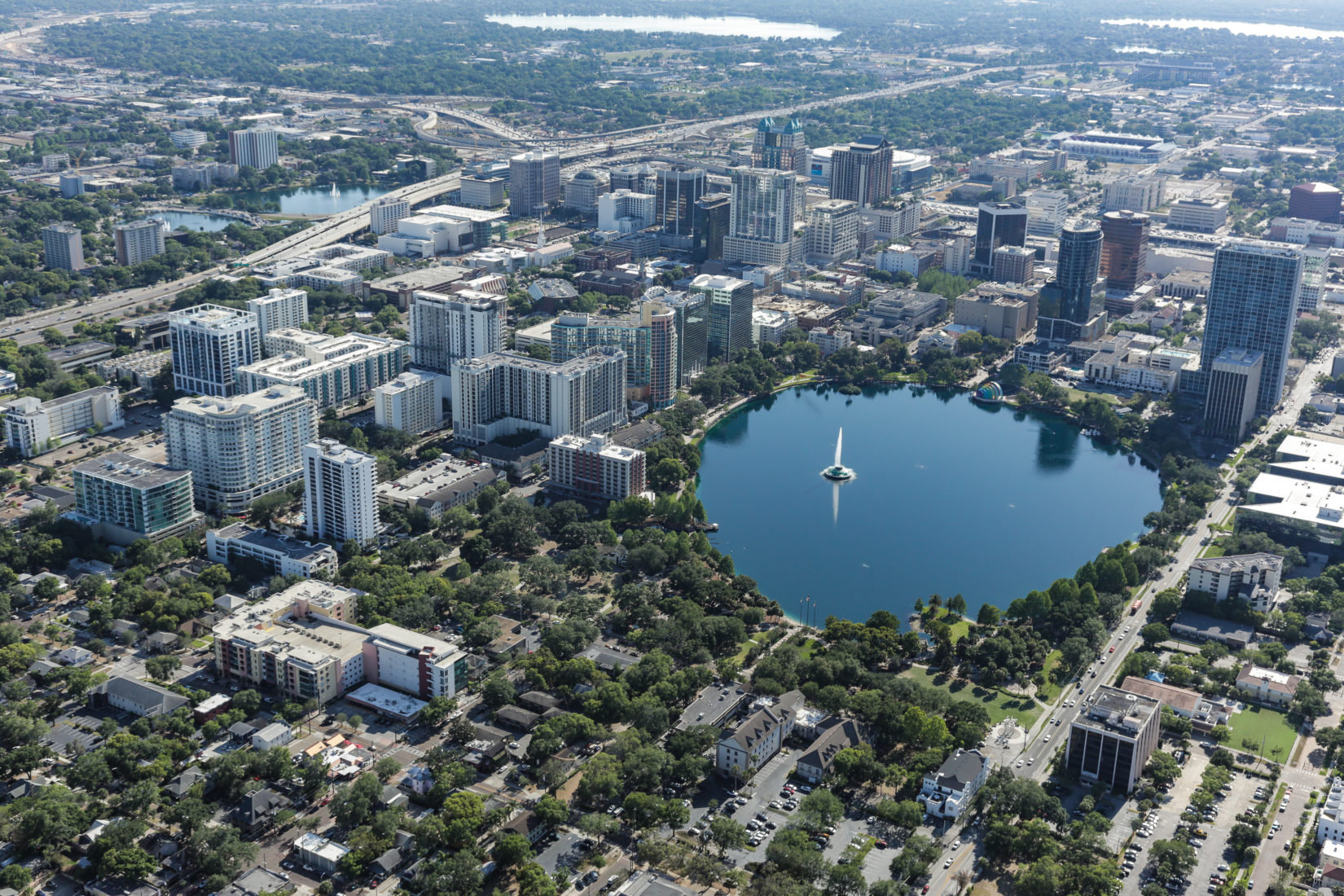
Orlando’s Population at a Glance
To truly grasp the demographic landscape of Orlando, it’s essential to differentiate between the city proper and its broader metropolitan region. Each offers a unique perspective on the scale and growth of this dynamic area.
Decoding the Numbers: Residents vs. Visitors
The City of Orlando itself, the incorporated municipality, is home to a substantial and continually growing population. According to recent estimates (which fluctuate annually but generally trend upwards), the population within the official city limits is typically somewhere between 300,000 to 320,000 residents. This figure places Orlando among the larger cities in Florida, consistently ranking in the top four or five most populous cities in the state.
However, the “Orlando area” as most people perceive it extends far beyond these municipal boundaries. The Orlando-Kissimmee-Sanford Metropolitan Statistical Area, often simply referred to as the Orlando MSA, is a much more encompassing region. This MSA includes Orange County, Osceola County, Seminole County, and Lake County. This broader area tells a more complete story of the region’s residential footprint. The population of the Orlando MSA is significantly larger, often exceeding 2.7 million people and nearing 3 million, making it one of the largest metropolitan areas in the Southeastern United States.
This distinction is crucial, especially when discussing the impact of population on services, infrastructure, and lifestyle. While the city government manages services for its 300,000+ residents, the entire metropolitan area collaborates on regional planning, transportation, and economic development to support nearly three million people, in addition to the tens of millions of tourists who visit annually. The sheer volume of visitors – Orlando typically hosts over 70-80 million tourists each year – means that at any given moment, the effective population of the region (residents + visitors) can easily swell by hundreds of thousands, if not more. This constant ebb and flow of people presents unique challenges and opportunities for the local economy and infrastructure.
A City on the Rise: Understanding Orlando’s Growth
Orlando’s population growth has been nothing short of phenomenal over the past few decades, consistently outpacing many other major cities nationwide. This growth isn’t just a recent phenomenon; it’s a sustained trend driven by a confluence of factors.
One of the primary drivers is, of course, the robust tourism industry. The presence of world-renowned attractions like Walt Disney World Resort, Universal Orlando Resort, and SeaWorld Orlando acts as a magnet for job seekers in hospitality, entertainment, and related services. These industries create a constant demand for labor, drawing people from across the country and around the globe. This economic engine fuels secondary industries, from construction and retail to food service and transportation, further expanding the job market.
Beyond tourism, Orlando has successfully diversified its economy, attracting significant investment in technology, healthcare, and advanced manufacturing. The development of areas like Lake Nona’s “Medical City” has established Orlando as a burgeoning hub for bioscience and medical innovation, drawing highly skilled professionals and researchers. Institutions like the University of Central Florida (UCF) contribute to this intellectual capital, producing a steady stream of graduates and fostering a vibrant research environment.
The appealing Florida lifestyle also plays a significant role. With its warm climate, no state income tax, and relatively affordable cost of living compared to other major coastal cities in the United States, Orlando offers an attractive proposition for families, retirees, and young professionals alike. The availability of diverse housing options, from urban apartments in Downtown Orlando to suburban homes in communities like Winter Park and Lake Mary, caters to a wide range of preferences and budgets. This steady influx of new residents, coupled with a healthy birth rate, ensures that Orlando’s population continues its upward trajectory.
The Vibrant Mosaic: Demographics and Lifestyle
Orlando’s rapid growth has cultivated a rich and diverse demographic landscape, shaping a lifestyle that is both distinctly Floridian and uniquely international.
Who Calls Orlando Home?
The demographic profile of Orlando’s residents is a fascinating reflection of its status as a global crossroads. The city is notably diverse, with a significant Hispanic/Latino population, alongside a substantial White, Black, and Asian community. This multicultural tapestry is evident in the city’s cuisine, festivals, and cultural institutions, offering a truly global experience to those who live and visit here.
The age distribution in Orlando tends to skew younger than the state average, especially within the city proper. This is partly due to the large student population at UCF, one of the largest universities in the United States, and the abundance of entry-level jobs in the service and hospitality sectors, which attract young workers. However, the wider MSA also accommodates a growing number of families and retirees drawn by the quality of life and recreational opportunities.
Income levels vary significantly across the metropolitan area, reflecting the diverse range of industries and job types available. While hospitality jobs may offer lower average wages, the burgeoning tech and healthcare sectors in areas like Lake Nona attract higher-income professionals. This creates a varied economic environment, contributing to the rich social fabric of the city. Education levels are also on the rise, spurred by the presence of UCF, Rollins College, and other educational institutions, which foster an educated workforce and contribute to civic engagement and innovation.

Beyond the Theme Parks: A Local’s Orlando
While millions flock to Orlando for its iconic theme parks, residents experience a different facet of the city – one rich in local culture, outdoor activities, and a burgeoning culinary scene. For those who call Orlando home, life extends far beyond the gates of Magic Kingdom or Universal Studios Florida.
The city boasts numerous parks and green spaces, with Lake Eola Park in Downtown Orlando serving as a central community hub, hosting farmers’ markets, festivals, and swan boat rides. Harry P. Leu Gardens offers a tranquil botanical escape, while countless smaller neighborhood parks provide recreational opportunities. The region’s extensive chain of lakes and natural springs invites residents to enjoy kayaking, paddleboarding, and fishing, embracing Florida’s natural beauty.
Orlando’s cultural scene is increasingly vibrant. The Dr. Phillips Center for the Performing Arts regularly hosts Broadway shows, concerts, and local productions. Art galleries, museums, and independent theaters add to the creative landscape. Sports fans can cheer on the Orlando Magic NBA team at the Amway Center or catch an Orlando City SC (MLS) soccer game at Exploria Stadium, fostering a strong sense of local pride and community.
The food scene has evolved dramatically beyond chain restaurants, with a diverse array of independent eateries, farm-to-table restaurants, and international cuisine reflecting the city’s multicultural population. Neighborhoods like Winter Park, Mills 50, and the Milk District are known for their unique culinary offerings and vibrant nightlife. Shopping options range from upscale boutiques at the Mall at Millenia to bargain hunting at the Orlando Premium Outlets. This blend of outdoor recreation, cultural attractions, and culinary delights defines the local lifestyle, offering residents a rich and fulfilling experience independent of the tourist core.
The Economic Engine: Tourism, Real Estate, and Job Growth
The massive population of both residents and visitors in Orlando drives an economic engine unique in its scale and complexity, deeply intertwining tourism with residential life and growth.
Orlando’s Dual Identity: Tourism Capital and Residential Hub
Orlando’s economy is famously anchored by tourism, with Walt Disney World Resort, Universal Orlando Resort, and SeaWorld Orlando serving as massive employers and revenue generators. These mega-resorts, along with smaller attractions like Discovery Cove, Aquatica, Legoland Florida Resort, and Gatorland, draw in millions of guests, supporting a vast ecosystem of hotels, restaurants, retail establishments, and transportation services. The Orange County Convention Center also plays a pivotal role, hosting numerous conferences and trade shows that bring in business travelers and further boost the local economy.
However, it would be a mistake to view Orlando solely through a tourism lens. The city has consciously worked to diversify its economic base, building strength in sectors like aerospace and defense, digital media, modeling and simulation, and particularly in healthcare and life sciences. The “Medical City” at Lake Nona exemplifies this diversification, bringing together hospitals, research institutions, and medical training facilities. This diversification has made Orlando’s job market more resilient and less susceptible to the fluctuations of the tourism industry, as demonstrated during periods like the Great Recession or the recent global pandemic.
This dual identity profoundly impacts the quality of life for residents. While the tourism sector provides abundant job opportunities, it also creates traffic congestion, particularly along arteries like International Drive and I-4. The presence of world-class entertainment, dining, and shopping is a perk for locals, but it also contributes to the rising cost of living and housing demand. The challenge for Orlando lies in balancing the needs of its residents with the demands of its massive tourist industry, ensuring sustainable growth that benefits everyone.
Navigating the Housing Market and Accommodation Landscape
The constant influx of new residents and a perpetually high demand from visitors have created a dynamic and often competitive housing and accommodation market in Orlando. For residents, this translates into a real estate market characterized by steady appreciation and relatively strong rental demand. While home prices remain more affordable than in coastal Florida cities like Miami or Fort Lauderdale, they have been steadily rising, reflecting the city’s desirability.
Neighborhoods within the city of Orlando and surrounding suburbs like Winter Park, Winter Garden, and Sanford offer a range of housing styles, from historic bungalows and downtown high-rises to sprawling suburban communities and master-planned developments like Celebration. The growth of the MSA also means a continuous expansion of new residential construction, aiming to keep pace with demand.
For tourists, the accommodation landscape is equally vast and varied. Orlando boasts an unparalleled selection of hotels, ranging from budget-friendly motels along International Drive to luxurious 5-star resorts within Walt Disney World Resort and Universal Orlando Resort. Beyond traditional hotels, there’s a booming market for vacation rentals, suites, and apartments, offering families and larger groups more space and amenities. Many visitors also opt for villa rentals, particularly popular for longer stays or those seeking a home-away-from-home experience. The sheer volume of choices means that while booking can be competitive during peak seasons, there is generally an option to suit every preference and budget, reinforcing Orlando’s reputation as a premier travel destination.

Planning Your Stay: Orlando for Residents and Tourists
Whether you’re considering a move to Orlando or planning your next vacation, understanding its population dynamics and diverse offerings is key. The city’s growth continues to shape its identity, making it a place of constant evolution and opportunity.
For prospective residents, Orlando offers a vibrant job market, a relatively affordable cost of living (compared to other major US metros), and a lifestyle rich in recreation and culture. The challenges include navigating the dense traffic, particularly during tourist seasons, and finding housing in a competitive market. However, the benefits of warm weather, diverse communities, and abundant amenities often outweigh these considerations. Commuting within the MSA is primarily car-dependent, though public transport options like SunRail are expanding. The Orlando International Airport (MCO) provides excellent connectivity for domestic and international travel.
For tourists, Orlando promises an unforgettable experience, whether it’s the magic of Epcot, the thrills of Islands of Adventure, the aquatic wonders of Volcano Bay, or the family fun at Crayola Experience Orlando. Beyond the theme parks, visitors can explore Downtown Orlando’s dining and nightlife, take a day trip to the Atlantic Coast beaches, or venture to the Kennedy Space Center Visitor Complex. While managing crowds and planning bookings for attractions and accommodations are essential, the rewards are immense. The sheer volume of high-quality hotels, resorts, and vacation rentals ensures that every traveler can find the perfect base for their adventures.
In conclusion, Orlando is far more than just its tourist attractions. It is a rapidly growing metropolitan area, home to nearly 3 million people, with a diverse economy, a rich cultural scene, and a dynamic lifestyle. Its population, both permanent and transient, continues to shape its identity as a global city, making it a compelling destination for both living and visiting. The blend of its resident population and its millions of annual guests creates a unique urban environment, making Orlando a truly extraordinary place in Central Florida.
LifeOutOfTheBox is a participant in the Amazon Services LLC Associates Program, an affiliate advertising program designed to provide a means for sites to earn advertising fees by advertising and linking to Amazon.com. Amazon, the Amazon logo, AmazonSupply, and the AmazonSupply logo are trademarks of Amazon.com, Inc. or its affiliates. As an Amazon Associate we earn affiliate commissions from qualifying purchases.