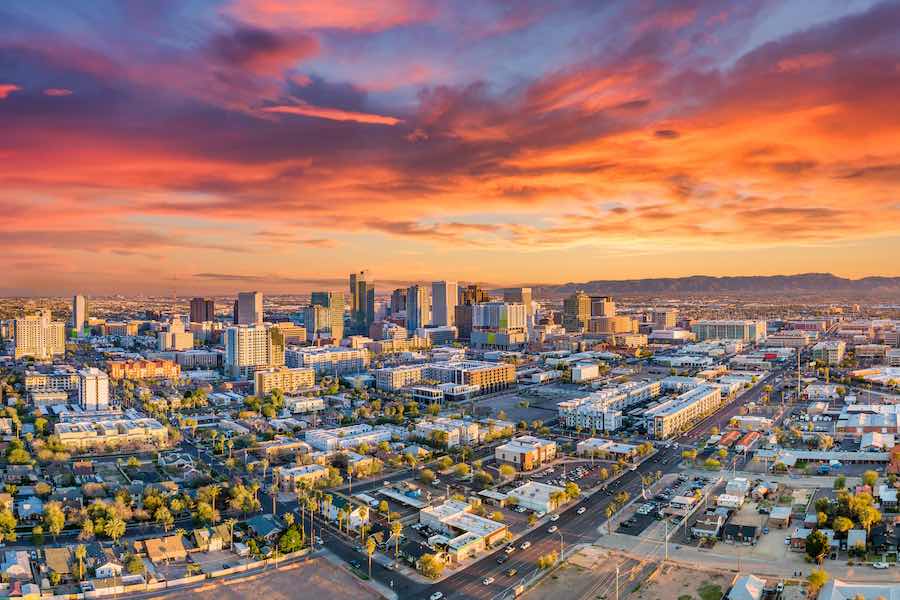
Phoenix, Arizona, often referred to as the Valley of the Sun, stands as a testament to human ingenuity and resilience in a desert environment. This vibrant metropolis has evolved from a humble agricultural community into one of the largest and most dynamic cities in the United States. Its iconic desert landscapes, year-round sunshine, and burgeoning economy draw hundreds of thousands of visitors annually, and an ever-increasing number of new residents. But beyond the allure of its famous resorts and stunning natural beauty, a fundamental question often arises for those looking to understand the true scale and impact of this Southwestern hub: how many people call Phoenix home?
The answer to this question not only reveals the sheer magnitude of the city but also provides critical insights into its growth trajectory, economic vitality, and the unique lifestyle it offers. For travelers, understanding the population helps frame the visitor experience, from the availability of accommodations to the diversity of cultural attractions and the overall energy of the city. For prospective residents, it paints a picture of community, job markets, and urban development. In this comprehensive guide, we’ll delve into the latest population figures, explore the factors driving Phoenix’s remarkable growth, and discuss how its expanding population shapes its identity as a premier destination for travel, accommodation, and an enviable lifestyle.

Phoenix’s Population Snapshot: A Growing Metropolis
Phoenix’s growth story is one of the most compelling narratives in modern urban development. What was once a relatively small city even a few decades ago has exploded in size, climbing the ranks to become a major American population center. This rapid expansion is not merely a statistical anomaly but a reflection of deep-seated trends in migration, economic opportunity, and an attractive quality of life that continues to draw people from across the globe.
Understanding the Latest Census Data
According to recent estimates, the city of Phoenix proper is home to over 1.6 million residents, firmly establishing its position as the fifth-largest city by population in the United States. This places it ahead of other major cities like Philadelphia, San Antonio, and San Diego. However, to truly grasp the scale of human habitation in this region, one must look beyond the city limits to the broader metropolitan area. The Phoenix metropolitan statistical area, which includes all of Maricopa County and parts of Pinal County, boasts a population exceeding 5 million people. This vast urban sprawl encompasses numerous thriving suburban cities such as Mesa, Chandler, Glendale, Scottsdale, Tempe, and Gilbert, each contributing to the region’s dynamic economy and diverse cultural fabric.
The growth has been consistent and impressive. For decades, Phoenix has been one of the fastest-growing major cities in the nation, driven by what is often called the “Sun Belt migration.” People are drawn by the promise of sunshine, relatively lower cost of living compared to coastal hubs, and burgeoning industries. This trend shows little sign of slowing, with experts predicting continued expansion in the coming years.
Demographics: A Diverse Community
The demographic makeup of Phoenix reflects its status as a magnet for people from all walks of life. The city is a vibrant mosaic of cultures, ethnicities, and age groups, contributing to a rich and varied social landscape. A significant portion of the population is Hispanic or Latino, reflecting Arizona’s deep historical and geographical ties to Mexico and Latin America. This influence is palpable in the city’s culinary scene, music, art, and community events, offering an authentic taste of Southwestern culture.
Beyond ethnic diversity, Phoenix also boasts a broad age distribution. While traditionally known as a retirement destination, the city has successfully attracted a younger demographic, including families and young professionals. This influx of diverse populations contributes to a dynamic workforce, fosters innovation, and ensures a lively social scene, making Phoenix a place where both new traditions and long-standing customs thrive.

The Lure of the Valley of the Sun: Why People Choose Phoenix
The sheer number of people living in Phoenix is a direct consequence of its powerful appeal. It’s a city that promises a unique blend of economic opportunity, an enviable lifestyle, and continuous urban development, making it an attractive destination for both permanent relocation and extended visits.
Economic Opportunities and Innovation
Phoenix’s economic landscape is surprisingly diverse, moving far beyond its historical reliance on the “5 C’s” (Copper, Cattle, Cotton, Citrus, and Climate). Today, the city is a significant hub for a range of high-growth industries. Technology, healthcare, aerospace, financial services, and renewable energy are key sectors that fuel job creation and attract skilled professionals. Major tech companies have established significant operations here, drawn by a favorable business climate, a growing talent pool, and relatively lower operational costs compared to Silicon Valley. The healthcare sector is robust, supporting a large network of hospitals and specialized medical facilities. The presence of Arizona State University, one of the largest public universities in the United States, also plays a crucial role in feeding a continuous stream of educated talent into the workforce, further bolstering the region’s innovative spirit. This strong economic foundation provides compelling reasons for individuals and families to make Phoenix their long-term home.
Lifestyle and Quality of Life
Perhaps the most universally cited reason for moving to or visiting Phoenix is its unparalleled lifestyle, largely dictated by its climate and natural surroundings. Boasting over 300 days of sunshine annually, the city offers abundant opportunities for outdoor recreation, particularly during the mild winter months.
- Outdoor Activities: Hiking enthusiasts can explore iconic trails on Camelback Mountain or delve into the expansive network of paths at South Mountain Park and Preserve, one of the largest municipal parks in the United States. Golf is a year-round passion, with hundreds of championship courses scattered throughout the Valley. The unique desert flora and fauna are celebrated at places like the Desert Botanical Garden, offering immersive experiences in Arizona’s natural beauty.
- Cultural Scene: Phoenix offers a surprisingly rich cultural tapestry. The Heard Museum showcases Native American art and culture, while the Phoenix Art Museum hosts diverse collections spanning centuries and continents. Performing arts thrive at venues like the historic Orpheum Theatre and the Symphony Hall.
- Sports: For sports fanatics, Phoenix is a major league city. It’s home to the NBA’s Phoenix Suns, MLB’s Arizona Diamondbacks, and the NFL’s Arizona Cardinals. Beyond professional teams, college sports, particularly Arizona State University athletics, command a passionate local following.
- Dining and Entertainment: From upscale farm-to-table restaurants in Downtown Phoenix to authentic Mexican eateries in historic neighborhoods, the city’s food scene caters to all palates. Craft breweries, trendy cocktail bars, and lively entertainment districts ensure there’s always something to do after the sun sets.
Urban Development and Accessibility
To support its booming population, Phoenix has invested heavily in urban development and infrastructure. A modern freeway system connects the sprawling metropolitan area, while the Valley Metro Rail provides an efficient public transport option through key urban centers like Phoenix, Tempe, and Mesa. This focus on connectivity makes navigating the large city surprisingly manageable.
The Phoenix Sky Harbor International Airport is one of the busiest airports in the United States, serving millions of passengers annually and offering direct flights to major domestic and international destinations. This accessibility is crucial not only for residents but also for the constant stream of business travelers and tourists who contribute significantly to the local economy. The city also boasts impressive architectural landmarks, including Frank Lloyd Wright’s Taliesin West, showcasing a blend of history and innovation in its built environment.
Phoenix as a Travel Destination: Catering to Millions
The robust population of Phoenix is intrinsically linked to its identity as a world-class travel destination. A city capable of housing millions of residents is also adept at hosting millions of visitors, offering an infrastructure and service industry designed to accommodate a diverse range of travel styles and preferences.
Accommodation for Every Traveler
The extensive resident population naturally supports an equally extensive range of accommodation options, from luxury resorts to budget-friendly stays. Whether you’re planning a lavish getaway, a family vacation, a business trip, or a long-term stay, Phoenix has you covered.
- Luxury Resorts: Phoenix and neighboring Scottsdale are renowned for their opulent desert resorts, offering world-class spas, championship golf courses, and stunning views. Iconic properties like The Phoenician, a Luxury Collection Resort, Scottsdale and Arizona Biltmore, A Waldorf Astoria Resort exemplify the high-end travel experience. For those seeking modern elegance in the heart of the city, hotels like the Hyatt Regency Phoenix provide prime access to downtown attractions.
- Boutique Hotels and Mid-Range Options: Beyond the resorts, a thriving market of boutique hotels offers unique experiences, often reflecting local culture and art. Numerous mid-range hotels provide comfortable and convenient stays for families and business travelers, often equipped with amenities like pools and fitness centers.
- Vacation Rentals and Extended Stays: The demand from a large population, coupled with the influx of “snowbirds” seeking winter sunshine, has fueled a robust vacation rental market. From stylish downtown apartments to spacious suburban villas, options for short-term and long-term stays abound, catering to those who prefer the comforts of a home away from home. This is particularly beneficial for visitors planning longer visits, allowing them to immerse themselves more deeply in the local lifestyle.
Attractions and Experiences for a Diverse Audience
The varied tastes of millions of residents directly contribute to the rich array of attractions and activities available to tourists. The presence of a large, diverse population ensures that there are offerings to suit every interest, from family-friendly outings to sophisticated cultural experiences.
- Family Adventures: Destinations like the Phoenix Zoo and the Children’s Museum of Phoenix are staples for families. Water parks and adventure parks also offer relief from the summer heat and year-round excitement.
- Art and History: Beyond the major museums, numerous galleries, historical sites, and architectural marvels (such as Frank Lloyd Wright’s Taliesin West) offer deep dives into Arizona’s past and present.
- Shopping and Dining: From the high-end boutiques and luxury brands at Scottsdale Fashion Square to the eclectic shops and vibrant restaurant scene of Old Town Scottsdale or Roosevelt Row Arts District in Downtown Phoenix, visitors can indulge in retail therapy and culinary exploration. The presence of a large local population means that restaurants cater to diverse palates and trends, from authentic Southwestern fare to international gourmet experiences.
Impact on Local Culture and Tourism
The sheer number of people living in Phoenix fosters a vibrant local culture that enriches the tourism experience. Festivals, concerts, farmers’ markets, and community events are plentiful, offering visitors a chance to engage with the authentic spirit of the city. This large resident base also supports a robust service industry, ensuring that tourists encounter friendly faces and professional service throughout their stay.
Furthermore, the continuous growth encourages sustainable tourism practices. As the population expands, there’s a heightened awareness of preserving Phoenix’s natural beauty and cultural heritage. Efforts are made to manage visitor impact, promote responsible travel, and integrate tourism benefits back into the local community, ensuring that the Valley of the Sun remains an appealing destination for generations to come.
In conclusion, the answer to “How many people live in Phoenix, Arizona?” is far more than a simple number. It’s a key indicator of a thriving, dynamic metropolis that consistently ranks among the fastest-growing cities in the United States. With over 1.6 million residents in the city proper and more than 5 million across its sprawling metropolitan area, Phoenix is a testament to the allure of the desert Southwest. This significant population base underpins its diverse economy, rich lifestyle, and robust tourism industry, making it an extraordinary destination for both those seeking a new home and those embarking on an unforgettable travel adventure. The Valley of the Sun continues to grow, promising an exciting future for all who choose to live, work, or simply visit its sunny shores.