
The question “How many people live in the City of Los Angeles?” might seem like a simple inquiry, a mere numerical fact for a census report. However, for those interested in travel, tourism, accommodation, and the vibrant lifestyle of one of the world’s most dynamic urban centers, the answer transcends a simple statistic. The sheer volume and incredible diversity of Los Angeles‘s population profoundly shape every aspect of the visitor experience, from the culinary delights found on every corner to the array of hotels catering to every taste and budget, and the bustling energy that defines its iconic landmarks.
As of recent estimates, the City of Los Angeles is home to approximately 3.8 to 4 million residents, making it the most populous city in California and the second-most populous in the United States. This impressive figure, however, only tells part of the story. When considering the wider metropolitan area – the Los Angeles-Long Beach-Anaheim metropolitan statistical area (MSA) – the population swells to over 13 million people, creating an expansive urban sprawl that stretches across a vast and diverse landscape. This monumental population base isn’t just a number; it’s the very heartbeat of a global city, driving its economy, shaping its culture, and continuously redefining its identity as a premier travel destination. Understanding this demographic reality is key to truly appreciating the depth and breadth of experiences Los Angeles offers to intrepid explorers and seasoned travelers alike.
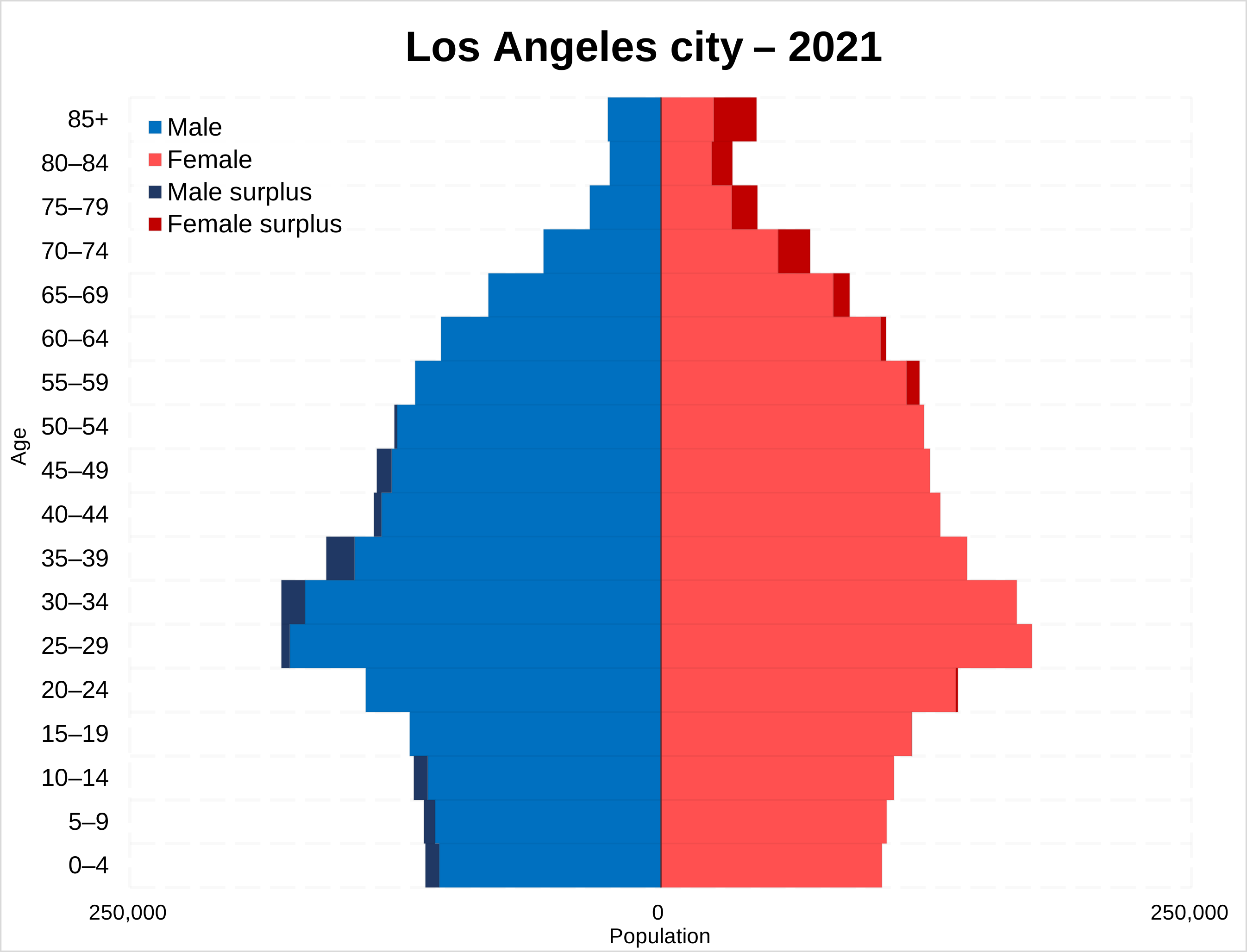
The Numbers Behind the Metropolis: A Demographic Deep Dive
The population statistics of Los Angeles are more than just figures; they represent a living, breathing testament to the city’s role as a global magnet. The persistent growth, even with occasional fluctuations, underscores its appeal as a center for entertainment, technology, trade, and culture. These numbers directly influence urban planning, infrastructure development, and perhaps most importantly for visitors, the very fabric of the city’s tourism and hospitality sectors. A growing population often translates to an expanding array of amenities, services, and attractions designed to cater to both residents and the millions of tourists who flock to the city each year. This makes Los Angeles a constantly evolving destination, where new experiences are always emerging amidst the timeless appeal of its classic sights.
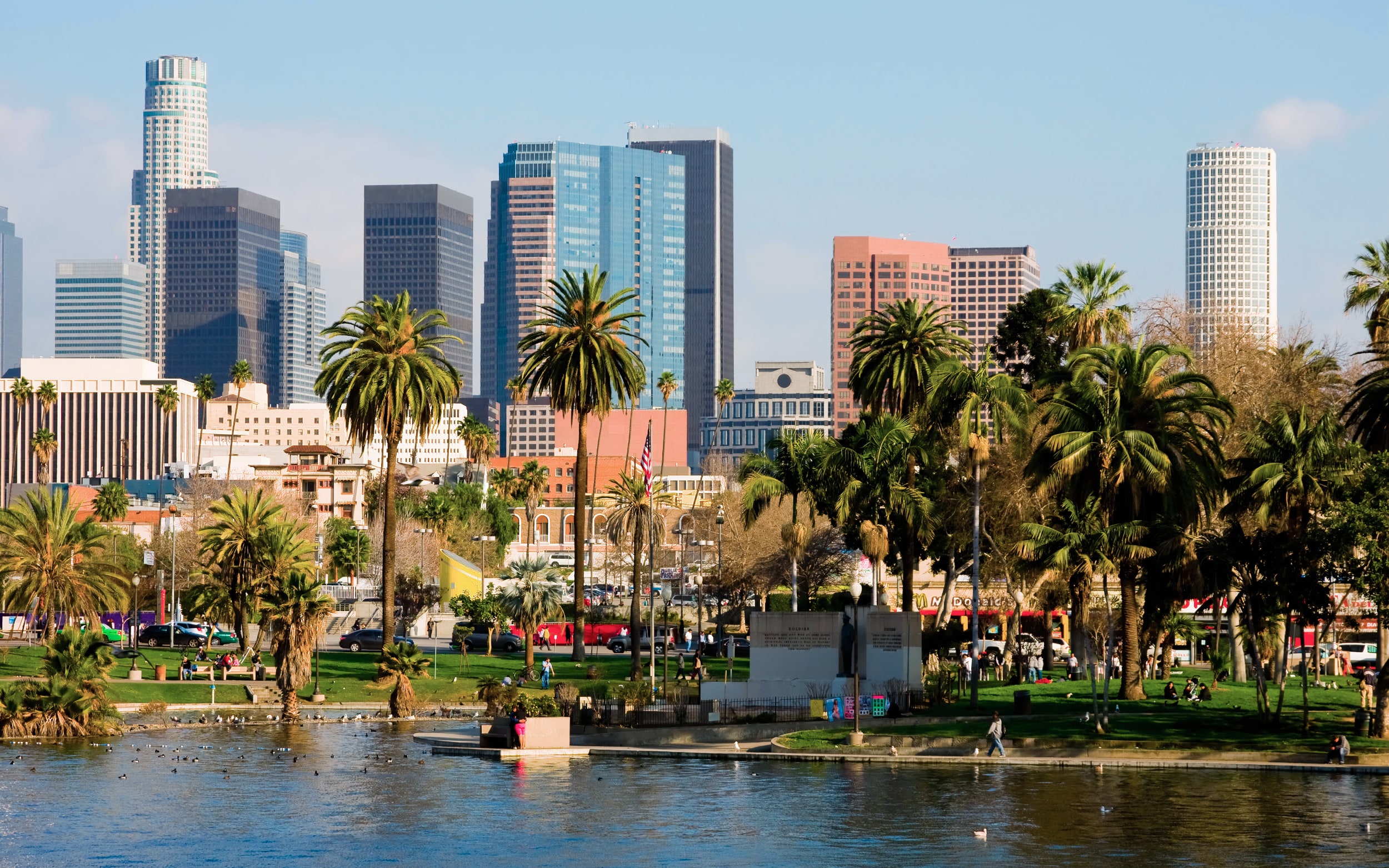
Understanding the City Proper vs. Metro Area
When discussing the population of Los Angeles, it’s crucial to distinguish between the “city proper” and the broader metropolitan area. The City of Los Angeles itself encompasses roughly 4 million individuals, spread across diverse neighborhoods from the sprawling residential areas of the San Fernando Valley to the dense urban core of Downtown Los Angeles, and the coastal enclaves like Venice Beach. This municipality is a complex mosaic, each district possessing its own unique character, history, and appeal.
However, to truly grasp the scale of human life and activity in the region, one must consider the Los Angeles-Long Beach-Anaheim MSA. This vast region extends beyond the city limits, incorporating adjacent cities and communities like Santa Monica, Beverly Hills, Pasadena, and the Orange County cities of Long Beach and Anaheim. This larger area boasts a population exceeding 13 million, making it one of the largest megacities in the world. This distinction is vital for travelers because many of the iconic attractions often associated with “Los Angeles” – such as Disneyland Resort in Anaheim or the vibrant pier of Santa Monica – technically lie outside the municipal boundaries of the City of Los Angeles but are integral to the broader Los Angeles experience. Understanding this geographical spread helps travelers plan their itineraries more effectively, appreciating the distances and diverse offerings within this expansive urban tapestry.
Demographic Tapestry: A Global Crossroads
The truly remarkable aspect of Los Angeles’s population is not just its size, but its unparalleled diversity. It is a genuine global crossroads, a melting pot where over 140 nationalities speak more than 220 languages, making it one of the most linguistically diverse cities on Earth. This rich demographic tapestry is reflected in every facet of the city’s life. Major ethnic groups include significant Hispanic/Latino, Asian, African American, and White populations, alongside numerous smaller communities that each contribute to the city’s vibrant cultural mosaic.
For the traveler, this diversity is an immeasurable asset. It means an extraordinary range of culinary experiences, from authentic Mexican street food in East Los Angeles to Michelin-starred Japanese cuisine in Koreatown or Little Tokyo. It influences the festivals and events held throughout the year, celebrating traditions from around the globe. It shapes the art, music, and fashion scenes, creating a dynamic and constantly evolving cultural landscape. This demographic richness ensures that every visit to Los Angeles can be a journey around the world, all within the confines of one sprawling metropolis. The confluence of cultures fosters an environment of innovation, creativity, and openness, making Los Angeles not just a city, but a living, breathing testament to global interconnectedness.
Population’s Pulse on Tourism and Travel
The colossal population of Los Angeles is intrinsically linked to its stature as a premier global destination. Millions of residents create an enormous demand for services, infrastructure, and entertainment that, in turn, fuels a robust tourism industry. This symbiotic relationship ensures a constant evolution of attractions, a vast selection of accommodations, and a vibrant cultural scene that appeals to both locals and visitors. The sheer number of people living and working in Los Angeles means there’s always something happening, always a new restaurant to try, a gallery to explore, or an event to attend, contributing to an inexhaustible list of reasons to visit. The constant flow of people, whether residents or tourists, generates an energy that is uniquely Angelenos.
The Dynamic Landscape of Los Angeles Tourism
Los Angeles’s substantial population ensures a dynamic and ever-evolving tourism landscape. This human density drives the development of world-class attractions, from theme parks like Universal Studios Hollywood to cultural institutions like The Getty Center and the Los Angeles County Museum of Art (LACMA). The constant influx of residents from diverse backgrounds also means that the city’s offerings are continually refreshed and expanded, moving beyond traditional tourist traps to embrace authentic local experiences. The population sustains a thriving ecosystem of tour operators, guides, and specialized experiences, offering everything from Hollywood studio tours to architectural walks and food tours showcasing the city’s culinary diversity.
The number of people in Los Angeles also has a direct impact on infrastructure. While notorious for its traffic, the city has invested significantly in public transportation expansion, including subway and light rail lines, connecting key areas and making it easier for visitors to navigate the sprawling metropolis. Furthermore, a large population means a higher demand for diverse recreational opportunities, which translates into numerous parks, beaches along the Pacific Ocean, and hiking trails in the surrounding mountains, all easily accessible for visitors seeking an active lifestyle experience. The city’s pulse is quickened by its residents, making it an engaging and bustling place to explore, always promising new discoveries around every corner.
Accommodating Millions: The Hotel and Short-Term Rental Scene
A city with millions of residents, attracting tens of millions of visitors annually, necessitates an extensive and varied accommodation sector. Los Angeles’s population size directly fuels a competitive and diverse hotel market. From opulent luxury resorts in Beverly Hills and West Hollywood like The Beverly Wilshire, A Four Seasons Hotel to chic boutique hotels in Downtown Los Angeles and family-friendly options near theme parks in Anaheim, there is truly a place to stay for every preference and budget. The sheer volume of demand means that hotel chains frequently establish a presence here, offering familiar comforts, while independent establishments thrive by catering to niche markets and unique experiences.
Beyond traditional hotels, the large residential population also supports a robust short-term rental market. Platforms like Airbnb allow visitors to experience Los Angeles like a local, staying in apartments, villas, or guesthouses in various neighborhoods, offering a more immersive and often more affordable alternative to hotels, particularly for longer stays or family trips. This abundance of accommodation options is a direct consequence of the city’s scale, ensuring that whether a traveler seeks five-star pampering or a cozy neighborhood retreat, Los Angeles can readily provide. This extensive choice is a testament to the city’s commitment to hospitality, driven by the needs of both its permanent inhabitants and its transient guests.
Los Angeles Lifestyle: Shaped by its Residents
The multifaceted lifestyle that defines Los Angeles is a direct reflection of its vast and diverse population. The dreams, ambitions, and daily routines of nearly four million people within the city proper, and over thirteen million in the metropolitan area, forge a culture that is both globally influential and distinctively local. This encompasses everything from the city’s legendary entertainment industry to its health-conscious living, its vibrant arts scene, and its distinctive culinary landscape. For visitors, delving into the Los Angeles lifestyle means immersing oneself in this rich tapestry of human experience, which offers a spectrum of activities ranging from high-octane luxury to laid-back bohemian vibes. It is this blend of diverse aspirations that makes Los Angeles such a captivating destination, continually inviting exploration and discovery.
From Hollywood Glamour to Beach Vibes: Diverse Lifestyles
The population of Los Angeles is not monolithic; rather, it’s a collection of distinct communities, each contributing to the city’s kaleidoscopic lifestyle. This demographic breadth means that visitors can encounter radically different atmospheres within a relatively short distance. In Hollywood, the entertainment industry’s heart, the lifestyle is often defined by glamour, ambition, and celebrity sightings, with iconic spots like the Hollywood Walk of Fame and vibrant nightlife on the Sunset Strip. Here, luxury hotels and upscale restaurants cater to a clientele seeking high-end experiences.
Just a short drive away, the coastal communities of Santa Monica and Venice Beach offer a completely different, laid-back beach lifestyle, characterized by surfing, cycling along the boardwalk, and healthy eating. These areas buzz with a bohemian spirit and an emphasis on outdoor activities, reflected in their unique cafes, shops, and accommodations. Meanwhile, Downtown Los Angeles pulsates with urban energy, driven by business professionals, artists, and a burgeoning residential community. Its lifestyle revolves around modern architecture, thriving arts districts, diverse dining, and a burgeoning bar scene. The influence of a large and varied population is evident in these distinct lifestyle pockets, allowing travelers to tailor their experience to match their own preferences, whether they seek luxury travel, budget-friendly adventures, family trips, or business stays.
Exploring Los Angeles’s Landmarks and Hidden Gems
The vast population of Los Angeles not only sustains its world-famous landmarks but also continually uncovers and champions its hidden gems. Iconic sites like the Griffith Observatory, offering panoramic views of the city and the Hollywood Sign, or the Walt Disney Concert Hall with its striking architecture, attract millions annually, a testament to the city’s enduring appeal. These places are not just tourist attractions; they are integral parts of the cultural and recreational life for Angelenos, visited repeatedly by residents for leisure and events.
Beyond these well-known attractions, the diverse population leads to the flourishing of countless “hidden gems” – local eateries, small art galleries, community gardens, and neighborhood festivals that offer a more intimate glimpse into the city’s soul. From the vibrant street art of the Arts District to the serene Japanese gardens in Little Tokyo or the bustling markets of Chinatown, these smaller, often less publicized spots owe their existence and vibrancy to the local communities that cherish them. Even major sports venues like Dodger Stadium and SoFi Stadium are sustained by the passionate local fan bases that make game days an essential part of the Los Angeles experience. For the discerning traveler, discovering these gems offers a deeper, more authentic connection to the city, truly understanding the daily life and passions of its diverse residents. This continuous interaction between the populous and its environment ensures that Los Angeles remains a treasure trove of experiences, always offering something new to explore.
In conclusion, the question of “How many people live in the City of Los Angeles?” reveals far more than just a census figure. It unveils the very essence of a global metropolis, whose immense and incredibly diverse population acts as the central engine driving its vibrant travel, tourism, accommodation, landmarks, and lifestyle offerings. From the unparalleled culinary scene born from a melting pot of cultures to the vast array of hotels and short-term rentals catering to every need, and the distinct lifestyles found from Hollywood to the Pacific Ocean beaches, every aspect of Los Angeles is profoundly shaped by the millions who call it home. This demographic powerhouse ensures that a visit to Los Angeles is not just a trip to a city, but an immersive journey into a dynamic, ever-evolving world shaped by human ambition, creativity, and diversity.
LifeOutOfTheBox is a participant in the Amazon Services LLC Associates Program, an affiliate advertising program designed to provide a means for sites to earn advertising fees by advertising and linking to Amazon.com. Amazon, the Amazon logo, AmazonSupply, and the AmazonSupply logo are trademarks of Amazon.com, Inc. or its affiliates. As an Amazon Associate we earn affiliate commissions from qualifying purchases.