
The San Francisco Bay Area is a vibrant tapestry of bustling cities, iconic landmarks, and breathtaking natural beauty, drawing millions of visitors each year. To truly appreciate the scale and character of this dynamic region, understanding its population is key. It’s not just about counting heads; it’s about grasping the human element that fuels its innovation, culture, and unique lifestyle. The sheer density and diversity of people living here directly influence everything from the available accommodation options to the richness of its local culture and the breadth of its tourism offerings. This article delves into the population dynamics of the San Francisco Bay Area, offering insights crucial for anyone planning a visit, considering a long-term stay, or simply seeking to comprehend this globally significant metropolitan hub.

Understanding the Bay Area’s Population Landscape
The San Francisco Bay Area, often simply referred to as the Bay Area, is a sprawling conurbation encompassing nine counties: Alameda, Contra Costa, Marin, Napa, San Francisco, San Mateo, Santa Clara, Solano, and Sonoma. Each of these counties possesses its distinct demographic profile, contributing to the overall population mosaic. Pinpointing an exact, static number for the Bay Area’s population is challenging due to the constant flux of residents and the differing definitions of the “Bay Area” itself. However, reliable estimates provide a clear picture of its immense human scale.
Official Census Data and Projections
According to the most recent decennial census conducted by the U.S. Census Bureau, the population of the San Francisco Bay Area stands at millions. This data forms the bedrock for understanding regional demographics. However, populations are not static. Projections based on birth rates, death rates, and migration patterns offer a more current snapshot. These projections consistently indicate a population well into the seven-figure range, making it one of the most populous metropolitan areas in the United States.
The concentration of population is not uniform. Santa Clara County, home to Silicon Valley, and Alameda County, with its major cities like Oakland, tend to have the highest population densities. Conversely, counties like Napa and Sonoma, known for their wine country, are more sparsely populated, though they still contribute significantly to the region’s overall appeal and economic output.
Defining the “Bay Area” for Population Counts
The definition of the “Bay Area” can influence population figures. When geographers and demographers speak of the Bay Area, they often refer to the federally recognized San Jose-San Francisco-Oakland, California Combined Statistical Area (CSA). This expansive area includes the nine counties mentioned earlier and is designed to capture the economic and social interconnectedness of the region. Other, more restrictive definitions might focus solely on the immediate urban core, excluding the outer counties. For the purposes of understanding the comprehensive human landscape that shapes tourism and accommodation, the broader CSA definition is most relevant, encompassing the full spectrum of experiences available to visitors and residents alike. This broader definition acknowledges the extensive commuter networks and the shared cultural and economic influences that bind the entire region.
Population Trends and Growth Factors
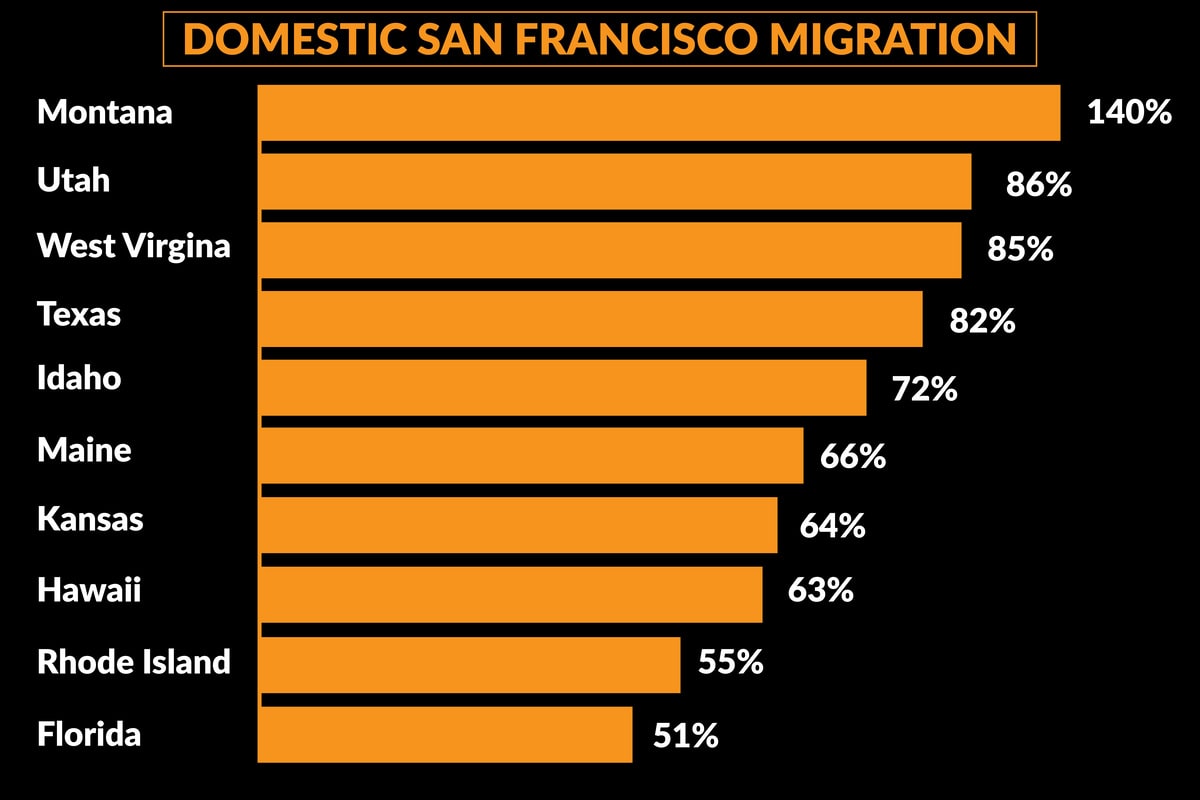
The Bay Area has historically been a magnet for people seeking opportunity, particularly in the technology sector. This ongoing influx of professionals, entrepreneurs, and their families is a primary driver of population growth. However, the region also faces challenges related to housing affordability and cost of living, which can moderate growth rates and even lead to out-migration for some. Understanding these trends is crucial for businesses, policymakers, and anyone considering long-term stays or investments in the area, as it directly impacts the availability and pricing of hotels, apartments, and other accommodation types. The constant demand, coupled with limited space, creates a dynamic market for both short-term tourist stays and long-term residential leases.
The Human Impact on Tourism and Accommodation
The sheer number of people living in the San Francisco Bay Area profoundly influences its tourism sector and the availability of accommodation. A large, diverse, and often affluent population creates a robust local demand for attractions, dining, and entertainment, complementing the influx of international and domestic tourists. This dual demand significantly shapes the hospitality industry.
A Thriving Local Market for Tourism
The residents of the Bay Area are not just hosts to tourists; they are also active participants in the region’s tourism. From weekend getaways to wine country (Napa Valley, Sonoma Valley) to exploring the cultural offerings of San Francisco or catching a game at Oracle Park, locals contribute substantially to the visitor economy. This local demand means that attractions, restaurants, and event venues are often busy year-round, offering a vibrant atmosphere for all visitors. For tourists, this translates into a lively and authentic experience, with a rich array of activities catering to a wide range of interests.

Diverse Accommodation Needs
The population density and economic diversity of the Bay Area necessitate a wide array of accommodation options. For tourists, this means everything from luxury hotels in San Francisco and Palo Alto to boutique inns in wine country and more budget-friendly options further afield. The demand for short-term stays is immense, supporting a vast hotel industry, including major chains like Marriott, Hilton, and Hyatt, as well as independent establishments.
Beyond hotels, the growing popularity of vacation rentals and serviced apartments caters to longer stays, family trips, and business travelers seeking more space and amenities. The presence of a significant business travel segment, fueled by the tech industry and convention centers, further drives demand for specialized accommodation, including extended-stay hotels and corporate housing. The sheer volume of residents also creates a constant demand for rental apartments, contributing to a competitive housing market that indirectly affects the pricing and availability of tourist accommodation.
The Influence on Local Culture and Activities
The people who live in the Bay Area are the custodians and creators of its unique culture. The region’s diverse population, a result of historical immigration patterns and continued global talent attraction, has fostered an environment rich in culinary innovation, artistic expression, and progressive social movements. This cultural dynamism is a major draw for tourists. From the Michelin-starred restaurants in San Francisco to the independent art galleries in Oakland and the vibrant street festivals in various neighborhoods, the local culture is an integral part of the Bay Area experience.
The population’s engagement with outdoor activities also shapes tourism. The abundant natural landscapes, from the Marin Headlands to the beaches of Pacifica, are utilized by residents and appreciated by visitors. This shared appreciation for nature encourages the development of hiking trails, parks, and scenic drives, further enhancing the region’s appeal.
Notable Cities and Their Population Contributions
Each city within the San Francisco Bay Area contributes to the region’s demographic makeup and offers unique facets of the Bay Area experience for both residents and visitors. Understanding these individual urban centers provides a more granular perspective on the overall population.
San Francisco: The Iconic Heart
San Francisco, the city and county by the same name, is the most densely populated and perhaps the most globally recognized city in the Bay Area. Its iconic landmarks, such as the Golden Gate Bridge, Alcatraz Island, and the Transamerica Pyramid, are world-renowned. The city boasts a significant resident population that fuels its vibrant cultural scene, world-class dining, and bustling nightlife. For tourists, San Francisco offers an unparalleled urban experience, with a vast range of hotels, from historic grand dames to sleek modern establishments, catering to every preference and budget. The sheer number of people living within its compact geography means constant activity and a dynamic atmosphere.
San Jose: The Capital of Silicon Valley
San Jose, the largest city in the Bay Area by population, is the unofficial capital of Silicon Valley. Its population is driven by the presence of numerous technology companies and a highly educated workforce. While perhaps less globally famous for its immediate tourist attractions compared to San Francisco, San Jose offers significant appeal for business travelers and those interested in the innovation economy. Its hotels cater largely to the business sector, offering modern amenities and convenient access to corporate offices. However, San Jose also boasts a growing cultural scene, with museums like the San Jose Museum of Art and a lively downtown area that is increasingly attracting leisure visitors.
Oakland: The Vibrant East Bay Hub
Across the bay from San Francisco, Oakland is a large, diverse, and culturally rich city. Its population is a mix of long-time residents and newcomers drawn by its affordability and vibrant arts and music scene. Oakland offers a different, perhaps more eclectic, urban experience than its famous neighbor. Its waterfront, historic architecture, and burgeoning culinary landscape are increasingly drawing tourists. The city provides a range of accommodation options, often at more accessible price points than San Francisco, making it an attractive base for exploring the wider Bay Area. The Oakland Museum of California is a must-visit for understanding the region’s history and culture.
Other Significant Population Centers
Beyond these major hubs, numerous other cities and towns contribute to the Bay Area’s population and character. Fremont in Alameda County is a rapidly growing city with a strong industrial and technological base. Sunnyvale and Santa Clara in Santa Clara County are integral parts of Silicon Valley. The wine country counties of Napa and Sonoma have smaller populations but attract millions of visitors annually to their renowned vineyards and charming towns like Napa, Sonoma, and Healdsburg. Each of these areas offers unique visitor experiences and accommodation, from vineyard resorts to quaint bed and breakfasts, all contributing to the rich tapestry of the Bay Area’s human geography. The presence of these diverse communities, each with its own rhythm and attractions, makes the San Francisco Bay Area a multifaceted destination.
LifeOutOfTheBox is a participant in the Amazon Services LLC Associates Program, an affiliate advertising program designed to provide a means for sites to earn advertising fees by advertising and linking to Amazon.com. Amazon, the Amazon logo, AmazonSupply, and the AmazonSupply logo are trademarks of Amazon.com, Inc. or its affiliates. As an Amazon Associate we earn affiliate commissions from qualifying purchases.