
Alaska, often dubbed “The Last Frontier,” captivates the imagination with its vast, untamed wilderness, majestic mountains, and abundant wildlife. For many aspiring travelers, the allure lies precisely in its remoteness and the promise of escaping the crowded confines of modern life. However, understanding the human footprint in this colossal state is crucial for truly appreciating its unique character as a travel destination. The question, “How many people live in the state of Alaska?” is more than just a demographic query; it’s an insight into the very essence of what makes this state unlike any other and profoundly shapes the travel experience it offers.

With a land area exceeding 665,000 square miles, Alaska is by far the largest state in the United States. To put this into perspective, it’s roughly 2.5 times the size of Texas and larger than all but 18 sovereign countries in the world. Yet, despite its immense scale, its human population remains remarkably sparse. This demographic reality is a cornerstone of Alaska’s identity and directly influences everything from its infrastructure and accessibility to the cultural fabric and the very types of experiences available to visitors.
This article delves into the population dynamics of Alaska, exploring the numbers, their distribution, and what these figures mean for anyone planning an unforgettable journey to the far north. By understanding the state’s population landscape, travelers can better appreciate the challenges and rewards of exploring one of the planet’s most magnificent wild places.
The Human Footprint: Alaska’s Population Snapshot
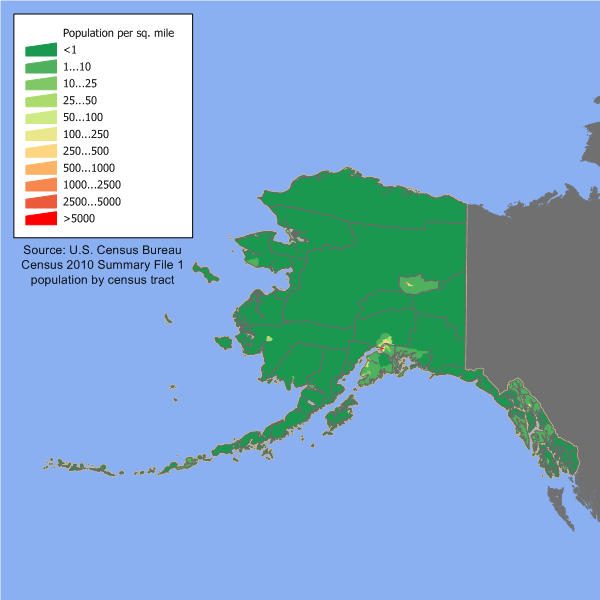
The most striking feature of Alaska’s demography is its remarkably low population density. While figures fluctuate slightly year to year, the state’s population generally hovers around 730,000 to 740,000 people. To contextualize this, this means there are typically fewer people living in the entire state of Alaska than in many major metropolitan areas within the contiguous United States, such as Boston or San Francisco. When you consider its immense geographical size, this translates to an average of just over one person per square mile, making Alaska the least densely populated state in the nation.
This sparsity is not accidental but a product of Alaska’s challenging environment, unique economic drivers, and historical development. The state’s population has seen periods of rapid growth, particularly during resource booms like the Klondike Gold Rush and the construction of the Trans-Alaska Pipeline System in the 1970s. However, in recent decades, growth has been modest, and at times, the state has experienced net out-migration, as economic opportunities shift and the cost of living remains high.
Demographic Tapestry: A Diverse Frontier
Despite its relatively small population, Alaska is surprisingly diverse. The state boasts the highest percentage of Alaskan Native and American Indian residents of any U.S. state, comprising over 15% of its total population. These indigenous communities, with their rich cultures and ancestral ties to the land, are integral to the state’s identity and offer profound insights for travelers interested in history, tradition, and environmental stewardship. From the Inupiat of the Arctic Slope to the Tlingit and Haida of the Southeast Panhandle, their influence is felt across the state.
Beyond the Alaskan Native population, Alaska is also home to a significant military presence, particularly around Anchorage and Fairbanks, which contributes to a transient yet vibrant demographic. Fishing, oil and gas, and tourism industries also draw workers from across the United States and internationally, adding to the state’s cultural mosaic. This blend of long-standing indigenous traditions, frontier individualism, and modern influences creates a unique societal fabric that can be both welcoming and fiercely independent.
Where Alaskans Live: Pockets of Civilization in the Vastness
The notion that Alaska is a homogeneous expanse of wilderness is quickly dispelled when examining its population distribution. While the state is immense, its inhabitants are concentrated in specific areas, largely dictated by geography, resources, and transportation. Understanding these population hubs and the vast stretches between them is key to planning a successful Alaskan adventure.
The Urban Anchors: Anchorage, Fairbanks, and Juneau
More than half of Alaska’s population resides in just one city: Anchorage. With a population of over 280,000, Anchorage serves as the state’s economic and transportation hub, offering the most extensive range of services, dining, and accommodations. It acts as the primary gateway for many travelers, providing easy access to Denali National Park, the Kenai Peninsula, and other central Alaskan attractions.
Further north, Fairbanks is the second-largest city, home to around 30,000 people (with a larger surrounding borough population). Known as the “Golden Heart City,” Fairbanks is a crucial center for interior Alaska, serving as a base for exploring the Arctic Circle, witnessing the Northern Lights, and accessing remote villages.
The state capital, Juneau, is unique in that it’s the only U.S. state capital inaccessible by road. Located in the Southeast Panhandle, it’s reachable only by air or sea. With a population of just over 30,000, Juneau is a popular cruise ship destination, offering access to glaciers, temperate rainforests, and a vibrant local culture distinct from that of interior Alaska.
These three urban centers are critical for travelers, providing essential infrastructure and services. However, they represent mere specks on the vast Alaskan map, with immense distances and minimal human habitation between them.
Remote Communities and the Bush
Beyond these main cities, Alaska is dotted with hundreds of smaller towns and villages, many of them remote and accessible only by plane or boat. Communities like Kodiak, Sitka, Nome, and Utqiagvik (formerly Barrow) each have their own unique character, often deeply rooted in fishing, subsistence living, or indigenous traditions. Visiting these “bush” communities offers an unparalleled glimpse into authentic Alaskan life, though it requires more careful planning and often involves small regional airlines.

The low population in these areas means that amenities are fewer, and travelers must often be self-sufficient or rely on specialized tour operators. This dispersion of people underscores the need for robust planning when venturing off the beaten path, as distances are vast and services can be hours or even days away.
What Alaska’s Population Means for Travelers
The demographic realities of Alaska are not just interesting statistics; they fundamentally shape the experience of traveling through this incredible state. For many, the sparse population is precisely the draw, offering unparalleled opportunities for solitude and immersion in nature.
Unrivaled Wilderness and Solitude
The most direct implication of Alaska’s low population is the abundance of untouched wilderness. Travelers seeking to escape crowds will find solace in Alaska’s vast national parks, forests, and wildlife refuges, where the chances of encountering wildlife far outweigh the chances of encountering other people. Whether hiking through Denali National Park, kayaking in the Inside Passage, or simply driving along its scenic byways, the sense of vastness and isolation is ever-present. This makes Alaska an ideal destination for adventure tourism, wildlife viewing, and truly disconnecting from the hustle and bustle.
Unique Cultural Encounters
The distinct population distribution also fosters unique cultural dynamics. In the more populous areas like Anchorage and Fairbanks, travelers can experience a blend of frontier spirit and modern amenities. However, venturing into smaller towns and Alaskan Native villages provides deeper cultural immersion. These communities often maintain strong ties to traditional practices, art forms, and languages, offering visitors opportunities to learn about whaling, totem carving, potlatch ceremonies, and other facets of indigenous life that are rare elsewhere. The relative isolation of these communities has helped preserve cultural authenticity, making them invaluable destinations for those seeking genuine cultural exchange.
Infrastructure and Accessibility: A Different Kind of Planning
A direct consequence of a small, distributed population in a massive state is the unique challenge of infrastructure and accessibility. Unlike the lower 48, road networks in Alaska are limited, primarily connecting the major population centers. Many regions, especially the Southeast Panhandle and the far north, are only accessible by air or sea. This necessitates a different approach to travel planning.
- Air Travel: Small plane charters and regional airlines are the lifeblood of much of Alaska, providing access to remote lodges, fishing camps, and villages. This type of travel can be an adventure in itself, offering breathtaking aerial views.
- Marine Travel: Alaska Marine Highway System ferries connect many coastal communities, particularly in the Inside Passage. Cruise ships are also a popular way to explore the scenic coastal areas without extensive land travel.
- Limited Roadways: While there are iconic drives like the Parks Highway to Denali or the Seward Highway along the Turnagain Arm, many incredible regions remain beyond the reach of conventional vehicles. This means travelers must often rely on guided tours, bush planes, or water taxis to reach their desired destinations.
The sparse population also means that services like gas stations, grocery stores, and medical facilities can be few and far between outside of major towns. This requires travelers to be well-prepared, carry essential supplies, and always inform others of their travel plans, especially when venturing into remote areas.
Factors Influencing Alaska’s Population Dynamics
Several factors contribute to Alaska’s unique population profile, offering additional insights for travelers into the state’s economic and social landscape.
Economic Drivers: Resources and Opportunities
Historically, Alaska’s population has surged with resource booms. The oil and gas industry, particularly on the North Slope Borough, has been a major employer and revenue generator, attracting workers from across the globe. Fishing, another cornerstone of the Alaskan economy, supports countless coastal communities. In recent decades, tourism has grown significantly, providing seasonal employment and drawing new residents to support its infrastructure. The military also plays a substantial role, with major bases contributing to local populations and economies. These industries create job opportunities that draw people to Alaska, often for specific periods, leading to a dynamic and sometimes transient population.
Migration Patterns: The Coming and Going
Alaska experiences constant migration. Many come seeking adventure, high-paying jobs in resource sectors, or a lifestyle deeply connected to nature. However, the harsh climate, high cost of living, and distance from family in the lower 48 states can also lead to out-migration. This ebb and flow keep Alaska’s population numbers relatively stable but also ensure a vibrant, ever-changing community of individuals drawn to “The Last Frontier.” Travelers might encounter these seasonal workers or long-term residents with diverse backgrounds, all contributing to the state’s unique character.
Climate and Environment: The Ultimate Filter
Ultimately, Alaska’s environment itself acts as the primary filter for its population. The extreme cold, vast glaciers, rugged mountains, and long periods of darkness in winter are not for everyone. Those who choose to live here embrace a lifestyle that demands resilience, self-reliance, and a deep appreciation for nature. This shared experience often fosters a strong sense of community and camaraderie among Alaskans, a spirit that is often extended to respectful visitors.
In conclusion, the answer to “How many people live in the state of Alaska?” is a modest figure of around 730,000 to 740,000. But more importantly, this number serves as a powerful lens through which to understand and appreciate Alaska as a travel destination. It explains the vast, untouched wilderness, the unique cultural pockets, and the adventures that await those willing to venture beyond the conventional. Traveling to Alaska isn’t just about seeing incredible landscapes; it’s about experiencing a place where humanity’s footprint is purposefully light, allowing nature to reign supreme, and offering a profound connection to a truly wild frontier.
LifeOutOfTheBox is a participant in the Amazon Services LLC Associates Program, an affiliate advertising program designed to provide a means for sites to earn advertising fees by advertising and linking to Amazon.com. Amazon, the Amazon logo, AmazonSupply, and the AmazonSupply logo are trademarks of Amazon.com, Inc. or its affiliates. As an Amazon Associate we earn affiliate commissions from qualifying purchases.