
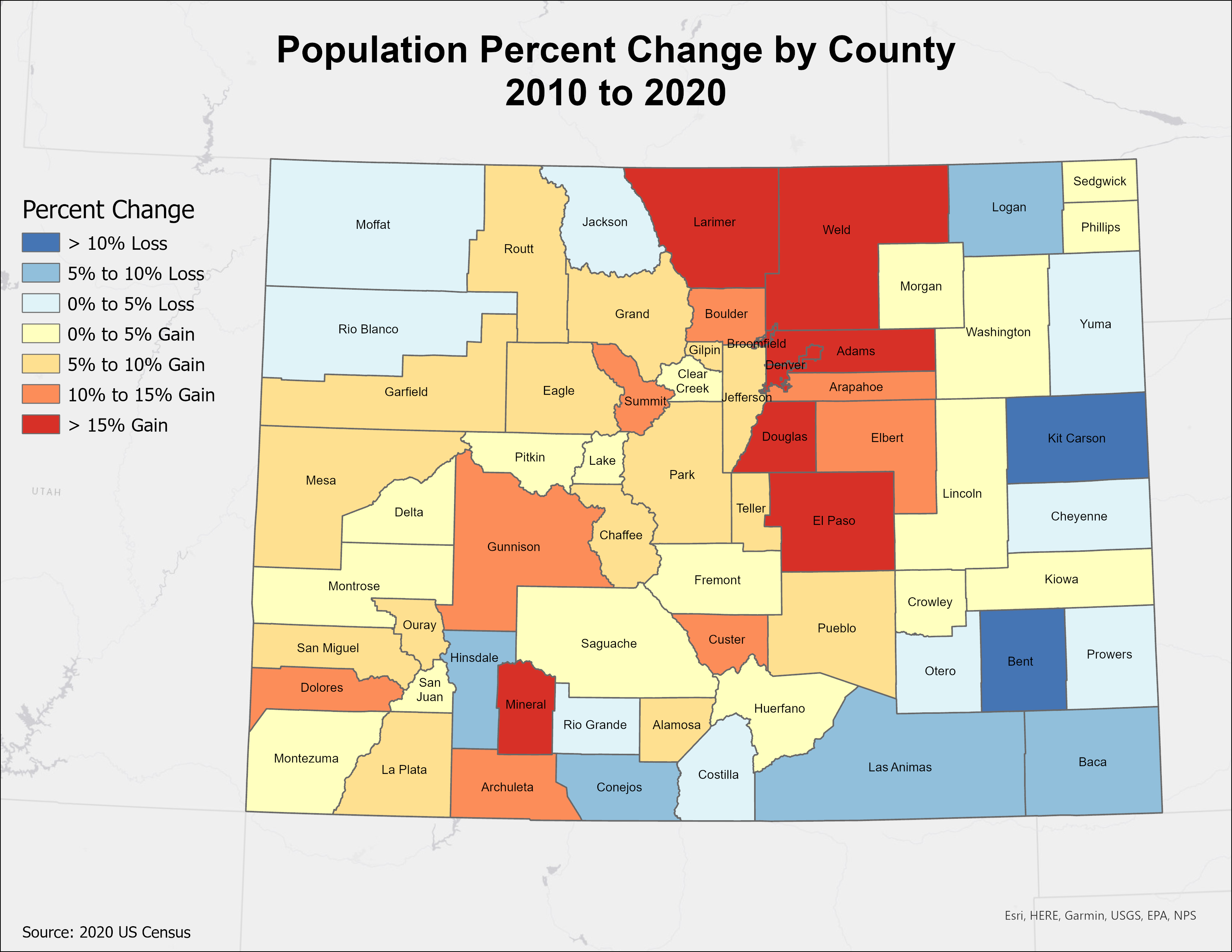
The population of a state is far more than just a number; it is a foundational element that shapes its character, infrastructure, and ultimately, the experiences it offers to travelers. In the case of Colorado, understanding its resident population is key to unlocking a richer appreciation of its diverse travel landscape, from bustling urban centers to serene mountain retreats. As of recent estimates, the population of Colorado hovers around 5.8 to 5.9 million people, a figure that has seen consistent growth over the past decades. This demographic reality influences everything from the availability of local amenities and the vibrancy of its cultural scene to the very accessibility of its world-renowned natural wonders.
Colorado’s Population Snapshot: A Dynamic Landscape for Travelers
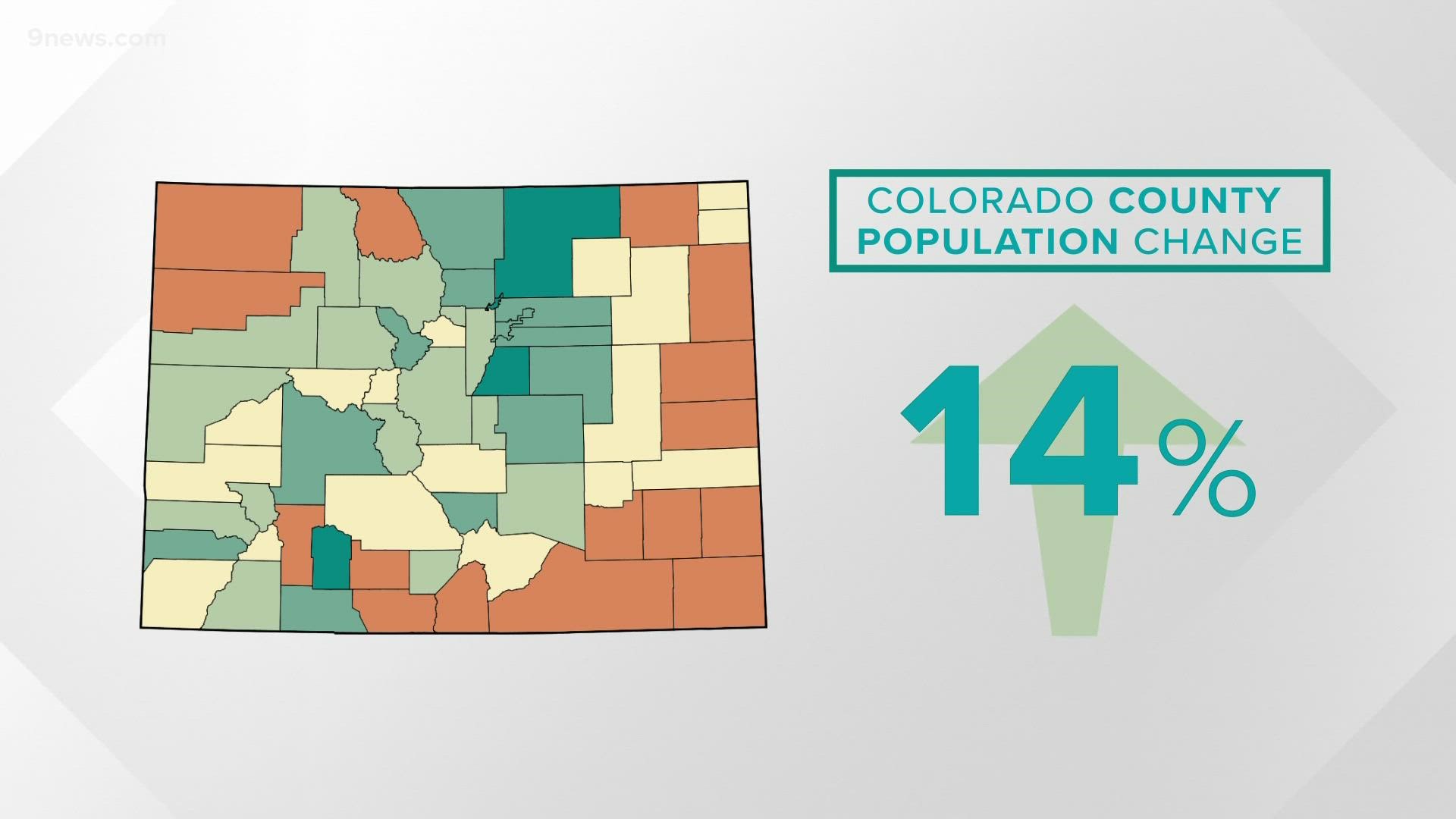
Colorado’s dynamic population growth has significantly reshaped its identity, making it one of the fastest-growing states in the U.S.. This growth is largely concentrated along the Front Range, a corridor stretching from Pueblo in the south to Fort Collins in the north, encompassing major cities like Denver, Colorado Springs, and Boulder. For travelers, this concentration means that urban adventures are robust and varied, offering a wealth of cultural institutions, diverse culinary scenes, and lively entertainment options.
The influx of new residents has also brought a fresh wave of innovation and diversity, enriching the local tapestry that visitors encounter. Denver, as the capital and largest city, exemplifies this phenomenon. Its population boom has fueled a renaissance in its downtown core, leading to an explosion of new hotels, restaurants, breweries, and art galleries. This vibrancy spills over into the tourist experience, ensuring there’s always something new to explore. Similarly, Colorado Springs, nestled at the foot of Pikes Peak, leverages its growing population to expand its offerings beyond natural beauty, developing new attractions and enhancing existing ones like the Garden of the Gods with improved visitor amenities. Understanding where the majority of Coloradans reside helps travelers anticipate where they might find the most activity and the most comprehensive range of services.
Urban Hubs and Their Travel Appeal
The major urban centers of Colorado, primarily clustered along the Front Range, derive much of their travel appeal from their concentrated populations. These areas serve as vibrant cultural and economic engines, directly influencing the quality and variety of experiences available to visitors.
Denver’s Metropolitan Allure
Denver, with over 700,000 residents in the city proper and nearly 3 million in the broader metropolitan area, is a prime example of how population density creates a dynamic travel destination. The city’s growth has fostered an incredible culinary scene, ranging from Michelin-starred restaurants to innovative food halls, all reflecting the diverse tastes of its inhabitants. Arts and culture thrive here, supported by a large audience base, with institutions like the Denver Art Museum, the Denver Center for the Performing Arts, and iconic venues such as Red Rocks Amphitheatre offering world-class entertainment. Travelers benefit from extensive public transportation options, including light rail connecting various neighborhoods and the Denver International Airport (DIA) to downtown, making urban exploration convenient.
Boulder and Colorado Springs: Blending Urbanity with Nature
Further north, Boulder offers a unique blend of intellectual vibrancy, outdoor recreation, and a distinct community spirit shaped by its approximately 100,000 residents and the presence of the University of Colorado Boulder. Its lively Pearl Street Mall, diverse dining options, and immediate access to extensive hiking and biking trails are direct results of a population that values both urban sophistication and an active, healthy lifestyle.
To the south, Colorado Springs boasts a population approaching half a million, providing a robust base for its tourism industry. The city acts as a gateway to natural wonders like Pikes Peak and the Garden of the Gods, but its growing population also supports a thriving downtown district, a variety of museums, and diverse culinary experiences, ensuring that visitors have more to enjoy than just the scenic outdoors. These cities demonstrate how a significant population base provides the necessary infrastructure and cultural depth to elevate the travel experience.

Rural Colorado: Vast Spaces and Unique Journeys
Beyond the bustling urban centers, the vast majority of Colorado’s landmass is sparsely populated, offering a dramatic contrast to the Front Range. This low population density in rural areas is precisely what defines some of the state’s most coveted travel experiences, particularly for those seeking solitude, natural beauty, and outdoor adventure.
The majestic Rocky Mountains, the Western Slope, and the Eastern Plains are home to small towns and vast expanses where human presence is minimal. This demographic reality translates into unparalleled opportunities for nature-focused travel. National parks such as Rocky Mountain National Park, Great Sand Dunes National Park, and Mesa Verde National Park thrive in these less-populated regions, offering breathtaking vistas, diverse ecosystems, and a sense of unspoiled wilderness that would be impossible in more crowded settings. Travelers can engage in hiking, skiing, whitewater rafting, camping, and wildlife viewing without the constant presence of large crowds, providing a truly immersive natural escape.
However, the lower population density in these areas also has practical implications for travelers. Services and amenities, while often charming and locally authentic, may be less numerous or spread out compared to urban areas. Accommodation might lean towards rustic cabins, boutique inns, or limited chain hotels, and dining options might be more restricted to local eateries. Planning ahead for fuel, food, and lodging is crucial when venturing into these remote, less-populated parts of Colorado. This contrast highlights how the distribution of Colorado’s population directly shapes the type of travel experience one can expect, from highly serviced urban hubs to truly off-the-be-grid adventures.
Population Growth and Travel Infrastructure
Colorado’s consistent population growth has placed both opportunities and challenges on its travel infrastructure, directly impacting how visitors navigate and experience the state. The increase in residents necessitates expanded services and facilities, which in turn benefits tourism, but it also means greater demand on existing resources.
One primary impact is on transportation. The Denver International Airport (DIA), already one of the busiest airports in the world, continues to expand to accommodate both residents and the ever-growing number of tourists. This ensures robust air connectivity but can also lead to increased traffic and longer wait times during peak seasons. Roadways, particularly major arteries like Interstate 70 (I-70), which provides critical access to mountain resorts such as Vail and Aspen, experience significant congestion, especially on weekends and holidays. State and local governments are continually investing in infrastructure projects, from widening roads to improving public transit options, to mitigate these impacts, but travelers should factor potential delays into their itineraries.
Furthermore, the growth in population contributes to the development of new hospitality options and services. More residents mean a larger workforce to support the tourism industry, leading to new hotels, restaurants, and entertainment venues across various price points. However, this growth also puts pressure on popular tourist spots, potentially leading to crowded trails, full parking lots, and longer lines at attractions, particularly in iconic areas like Rocky Mountain National Park. In response, many areas are implementing sustainable tourism practices, such as timed entry systems and educational campaigns, to manage visitor flow and preserve natural resources. Travelers who are aware of these dynamics can plan smarter, perhaps opting for off-peak travel times or exploring lesser-known gems to enjoy a more serene experience.
The Colorado Lifestyle: Influencing Visitor Experiences
The lifestyle embraced by Colorado’s nearly 6 million residents is profoundly intertwined with the travel experiences available to visitors. The state has cultivated a reputation for outdoor recreation, health, and wellness, reflecting the values of its population. This pervasive lifestyle choice shapes the types of businesses, activities, and overall atmosphere that travelers encounter.
Coloradans are famously active, drawn by the state’s incredible natural playground. This translates into an abundance of outdoor-oriented services and facilities catering to all levels of adventure. From world-class ski resorts to an extensive network of hiking and biking trails, gear rental shops, and adventure tour operators, the infrastructure for outdoor pursuits is robust and highly developed. Travelers benefit directly from this, finding it easy to access equipment, guides, and well-maintained public lands for their own explorations.
Moreover, the emphasis on healthy living extends beyond physical activity. Colorado has a thriving natural and organic food scene, a plethora of farmers’ markets, and an increasing number of wellness retreats and spas, all supported by a population that prioritizes these aspects. The craft beer and spirits industry has also exploded, reflecting a local appreciation for artisan products and social gatherings. This vibrant local culture provides a rich backdrop for visitors, allowing them to immerse themselves in authentic Colorado experiences rather than just observing from afar. The welcoming, active, and forward-thinking spirit of its people makes Colorado not just a place to visit, but a lifestyle to briefly inhabit, offering a deeper, more engaging travel experience shaped by its unique population.
LifeOutOfTheBox is a participant in the Amazon Services LLC Associates Program, an affiliate advertising program designed to provide a means for sites to earn advertising fees by advertising and linking to Amazon.com. Amazon, the Amazon logo, AmazonSupply, and the AmazonSupply logo are trademarks of Amazon.com, Inc. or its affiliates. As an Amazon Associate we earn affiliate commissions from qualifying purchases.