
Montana, often affectionately known as the “Treasure State” or “Big Sky Country,” evokes images of vast, unspoiled wilderness, towering mountain peaks, and an independent spirit. For travelers seeking adventure, solitude, or a unique cultural experience, understanding the demographic landscape of this incredible state is key. It helps to contextualize everything from the availability of accommodations to the vibrancy of local communities and the accessibility of its legendary landmarks. So, how many people truly call this expansive land home?
Montana’s Demographic Tapestry: Current Figures and Unique Character
At its heart, the question of “How many people live in Montana?” reveals a defining characteristic of the state: its remarkably low population density. Despite being the fourth-largest state by land area in the United States, Montana remains one of the least populated. This fundamental aspect shapes much of the travel experience, from the serene, uncrowded trails of its national parks to the close-knit feel of its small towns.
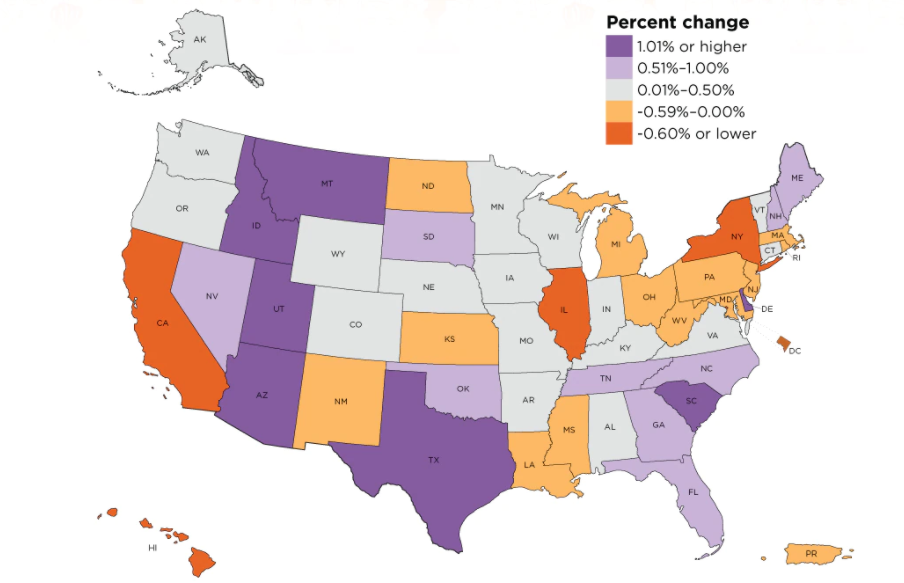
Population Estimates and Growth Trends
According to recent U.S. Census Bureau estimates, the population of Montana hovers around 1.14 million people. This figure, while growing steadily, especially in certain areas, still translates to an average of roughly 7-8 people per square mile. To put that into perspective, states like New Jersey have over 1,200 people per square mile. This sparse distribution is a primary draw for many visitors, offering a sense of openness and freedom rarely found elsewhere.
The state has experienced significant population growth in recent years, a trend accelerated by a desire for more space, a slower pace of life, and the allure of its natural beauty. This growth is predominantly concentrated in specific regions, particularly around the larger cities and recreational hubs. This influx of new residents, while bringing economic vitality, also presents challenges and opportunities for tourism, requiring careful planning for accommodation and infrastructure to maintain the state’s unique character. Travelers planning a visit to popular destinations during peak seasons will find that even in a sparsely populated state, popular Montana attractions can draw crowds, making early booking for hotels, resorts, and even campsites essential.
Population Density: The Essence of Big Sky Country
The low population density is not merely a statistic; it’s a way of life and a major draw for tourism. It means fewer traffic jams, more pristine wilderness to explore, and a chance to truly disconnect from the hustle and bustle. For those seeking luxury travel experiences that prioritize privacy and exclusivity, Montana’s vastness provides the perfect backdrop, with remote lodges and sprawling ranches offering unparalleled seclusion. Conversely, budget travelers can find ample opportunities for free or low-cost outdoor activities, from hiking and fishing to stargazing under the expansive night sky.
The distribution of people profoundly impacts local culture and the availability of services. While major cities offer a broader range of amenities and diverse dining options, venturing into smaller towns provides a glimpse into authentic Montana living, characterized by local diners, unique shops, and a strong sense of community. Understanding this dispersion helps travelers plan their experiences, whether they crave the vibrant energy of a college town or the quiet charm of a historic mining community.
A Journey Through Time: Historical Population Dynamics
Montana’s current population figures are a culmination of centuries of human history, marked by diverse cultures, economic booms and busts, and a persistent attraction to its rich resources and untamed beauty. The story of its population is intrinsically linked to its role as a frontier, a land of opportunity, and a sacred homeland.
Indigenous Roots and Early Exploration
Long before European settlers arrived, Montana was home to numerous Native American tribes, including the Blackfeet Nation, Crow Nation, Flathead Reservation (Salish, Kootenai, Pend d’Oreille), Northern Cheyenne Indian Reservation, Fort Belknap Indian Reservation (Gros Ventre and Assiniboine), Rocky Boy’s Indian Reservation (Chippewa Cree), and Fort Peck Indian Reservation (Assiniboine and Sioux). These communities thrived across the vast landscapes, developing intricate cultures tied to the land, its wildlife, and the majestic Missouri River and Yellowstone River systems. Their presence shaped the land and left an enduring legacy of cultural richness that visitors can explore today through museums, cultural centers, and events.
The first significant non-indigenous population influx came with the Lewis and Clark Expedition in the early 19th century. Their journals vividly describe a land teeming with wildlife but sparsely populated by European standards. The subsequent fur trade brought trappers and traders, establishing early outposts that were precursors to later settlements.
The Gold Rush, Homesteading, and Resource Extraction
The true population boom for Montana began in the 1860s with the discovery of gold. This sparked a massive influx of prospectors, leading to the rapid growth of mining towns like Bannack, Virginia City, and later Butte, which became a hub for copper mining. These boom-and-bust cycles profoundly shaped the state’s demographic distribution and infrastructure. Many historic mining towns, though now remnants, offer fascinating landmarks and insights into this rugged past, serving as popular attractions for history buffs.
Following the mining era, the Homestead Act of 1862 and subsequent railway expansion in the late 19th and early 20th centuries brought waves of homesteaders, primarily farmers and ranchers, eager to cultivate the fertile plains and valleys. This period diversified Montana’s economy and population, spreading people across the vast agricultural lands. The legacy of this era is visible in the many historic ranches and agricultural communities that still dot the landscape, offering unique accommodation options like guest ranches for an authentic Montana experience.
Major Population Centers: Where People Live and Why
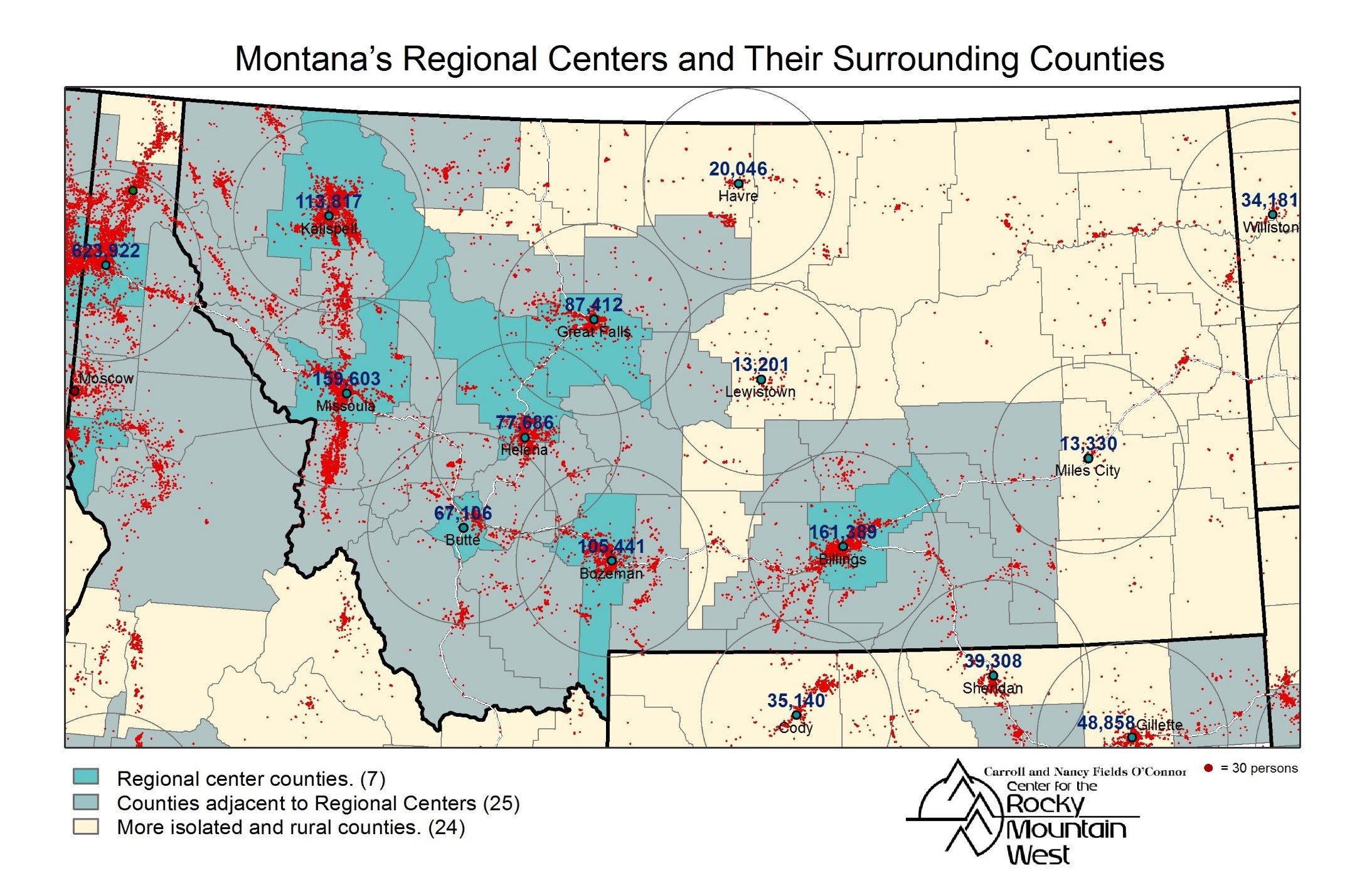
While Montana is celebrated for its wide-open spaces, most of its population resides in a handful of vibrant cities and their surrounding areas. These urban hubs serve as economic, cultural, and tourism centers, offering a different facet of the Montana experience.
Top Populated Cities: A Closer Look
- Billings: As Montana’s largest city, Billings is the economic engine of eastern Montana. It’s a key transportation hub and offers a diverse range of amenities, including excellent hotels, restaurants, and cultural attractions. For travelers, Billings serves as a gateway to the Yellowstone River valley and southeastern Montana’s historical landmarks, such as the Little Bighorn Battlefield National Monument and Pictograph Cave State Park.
- Missoula: Known as the “Garden City,” Missoula is a vibrant university town nestled in the Rocky Mountains of western Montana. Its population is characterized by a younger demographic drawn to its outdoor recreation opportunities, progressive culture, and thriving arts scene. Missoula is an ideal base for exploring wilderness areas and offers a wide array of accommodation from boutique hotels to cozy apartments.
- Bozeman: Often cited as one of the fastest-growing micropolitan areas in the U.S., Bozeman has experienced a significant population boom. Its proximity to Yellowstone National Park, Big Sky Resort, and the Absaroka-Beartooth Wilderness makes it a prime destination for outdoor enthusiasts and a hub for the modern “Montana lifestyle.” This growth has led to a proliferation of upscale hotels, diverse dining, and a bustling downtown, though it also means higher prices and competition for accommodations. The Museum of the Rockies is a must-visit attraction here.
- Great Falls: Situated along the Missouri River, Great Falls is historically significant as a point for the Lewis and Clark Expedition. It serves as a regional center for agriculture and commerce. Great Falls offers visitors a blend of history, military heritage (with Malmstrom Air Force Base nearby), and access to the Gates of the Mountains Wilderness.
- Helena: As the state capital, Helena boasts a rich history dating back to its gold rush origins. Its population includes government employees and those drawn to its historic architecture and proximity to the Continental Divide. The Capitol Building and historic downtown are notable landmarks for visitors.
Other significant towns like Kalispell and Whitefish in Glacier Country have seen substantial growth due to their proximity to Glacier National Park and popular ski resorts like Whitefish Mountain Resort. Similarly, Livingston serves as a gateway to Yellowstone National Park and has attracted a vibrant community of artists and outdoor enthusiasts. These areas offer a range of accommodation options, from luxury villas to rustic cabins, catering to various lifestyle preferences.
Beyond the Cities: The Heart of Rural Montana
While the cities hold the majority of the population, the soul of Montana often lies in its vast rural stretches. These areas, though thinly populated, are crucial for the state’s agricultural economy and are where the “Big Sky” truly dominates. Travel through rural Montana offers a glimpse into authentic ranching life, small-town hospitality, and unparalleled access to untamed nature. For those seeking unique experiences, staying in a remote cabin, a farm stay, or a bed and breakfast in these regions provides an immersive local culture experience far removed from typical tourist trails.
The Intersection of Population, Tourism, and Lifestyle
The demographic characteristics of Montana are inextricably linked to its booming tourism industry and the distinctive lifestyle it offers residents and visitors alike. This relationship shapes everything from travel guides to accommodation availability and the preservation of natural landmarks.
Tourism and Economic Vitality
Montana’s low population density, coupled with its natural wonders like Glacier National Park, Yellowstone National Park (which it shares with Wyoming and Idaho), and numerous national forests, makes it an unrivaled destination for outdoor travel. The allure of vast spaces attracts millions of tourists annually, contributing significantly to the state’s economy. This influx supports a wide range of accommodations, from high-end resorts and boutique hotels in Bozeman and Whitefish to more budget-friendly motels and campgrounds near West Yellowstone.
The seasonal nature of much of Montana’s tourism (summer for hiking, winter for skiing) means that population figures can fluctuate dramatically in certain destinations. Areas around Glacier National Park, such as Kalispell and Whitefish, experience a significant surge of visitors and seasonal workers, impacting everything from restaurant reservations to hotel prices. Planning your travel during the shoulder seasons can offer a more tranquil experience and better accommodation deals.
Preserving Montana’s Wild Character Amidst Growth
The growing population, driven by both domestic migration and a thriving tourism sector, presents a unique challenge: how to balance development with the preservation of Montana’s iconic wild character. Local communities and state initiatives are increasingly focused on sustainable tourism and responsible development to ensure that future generations can also enjoy the “Last Best Place.” This includes protecting critical wildlife habitats, managing public lands, and encouraging visitors to practice Leave No Trace principles. Travelers play a vital role in this by choosing eco-friendly accommodations and participating in activities that respect the natural environment and local cultures.

Finding Your Perfect Stay: Accommodation Options Across the State
Given the diverse population distribution and varying appeal of different regions, Montana offers a vast array of accommodation choices to suit every taste and budget.
- For urban explorers: Cities like Billings, Missoula, and Bozeman provide conventional hotels, boutique suites, and extended-stay apartments. These often come with modern amenities and easy access to dining and entertainment.
- For wilderness seekers: Near national parks and forests, options range from rustic cabins and cozy lodges to luxurious resorts offering unparalleled access to outdoor activities. Consider places like Big Sky Resort for world-class skiing or West Yellowstone for proximity to Yellowstone National Park.
- For a unique local experience: Guest ranches (e.g., near Philipsburg or Livingston) offer an immersive lifestyle experience, often including meals and activities like horseback riding. Historic bed and breakfasts in towns like Lewistown or Anaconda provide charm and personalized service.
- For long-term stays or family trips: Vacation rentals, including villas and larger apartments, are increasingly popular, offering more space and flexibility, especially in areas like Whitefish or near Flathead Lake.
When booking accommodation, always compare options, read reviews, and consider your proximity to desired attractions. Due to Montana’s vast distances, choosing a well-located base can significantly enhance your travel experience.
In conclusion, while roughly 1.14 million people call Montana home, these numbers only tell part of the story. The state’s low population density, rich history, and concentration of residents in distinct hubs create a diverse and appealing landscape for travelers. Whether you’re drawn to the vibrant city life of Bozeman, the artistic vibe of Missoula, or the serene solitude of its sprawling wilderness, Montana offers a unique blend of experiences shaped by its people and its expansive, awe-inspiring nature.
LifeOutOfTheBox is a participant in the Amazon Services LLC Associates Program, an affiliate advertising program designed to provide a means for sites to earn advertising fees by advertising and linking to Amazon.com. Amazon, the Amazon logo, AmazonSupply, and the AmazonSupply logo are trademarks of Amazon.com, Inc. or its affiliates. As an Amazon Associate we earn affiliate commissions from qualifying purchases.