New York City, a global epicenter of finance, fashion, art, and culture, is renowned for its iconic skyline, vibrant neighborhoods, and an unparalleled energy that pulses through its streets. But beyond the towering skyscrapers and bustling avenues, one of the most fundamental aspects shaping the character of this metropolis is its immense population. Understanding “how many people live in New York City” is not just about a raw number; it’s about grasping the scale of human interaction, the incredible diversity, and the sheer volume of life that defines this remarkable urban landscape. For travelers, residents, and anyone fascinated by urban dynamics, this figure impacts everything from the price of a hotel room to the cultural experiences on offer, and even the daily rhythm of life.

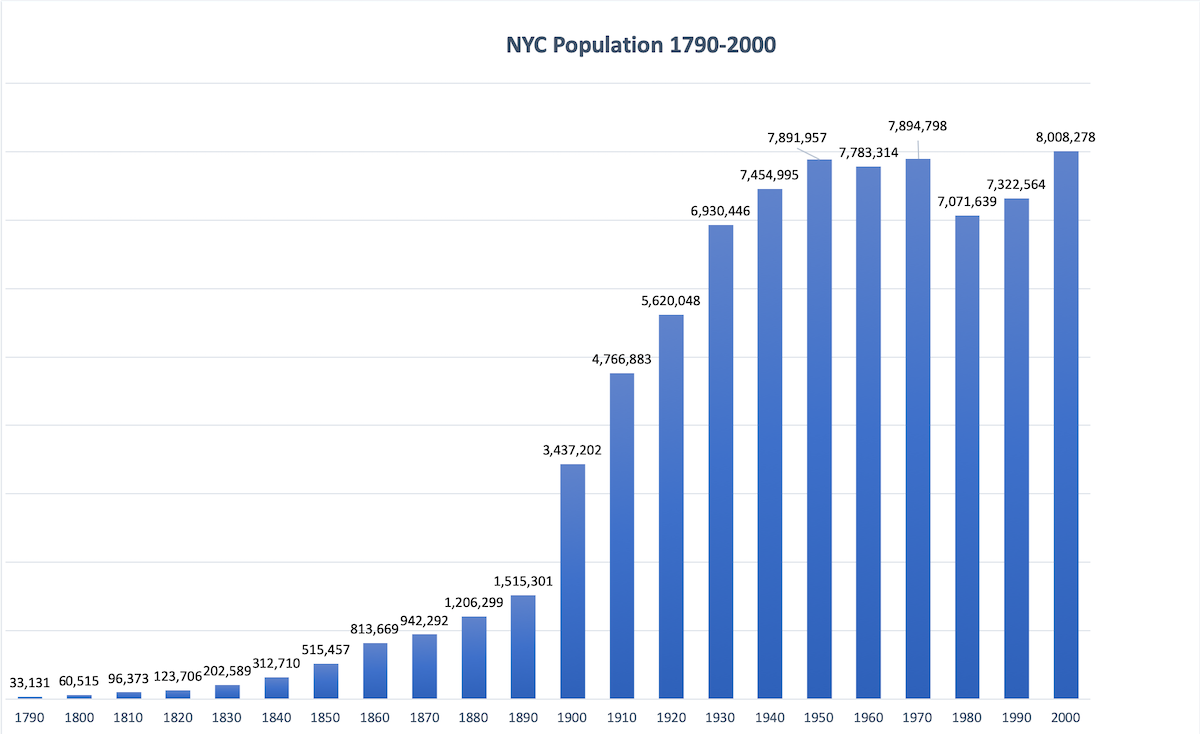
The population of New York City is a dynamic figure, constantly fluctuating with births, deaths, and migration. According to recent estimates from the United States Census Bureau, the city’s population hovers around 8.3 to 8.4 million residents. This makes New York City the most populous city in the United States, significantly dwarfing other major urban centers. To put this into perspective, its population is larger than that of many entire states. This immense concentration of people within a relatively compact geographical area creates a unique environment, influencing everything from its intricate public transportation system to its world-class dining scene and its reputation as a melting pot of cultures.
The Five Boroughs: A Mosaic of Millions
New York City is not a monolithic entity but a collection of five distinct boroughs, each contributing significantly to the overall population and offering its own unique flavor and demographic profile. These boroughs are: Manhattan, Brooklyn, Queens, The Bronx, and Staten Island. The distribution of the population across these boroughs reveals interesting patterns and helps illustrate the city’s incredible density.
Population Breakdown by Borough:
- Brooklyn: Often the most populous borough, Brooklyn boasts over 2.6 million residents. Its sheer size and diverse neighborhoods, ranging from historic brownstone districts to vibrant immigrant communities, make it a microcosm of the city itself. For travelers, Brooklyn offers a compelling alternative to Manhattan for accommodation, with a wide array of boutique hotels, charming guesthouses, and serviced apartments in areas like Williamsburg and DUMBO that provide a more local and often more affordable experience. The borough’s dynamic food scene, thriving arts community, and access to beautiful parks like Prospect Park make it an attractive destination for both short and long-term stays.
- Queens: Close behind Brooklyn with approximately 2.4 million residents, Queens is celebrated as one of the most ethnically diverse urban areas in the world. It’s a culinary paradise, where one can explore a different global cuisine on virtually every block. For visitors, Queens offers excellent value for hotels, particularly in areas like Long Island City, which provides stunning skyline views of Manhattan and convenient access via subway. Its vibrant local culture, myriad of hidden gem restaurants, and proximity to major airports like JFK and LaGuardia make it an increasingly popular choice for travelers seeking an authentic New York experience away from the tourist throngs.
- Manhattan: Despite its iconic status and dense concentration of skyscrapers, Manhattan typically ranks third in population, with around 1.6 to 1.7 million residents. However, its daytime population swells dramatically with commuters from other boroughs and surrounding states like New Jersey and Connecticut, highlighting its role as the city’s primary business and cultural hub. Manhattan is home to the most famous landmarks, luxury hotels, and high-end shopping. Accommodation here, from the opulent The Plaza Hotel overlooking Central Park to chic boutique stays in SoHo, often comes with a premium.
- The Bronx: With roughly 1.4 million residents, The Bronx offers a rich tapestry of history, green spaces, and vibrant cultural communities, including the largest Puerto Rican population in the United States. It is the birthplace of hip-hop and boasts attractions like the Bronx Zoo and the New York Botanical Garden. While perhaps less frequented by tourists than other boroughs, it provides a fascinating glimpse into the authentic New York lifestyle and unique culinary experiences.
- Staten Island: The smallest borough in terms of population, with around 480,000 residents, Staten Island offers a more suburban feel while still being part of the city. Famous for the free Staten Island Ferry, which provides unparalleled views of the Statue of Liberty and Manhattan skyline, it’s a quieter retreat from the urban hustle. While accommodation options are fewer, it appeals to those seeking a calmer experience with easy access to the city’s core.
The immense density, particularly in Manhattan, has profound implications for daily life and visitor experiences. It means bustling streets, packed subway cars (operated by the Metropolitan Transportation Authority, or MTA), and a constant hum of activity. For travelers, this density translates into an incredible array of choices – from Michelin-starred dining to street food vendors, from Broadway shows to intimate jazz clubs, and from world-class museums like the Metropolitan Museum of Art to hidden art galleries. However, it also means higher prices for virtually everything, particularly accommodation, and the need to navigate crowds, especially at popular attractions like Times Square or the Empire State Building.
The Impact of Population on Travel and Tourism
The sheer number of people living in New York City, combined with the millions of tourists who visit annually, profoundly shapes the travel experience. It creates both challenges and unparalleled opportunities for exploration and enjoyment.
Navigating Attractions and Experiences:
The popularity of New York City’s landmarks is directly proportional to its population density. Iconic sites such as the Empire State Building, the Statue of Liberty, Times Square, and the Brooklyn Bridge are consistently busy. To enhance the experience, savvy travelers often purchase tickets in advance online, opt for early morning or late evening visits, or explore lesser-known but equally captivating sites. For instance, instead of just the Empire State Building, consider the Top of the Rock at Rockefeller Center for equally stunning views, including one of the Empire State Building itself.
The dense population also fuels an incredibly diverse range of cultural experiences. From the historic theaters of Broadway and the world-class collections at the Museum of Modern Art or the Guggenheim Museum, to the vibrant street art of Bushwick and the independent film scene in Greenwich Village, there is truly something for every taste. The city’s multicultural fabric, a direct result of its vast population and history as a gateway for immigrants, manifests in incredible food scenes in neighborhoods like Chinatown, Little Italy, and countless ethnic enclaves throughout Queens and The Bronx. Food tourism here is an adventure, allowing visitors to travel the world through their palate without ever leaving the five boroughs.

Accommodation Strategies in a Populous City:
Finding suitable accommodation in New York City is a key consideration for any visitor. The high population, combined with constant demand from tourists and business travelers, means that hotel prices can be among the highest in the world. However, understanding the city’s dynamics can help secure the best options.
- Location, Location, Location: Manhattan offers unparalleled convenience for iconic landmarks and Broadway, but often at a premium. Staying in areas like Midtown or the Financial District puts you in the heart of the action, with luxury options like the Four Seasons New York Downtown or more budget-friendly business hotels.
- Exploring Beyond Manhattan: For more value and a taste of local life, consider hotels or apartment rentals in Brooklyn (Williamsburg, Park Slope) or Queens (Long Island City, Astoria). These areas offer excellent subway connectivity to Manhattan and a thriving independent scene of restaurants, shops, and cultural venues.
- Types of Accommodation: From lavish suites in five-star resorts to cozy boutique hotels, extended-stay apartments for long-term stays, or even budget-friendly hostels, New York City has it all. Booking well in advance, especially during peak seasons (summer, holidays), is crucial to secure preferred rates and locations. Comparing reviews and amenities is essential, as space often comes at a premium. For business stays, many hotels offer dedicated facilities and services. Families might find apartment rentals more suitable for space and self-catering options.
Lifestyle and Culture: The Human Tapestry of NYC
The millions of people who call New York City home are its greatest asset and its defining characteristic. This human tapestry creates a lifestyle unlike anywhere else. The city is a vibrant, ever-changing mosaic of cultures, languages, and ideas. Walk down any street, and you’ll hear a multitude of languages, see fashion styles from across the globe, and encounter people from every conceivable background. This incredible diversity fosters an environment of innovation, creativity, and constant evolution.
- A City of Neighborhoods: Each neighborhood, from the historic brownstones of Greenwich Village to the vibrant energy of Harlem, the trendy boutiques of SoHo, or the bustling markets of the Lower East Side, has its own distinct personality. These micro-communities, each with its local shops, cafes, and parks, provide a sense of belonging amidst the vastness of the city. Exploring these neighborhoods is a key aspect of experiencing the true New York lifestyle.
- The Pace of Life: The sheer volume of people contributes to the legendary fast pace of New York City. There’s a palpable sense of urgency and ambition that drives everything from morning commutes to late-night entertainment. This can be exhilarating for some and overwhelming for others, but it’s an undeniable part of the city’s charm.
- Cultural Hub: The diverse population feeds the city’s insatiable appetite for culture. World-class performing arts venues, an unparalleled number of museums (including the Metropolitan Museum of Art and the Guggenheim Museum), independent film houses, and live music venues flourish. Festivals celebrating various cultures occur throughout the year, offering visitors a chance to delve deeper into the traditions and celebrations of different communities. This wealth of options means that whether you’re interested in luxury travel with Broadway shows and fine dining or budget travel exploring street art and local eateries, New York City caters to every lifestyle.
Beyond the Numbers: What Makes NYC Unique
While the population figures provide a framework, it’s the interplay of these millions of lives that truly defines New York City. The city’s infrastructure, from its intricate subway system (the MTA) to its iconic bridges like the Brooklyn Bridge and massive terminals like Grand Central Terminal, has been built and expanded to accommodate this vast human flow. The presence of international institutions like the United Nations further underscores its global significance and attracts a diverse diplomatic community.
The constant churn of new arrivals and the enduring spirit of its long-time residents ensure that New York City is always evolving. It’s a city of dreams and opportunities, where individuals from all walks of life come to pursue their ambitions. This collective drive and human energy are what fuel its economy, its innovation, and its cultural output. Landmarks like Central Park serve as essential green lungs, providing solace and recreation for millions amidst the urban jungle. Sites like the September 11 Memorial & Museum and Ellis Island speak to profound moments in the city’s history, shaped by the people who have arrived and departed. Even modern marvels like the High Line park demonstrate the city’s ability to reimagine and adapt its spaces for the benefit of its dense population.
In conclusion, understanding how many people live in New York City is just the starting point. It’s the sheer volume of human experience compressed into this vibrant space that creates its unique identity. For anyone planning a trip, considering a move, or simply curious about urban life, recognizing the profound impact of its millions of inhabitants is key to appreciating the city’s unparalleled vibrancy, endless opportunities, and the unforgettable rhythm that makes it one of the world’s truly great metropolises. Whether you’re seeking luxury, budget-friendly options, family adventures, or business efficiency, New York City’s diverse population ensures an experience as varied and dynamic as the city itself.