
The question of how many people reside in Los Angeles is far more complex than a simple census figure might suggest. As the second-largest city in the United States, this sprawling metropolis serves as a cultural, economic, and demographic engine for the state of California. Understanding the population dynamics here requires a look beyond the city limits into the broader scope of the county and the region, where millions of lives intersect daily.
The Demographic Landscape of the City Proper
At its core, the city of Los Angeles encompasses a population of approximately 3.8 to 3.9 million residents within its official municipal boundaries. This figure represents a dense urban environment that has grown significantly since its incorporation in the 19th century. The city’s geography is unique, characterized by a mix of high-density urban corridors and sprawling residential neighborhoods that stretch from the shores of the Pacific Ocean to the foothills of the San Gabriel Mountains.

Urban Density and Distribution
The distribution of these residents is not uniform. Neighborhoods like Koreatown and Downtown Los Angeles feature high-rise living and intense population density, while areas such as Pacific Palisades or Bel Air offer a more spread-out, suburban feel. This variation is a hallmark of the city’s identity, allowing it to house millions while maintaining pockets of relative seclusion and distinct community character.
Trends in Migration and Growth
In recent years, the population of the city proper has seen slight fluctuations. Shifts in housing costs, the rise of remote work, and broader economic transitions have led to a stabilization of the resident count. However, the allure of the “City of Angels” remains strong. People continue to migrate to Los Angeles for its unparalleled opportunities in entertainment, technology, aerospace, and global trade.
Los Angeles County: A Regional Giant
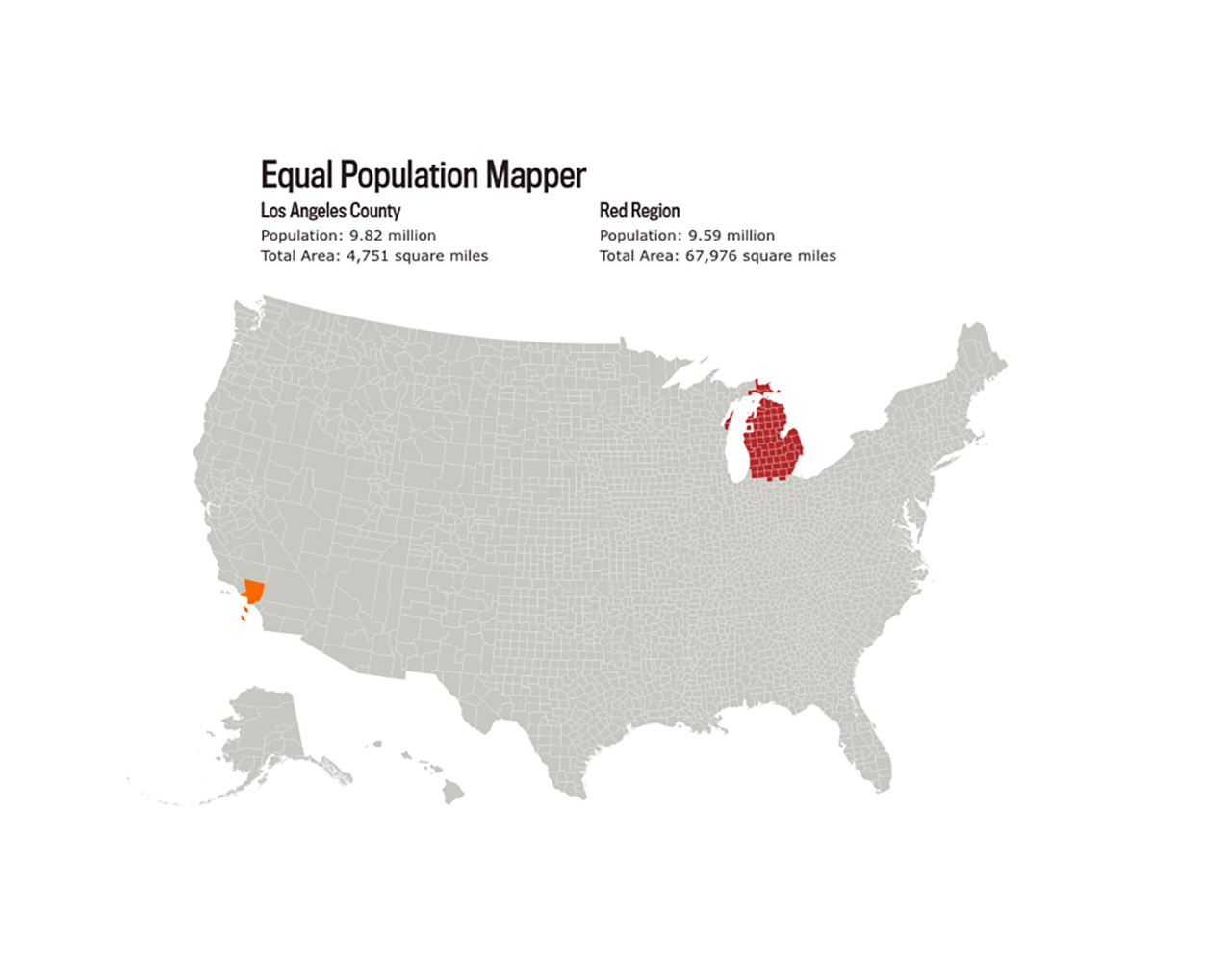
To truly understand the human scale of the area, one must look at the entirety of Los Angeles County. The county is home to nearly 10 million people, making it the most populous county in the entire country. When people ask how many reside in the region, they are often referring to this massive collective of 88 distinct cities and numerous unincorporated communities.
The Interconnectedness of the Region
The regional population thrives on the interconnected nature of cities like Santa Monica, Long Beach, Pasadena, and Beverly Hills. These municipalities function as a single economic unit, with millions of residents commuting across city lines daily. The infrastructure of the region—including the extensive freeway system and the expanding Los Angeles Metro—is designed to facilitate the movement of these millions of residents as they go about their professional and social lives.

Cultural Diversity and Global Influence
The sheer size of the Los Angeles County population is mirrored by its incredible diversity. It is a true global melting pot where individuals from nearly every country on earth have settled. This demographic mosaic informs everything from the culinary scene in Little Tokyo to the cultural festivals held in East Los Angeles. The diversity of the population is not just a statistical fact; it is the defining characteristic that drives the innovation and artistic output of the region.
Factors Influencing Population Dynamics
Several key factors contribute to why so many millions choose to call this region home. While the cost of living is a frequent topic of debate, the benefits of the Southern California lifestyle continue to draw new residents and retain long-term inhabitants.
Economic Engines and Employment
The economy is the primary driver of population stability. The region is a global hub for the entertainment industry, anchored by studios in Hollywood and Burbank. Beyond film and television, the technology sector, often dubbed “Silicon Beach,” draws talent from around the globe to areas like Venice and Playa Vista. Furthermore, the Port of Los Angeles and Los Angeles International Airport serve as major gateways for international trade, providing thousands of jobs that sustain the local population.
Climate and Quality of Life
The Mediterranean climate is perhaps the most famous draw. The ability to visit Malibu for a morning surf and hike in the Santa Monica Mountains in the afternoon is a lifestyle that few other major metropolises can offer. This proximity to nature, combined with a world-class cultural landscape that includes institutions like the Getty Center and the Los Angeles County Museum of Art, creates a high quality of life that keeps the population firmly rooted.
Looking Toward the Future
As the city and the county continue to evolve, the challenge for urban planners and residents alike is how to manage the needs of this massive population. The focus is shifting toward sustainable development, increased density near transit hubs, and the preservation of the unique neighborhood characters that define the city.
Addressing Housing and Infrastructure
Managing the population size of Los Angeles involves ongoing conversations about housing supply and affordability. Projects aimed at revitalizing Historic Core or developing new residential spaces in areas like Culver City are essential components of keeping the region vibrant. These efforts ensure that the city can continue to accommodate the dreams and aspirations of its diverse residents.
The Sustaining Power of the Community
Ultimately, the number of people living in Los Angeles is less about the cold, hard data and more about the collective energy of its citizens. From the busy streets of West Hollywood to the quiet suburban enclaves in the San Fernando Valley, every resident contributes to the heartbeat of the city. Whether you are one of the nearly four million inside the city limits or one of the millions more in the surrounding county, you are part of a demographic story that is constantly being rewritten.
As Los Angeles moves forward, it remains a beacon for those seeking creativity, opportunity, and a lifestyle that is uniquely Southern California. The population may grow or shift, but the essence of the city—a place where millions converge to pursue their ambitions—will remain unchanged. Understanding the scale of this population is the first step in appreciating the sheer magnitude of what this city achieves every single day.
LifeOutOfTheBox is a participant in the Amazon Services LLC Associates Program, an affiliate advertising program designed to provide a means for sites to earn advertising fees by advertising and linking to Amazon.com. Amazon, the Amazon logo, AmazonSupply, and the AmazonSupply logo are trademarks of Amazon.com, Inc. or its affiliates. As an Amazon Associate we earn affiliate commissions from qualifying purchases.