
The Sunshine State continues its reign as a top destination for domestic relocation, drawing millions with its alluring climate, robust economy, and vibrant lifestyle. Understanding the ebb and flow of population shifts is crucial for anyone interested in the evolving landscape of Florida, whether for personal planning, business investment, or simply staying informed about this dynamic region. While definitive, real-time numbers for a full year are typically released with a lag, analysis of early indicators, demographic trends, and preliminary data provides a compelling picture of the migration patterns into Florida during 2024.

The magnetic pull of Florida is multifaceted. For many, it represents an escape from harsher climates and high taxes prevalent in other states, particularly in the Northeast and Midwest. The allure of warm weather year-round, abundant recreational opportunities, and a generally lower cost of living (though this varies by region) are powerful drivers. Furthermore, Florida’s burgeoning job market, especially in sectors like technology, healthcare, and aerospace, attracts professionals seeking new career horizons. The state’s commitment to business-friendly policies further fuels this economic growth, creating a virtuous cycle of job creation and population influx.
Early Indicators and Projections
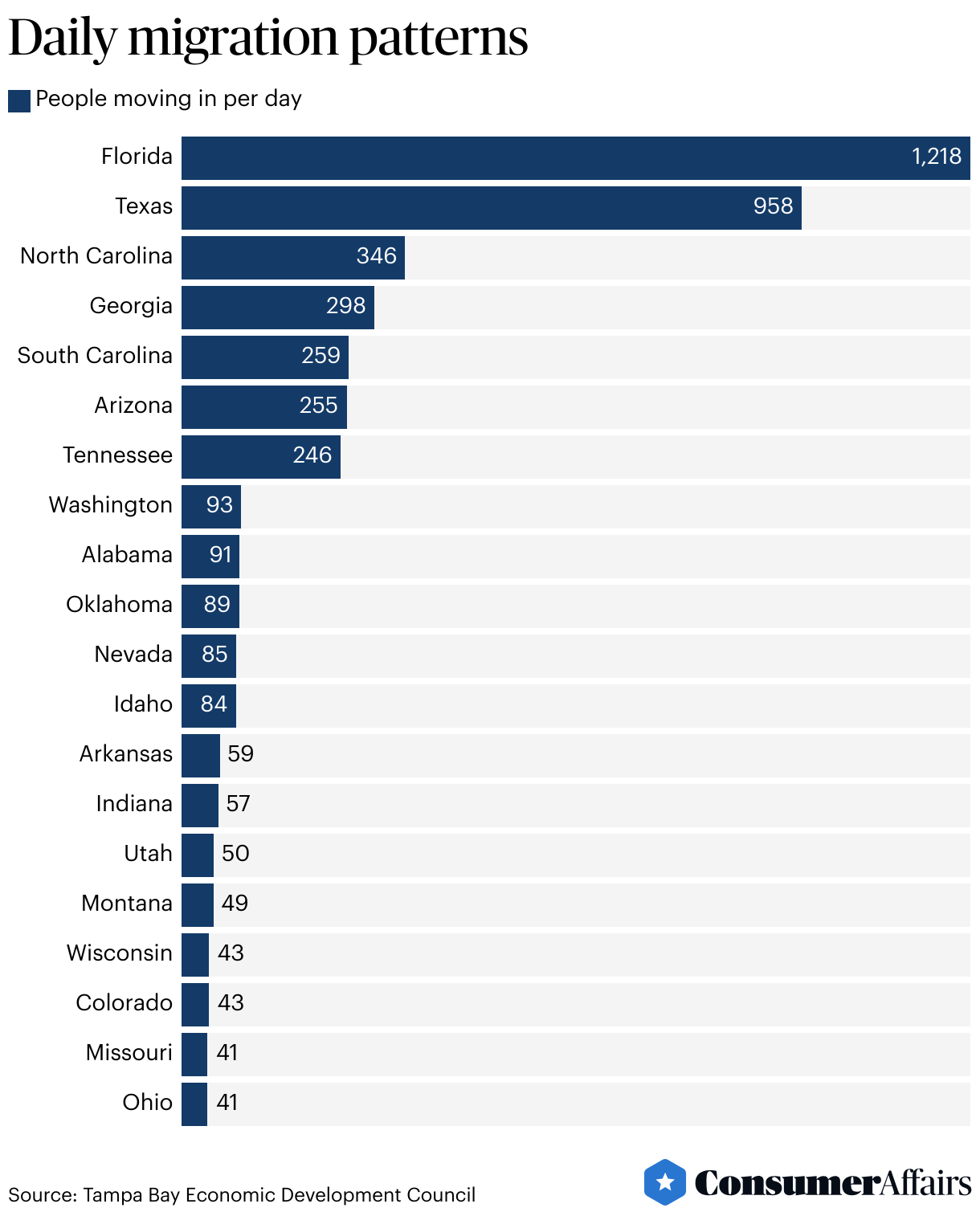
While official U.S. Census Bureau data for 2024 will not be available for some time, several reliable sources offer insights into the ongoing migration. Moving companies, real estate transaction data, and state-level economic reports all serve as valuable barometers. Early reports from major moving companies indicate a sustained high volume of westward and southward moves, with Florida consistently ranking as a top destination state. This trend, which has been building for years, shows no signs of abating in 2024.
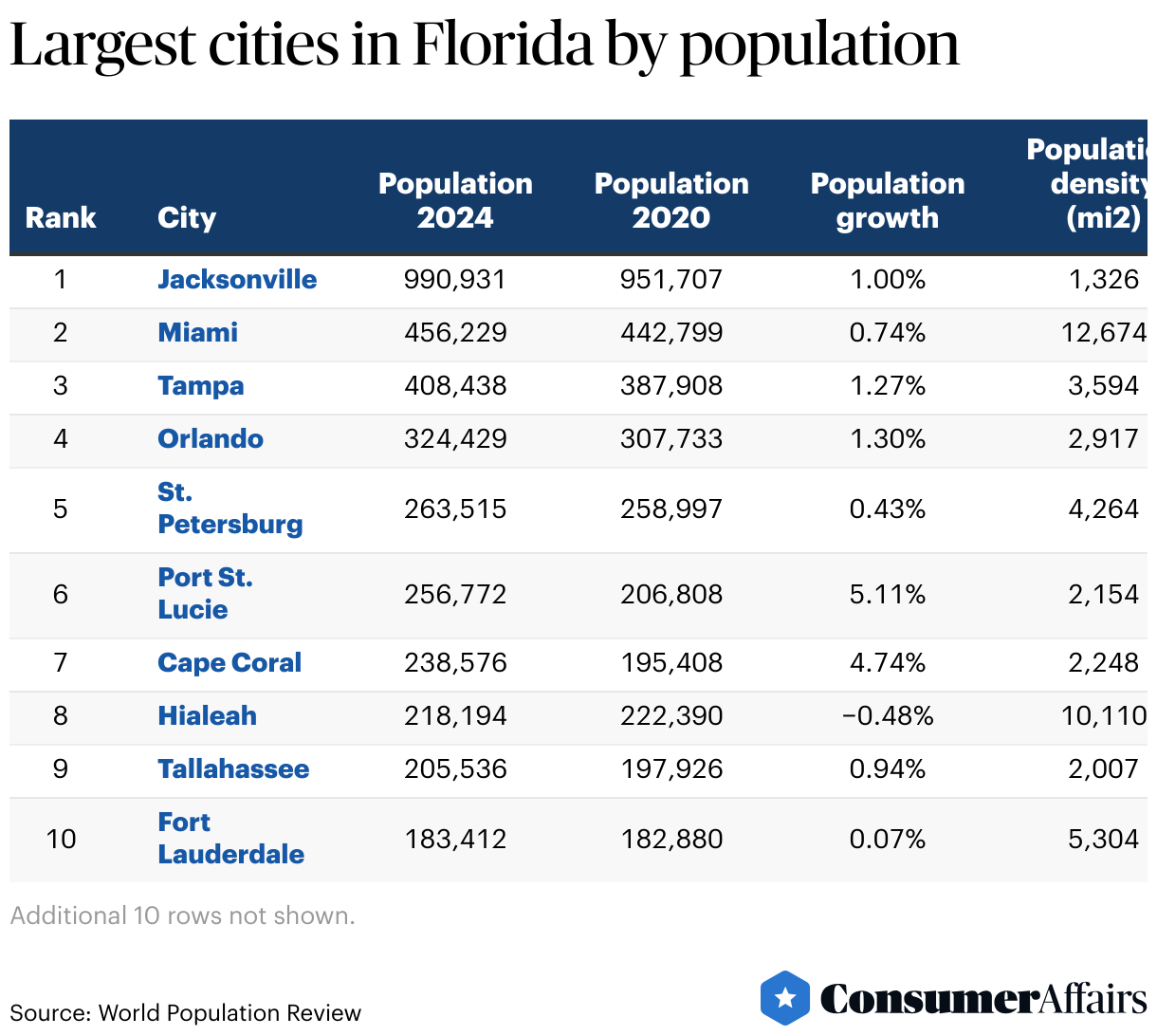
The real estate market in Florida also provides a strong signal. With a surge in demand, home sales and rental markets across the state have experienced significant activity. Cities like Tampa, Orlando, Miami, and the burgeoning areas around Fort Myers and Naples are seeing increased interest and transaction volumes. This heightened real estate activity directly correlates with an increase in population.
Economists and demographers often project these trends based on existing data and economic forecasts. Given the continued economic expansion within Florida, coupled with ongoing incentives for relocation and a favorable tax environment, projections for 2024 consistently point to continued significant population growth. While specific numbers are fluid, it’s reasonable to estimate that hundreds of thousands of individuals are choosing to make Florida their new home this year.
Key Demographics Driving Migration
The demographic profile of those moving to Florida in 2024 is diverse, reflecting the state’s broad appeal. However, several key groups stand out:
Retirees Seeking Sunshine and Affordability
The long-standing appeal of Florida as a retirement destination remains potent. For individuals looking to transition into retirement, the promise of warm weather, a relaxed pace of life, and a lower tax burden, particularly the absence of state income tax, is a primary draw. Many retirees are drawn to communities offering abundant amenities and social activities, from golf courses in Punta Gorda to waterfront living in Sarasota. This demographic often seeks established communities and access to healthcare facilities, both of which are plentiful across the state.
Young Professionals and Families in Search of Opportunity
Beyond retirees, Florida is attracting a significant influx of young professionals and families. These individuals are often enticed by the growing job market, particularly in tech hubs like Austin, Texas, and the emergence of new industries in cities such as Jacksonville and St. Petersburg. The state’s investment in education and infrastructure, along with a vibrant and diverse cultural scene, makes it an attractive place to build a career and raise a family. The lower cost of living compared to some major metropolitan areas in states like California or New York is another significant factor.
Remote Workers Embracing Flexibility
The rise of remote work has significantly reshaped migration patterns, and Florida has been a major beneficiary. With the ability to work from anywhere, many individuals and families are choosing to relocate to Florida to enjoy its lifestyle benefits without sacrificing their careers. The state’s favorable tax policies, combined with its abundant outdoor recreational opportunities, make it an ideal location for those who value work-life balance. Coastal cities and areas with good internet infrastructure are particularly popular among this group.
Factors Influencing the 2024 Influx
Several overarching factors continue to fuel the migration to Florida in 2024:
Economic Growth and Job Creation
Florida’s economy has consistently outperformed the national average in recent years. Sectors such as technology, healthcare, finance, and tourism are experiencing robust growth, leading to increased job opportunities. This economic vitality acts as a powerful magnet, drawing skilled workers and entrepreneurs from across the country. The state’s proactive approach to business development and its diverse economy create a resilient and attractive environment for career advancement.
Favorable Tax Climate
The absence of state income tax is a significant financial incentive for individuals and families considering a move to Florida. This can translate into substantial savings, especially for high-income earners and retirees. Coupled with relatively lower property taxes in many areas compared to other popular states, the overall tax burden makes Florida a financially appealing choice.
Quality of Life and Recreational Opportunities
The lifestyle offered by Florida is undeniably a primary driver. From pristine beaches along the Gulf Coast and the Atlantic Coast to world-class theme parks in Orlando, the state offers unparalleled recreational opportunities. Boating, fishing, golfing, and an abundance of natural parks and wildlife preserves cater to a wide range of interests. The warm climate allows for year-round outdoor activities, contributing to a high quality of life that many seek.
Proximity to Amenities and Services
As Florida’s population has grown, so too has its infrastructure and the availability of amenities. Major metropolitan areas boast excellent healthcare systems, diverse educational institutions, and a thriving cultural scene with museums, theaters, and a vibrant culinary landscape. This comprehensive infrastructure supports a comfortable and engaging lifestyle for its residents, further enhancing its appeal.
Estimating the Numbers: A Look at the Data
While precise figures are pending, we can infer trends from available data. Historically, Florida has consistently been one of the top states for domestic net in-migration. For instance, in 2022, Florida saw the largest net in-migration among all U.S. states, adding hundreds of thousands of residents. Preliminary data and trends from 2023 suggested this momentum continued.
Given the sustained economic strength and the ongoing appeal of its lifestyle, it is highly probable that Florida will continue to lead in domestic in-migration throughout 2024. While estimates vary, it is reasonable to project that Florida will attract well over 600,000 to 800,000 new residents in 2024, with a significant portion of these being domestic moves from other U.S. states. This includes individuals and families relocating for work, retirement, or a better quality of life. The exact number will be influenced by national economic conditions, housing market dynamics, and any unforeseen events, but the underlying trends point towards continued substantial growth. This influx not only reshapes communities but also influences the real estate market, local businesses, and the overall character of the Sunshine State.
LifeOutOfTheBox is a participant in the Amazon Services LLC Associates Program, an affiliate advertising program designed to provide a means for sites to earn advertising fees by advertising and linking to Amazon.com. Amazon, the Amazon logo, AmazonSupply, and the AmazonSupply logo are trademarks of Amazon.com, Inc. or its affiliates. As an Amazon Associate we earn affiliate commissions from qualifying purchases.