
New York City, often hailed as the world’s most iconic metropolis, is a place of ceaseless energy, unparalleled diversity, and a magnetic pull that draws millions from every corner of the globe. But beyond its glittering skyline and famous landmarks, what truly defines this urban colossus is its people. The sheer number of individuals who call New York City home, work within its bustling boroughs, or visit its myriad attractions each year profoundly shapes every aspect of the city – from its infrastructure and unique culture to the very experiences of its visitors. Understanding the dynamics of its population isn’t just a matter of statistics; it’s key to comprehending the city’s heartbeat and successfully navigating its vibrant landscape.

This article delves into the intricate details of New York City’s population, exploring not only how many people reside here but also the daily influx of commuters and tourists that swell its ranks. We’ll examine how these numbers influence everything from the diverse lifestyle choices available to residents and travelers alike, to the challenges and opportunities in finding accommodation, and the unforgettable allure of its world-renowned attractions. For anyone planning a trip or simply curious about what makes this urban jungle tick, a grasp of its human element is indispensable.
The Heartbeat of a Metropolis: New York City’s Population Demographics
At its core, New York City is a city of astounding numbers, a mosaic of lives lived at an accelerated pace. These figures aren’t static; they represent a living, breathing entity that constantly evolves, impacting every facet of urban life and the visitor experience.
A Dive into the Numbers: Resident Population Across the Five Boroughs
As of recent estimates, the resident population of New York City hovers around 8.4 million people, making it the most populous city in the United States. This impressive figure is not concentrated in one monolithic urban center but is distributed across its five distinct boroughs, each contributing to the city’s unique character and overall density.
Brooklyn, famously known for its brownstones, vibrant arts scene, and diverse neighborhoods, is typically the most populous borough, home to over 2.6 million residents. Its sheer size and residential appeal mean that Brooklyn offers a different rhythm of life compared to the frenetic pace of Manhattan.
Queens, a sprawling borough known for its incredible ethnic diversity and vast expanse, houses over 2.3 million people. It’s often celebrated as the most diverse urban area in the world, a melting pot where hundreds of languages are spoken, and cultures from across the globe thrive side by side, creating an unparalleled culinary and cultural landscape that is a hidden gem for tourism.
Manhattan, the iconic island that many outsiders associate solely with New York City, is home to approximately 1.6 million residents. While not the most populous borough, it is by far the densest, packing millions into its relatively small landmass. This density gives rise to its soaring skyscrapers, compact living spaces, and an unmatched concentration of businesses, landmarks, and attractions like Times Square and Central Park.
The Bronx, the only borough primarily located on the mainland United States, has a population exceeding 1.4 million. Rich in history and cultural significance, The Bronx offers diverse neighborhoods, expansive parks, and iconic institutions like Yankee Stadium.
Finally, Staten Island, often referred to as the “forgotten borough,” is the least populous with just under 500,000 residents. Accessible by the iconic Staten Island Ferry, it offers a more suburban feel and breathtaking views of the Manhattan skyline and Statue of Liberty.
This immense concentration of people translates directly into New York City’s legendary population density. For visitors, this means a vibrant street life, constant activity, and an energy that is palpable. However, it also means navigating crowds, especially in popular tourist areas, and understanding the demands placed on public transportation and accommodation services.
Beyond Residents: The Dynamic Daily Influx and Visitor Economy
The 8.4 million resident figure only tells part of the story. New York City’s true daily population swells considerably due to two major factors: commuters and tourists.
Every weekday, hundreds of thousands of commuters pour into Manhattan and other business districts from surrounding areas. These include residents from New Jersey (from cities like Jersey City and Hoboken), Long Island (including areas like Garden City), and Westchester County. This daily migration adds significantly to the city’s daytime population, impacting everything from Subway congestion during rush hour to the demand for food services and retail.
Even more significant for the global image and economy of New York City is its staggering number of visitors. Annually, New York City welcomes over 60 million tourists. These visitors come to experience the city’s iconic landmarks, vibrant culture, and world-class entertainment. This immense influx of people fuels a massive tourism industry, creating jobs, generating revenue, and constantly reshaping the city’s offerings.
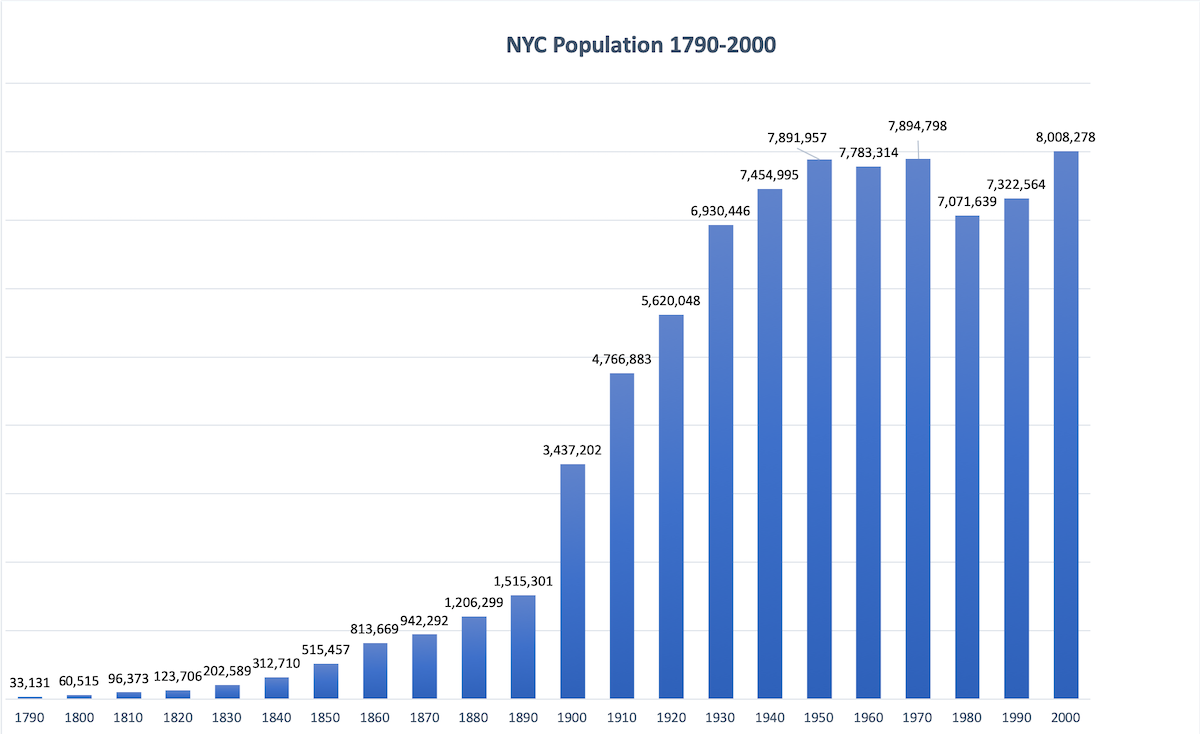
Historically, New York City’s population saw rapid growth throughout the 20th century, driven by immigration and urbanization. While recent decades have seen more stable growth, the city remains a magnet for people seeking opportunity and cultural richness. This dynamic interplay between residents, commuters, and tourists creates an ever-changing urban tapestry that is both challenging and endlessly fascinating. Understanding this distinction between the resident population and the daily floating population is crucial for appreciating the city’s unique energy and for visitors to plan their travel experiences effectively.
Navigating the Crowds: Population’s Influence on Travel and Tourism in NYC
The sheer number of people in New York City is not just a statistic; it’s a fundamental aspect of the visitor experience. It shapes how you move, what you see, and the atmosphere you encounter at every turn. While it undeniably contributes to crowds, it also fuels the city’s unparalleled diversity and array of offerings, making it an unforgettable destination.
Iconic Attractions and the Visitor Experience
When millions of residents and tens of millions of tourists converge, iconic sites become bustling hubs of activity. Places like Times Square with its dazzling billboards, the historic Statue of Liberty and Ellis Island, the serene expanse of Central Park, the soaring heights of the Empire State Building and Rockefeller Center, or the world-class collections at the Metropolitan Museum of Art and Museum of Modern Art are almost always alive with people.
For travelers, this means a few things. Firstly, expect company. The energy of the crowd is often part of the allure – the feeling of being in the center of the world. Secondly, strategic planning becomes paramount. Visiting popular attractions early in the morning or later in the evening can help avoid peak crowds. Booking tickets online in advance for museums, observatories, or tours is almost always a good idea, saving time and guaranteeing entry.
The constant flow of people also necessitates an efficient public transportation system. The New York City Subway is an integral part of city life, moving millions daily. While it can be crowded, especially during rush hour, it’s often the quickest and most authentic way to navigate the city. Embrace the system, learn to read the maps, and you’ll find yourself seamlessly connecting between boroughs and attractions. Other modes of transport like the Staten Island Ferry or a walk across the Brooklyn Bridge offer unique perspectives and unforgettable views, often becoming attractions in themselves.
Culinary Journeys and Cultural Immersion
One of the most profound impacts of New York City’s diverse population is its incredibly rich and varied cultural landscape. With people from virtually every nation on Earth calling the city home, it has fostered an unparalleled tapestry of traditions, languages, and, most deliciously, food.
From the authentic Chinese restaurants in Chinatown, the aromatic spices of Indian Road in Jackson Heights in Queens, the classic Italian fare in Little Italy and Greenwich Village, to the trendsetting eateries in SoHo and Williamsburg, the city offers an endless culinary journey. Food isn’t just sustenance here; it’s a window into the local culture of dozens of distinct communities. This diversity caters to all tastes and budgets, from Michelin-starred fine dining to legendary street food vendors and bustling food markets. Exploring the city’s food scene is an experience that reflects its vibrant human diversity.
Beyond food, the population contributes to a thriving arts and entertainment scene. Broadway theater district is world-renowned, offering dozens of shows nightly. Live music venues, art galleries (from major institutions like the Guggenheim Museum to independent spaces), and performing arts centers are ubiquitous. The sheer density of people supports this incredible array of cultural activities, ensuring there’s always something new to discover, a play to see, or a festival to attend. Whether you’re interested in history at the National September 11 Memorial & Museum or enjoying a stroll on the High Line, the city’s human element ensures a rich, engaging, and often surprising experience for every visitor.
Accommodation and Lifestyle: Finding Your Space in the City That Never Sleeps
The dynamic population of New York City, coupled with its global appeal as a travel destination, has a profound impact on its accommodation landscape and the diverse lifestyle options available to both residents and visitors. Finding your ideal space and experience in this bustling metropolis requires understanding these influences.
The Accommodation Landscape: From Luxury Hotels to Boutique Stays
With millions of residents and tens of millions of annual visitors, demand for lodging in New York City is consistently high, often resulting in premium pricing. The city’s hotel industry is vast and varied, catering to every conceivable preference and budget, though finding genuinely inexpensive options can be a challenge.
For those seeking luxury travel and opulent stays, New York City boasts some of the world’s most prestigious hotels. Iconic establishments like The Plaza Hotel on Fifth Avenue, The St. Regis New York, and The Peninsula New York offer unparalleled service, exquisite amenities, and prime locations, often becoming landmarks in their own right. These suites and rooms often provide breathtaking views and an experience of quintessential New York City glamour.
Mid-range options are plentiful, with major chains like the New York Marriott Marquis (a towering presence in Times Square), Hilton Midtown, and various boutique hotels such as The Ludlow Hotel or Hotel 48LEX New York offering comfortable stays with modern amenities. These properties often strike a balance between location, comfort, and cost, making them popular choices for a wide array of travelers.
For budget travel or extended long-term stays, options like hostels, Moxy NYC Times Square, or more modest apartments and villas (though “villas” are rare in Manhattan) in less central boroughs like Brooklyn or Queens become more viable. The density of the population means that space is a luxury, and rentals can be competitive and costly. Resources for booking accommodation, reading reviews, and comparison sites are essential tools for finding the best fit. Advance booking is almost always recommended, especially during peak tourist seasons.

Tailored Travel: Lifestyle Choices for Every Visitor
The diverse population of New York City creates a marketplace of lifestyle options that cater to every imaginable preference, allowing visitors to tailor their experience precisely to their desires.
-
Luxury Travel: Beyond the high-end hotels, New York City offers an abundance of luxury experiences. This includes world-class fine dining, exclusive shopping on Fifth Avenue and Madison Avenue, private tours of museums, helicopter tours of the skyline, and access to VIP events. The city’s affluent population supports an ecosystem of high-end services and bespoke offerings.
-
Budget Travel: Despite its reputation for expense, New York City can be enjoyed on a budget. There are countless free attractions like walking the Brooklyn Bridge, exploring Central Park, riding the Staten Island Ferry, or simply wandering through vibrant neighborhoods like Greenwich Village or Wall Street. Affordable and delicious food options are plentiful, from food trucks and delis to ethnic eateries in Queens. The density of the city means that many points of interest are within walking distance or a short Subway ride, reducing transportation costs.
-
Family Trips: Families visiting New York City will find an overwhelming array of kid-friendly activities. From the dinosaurs at the American Museum of Natural History to the rides at Coney Island or the playgrounds of Flushing Meadows Corona Park, there’s something for all ages. Planning accommodation that offers more space, such as apartments or hotels with suites, becomes more crucial for family comfort.
-
Business Stays: As a global financial and cultural hub, New York City is a prime destination for business travel. Its central business districts, abundant convention centers, and numerous hotels equipped with conference amenities cater specifically to corporate needs. Convenience to transportation hubs like Grand Central Terminal and major airports, along with access to diverse dining and entertainment, makes it an ideal location for combining work with leisure.
In essence, the “how many people” question in New York City is far more than a simple demographic count. It’s the very fabric that weaves together its incredible tourism appeal, its complex accommodation market, and the kaleidoscopic lifestyle it offers. Every resident, commuter, and visitor adds to the city’s ceaseless energy, creating a dynamic environment that is both challenging and exhilarating to explore. Whether you seek bustling crowds or quiet corners, high culture or street art, luxury or budget-friendly fun, New York City’s millions ensure an unforgettable experience uniquely its own.
LifeOutOfTheBox is a participant in the Amazon Services LLC Associates Program, an affiliate advertising program designed to provide a means for sites to earn advertising fees by advertising and linking to Amazon.com. Amazon, the Amazon logo, AmazonSupply, and the AmazonSupply logo are trademarks of Amazon.com, Inc. or its affiliates. As an Amazon Associate we earn affiliate commissions from qualifying purchases.