
The Chicago Marathon is a globally renowned event, drawing thousands of runners from across the United States and around the world to the vibrant streets of Chicago. It’s more than just a race; it’s a spectacle of human endurance, a celebration of athletic achievement, and a significant driver of tourism for the Windy City. For those who have never experienced it, or for those planning their participation or spectating trip, understanding the sheer scale of this event is crucial. The question of “how many people run in the Chicago Marathon?” is a common one, and the answer reveals a phenomenon that impacts the city’s hotels, local businesses, and overall tourism landscape.
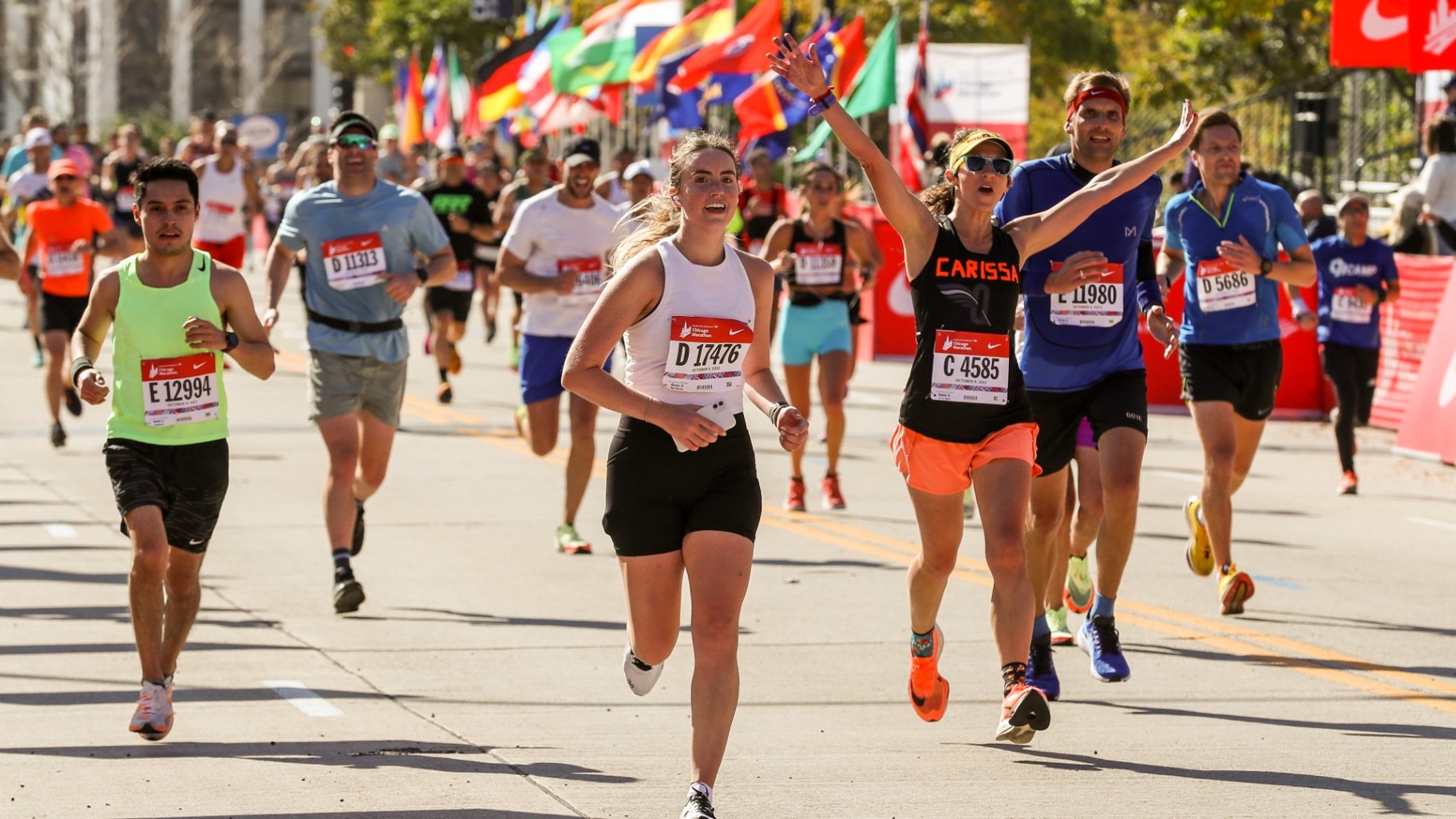
Each year, the Bank of America Chicago Marathon (as it is officially known) transforms the city into a marathon course, showcasing iconic landmarks and bustling neighborhoods. The number of participants is not static; it fluctuates based on various factors, including the global running scene, the event’s prestige, and the economic climate. However, consistently, it ranks among the largest marathons in the world, a testament to its enduring appeal. To truly grasp the magnitude, we need to delve into the participation numbers and what they signify for Chicago as a travel destination.
The Scale of Participation: A Look at Runner Numbers
The Chicago Marathon consistently attracts a massive field of runners. While the exact number of registered participants can vary slightly year to year, it typically hovers around the 40,000 to 45,000 mark. This figure represents the individuals who officially enter the race and are assigned bib numbers. It’s important to note that this is the number of starters, and while many finish, some may not complete the full 26.2 miles. Nevertheless, the sheer volume of individuals committing to this challenge is staggering.
Analyzing Participation Trends
Over the decades, the Chicago Marathon has seen significant growth. From its inception in 1977 with just 4,269 participants, the race has exploded in popularity. This growth mirrors the broader surge in marathon running as a popular lifestyle choice and a bucket-list item for many. The event’s reputation for an exceptionally flat and fast course makes it attractive for both elite athletes aiming for personal bests and recreational runners seeking a challenging yet achievable goal.
The inclusion of the Chicago Marathon as one of the six Abbott World Marathon Majors alongside the marathons in Tokyo, Boston, London, Berlin, and New York City has further elevated its global standing. This elite status attracts a higher caliber of professional athletes and also inspires more amateur runners to compete in such prestigious events. The opportunity to earn points towards the World Marathon Majors series or simply to be part of such an exclusive club is a significant draw.
Beyond the elite and serious amateur runners, a large segment of participants comprises individuals running for charity, personal milestones, or simply the experience of running in a world-class event. The atmosphere created by the tens of thousands of runners, coupled with the enthusiastic crowds lining the course, is infectious. This shared experience is a powerful motivator, encouraging more people each year to take on the challenge of the marathon.
The Impact on Chicago’s Tourism and Accommodation
The influx of tens of thousands of runners, along with their accompanying friends and family, has a profound economic impact on Chicago. This is where the website’s core themes of travel, hotels, tourism, and accommodation come into sharp focus.
Hotels and Accommodation: A Full House
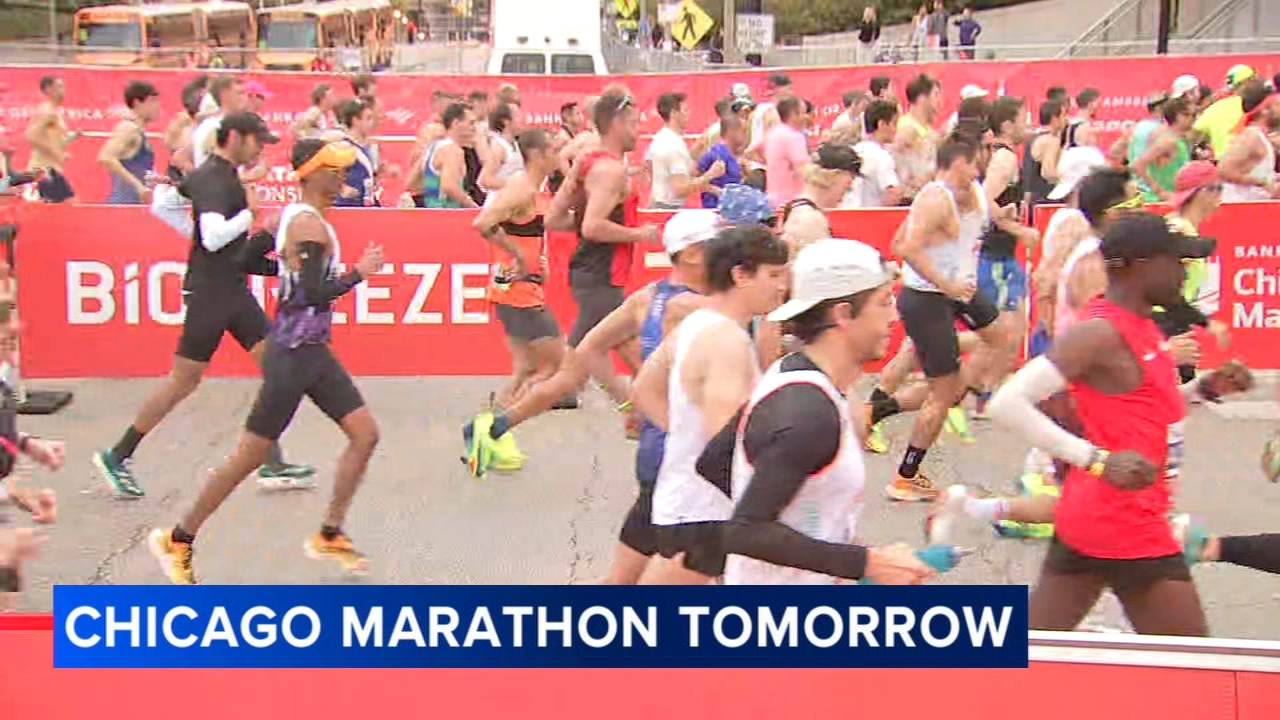
With an estimated 40,000+ runners descending upon the city, the demand for accommodation skyrockets. Hotels across Chicago, from luxurious downtown suites to more budget-friendly options in surrounding neighborhoods, experience a significant surge in bookings. This period often sees high occupancy rates, with many establishments filling up months in advance.
Runners and their supporters seek a variety of lodging options. Some prefer the convenience of staying in downtown Chicago hotels, offering easy access to the start and finish lines, as well as proximity to major attractions like the Art Institute of Chicago or Millennium Park. These often include renowned establishments like the Palmer House, a historic hotel known for its grandeur, or the Fairmont Chicago, Millennium Park, offering stunning city views.
Others might opt for resorts or apartments offering more space and amenities, especially for families or groups traveling together. Areas like the Mag Mile become particularly popular, not just for their proximity to the race but also for their extensive shopping and dining options. The Embassy Suites by Hilton Chicago Downtown Magnificent Mile is a prime example of accommodation that caters to both business and leisure travelers, including those participating in or supporting the marathon.
The booking process for these hotels becomes a strategic endeavor. Runners often book their stays as soon as they secure their race entry. The accommodation comparison websites become invaluable tools for finding the best deals and locations. Beyond traditional hotels, vacation rentals and apartments also see increased demand, offering a more home-like experience for longer stays or for those traveling with more extensive needs. The Chicago tourism board and local hotels actively promote packages and deals specifically for marathon attendees, further stimulating the local economy.
Tourism and Local Experiences
The Chicago Marathon is a powerful engine for tourism. Beyond the race itself, runners and their companions have time to explore the city’s rich offerings. This means increased foot traffic to landmarks, museums, restaurants, and shops.
Famous places like Navy Pier, with its iconic Ferris wheel, become popular diversions. Visitors often take advantage of the marathon weekend to explore the architectural marvels of Chicago on a river cruise or to visit the Shedd Aquarium. The city’s vibrant food scene also benefits greatly, with restaurants experiencing a boom in patrons eager to fuel up before the race or celebrate their achievement afterward. From deep-dish pizza at Lou Malnati’s to fine dining establishments, Chicago offers a culinary journey for every palate.
The local culture is also on full display. Neighborhoods along the marathon route, such as Lincoln Park or the South Loop, come alive with spectators. This creates a unique atmosphere, allowing visitors to experience the diverse character of Chicago beyond the typical tourist trails. The energy of the crowds, the cheering, and the sense of community are palpable, making it a memorable experience for everyone involved, whether they are running, spectating, or simply living in the city.

Lifestyle and Event Planning
The Chicago Marathon caters to a wide spectrum of lifestyle choices. It’s a significant event for luxury travel enthusiasts who might pair their race participation with a stay at a high-end resort or a fine dining experience. Simultaneously, it attracts budget travel enthusiasts who meticulously plan their trip to make the most of their resources, perhaps opting for shared accommodation or focusing on free attractions and affordable eateries.
For families, the marathon weekend can be a fantastic trip. While one family member runs, others can enjoy the city’s many family-friendly activities, such as visiting the Field Museum or enjoying the interactive exhibits at the Museum of Science and Industry. The planning involved in such trips often includes considerations for stroller-friendly routes, kid-friendly dining, and family-oriented experiences.
Business travelers might also find themselves in Chicago during marathon weekend, though their focus might be on their professional engagements. However, the vibrant atmosphere of the city during this time can add an extra layer of enjoyment to their business stays. The seamless integration of major sporting events with the city’s ongoing business and leisure activities showcases Chicago as a dynamic and multifaceted destination.
In conclusion, the Chicago Marathon is an event of immense scale, drawing tens of thousands of runners and creating a ripple effect throughout the city. The question of “how many people run in the Chicago Marathon?” opens a window into a complex ecosystem of travel, accommodation, tourism, and lifestyle planning, all converging in the heart of Chicago to create an unforgettable experience for participants and visitors alike. The race is a testament to the enduring human spirit and a significant contributor to the economic and cultural vitality of one of America’s greatest cities.
LifeOutOfTheBox is a participant in the Amazon Services LLC Associates Program, an affiliate advertising program designed to provide a means for sites to earn advertising fees by advertising and linking to Amazon.com. Amazon, the Amazon logo, AmazonSupply, and the AmazonSupply logo are trademarks of Amazon.com, Inc. or its affiliates. As an Amazon Associate we earn affiliate commissions from qualifying purchases.