
The New York City Marathon is more than just a race; it’s a global phenomenon, an iconic fixture in the world of endurance sports, and a profound celebration of the human spirit. Each year, on the first Sunday of November, the streets of New York City transform into a vibrant, cheering spectacle, as tens of thousands of runners from every corner of the globe embark on a 26.2-mile journey through the city’s diverse boroughs. The sheer scale of this event is staggering, making it one of the largest and most sought-after marathons worldwide.
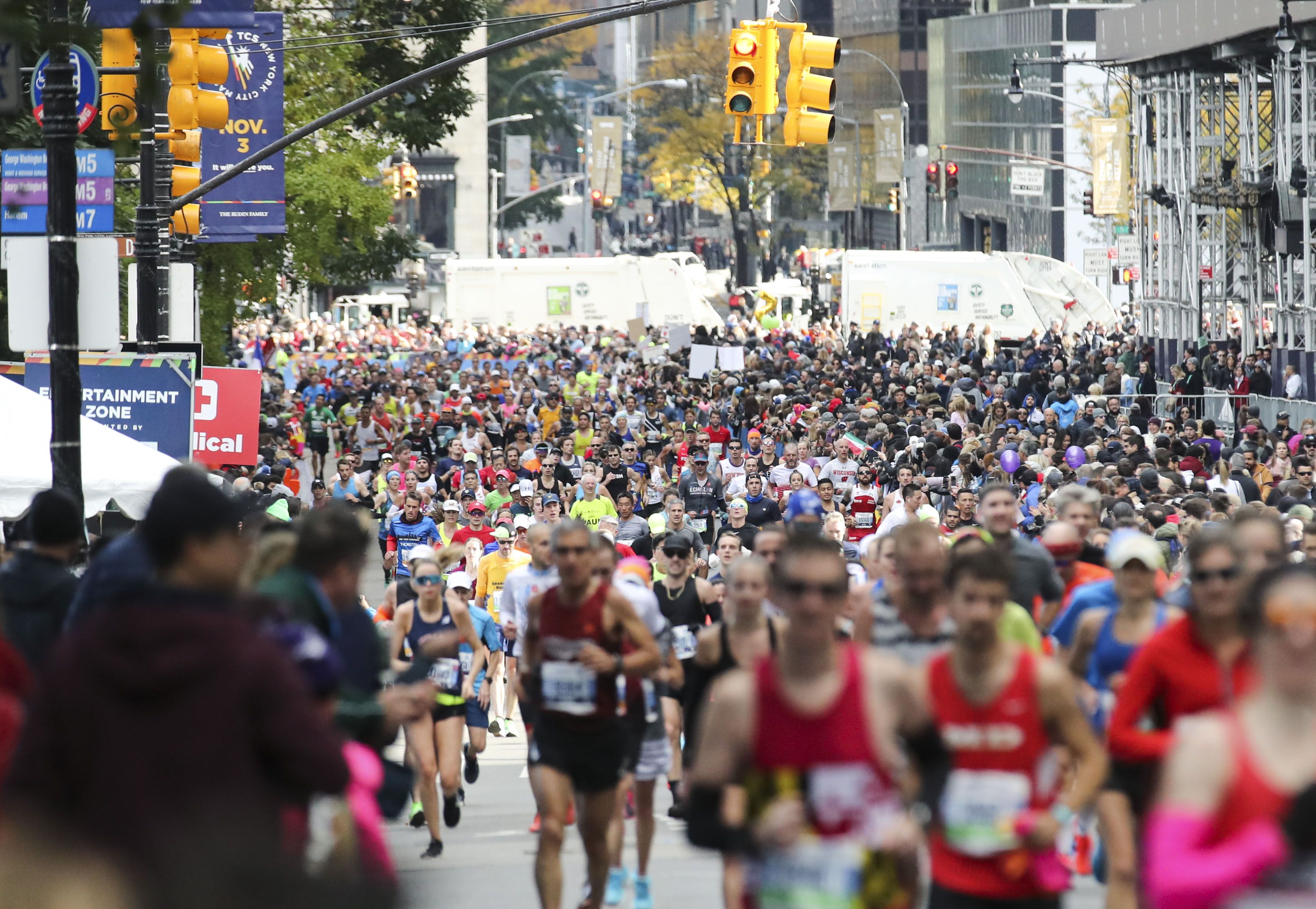
So, just how many people run the New York City Marathon? While the exact number fluctuates slightly from year to year due to various factors like registration limits, withdrawals, and race day conditions, the event consistently hosts over 50,000 finishers. For instance, in recent years, the race has seen numbers ranging from around 50,000 to nearly 54,000 official finishers, making it a true testament to its immense popularity and the meticulous organization by the New York Road Runners (NYRR). To put that into perspective, imagine a small city’s population undertaking a marathon simultaneously, cheered on by an estimated one million spectators lining the course. This incredible participation makes the NYC Marathon a bucket-list event for runners and an unforgettable experience for visitors to the Big Apple. Whether you’re a seasoned runner aiming for a personal best, a charity runner making a difference, or a first-timer soaking in the atmosphere, the journey to the New York City Marathon is an adventure in itself, deeply intertwined with travel, accommodation, local tourism, and an encompassing lifestyle.
The Magnitude of the New York City Marathon: A Global Phenomenon
The New York City Marathon isn’t just one of the largest marathons; it’s arguably the most diverse and geographically represented, attracting athletes and enthusiasts from over 125 countries. This international appeal significantly contributes to the substantial numbers of participants, transforming the event into a truly global gathering. The allure is multifaceted: the challenging urban course, the electrifying crowd support, and the unparalleled opportunity to traverse the iconic streets of New York City on foot, free from vehicular traffic.
A Race of Records and Global Representation
Historically, the race has grown exponentially since its humble beginnings in 1970 when only 127 runners competed entirely within Central Park. Today, the scale is monumental. The highest number of finishers was recorded in 2019, with 53,627 people crossing the finish line, solidifying its status as one of the world’s largest marathons. This tremendous growth is a testament to the organizational prowess of the NYRR and the enduring appeal of the marathon as a personal challenge and a collective celebration.
Participants gain entry through various avenues: a competitive lottery system, guaranteed entry for those who meet specific time qualifications, participation through official charity partners, or completing the NYRR 9+1 program (running nine qualifying races and volunteering at one NYRR event within a year). Each pathway underscores the commitment required to earn a spot in this prestigious race, highlighting the dedication of every runner. This intricate entry system ensures a diverse field, from elite professional athletes vying for victory to recreational runners achieving a lifelong dream. The sheer volume of applications far exceeds the available spots, making acceptance into the NYC Marathon a victory in itself. The pre-race TCS New York City Marathon Expo at the Jacob K. Javits Convention Center buzzes with energy, as thousands of runners pick up their bibs, browse merchandise, and soak in the vibrant atmosphere, a precursor to the main event.
The Runner’s Journey to the Starting Line
For many, the journey to the New York City Marathon begins months, if not years, in advance. It’s a lifestyle commitment involving rigorous training, dietary adjustments, and mental preparation. But for those traveling from afar, it also involves meticulous travel planning. Securing flights, arranging suitable accommodation, and understanding local logistics are crucial components of the pre-race experience. Runners often arrive several days before the race to acclimate to the time zone, settle into their lodging, and attend pre-race events like the marathon expo. This extended stay naturally contributes to the local tourism economy, as runners and their support crews explore the city, dine at local restaurants, and visit famous landmarks. The excitement builds in the days leading up to the race, as the city fills with an international contingent united by a common goal.
Planning Your New York City Marathon Experience: Travel & Accommodation
Participating in or spectating the New York City Marathon requires strategic planning, particularly concerning travel and accommodation in a bustling metropolis like New York City. Given the massive influx of people – runners, their families, friends, and support teams – hotels and flights book up quickly, and prices can surge. Astute planning ensures a smoother, more enjoyable experience, whether you’re pounding the pavement or cheering from the sidelines.
Securing Your Stay: Hotels, Apartments, and More
Finding the right place to stay is paramount. Runners prioritize comfort, convenience, and proximity to transportation hubs or the finish line. Spectators might prefer locations near popular cheering spots along the route. Manhattan is a popular choice, offering a wide array of hotels, from luxury suites to more budget-friendly options. Areas around Midtown, the Upper West Side, and Upper East Side are particularly sought after due to their accessibility to Central Park, where the race concludes. For instance, hotels near Columbus Circle or along Central Park South offer prime locations for post-race recovery and celebrations.
However, the sheer demand means booking well in advance – often a year out – is essential. Websites specializing in hotel bookings and accommodation reviews are indispensable tools for comparing prices and amenities. Many runners also consider alternatives like vacation rentals or serviced apartments in Brooklyn or Queens for a more authentic local experience or greater space, especially if traveling with family. These options often provide excellent value and can offer a different perspective of New York City away from the immediate hustle of Manhattan. When choosing, consider not just the price, but also the ease of access to the race start (on Staten Island) and finish line, as well as proximity to essential amenities like grocery stores and public transport. Many hotels in the city are accustomed to hosting marathon runners and may offer special amenities like early breakfast options or late check-out on race day.

Navigating the Big Apple: Transport and Logistics
On race day, getting to the start village on Staten Island from various points in New York City is a well-orchestrated logistical feat. Runners typically utilize official buses departing from Manhattan, New Jersey, or the Staten Island Ferry. Understanding the public transportation system, particularly the subway, is vital for both runners and spectators. The subway provides efficient access to different parts of the city for sightseeing pre- and post-race, and allows spectators to move strategically along the course to cheer on their runners at multiple points. A MetroCard becomes your best friend for navigating the city.
For those flying in, New York City is served by several major airports: John F. Kennedy International Airport (JFK), Newark Liberty International Airport (EWR), and LaGuardia Airport (LGA). Planning airport transfers in advance, whether by taxi, ride-share, or public transport, will mitigate stress upon arrival. Given the potential for travel delays, particularly in early November, building in an extra day or two for arrival before the race is a wise strategy for international travelers and those coming from distant states. This also allows for an opportunity to explore New York before the intensity of race day.
Beyond the Finish Line: Exploring New York City
The New York City Marathon offers a unique vantage point of the city, literally running through five distinct boroughs. For many, the race is an unparalleled opportunity to experience New York in a way few tourists ever do. But the experience extends far beyond the 26.2 miles. Post-race, the city beckons with an endless array of attractions, diverse cuisine, and vibrant culture, making it an ideal destination for a comprehensive tourism adventure.
Iconic Landmarks Along the Course
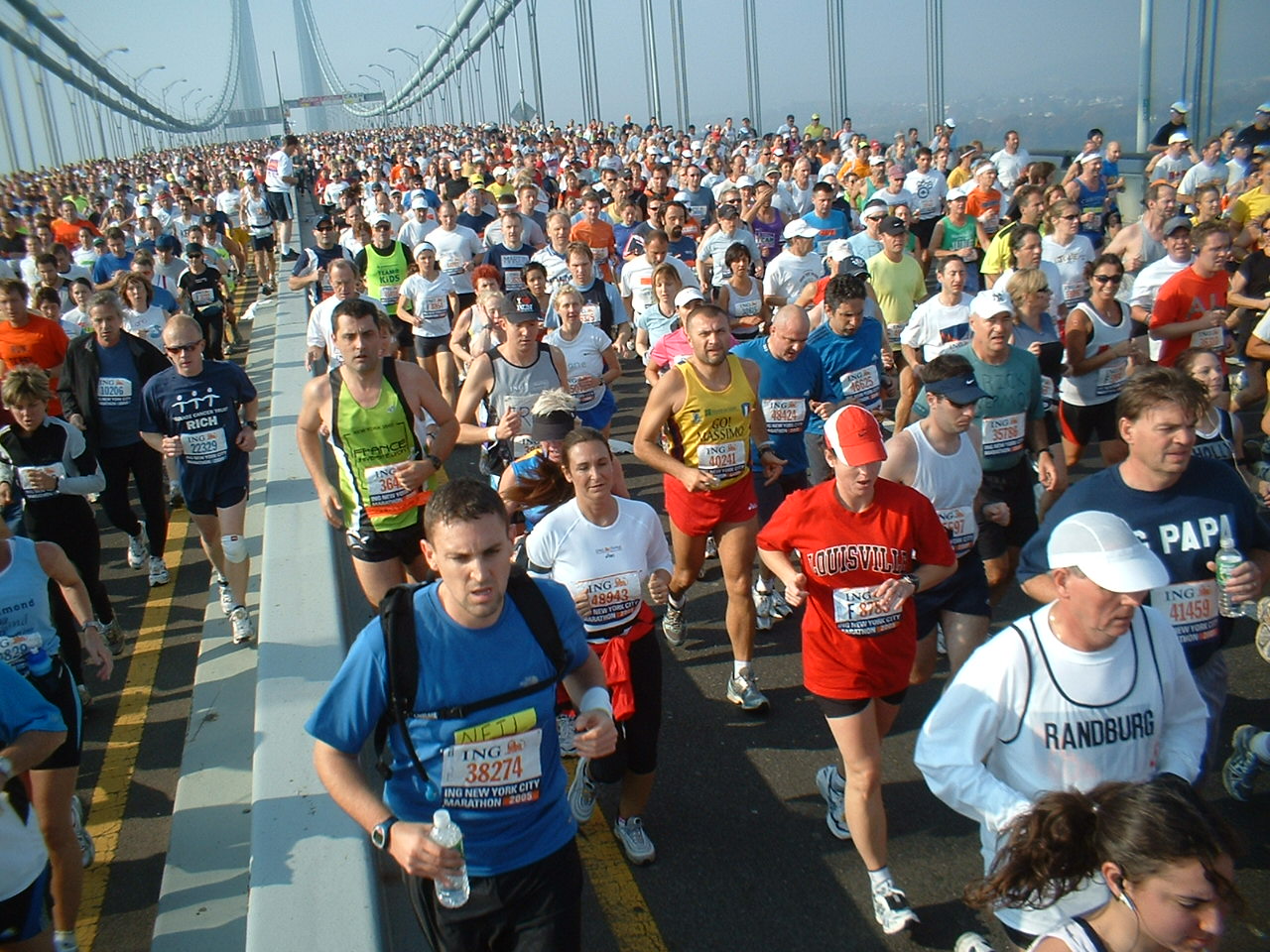
The marathon route itself is a living tour guide of New York City. Runners begin on the Verrazzano-Narrows Bridge, offering breathtaking views of the Manhattan skyline and the Statue of Liberty as they make their way into Brooklyn. The energetic crowds of Brooklyn carry them through diverse neighborhoods, before they cross the Pulaski Bridge into Queens and then the formidable Queensboro Bridge, often described as the “Bridge of Silence” before the roar of Manhattan’s First Avenue erupts.
From First Avenue, the course sweeps into the Bronx for a brief but memorable stint, crossing the Willis Avenue Bridge and the Madison Avenue Bridge before re-entering Manhattan for the final push down Fifth Avenue, past the magnificent architecture of the Metropolitan Museum of Art, and into Central Park for the triumphant finish near Tavern on the Green. Each borough offers its unique flavor and incredible crowd support, making the run a cultural immersion in itself. Spectators can strategically position themselves at various points, such as Fourth Avenue in Brooklyn, First Avenue in Manhattan, or the final stretch in Central Park, to witness the marathon’s unfolding drama.
Post-Race Delights and Cultural Immersion
After the medal is hung and the initial fatigue subsides, New York City is yours to explore. The post-marathon glow is a perfect excuse to indulge in the city’s world-class dining scene. From Michelin-starred restaurants to cozy neighborhood eateries, and an unparalleled diversity of international cuisine, there’s something to satisfy every craving. Consider a well-deserved celebratory meal in Greenwich Village, a gourmet pizza in Brooklyn, or a classic New York-style bagel from a local deli.
Beyond food, New York City offers a plethora of cultural experiences. Take a leisurely stroll through Central Park, visit world-renowned museums like the Museum of Modern Art (MoMA) or the American Museum of Natural History, catch a Broadway show in the Theater District, or ascend to the top of the Empire State Building for panoramic views. The city’s energy is infectious, making it an ideal place to recover and celebrate your accomplishment. Many runners extend their stay to enjoy a mini-vacation, turning the marathon trip into a full-fledged travel experience. Explore neighborhoods like SoHo for shopping, Chinatown for authentic flavors, or simply wander through Times Square to soak in the dazzling lights and vibrant atmosphere.
The NYC Marathon Lifestyle: Training, Community, and Lasting Memories
The New York City Marathon transcends a single day event; it represents a lifestyle for countless individuals. The dedication to training, the camaraderie among runners, and the indelible memories created form a significant part of this lifestyle that extends far beyond race day. This sense of community and achievement is a powerful draw, encouraging thousands to participate year after year.
The months of training represent a commitment to personal well-being, discipline, and perseverance. It’s a journey that often includes group runs, shared advice, and mutual encouragement, forging bonds that strengthen the running community. For many, running the NYC Marathon is not just about physical endurance but also about mental fortitude and achieving a goal once thought impossible. The event embodies a spirit of triumph over adversity, a narrative that resonates deeply with people from all walks of life.
Crossing the finish line in Central Park is an emotional culmination, a moment of profound personal accomplishment often shared with loved ones. The memories of the roaring crowds, the diverse neighborhoods, and the sheer exhilaration of achieving a monumental goal last a lifetime. For travelers, it’s a unique way to engage with a city, combining a personal athletic challenge with an immersive cultural experience. Whether it’s the thrill of competition, the drive for personal best, or the desire to support a charitable cause, the marathon offers a unique blend of challenge and reward. This fusion of personal aspiration and global celebration is why the New York City Marathon continues to draw over 50,000 participants annually, solidifying its place as a truly iconic event on the world stage.
In conclusion, the question “How many people run the New York City Marathon?” is answered by a staggering number – consistently over 50,000 finishers – but the true significance lies in the multitude of individual stories, the global tapestry of participants, and the enduring impact of this extraordinary event. It’s an adventure that combines the rigor of athletic pursuit with the joy of travel, the exploration of a world-class city, and the creation of unforgettable memories. For anyone seeking a challenge, a vibrant cultural experience, and a taste of the New York City spirit, the marathon offers an unparalleled journey.
LifeOutOfTheBox is a participant in the Amazon Services LLC Associates Program, an affiliate advertising program designed to provide a means for sites to earn advertising fees by advertising and linking to Amazon.com. Amazon, the Amazon logo, AmazonSupply, and the AmazonSupply logo are trademarks of Amazon.com, Inc. or its affiliates. As an Amazon Associate we earn affiliate commissions from qualifying purchases.