
The allure of the Hawaiian Islands has long been a cornerstone of global travel dreams. For decades, the archipelago has served as a beacon for those seeking the perfect blend of tropical beauty, volcanic majesty, and a unique cultural heritage found nowhere else on Earth. However, as the world of travel evolves, the question of “how many” has become inextricably linked to “how” and “why.” Understanding the volume of visitors to Hawaii is not merely an exercise in counting arrivals; it is a vital metric for understanding the health of the local economy, the preservation of the delicate ecosystem, and the sustainability of the Native Hawaiian culture.
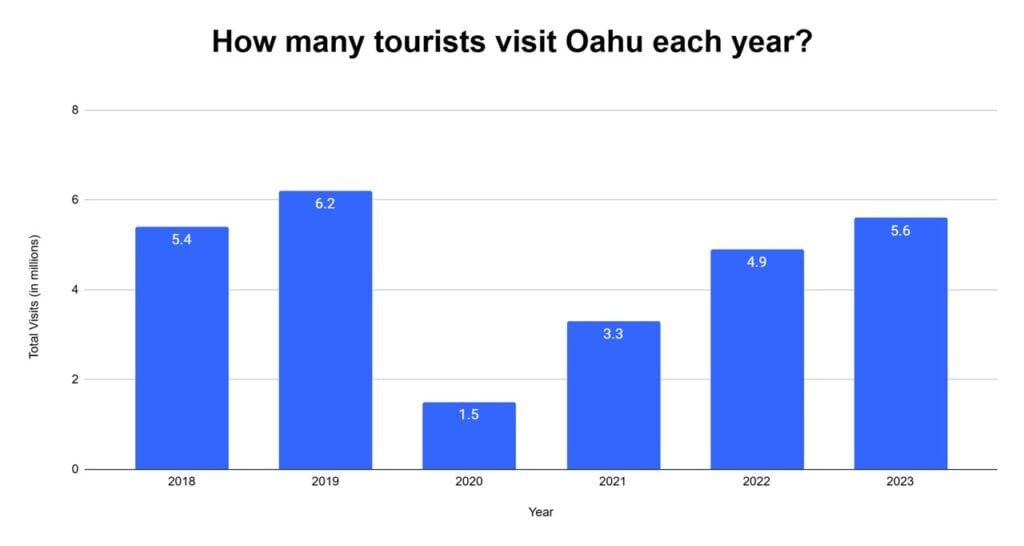
On average, Hawaii welcomes approximately 9 to 10 million visitors annually. This figure has seen significant fluctuations over the last few years, reaching record highs in 2019 before experiencing a dramatic pause due to global health restrictions, and subsequently rebounding with remarkable speed. As of the current trajectory, the islands are nearing their historical peaks once again, with millions of travelers from the United States, Japan, Canada, and Australia touching down on the runways of Daniel K Inouye International Airport and Kahului Airport.
The Demographic Breakdown: Who is Visiting the Islands?
The sheer volume of visitors is driven largely by domestic travelers from the United States. Historically, residents of the West Coast, specifically from California, Washington, and Oregon, make up the lion’s share of arrivals. The proximity of these states makes a trip to Honolulu or Lihue a relatively accessible tropical escape. However, the international market remains a critical component of the tourism landscape.
The Influence of the Japanese Market
For decades, Japan has been the most significant international source of tourism for Hawaii. Before the global shifts of 2020, over 1.5 million Japanese tourists visited the islands annually, drawn to the high-end shopping of Kalakaua Avenue and the historical significance of sites like Pearl Harbor. While this market has been slower to return to its pre-2019 levels compared to domestic travel, it remains a primary focus for the Hawaii Tourism Authority. The cultural ties between Japan and Hawaii are deep, influencing everything from the local cuisine—think Musubi and Sashimi—to the architecture and religious landmarks like the Byodo-In Temple.
Domestic Growth and Emerging Markets
While the West Coast remains steady, there has been a noticeable increase in visitors from the East Coast and the Midwest. Improved flight paths and long-haul connections have made it easier for travelers from New York and Chicago to justify the ten-hour flight. Additionally, Canada consistently contributes several hundred thousand visitors a year, particularly during the winter months when “snowbirds” seek the warmth of Maui and the Big Island.
Island-by-Island Distribution: Where the Crowds Congregate
Not all islands experience the same volume of foot traffic. The distribution of these 10 million visitors is largely dictated by infrastructure, available activities, and the specific “vibe” each island offers.
Oahu: The Gathering Place
Oahu lives up to its nickname, “The Gathering Place,” by hosting nearly half of all visitors to the state. Honolulu is the primary gateway, and the iconic Waikiki Beach is the epicenter of tourism. Travelers flock here for the urban energy, the historic tours of the USS Arizona Memorial, and the world-class surfing at the North Shore during the winter months. The high density of Oahu allows for a massive influx of people without overwhelming the more rural parts of the neighboring islands.
Maui and the Big Island
Maui typically sees around 2 to 3 million visitors a year. It is the preferred destination for luxury seekers and honeymooners, often centering their stay around Lahaina (prior to recent rebuilding efforts), Kaanapali, and Wailea. The Road to Hana and Haleakala National Park remain top attractions that draw significant crowds.

The Island of Hawaii, or the Big Island, attracts approximately 1.5 to 1.7 million visitors. Its draw is largely geological; Hawaii Volcanoes National Park provides a rare opportunity to witness active volcanic landscapes. Because of its sheer size, the Big Island often feels less crowded than Oahu or Maui, despite the high number of arrivals.
Kauai: The Garden Isle
Kauai receives the fewest visitors of the four major islands, usually hovering around 1.3 million. This is intentional. The island’s infrastructure is more limited, and the local government has often been vocal about maintaining a slower pace of life. Travelers head to Kauai for the Na Pali Coast and Waimea Canyon, seeking a more nature-centric, quiet experience compared to the bustle of Waikiki.
The Cultural Impact: Tourism as a Double-Edged Sword
With 10 million people descending upon a landmass with a permanent population of only about 1.4 million, the cultural impact is profound. Tourism is the lifeblood of the economy, providing jobs for hundreds of thousands of residents, yet it also places a strain on local resources and sacred sites.
Preserving the Aloha Spirit
The “Aloha Spirit” is more than just a marketing slogan; it is a legal and cultural framework of kindness and harmony. However, as visitor numbers climb, there is a growing movement toward “Regenerative Tourism.” This concept encourages visitors to give back to the land (Aina) rather than just consuming its beauty. Programs like Malama Hawaii connect tourists with volunteer opportunities, such as reforestation projects or beach cleanups at Kailua Beach, in exchange for hotel discounts or unique experiences.
Authentic Cultural Engagement
The modern tourist is increasingly moving away from the “plastic Luau” experience in favor of authentic engagement. There is a heightened interest in Native Hawaiian history, the Hawaiian Language, and traditional practices like Hula and Lomilomi massage. This shift helps support local artisans and cultural practitioners, ensuring that the wealth generated by 10 million visitors is distributed more equitably among the people who call the islands home. Sites like the Polynesian Cultural Center on Oahu and the Bishop Museum serve as vital education hubs for this massive annual audience.
Managing the Flow: Tips for the Conscious Traveler
Given the high volume of visitors, traveling to Hawaii requires more foresight today than it did a decade ago. To ensure a positive experience for both the visitor and the local community, certain strategies have become essential.
Navigating Peak Seasons
Visitor numbers peak during the summer months and the year-end holiday season. If you are part of the December rush, expect high prices and crowded attractions at places like Diamond Head State Monument. To avoid the heaviest crowds, savvy travelers look toward the “shoulder seasons”—specifically from mid-April to early June and from September to mid-November. During these windows, the island’s infrastructure is under less pressure, and the experience feels significantly more personal.
Reservations and Restrictions
To manage the millions of visitors, Hawaii has implemented several reservation systems for its most popular landmarks. For instance, Hanauma Bay Nature Preserve on Oahu requires advance bookings to limit daily foot traffic and protect the coral reef. Similarly, visiting Haena State Park on Kauai now requires a permit. Travelers are encouraged to check the requirements for Haleakala sunrise viewings and Waianapanapa State Park well in advance of their trip.

Supporting Local Infrastructure
One of the best ways to mitigate the impact of high visitor volume is to support local businesses over large international chains. Choosing a local Poke shop in Kapolei or buying produce at a farmer’s market in Hilo ensures that tourism dollars stay within the community. Furthermore, using public transportation like the Waikiki Trolley or the TheBus in Honolulu helps reduce the traffic congestion that often plagues the islands during peak visitor months.
The question of how many people visit Hawaii each year is ultimately a story of balance. While the 10 million annual visitors bring prosperity and global connection, the future of Hawaiian tourism lies in managing those numbers with respect for the land and its people. By choosing to travel mindfully, every visitor can contribute to the preservation of this unique paradise for generations to come.
LifeOutOfTheBox is a participant in the Amazon Services LLC Associates Program, an affiliate advertising program designed to provide a means for sites to earn advertising fees by advertising and linking to Amazon.com. Amazon, the Amazon logo, AmazonSupply, and the AmazonSupply logo are trademarks of Amazon.com, Inc. or its affiliates. As an Amazon Associate we earn affiliate commissions from qualifying purchases.