
Las Vegas, a shimmering oasis of neon lights and high-stakes excitement carved out of the Mojave Desert, remains one of the most visited cities on the planet. For decades, this Nevada powerhouse has evolved from a gambling outpost into a multi-faceted tourism titan. When people ask, “How many people visit Las Vegas every year?” they are often surprised by the sheer magnitude of the data. In a typical year, the city welcomes between 38 million and 43 million visitors. These numbers represent a diverse demographic of international travelers, business professionals attending massive conventions, and domestic tourists seeking world-class entertainment.

Understanding the tourism landscape of Las Vegas requires looking beyond the casino floor. The city has undergone a cultural metamorphosis, pivoting toward fine dining, professional sports, and immersive technology. This shift has ensured that Las Vegas remains a resilient destination, consistently breaking its own records and redefining what it means to be a global tourism hub in the United States.
Analyzing the Numbers: Annual Visitor Statistics and Growth Trends
The Las Vegas Convention and Visitors Authority monitors the heartbeat of the city through rigorous data collection. Historically, the peak of Las Vegas tourism was seen in 2016, with nearly 43 million visitors. While global events caused a temporary dip, the recovery has been nothing short of spectacular. By 2023, the city saw a return to form, with figures hovering around the 40.8 million mark, signaling a robust appetite for the “Vegas experience.”
The Post-Pandemic Recovery and Resilience
The resilience of Las Vegas tourism is perhaps its most defining characteristic. Following a period of global travel restrictions, the city became a primary beneficiary of “revenge travel.” The rapid reopening of venues like the Bellagio and Caesars Palace provided a sense of normalcy that travelers craved. The data shows that while international travel took longer to stabilize, domestic drive-in traffic from California and Arizona surged, keeping the local economy afloat. This period also saw an increase in the average length of stay, as visitors sought to make the most of their trips after months of confinement.
Convention vs. Leisure Travelers
A significant portion of the annual visitor count is driven by the business sector. Las Vegas is arguably the world leader in conventions and trade shows. Events like CES (Consumer Electronics Show) and SEMA draw hundreds of thousands of professionals to the Las Vegas Convention Center. Convention tourism is vital because business travelers often have higher spending averages on dining and local services compared to the average leisure traveler. The synergy between the Las Vegas Strip and the convention sector creates a balanced ecosystem where midweek business complements weekend leisure crowds.
The Evolution of Tourism: Beyond the Casino Floor
The modern tourist in Las Vegas is just as likely to be found at a Michelin-starred restaurant as they are at a blackjack table. This diversification is a deliberate strategy to attract a younger, more “experience-oriented” demographic. The city has transitioned from being the “Gambling Capital of the World” to the “Entertainment Capital of the World,” and more recently, a legitimate “Sports Capital.”
A Global Gastronomy Destination
The culinary scene is a primary driver for modern tourism. Famous chefs like Gordon Ramsay, Wolfgang Puck, and Giada De Laurentiis have established flagship restaurants along the Strip. Tourists now plan entire itineraries around food tours, moving from the extravagant buffets at the Wynn Las Vegas to the trendy, tucked-away eateries in the Arts District. This focus on “foodie culture” has expanded the city’s appeal to those who might never step foot in a casino, significantly boosting the annual visitor count.
Immersive Entertainment and World-Class Residencies
The entertainment landscape has been revolutionized by high-tech venues. The Sphere has become a global sensation, using cutting-edge LED technology to offer sensory experiences that cannot be found elsewhere. Additionally, the residency model—where stars like Adele and U2 perform for extended periods—has created a “pilgrimage” effect. Fans travel from across the globe, staying in resorts like The Venetian Resort or MGM Grand specifically to see their favorite artists, contributing to the steady influx of millions of people annually.

Exploring the Local Culture and Activities
While the Strip is the primary engine of Las Vegas tourism, a growing number of visitors are seeking out the authentic culture of the city. There is a rich history here that predates the mega-resorts, and local activities offer a refreshing contrast to the neon glow of the main thoroughfare.
The Neon Legacy and Downtown Revival
Downtown Las Vegas has undergone a massive revitalization. Fremont Street offers a more vintage, “Old Vegas” vibe that many tourists find charming and more walkable than the south end of the city. The Neon Museum is a must-visit for history buffs, preserving the iconic signs that once defined the city’s skyline. Similarly, the Mob Museum provides an insightful, professional look into the city’s complex past and the role of organized crime in its founding. These cultural landmarks add depth to the tourist experience, encouraging visitors to explore the city’s identity beyond the surface-level glamour.
Outdoor Adventure in the Mojave Desert
An often-overlooked segment of Las Vegas tourism is the “great outdoors.” The city serves as a gateway to some of the most stunning natural landscapes in North America. Red Rock Canyon, located just 20 minutes from the Strip, attracts hikers, climbers, and photographers by the millions. Many tourists also use Las Vegas as a base to visit the Hoover Dam or take a helicopter tour to the Grand Canyon. The ability to combine high-energy nightlife with serene desert landscapes makes Las Vegas a uniquely versatile destination.
Practical Tips for Navigating the Tourist Landscape
With 40 million people descending on a single city annually, knowing how to navigate the infrastructure is essential for a positive experience. Tourism tips for Las Vegas often focus on timing and transportation, as the city operates on a 24/7 clock that can be overwhelming for the uninitiated.
Timing Your Visit: Seasons and Events
Choosing when to visit is crucial. The peak months are typically March, April, and October, when the weather is mild enough to enjoy outdoor pools and desert excursions. However, the visitor count spikes during major holidays like New Year’s Eve and during massive sporting events at Allegiant Stadium or T-Mobile Arena. For those looking to avoid the largest crowds, visiting mid-week during the summer months (if you can handle the heat) often provides the most “elbow room” and better value for local activities.
Getting Around: Transportation and Accessibility
Most visitors arrive via Harry Reid International Airport, which is conveniently located near the Strip. Once in the city, the Las Vegas Monorail offers an efficient way to travel between major resorts without dealing with traffic. Walking is common, but distances are deceptive; a “next door” hotel might be a twenty-minute walk. For those exploring Downtown Las Vegas, ride-sharing services are highly recommended. Additionally, the Deuce bus service is a cost-effective way for tourists to see the entire length of the Las Vegas Boulevard at their own pace.
The Rise of Professional Sports
One cannot discuss Las Vegas tourism today without mentioning sports. The arrival of the Vegas Golden Knights and the Las Vegas Raiders has changed the city’s visitor profile. Fans now travel to Las Vegas not just for the city itself, but to support their teams. The Las Vegas Grand Prix (Formula 1) has also become a massive annual draw, bringing in a high-spending international crowd and further cementing the city’s status as a top-tier global destination.
Conclusion: The Future of Las Vegas Tourism
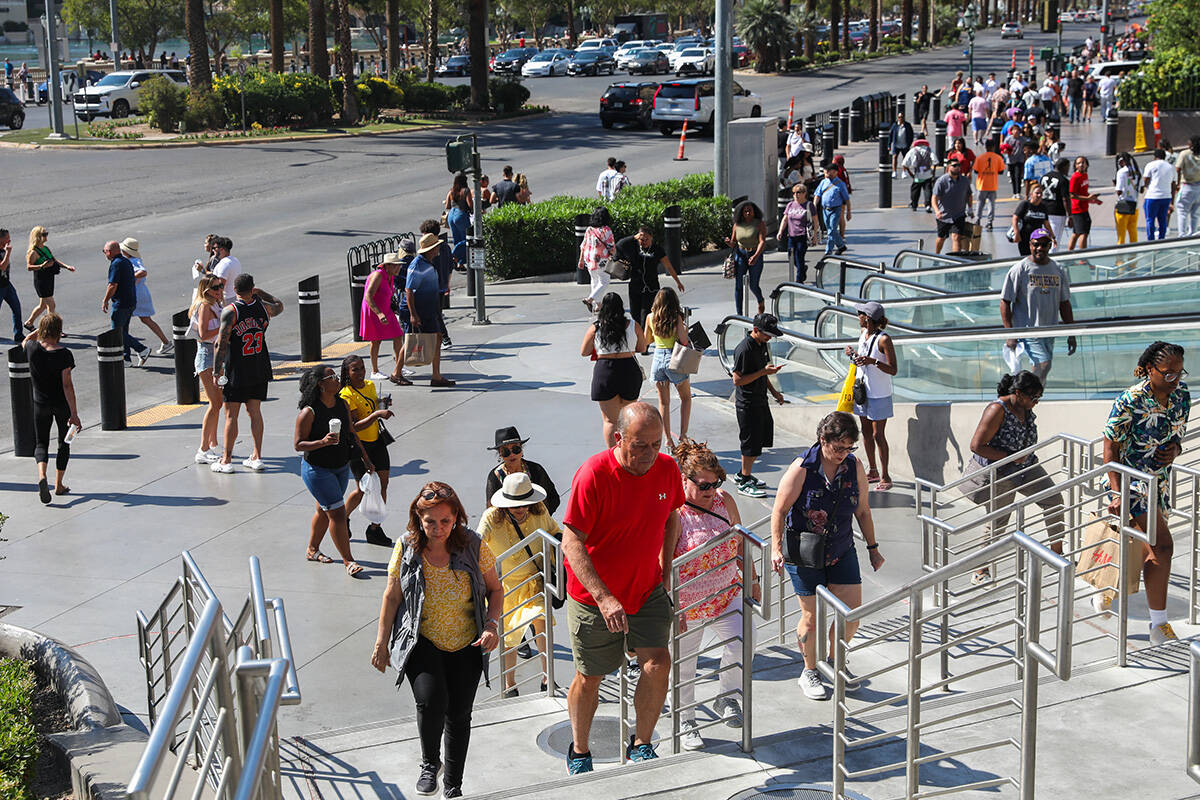
The question of how many people visit Las Vegas is more than just a statistic; it is a testament to the city’s ability to reinvent itself. From its roots in Clark County to its current status as a world leader in entertainment and tourism, Las Vegas continues to attract tens of millions of people by offering something for everyone. Whether it is the lure of the luxury resorts, the thrill of professional sports, the depth of local culture, or the beauty of the Southwest landscape, the city’s appeal remains evergreen. As new landmarks like the Fontainebleau Las Vegas open and more international flight routes are established, the number of visitors is poised to continue its upward trajectory, ensuring that Las Vegas remains the ultimate destination for travelers from around the globe.
LifeOutOfTheBox is a participant in the Amazon Services LLC Associates Program, an affiliate advertising program designed to provide a means for sites to earn advertising fees by advertising and linking to Amazon.com. Amazon, the Amazon logo, AmazonSupply, and the AmazonSupply logo are trademarks of Amazon.com, Inc. or its affiliates. As an Amazon Associate we earn affiliate commissions from qualifying purchases.