
New York City stands as a titan of global travel, a perennial favorite that draws tens of millions of visitors from every corner of the globe. As one of the most iconic urban landscapes in existence, its ability to attract crowds is unparalleled. Understanding the scale of visitation to this metropolis offers a unique window into the cyclical nature of global tourism, the resilience of major hubs, and the enduring fascination with the “Big Apple.”
The Scale of Annual Visitation
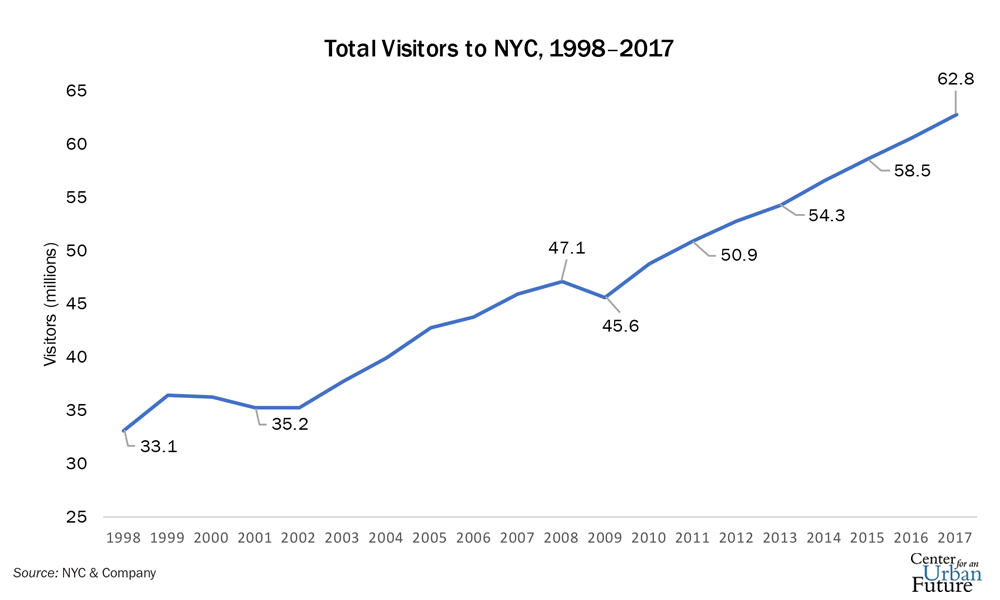
In a typical peak year, New York City welcomes approximately 60 to 65 million visitors. This massive influx is composed of a diverse demographic, ranging from domestic travelers hailing from across the United States to international tourists arriving from Europe, Asia, and South America.

Domestic vs. International Dynamics
The lion’s share of this visitation is domestic. Americans from across the country flock to the city for weekend getaways, business conferences, and family vacations. However, the international market plays a crucial role in shaping the economy. Visitors from nations such as the United Kingdom, Canada, and China represent a significant portion of long-stay travelers who contribute heavily to the city’s hospitality revenue. These international travelers are often drawn by the cultural capital of the city, seeking to experience the vibrant pulse of Manhattan or the artistic communities in Brooklyn.
Seasonality and Peak Periods
The volume of visitors does not remain static throughout the year. The city experiences distinct surges that correlate with specific events and climate patterns.
- The Holiday Season: Late November through December marks the busiest period, fueled by the spectacle of the Rockefeller Center Christmas tree and the world-famous window displays along Fifth Avenue.
- Summer Months: June through August sees a consistent influx of students and families taking advantage of school holidays.
- Shoulder Seasons: Spring and Autumn are generally preferred by business travelers and those looking to enjoy walking tours of Central Park without the extreme temperatures of summer or winter.
Economic Impact and Infrastructure Strain
The presence of over 60 million people annually is not merely a statistic; it is the lifeblood of the city’s economy. The tourism industry in New York City supports hundreds of thousands of jobs, ranging from high-end hospitality management to the operation of massive public transit networks.
The Role of Landmark Destinations
Visitors are often funneled toward specific high-traffic locations. Sites like the Empire State Building, Times Square, and the Statue of Liberty act as magnets that concentrate human traffic. These landmarks require constant infrastructure maintenance and logistical planning to handle the sheer volume of pedestrian flow. The Metropolitan Museum of Art and the American Museum of Natural History also serve as primary anchors that draw millions, ensuring that cultural tourism remains a cornerstone of the city’s identity.

Managing the Crowd
With such high numbers, city planners face the ongoing challenge of “over-tourism.” Efforts to disperse crowds into outer boroughs like Queens or The Bronx have gained traction in recent years. By promoting diverse neighborhoods and lesser-known historical sites, the city aims to maintain a high quality of life for residents while ensuring that visitors still have a fulfilling and authentic experience.
Trends Influencing Future Tourism
The way people travel to New York City is shifting. Post-pandemic recovery has highlighted new trends in how tourists perceive urban travel and what they value during their stay.
The Rise of Sustainable and Experiential Travel
Modern travelers are increasingly looking for more than just a selfie at the Brooklyn Bridge. There is a growing preference for “experiential tourism”—activities that allow visitors to feel like locals. This includes dining in local neighborhoods, exploring farmers’ markets, and participating in walking tours that focus on history or architecture rather than just mass-market shopping.
Digital Influence and Social Media
Platforms like Instagram and TikTok play a massive role in where tourists choose to go. Specific cafes in SoHo or street art murals in Bushwick can suddenly become “must-see” destinations, creating micro-surges in visitation. This digital footprint influences everything from local retail inventory to public transit demand, as visitors utilize apps to navigate the subway system and find the best views of the Hudson River.
The Resilience of New York City
Despite shifts in global trends, the fundamental appeal of New York City remains intact. It is a city of constant renewal, where the blend of history and innovation keeps people coming back. Whether it is a first-time visitor trekking up to the Top of the Rock or a repeat traveler looking to catch a new show on Broadway, the draw of the city is perennial.
Why People Keep Coming Back
The diversity of the city’s offerings—from the culinary scene that touches every continent to the unmatched density of museums and theaters—ensures that no two trips are the same. When people ask how many people visit, the underlying question is often about the city’s endurance. The answer is found in the bustling sidewalks of Wall Street and the quiet benches of Bryant Park. The numbers are high because the city offers something for every traveler, regardless of their background or motivation.
Looking Toward the Future
Projections suggest that as travel barriers decrease and global connectivity improves, the annual number of visitors to New York City will likely continue to climb, potentially surpassing historical highs. This growth necessitates ongoing investment in public spaces, transportation, and sustainability. As the city continues to evolve, the challenge will remain in balancing its status as a global tourism giant with its essential role as a home to its diverse residents. For now, the city remains at the zenith of global travel, proving that its status as the “City That Never Sleeps” is a title well-earned by its persistent ability to capture the imagination of millions every single year.
LifeOutOfTheBox is a participant in the Amazon Services LLC Associates Program, an affiliate advertising program designed to provide a means for sites to earn advertising fees by advertising and linking to Amazon.com. Amazon, the Amazon logo, AmazonSupply, and the AmazonSupply logo are trademarks of Amazon.com, Inc. or its affiliates. As an Amazon Associate we earn affiliate commissions from qualifying purchases.