
The Boston Marathon bombing on April 15, 2013, remains a somber and pivotal moment in the recent history of Boston and the United States. This tragic event, occurring near the finish line of one of the world’s most historic footraces, resulted in a significant loss of life and a profound impact on countless individuals. While the immediate aftermath saw widespread chaos and confusion, the precise toll of the attack eventually became clear, alongside the remarkable resilience of a city united.
The direct casualties of the bombings included three spectators who lost their lives at the scene, with hundreds more sustaining injuries, many of them life-altering. In the days and months that followed, additional deaths were attributed to the events surrounding the manhunt for the perpetrators. Understanding the full scope of this tragedy requires acknowledging all those who perished as a direct or indirect consequence of that fateful day.

The Immediate Tragedy: Lives Lost at the Finish Line
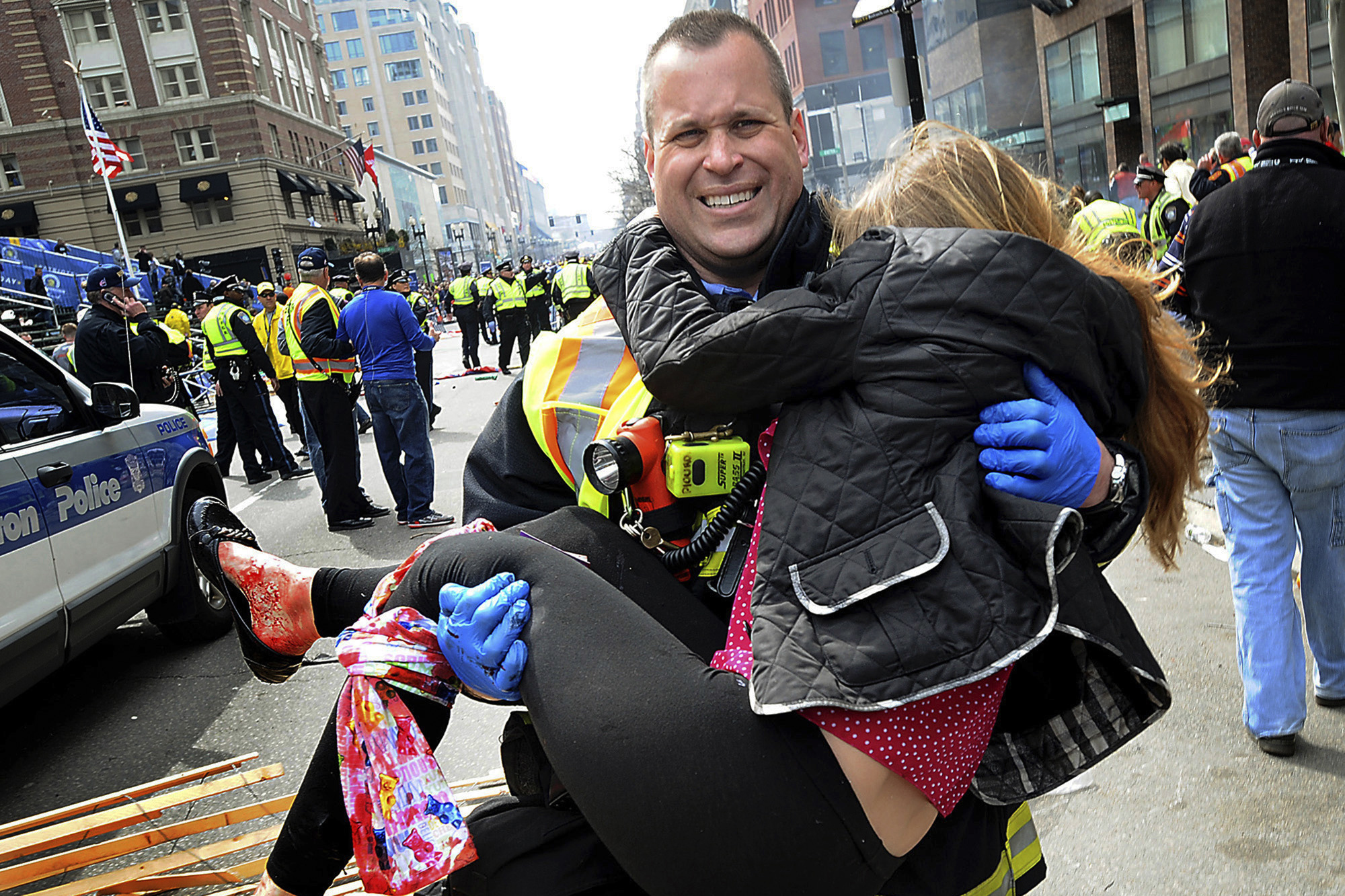
On Monday, April 15, 2013, Patriot’s Day in Massachusetts, two homemade pressure cooker bombs detonated seconds apart near the finish line of the 117th Boston Marathon on Boylston Street. The explosions occurred amidst a dense crowd of spectators, runners, and volunteers, transforming a celebratory atmosphere into a scene of terror and devastation.
Three individuals were killed directly by the blasts:
- Krystle Campbell: A 29-year-old restaurant manager from Medford, Massachusetts, Krystle Campbell was watching the marathon with a friend, who was also severely injured. Her vibrant spirit and dedication to helping others were remembered by all who knew her.
- Lingzi Lu: A 23-year-old graduate student from China, Lingzi Lu was studying statistics at Boston University. She had gone to watch the marathon with friends, embracing her new life and experiences in Boston. Her untimely death sent shockwaves across continents.
- Martin Richard: An 8-year-old boy from Dorchester, Massachusetts, Martin Richard was with his family, cheering on runners near the finish line. His mother suffered a brain injury and his sister lost a leg in the blast. Martin’s death, particularly due to his young age, deeply affected the nation and became a poignant symbol of the innocent lives shattered by the attack. A photograph of him holding a sign that read “No More Hurting People. Peace” became an iconic image of the tragedy and a call for unity.
In addition to these three immediate fatalities, over 260 other individuals suffered injuries, ranging from severe shrapnel wounds and amputations to hearing loss and psychological trauma. The sheer scale of the physical injuries required an unprecedented coordinated response from emergency services, hospitals, and volunteers across the Boston metropolitan area.
The Aftermath: A City Under Siege and Additional Losses
The immediate aftermath of the bombings was marked by a tense and sprawling manhunt for the perpetrators, brothers Dzhokhar and Tamerlan Tsarnaev. This pursuit led to further violence and additional fatalities, underscoring the far-reaching ripple effects of the initial attack.
The Death of Officer Sean Collier
On the night of April 18, 2013, just three days after the marathon attack, Massachusetts Institute of Technology (MIT) Police Officer Sean Collier was ambushed and fatally shot in his patrol car on the MIT campus in Cambridge. The Tsarnaev brothers, desperate for a new weapon and trying to evade capture, shot Officer Collier multiple times. His death was a direct consequence of the terrorists’ flight, making him the fourth fatality connected to the marathon attacks. Officer Collier, a dedicated officer, was celebrated for his commitment to service and his kind demeanor within the MIT community.
The Watertown Shootout and Tamerlan Tsarnaev’s Death

Hours after Officer Collier’s murder, the Tsarnaev brothers engaged in a violent confrontation with law enforcement officers in Watertown, Massachusetts. During this intense shootout, which involved explosives and a barrage of gunfire, Tamerlan Tsarnaev was severely wounded. He was run over by his brother, Dzhokhar, as Dzhokhar fled the scene in a stolen car. Tamerlan was later pronounced dead at Beth Israel Deaconess Medical Center from his injuries. While not a victim in the traditional sense, his death marked a critical turn in the manhunt and brought a measure of closure to the immediate pursuit.
The Later Death of Officer Dennis Simmonds
In 2014, Boston Police Officer Dennis Simmonds died from complications sustained during the Watertown shootout with the Tsarnaev brothers. During the exchange of gunfire and explosives, Officer Simmonds suffered a head injury from a pipe bomb thrown by the suspects. Though he initially recovered and returned to duty, his health deteriorated, and his death was officially linked by medical examiners to the injuries he sustained that night. His passing brought the total number of fatalities directly attributable to the Boston Marathon bombing and its immediate aftermath to five.
In summary, three individuals were killed directly at the scene of the Boston Marathon bombing on Boylston Street: Krystle Campbell, Lingzi Lu, and Martin Richard. Additionally, MIT Police Officer Sean Collier was murdered by the perpetrators during their escape, and Boston Police Officer Dennis Simmonds later died from injuries sustained during the manhunt. This brings the total number of individuals whose deaths are directly attributed to the tragic events of April 2013 to five.
Commemoration and Lasting Impact: Boston’s Resilience
The sheer scale of the loss and the violence profoundly shaped Boston’s collective memory. In the aftermath, the city, the nation, and indeed the world rallied behind the slogan “Boston Strong.” This phrase became synonymous with the resilience, unity, and unwavering spirit of the community in the face of adversity.
Memorials and Remembrance
To honor the victims and the courage of those who responded, permanent memorials have been established, serving as poignant landmarks in the city’s historical landscape:
- The Boston Marathon Memorial: Located at the actual bombing sites on Boylston Street, this memorial was dedicated in 2019. Designed by Pablo Eduardo, it consists of four bronze spires, each representing a life directly lost in the blasts, with a fifth spire added in spirit for Officer Collier. The spires are surrounded by trees, stone markers, and engraved words of remembrance, creating a reflective space that invites contemplation and tribute. The choice of materials and design reflects the strength and beauty of Boston’s spirit.
- Krystle Campbell Peace Garden: In Medford, a peace garden was created to honor Krystle Campbell, offering a serene place for reflection and remembrance.
- Martin Richard Park: A significant public space designed for children and families, the Martin Richard Park in Boston honors Martin’s legacy of peace and compassion. The park’s design embodies his message “No More Hurting People. Peace,” providing a safe and joyful environment for play and reflection.
- Sean A. Collier Memorial: At MIT, a memorial stands in honor of Officer Sean Collier, a testament to his sacrifice and the enduring gratitude of the community he served.
These physical landmarks serve as enduring reminders of the lives lost and the profound historical impact of the bombings. They are not merely monuments but living testaments to the strength of the human spirit and the unwavering commitment of Boston to remember its fallen.
The Boston Marathon’s Enduring Legacy
Beyond the memorials, the Boston Marathon itself has become a powerful symbol of defiance and resilience. Each year, on Patriot’s Day, thousands of runners and spectators return to Boylston Street, not just to compete or cheer, but to participate in a collective act of remembrance and determination. The marathon, already a historic event, now carries an even deeper significance, embodying the triumph of hope over hatred.
Security measures have been significantly enhanced, transforming the logistics of such large-scale public events. However, the core spirit of the marathon—its celebration of athletic achievement, community, and freedom—remains unbroken. The tragedy of 2013 has etched itself into the historical narrative of Boston, solidifying its identity as a city that faced immense darkness but emerged stronger, more united, and deeply committed to peace and remembrance. The stories of those killed, the injured, and the heroes who emerged on that day and in its aftermath are now an indelible part of the city’s rich and complex history, remembered annually as a testament to both human vulnerability and indomitable spirit.
LifeOutOfTheBox is a participant in the Amazon Services LLC Associates Program, an affiliate advertising program designed to provide a means for sites to earn advertising fees by advertising and linking to Amazon.com. Amazon, the Amazon logo, AmazonSupply, and the AmazonSupply logo are trademarks of Amazon.com, Inc. or its affiliates. As an Amazon Associate we earn affiliate commissions from qualifying purchases.