
For anyone planning a scenic road trip or simply navigating the vibrant cities of the Sunshine State, understanding local traffic laws is paramount to a smooth and enjoyable journey. A speeding ticket in Florida can quickly turn a memorable vacation into a costly ordeal, not just in terms of fines, but also through the accumulation of points on your driving record. Knowing how Florida’s point system operates is essential for both residents and visitors alike, ensuring you can focus on the beauty of Florida rather than the stress of legal repercussions.
Navigating Florida’s Roads: Understanding the Point System for Travelers
When you’re exploring Florida’s diverse landscapes, from the beaches of Miami to the theme parks of Orlando, it’s easy to get caught up in the excitement and inadvertently exceed speed limits. However, Florida takes traffic infractions seriously, employing a robust point system designed to identify and penalize unsafe drivers. For travelers, this system can be particularly confusing, especially if your home state has different regulations.
The Basics of Florida’s Driver License Point System
The Florida Department of Highway Safety and Motor Vehicles (DHSMV) oversees a point system that assigns specific numerical values to various traffic offenses. These points are not merely an abstract concept; they directly impact your driving privileges and can lead to license suspension if too many accrue within certain timeframes. For instance, accumulating 12 points within 12 months can result in a 30-day suspension, 18 points within 18 months leads to a three-month suspension, and 24 points within 36 months will trigger a full year without driving privileges. While these suspensions primarily affect Florida residents, out-of-state drivers can also face consequences through reciprocity agreements with their home states.
How Speeding Fines and Points Are Assessed
The number of points assigned for a speeding ticket in Florida depends directly on how much you exceed the posted speed limit. This tiered system ensures that more egregious violations carry stiffer penalties.
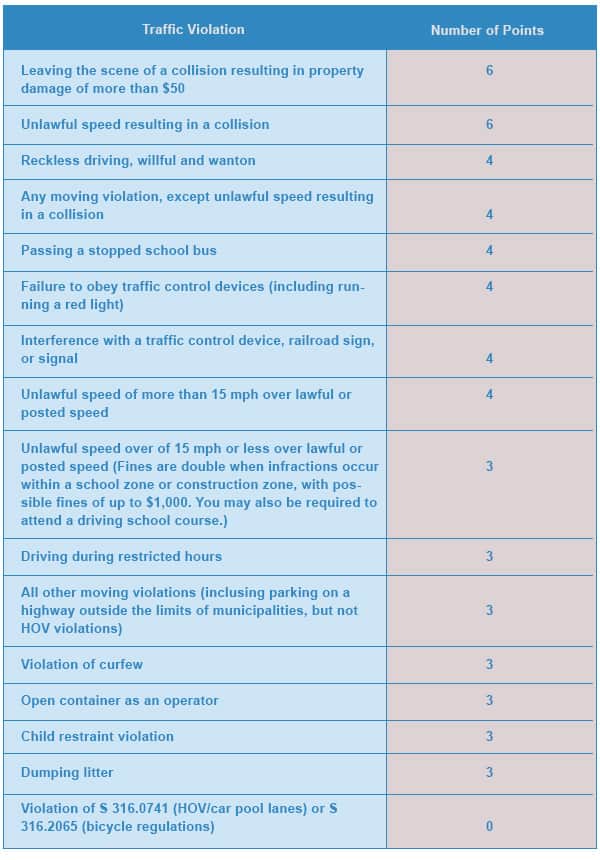
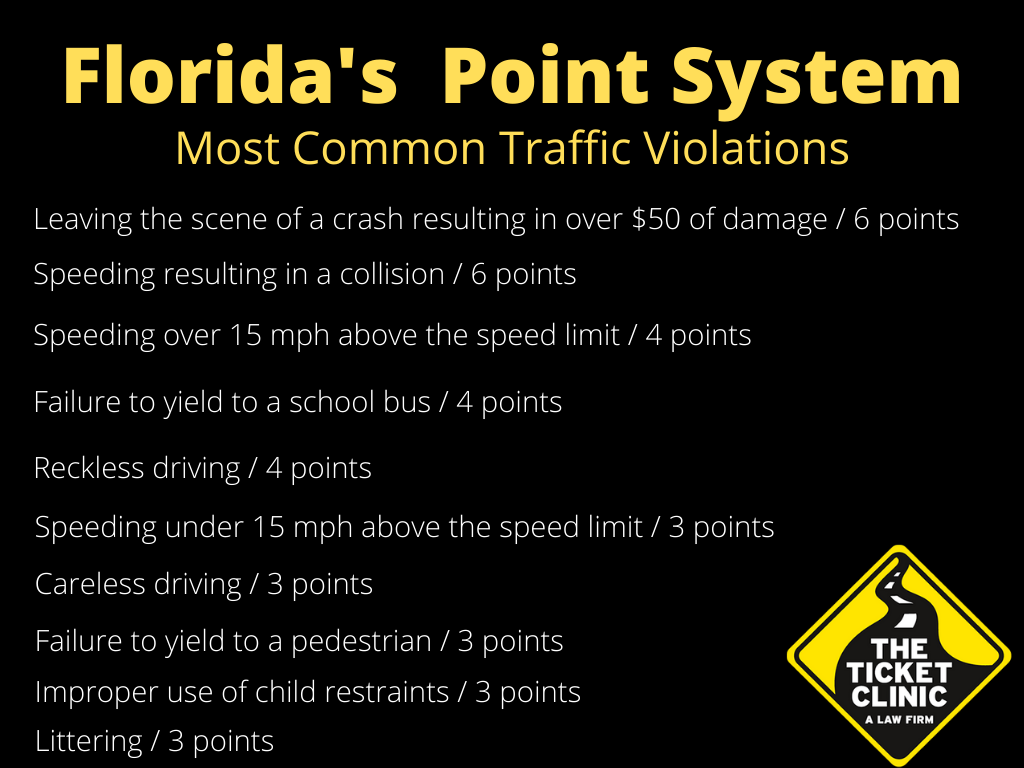
- Speeding 15 MPH or less over the limit: This typically results in 3 points being added to your driving record. While seemingly minor, these points can accumulate quickly, especially if you receive multiple tickets during your visit.
- Speeding more than 15 MPH over the limit: This offense carries a more significant penalty of 4 points. This increase reflects the greater danger posed by higher speeds.
- Speeding and causing an accident: If your speeding contributes to an accident, the points jump to 6 points. This highlights the state’s emphasis on road safety and accountability.
It’s crucial to remember that these points are in addition to the monetary fines, which also increase with the severity of the offense. Fines can vary significantly based on the county, whether the violation occurred in a school or construction zone, and how far above the limit you were traveling. For example, a ticket in a congested area like Orlando or Tampa might have different surcharges than one issued in a more rural part of the state.
The Impact on Your Florida Travel Experience
A speeding ticket in Florida is more than just an inconvenient piece of paper; it can have tangible and often stressful repercussions for your travel plans. Understanding these potential impacts beforehand can help travelers exercise greater caution and make informed decisions if they do receive a citation.
Consequences for Out-of-State and International Drivers
Many travelers assume that tickets received outside their home state or country won’t follow them. This is often a dangerous misconception. Florida is part of the Driver License Compact (DLC) and the Nonresident Violator Compact (NRVC), which are agreements among most U.S. states and several Canadian provinces. These compacts facilitate the exchange of information regarding traffic violations.
What this means for you: If you receive a speeding ticket in Florida, the violation and associated points are typically reported to your home state’s Department of Motor Vehicles (DMV). Your home state will then apply its own point system and potential penalties based on the Florida infraction. This could mean points on your home license, increased insurance premiums, or even license suspension, depending on your state’s laws. International drivers, while not subject to the same compacts, can still face issues with future travel to the U.S. if outstanding tickets are not addressed, potentially impacting visa applications or entry at customs.
Financial Implications Beyond the Fine
The initial fine for a speeding ticket is often just the tip of the iceberg financially. Beyond the direct cost of the citation, travelers might encounter several other expenses:
- Court Costs and Fees: If you choose to dispute the ticket, you may incur court costs, attorney fees, and the cost of taking time off from your vacation to attend hearings.
- Traffic School Fees: While traffic school can help you avoid points, it comes with its own enrollment fee, typically ranging from $20 to $100, in addition to administrative fees.
- Increased Insurance Premiums: Even if you avoid points through traffic school, simply having a moving violation on your record can lead to higher car insurance rates. For rental cars, this could be even more complicated, potentially impacting future rental agreements or incurring additional charges from the rental company.
- Lost Time and Enjoyment: Dealing with a ticket can consume valuable vacation time, forcing you to research options, make phone calls, or even alter your itinerary to address the issue.
Potential Travel Disruptions
Imagine planning a relaxing drive along Scenic Highway 30A in South Walton or heading to the Florida Keys, only to have your plans derailed by a traffic stop. Beyond the immediate inconvenience, a severe speeding violation or an accumulation of tickets could, in rare cases, lead to more significant travel disruptions. If your license were to be suspended while in Florida due to multiple infractions, you would be unable to drive, potentially stranding you or forcing reliance on alternative, often costly, transportation methods. This is particularly critical for those relying on a rental car for the entirety of their trip.
Avoiding Speeding Tickets: A Traveler’s Guide to Safe Driving in the Sunshine State
Prevention is always better than cure, especially when it comes to traffic violations during your travels. By adopting a cautious and informed approach to driving in Florida, you can significantly reduce your chances of receiving a speeding ticket and ensure a stress-free trip.
Key Speed Limits and Zones to Watch For
Florida’s speed limits are generally consistent but vary based on the type of road and specific zones:
- Interstates and Four-Lane Divided Highways: Typically 70 MPH.
- Other State Highways: Generally 55 MPH.
- Urban and Residential Areas: Often 30 MPH.
- School Zones: These are critical and heavily enforced, often dropping to 15 or 20 MPH during specific hours (usually when children are present or school is in session). Fines are doubled in school zones, and law enforcement rigorously monitors these areas, especially near popular tourist destinations with schools nearby, like in Orlando or Kissimmee.
- Construction Zones: Speed limits are reduced in construction areas for worker safety and are also subject to increased fines and vigilant enforcement. Always be alert for orange signs and adjust your speed accordingly.
- Special Designated Zones: Be aware of areas around hospitals, parks, or specific residential zones that might have unique, lower speed limits.
Always pay close attention to posted signs. If there’s no sign, assume the default limit for that type of road.
Common Enforcement Practices
Florida law enforcement, including the Florida Highway Patrol (FHP) and local police departments in cities like Jacksonville and Fort Lauderdale, utilize various methods to enforce speed limits:
- Radar and Laser Guns: These are standard tools used by officers in patrol cars, often positioned in hidden spots or at the bottom of highway ramps.
- Aircraft Enforcement: On major interstates, the FHP occasionally uses aircraft to track vehicle speeds over marked distances, relaying information to ground units.
- Unmarked Patrol Cars: Do not assume only marked vehicles are law enforcement. Unmarked police cars are common and actively enforce traffic laws.
- Speed Cameras: While less prevalent for general speeding, red-light cameras are common in many Florida municipalities, and some areas may use speed cameras in specific zones.
Utilizing Navigation Apps Wisely
Modern navigation apps like Waze or Google Maps can be invaluable tools for travelers. They often provide real-time traffic updates, including reports of speed traps, accidents, and construction zones. While these apps should not encourage reckless driving, they can help you stay alert to potential enforcement areas and adjust your speed proactively. Always keep your focus on the road and use these tools as a supplementary aid, not a distraction. Many rental cars also come equipped with built-in GPS systems, which can help you adhere to speed limits.
What To Do If You Receive a Florida Speeding Ticket
Despite your best efforts, sometimes a speeding ticket can be unavoidable. Knowing how to react and what options are available can mitigate the long-term impact on your travel and driving record.
Understanding Your Options: Pay, Dispute, or Traffic School
Upon receiving a speeding ticket in Florida, you typically have three main courses of action, each with different implications:
- Pay the Fine: This is the easiest option. You simply pay the fine by the due date. However, by paying, you are essentially admitting guilt, and the points associated with the violation will be added to your driving record. For out-of-state drivers, this information will then be sent to your home state.
- Dispute the Ticket (Go to Court): If you believe the ticket was issued in error, you have the right to challenge it in court. This involves appearing before a judge and presenting your case. While you might get the ticket dismissed or the fine reduced, it can be a time-consuming process, especially for travelers who would need to return to Florida for the court date. Legal representation is highly recommended for this option.
- Elect Traffic School: For many non-criminal moving violations, including speeding, you may be eligible to elect to attend a basic driver improvement course (traffic school).
The Benefits of Electing Traffic School (If Eligible)
Electing traffic school is often the most favorable option for travelers, provided you meet the eligibility criteria (which usually include not having elected traffic school within the last 12 months, and no more than five times in your lifetime).
- Avoid Points: The primary benefit is that by completing an approved traffic school course, the points associated with the speeding ticket will not be assessed on your driving record. This is crucial for preventing increases in insurance premiums and potential license suspensions.
- Online Courses Available: Many Florida-approved traffic school courses are available online, allowing you to complete them from your home state or even abroad, thus avoiding the need to return to Florida.
- Fine Reduction (Sometimes): While the base fine usually still applies, sometimes electing traffic school can lead to a slight reduction in the fine or some associated court costs.
You typically have 30 days from the date of the citation to inform the court of your decision to attend traffic school. Failure to do so can result in additional fines, points, or even a suspended license.
Seeking Legal Counsel for Complex Cases
For more severe speeding violations (e.g., extremely high speeds, speeding in a construction zone with workers present, or violations that caused an accident), or if you have multiple prior infractions, seeking advice from a Florida traffic attorney is highly advisable. An attorney can explain your options, represent you in court, negotiate with prosecutors, and potentially help reduce fines, avoid points, or even get the ticket dismissed, protecting your driving record and future travel plans.
Long-Term Considerations for Frequent Florida Visitors
For those who frequently visit Florida for business or pleasure, understanding the long-term implications of traffic violations is especially important. A clean driving record is a valuable asset that can save you money and headaches in the future.
Insurance Premium Hikes
One of the most significant long-term financial impacts of a speeding ticket is the potential increase in your auto insurance premiums. Insurers view drivers with moving violations as higher risk, and even a single ticket can lead to a substantial rate hike that can last for several years. Even if you complete traffic school to avoid points, some insurance companies may still raise your rates if they become aware of the violation, though the increase is typically less severe than with points on your record.
Reciprocity Agreements with Other States
As mentioned, most U.S. states participate in compacts that share traffic violation information. This means a speeding ticket in Florida can have consequences in your home state, impacting your driving record there. For frequent travelers, accumulating points or violations across different states can quickly lead to license suspension thresholds being met, regardless of where the individual tickets were issued. Being aware of these agreements encourages consistent safe driving habits no matter which state you are visiting.

Maintaining a Clean Driving Record for Future Trips
Ultimately, the best strategy for enjoying your Florida travels without the added stress of legal issues is to prioritize safe driving. Maintaining a clean driving record not only keeps your insurance rates low and protects your driving privileges but also ensures a more peaceful and uninterrupted travel experience. Adhering to speed limits, being aware of your surroundings, and staying informed about Florida’s traffic laws will allow you to fully immerse yourself in all the wonders the Sunshine State has to offer, without the unwelcome distraction of a speeding ticket.
LifeOutOfTheBox is a participant in the Amazon Services LLC Associates Program, an affiliate advertising program designed to provide a means for sites to earn advertising fees by advertising and linking to Amazon.com. Amazon, the Amazon logo, AmazonSupply, and the AmazonSupply logo are trademarks of Amazon.com, Inc. or its affiliates. As an Amazon Associate we earn affiliate commissions from qualifying purchases.