
New York City, often referred to as the “Big Apple,” is a metropolis unlike any other. It’s a global hub of culture, finance, art, and innovation, drawing millions of tourists and new residents each year. From the iconic bright lights of Times Square to the serene pathways of Central Park, and the historic grandeur of the Statue of Liberty, the city offers an unparalleled array of experiences. Beneath this vibrant tapestry of life, ensuring the safety and security of its more than 8 million residents and countless visitors is a monumental task, primarily shouldered by one of the largest and most well-known municipal police forces in the world: the New York City Police Department (NYPD).
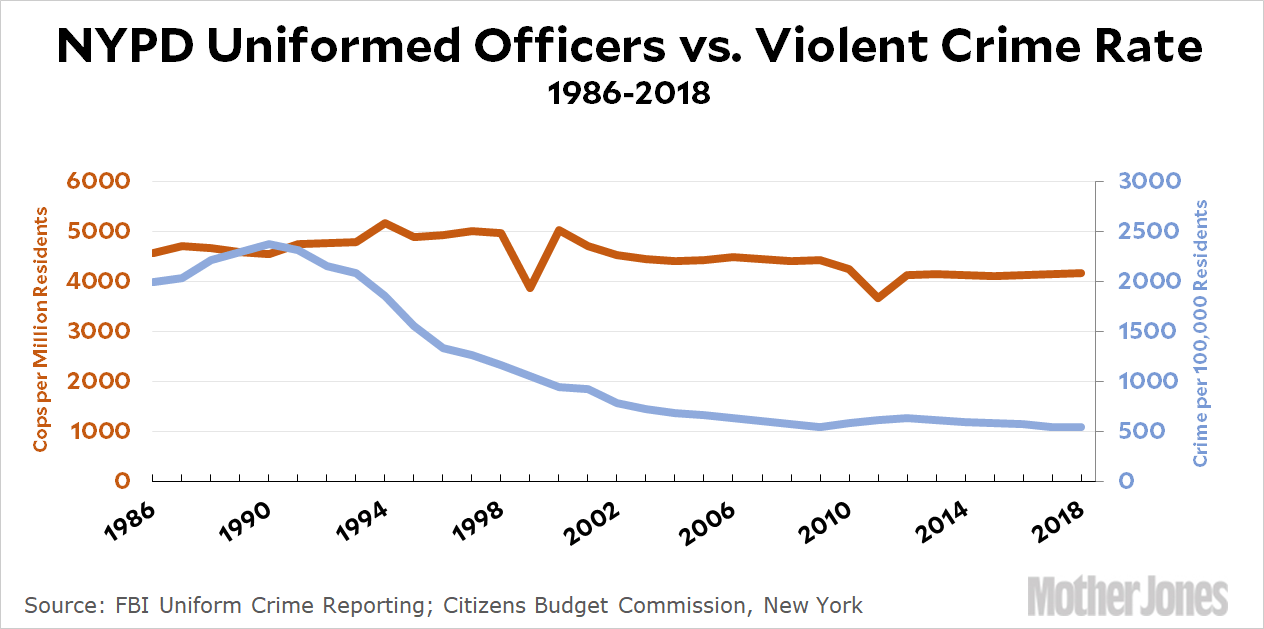
For anyone planning a visit, considering a long-term stay, or simply curious about the city’s infrastructure, understanding the scale and presence of its police force is crucial. The sheer number of officers deployed across the city’s five boroughs—Manhattan, Brooklyn, Queens, The Bronx, and Staten Island—is a testament to the city’s commitment to public safety. This extensive network of law enforcement personnel plays a vital role in everything from responding to emergencies and preventing crime to managing large public events and assisting tourists. But exactly how many police officers keep the gears of this enormous city turning smoothly and safely?
The Shield of the City: Understanding the NYPD’s Scale and Structure
The NYPD is not just a police department; it’s an institution, a symbol of resilience and order in one of the world’s most complex urban environments. Its presence is felt everywhere, from bustling avenues to quiet residential streets, ensuring a layer of security that allows the city to thrive.
A Force Like No Other: Numbers and Departments
As of early 2024, the NYPD fields approximately 33,500 to 34,000 uniformed officers, making it the largest municipal police force in the United States. This impressive number doesn’t even include the roughly 17,000 civilian employees who provide essential administrative and support services, bringing the total strength of the department to over 50,000 individuals. To put this into perspective, the NYPD alone is larger than the armed forces of many small nations.
This vast force is organized into a highly complex and specialized structure designed to address the diverse needs of New York City. Beyond the general patrol officers visible on the streets, the NYPD comprises numerous bureaus and specialized units, each with a distinct focus:
- Patrol Boroughs: The city is divided into patrol boroughs, each overseeing multiple precincts that are the frontline of community policing. These officers are the first responders to emergencies and the most visible representatives of the department.
- Transit Bureau: Given New York City’s extensive subway system, the NYPD Transit Bureau is dedicated to ensuring the safety of millions of daily commuters and tourists traveling on public transport. Their presence in subway stations and on trains is a common sight.
- Housing Bureau: This unit focuses on public housing developments, aiming to improve safety and quality of life for residents in these communities.
- Detective Bureau: Responsible for investigating crimes, from petty theft to major felonies, employing highly skilled investigators.
- Counterterrorism Bureau: A critical unit in a city that has faced significant threats, this bureau works tirelessly to prevent terrorist attacks and secure key infrastructure and public spaces.
- Special Operations Bureau: Includes units like the Emergency Service Unit (ESU), Aviation Unit, Harbor Unit, and Bomb Squad, providing specialized responses to high-risk situations.
- Traffic Enforcement: While often mistaken for uniformed officers, these civilian personnel manage traffic flow, enforce parking regulations, and support safe movement throughout the city.
The strategic deployment of these officers and units across every corner of the five boroughs ensures comprehensive coverage and tailored responses to specific urban challenges. From the bustling Financial District of Manhattan to the diverse neighborhoods of Queens and Brooklyn, the NYPD’s presence is a constant, reassuring factor for residents and visitors alike.
Evolution of Policing in the Big Apple
The history of the NYPD mirrors the dynamic evolution of New York City itself. Established in 1845, it has grown from a relatively small force to a sophisticated modern agency. Over the decades, policing strategies have continuously adapted to meet the city’s changing demographics, technological advancements, and shifting crime landscapes.
In the late 20th century, New York City underwent a significant transformation, moving from a period of high crime rates to becoming one of the safest large cities in the United States. This shift is often attributed, in part, to innovative policing approaches like CompStat, a data-driven crime analysis and accountability system, and the broken windows theory, which emphasized addressing minor infractions to prevent more serious crimes.
More recently, the NYPD has embraced community policing initiatives, aiming to build stronger relationships between officers and the communities they serve. This approach recognizes that effective law enforcement relies not just on enforcement but also on trust and cooperation. For tourists, this evolution translates into a generally safer and more approachable police presence, where officers are often seen engaging with the public, offering assistance, and contributing to the overall positive atmosphere of the city.
Safety and Security for Visitors: The NYPD’s Role in Tourism
For the millions who choose New York City as their travel destination each year, safety is a paramount concern. The NYPD’s extensive presence is a fundamental component of the city’s appeal as a world-class tourism destination. Whether you’re planning a luxurious stay in a Midtown hotel or exploring Brooklyn’s vibrant neighborhoods on a budget, the underlying security provided by the police allows visitors to explore with confidence.
Visible Presence: Where Tourists Encounter Officers
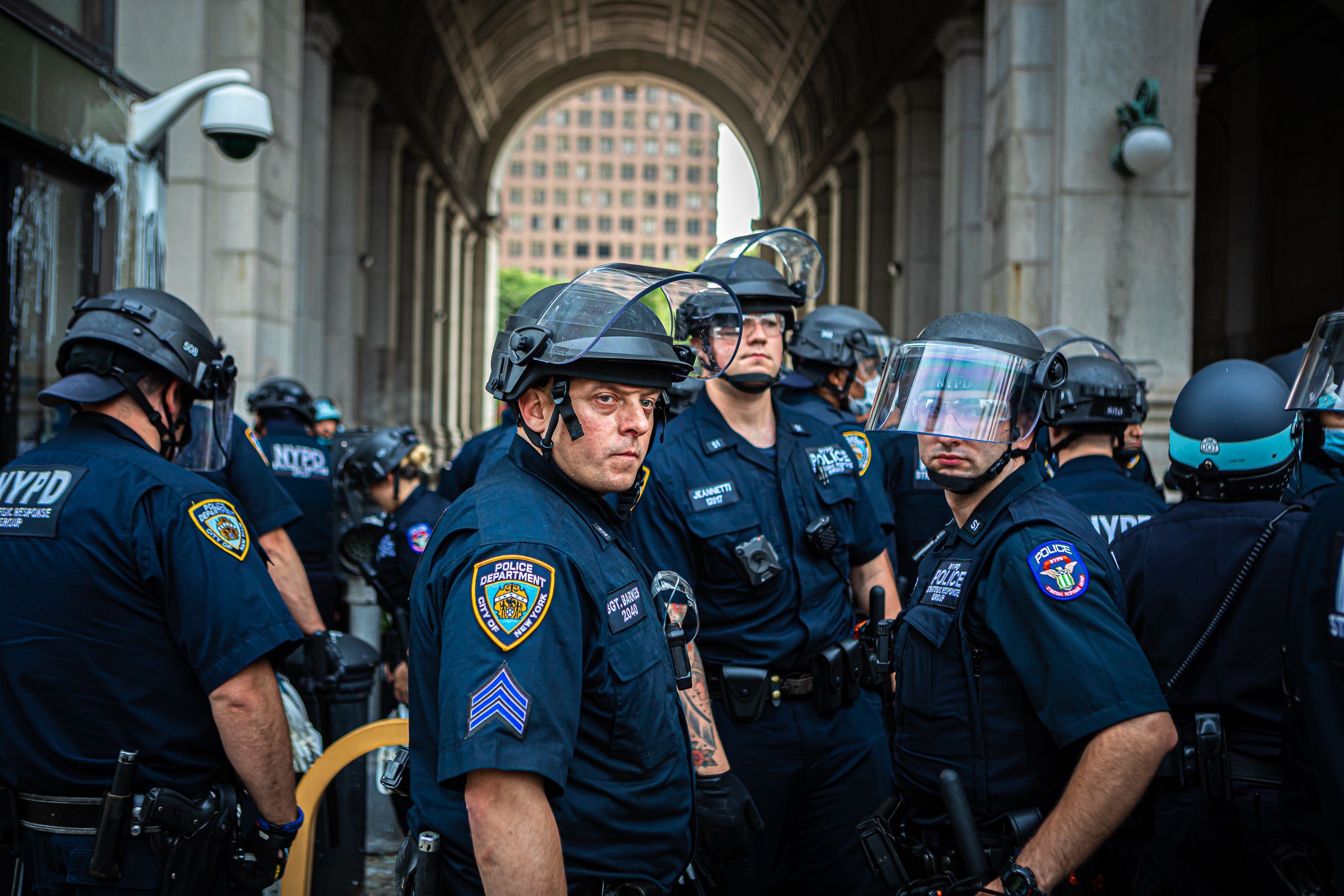
One of the most immediate reassurances for tourists in New York City is the highly visible presence of NYPD officers, particularly in popular tourist zones. You’ll frequently see uniformed police in:
- Major Landmarks and Attractions: Officers are a constant fixture around sites like Times Square, Central Park, Rockefeller Center, the Empire State Building, Grand Central Terminal, and the 9/11 Memorial & Museum. Their role here extends beyond crime prevention; they often help with crowd control, provide directions, and offer a sense of order in bustling areas.
- Cultural Districts: Patrolling the theater district near Broadway, the museums along Museum Mile (Metropolitan Museum of Art, Guggenheim Museum, etc.), and galleries in SoHo and Greenwich Village.
- Transit Hubs: As mentioned, the NYPD Transit Bureau is highly visible across the subway and bus networks, critical for tourists navigating the city. This helps ensure that public transportation, often the most convenient way to explore, remains safe.
- Retail and Shopping Areas: High-traffic shopping corridors like Fifth Avenue also benefit from increased police visibility, deterring petty crime and ensuring a pleasant shopping experience.
This omnipresent, yet generally unobtrusive, police presence creates an environment where visitors can feel comfortable exploring the city’s diverse offerings. Whether you’re seeking guidance on reaching the One World Observatory or need assistance with a minor issue, a uniformed officer is usually not far away.
Beyond Uniforms: Technology and Preparedness
The NYPD’s commitment to tourist safety extends beyond just visible patrols. The department leverages state-of-the-art technology and sophisticated intelligence networks to preempt threats and respond rapidly to incidents.
- CCTV and Surveillance: A vast network of surveillance cameras, strategically placed in public spaces, helps monitor activity, detect suspicious behavior, and aid in investigations. This digital “eye” complements the physical presence of officers.
- Counterterrorism Measures: Given New York City’s status as a high-profile target, the NYPD maintains a robust counterterrorism apparatus. This includes highly trained units, intelligence gathering, and collaborations with federal agencies to mitigate potential threats. This ensures that large public gatherings, iconic landmarks, and transportation hubs are secured against both conventional and unconventional threats.
- Emergency Preparedness: The department conducts regular drills and maintains comprehensive emergency response plans for various scenarios, from natural disasters to public health crises. This preparedness ensures that should an emergency arise, the city can respond effectively, prioritizing the safety of all, including visitors.
This blend of human presence, technological sophistication, and strategic planning makes New York City one of the most secure large cities for tourism, allowing visitors to immerse themselves in the experience without undue worry.
Navigating New York: Tips for a Safe and Enjoyable Stay
While the NYPD’s extensive efforts create a safe environment, visitors also play a crucial role in ensuring their own well-being. By understanding how to navigate the city and adopting common-sense safety practices, tourists can fully enjoy their New York City adventure, whether it’s a luxury getaway or a budget-friendly exploration.
Choosing Your Accommodation Wisely
When selecting a hotel or apartment, considering the neighborhood’s general safety and police presence can enhance your experience. While New York City is generally safe, some areas naturally have a higher degree of activity and visible security.
- Central Tourist Areas: Hotels in Midtown, the Financial District, and popular parts of Manhattan like Times Square and near Central Park (e.g., The Plaza Hotel) often benefit from high police visibility due to the concentration of landmarks and businesses. These areas are typically well-lit and bustling late into the night.
- Boutique Neighborhoods: Areas like Greenwich Village, SoHo, or hotels like The Standard, High Line often boast lively atmospheres but may have a slightly different feel than the constant energy of Midtown. Even so, these areas are generally very safe, and their local precincts maintain a strong presence.
- Review Neighborhood Safety: Before booking accommodation, especially if venturing into lesser-known areas, it’s always wise to read recent reviews that might mention neighborhood safety or ask your hotel concierge for local tips upon arrival.
- Long-Term Stays: For those considering extended stays or apartment rentals, researching the specific block and checking local crime statistics (available online) can provide extra peace of mind. However, broadly speaking, NYC offers a secure environment for various accommodation options, from luxury resorts to budget-friendly hostels.

General Safety Practices for Travelers
Even with a robust police force, adopting smart travel habits is always advisable:
- Situational Awareness: Be aware of your surroundings, especially in crowded areas like subway platforms, bus stops, and popular attractions. Pickpocketing can occur in any major city.
- Secure Belongings: Keep valuables out of sight, carry bags securely across your body, and never leave your phone or wallet unattended.
- Avoid Isolated Areas at Night: While many parts of New York City are vibrant 24/7, some parks or less-trafficked streets can be quieter after dark. Stick to well-lit, populated areas if out late.
- Use Legitimate Transportation: Always use licensed yellow cabs, reputable ride-sharing apps, or the extensive public transport system. Avoid unofficial taxis or unlicensed car services.
- Understand the Subway System: Familiarize yourself with subway maps and routes. While generally safe, riding the subway late at night, especially alone, requires the same vigilance as any public transport system.
- Emergency Contacts: Know how to dial 911 for emergencies. The NYPD is quick to respond.
- Trust Your Instincts: If a situation feels uncomfortable or unsafe, remove yourself from it.
By following these simple guidelines, combined with the omnipresent security provided by the New York City Police Department, visitors can truly relax and immerse themselves in the unparalleled experiences that New York City has to offer.
In conclusion, the question “How Many Police In New York City?” reveals a significant commitment to public safety. With approximately 33,500 to 34,000 uniformed officers and a large civilian support staff, the NYPD stands as a monumental force safeguarding one of the world’s most dynamic cities. This extensive police presence, coupled with advanced technology and strategic deployment, creates a secure environment that allows New York City to continue welcoming millions of tourists annually and provide a safe home for its diverse population. From responding to emergencies to guiding lost tourists, the men and women of the NYPD are an integral part of the New York City experience, ensuring that its vibrant streets remain safe for exploration and enjoyment.
LifeOutOfTheBox is a participant in the Amazon Services LLC Associates Program, an affiliate advertising program designed to provide a means for sites to earn advertising fees by advertising and linking to Amazon.com. Amazon, the Amazon logo, AmazonSupply, and the AmazonSupply logo are trademarks of Amazon.com, Inc. or its affiliates. As an Amazon Associate we earn affiliate commissions from qualifying purchases.