
New York City — a colossal mosaic of cultures, commerce, and unparalleled experiences — beckons millions of visitors each year. From the electrifying pulse of Times Square to the tranquil expanse of Central Park, and the iconic silhouette of the Statue of Liberty, the city offers an endless array of attractions. Yet, amidst the vibrant chaos and captivating allure, a foundational element often goes unnoticed but is undeniably crucial to the city’s appeal and functionality: safety and security. This sense of order, vital for residents and the teeming throngs of tourists alike, is largely maintained by the vigilant presence of the New York City Police Department (NYPD). As one of the largest and most renowned municipal police forces in the world, the question of “How many police officers are in New York City?” is more than just a statistical inquiry; it’s a window into the city’s operational heart, its commitment to public safety, and the peace of mind it offers to everyone who steps onto its bustling streets.
The NYPD is not merely a collection of officers; it is a complex, multi-faceted organization whose scale and scope reflect the immense challenges and responsibilities inherent in policing a global metropolis. Its presence is woven into the very fabric of New York City, safeguarding everything from high-profile international events to the daily routines of its diverse communities across all five boroughs. For travelers planning their next grand adventure or seeking the ideal urban retreat, understanding the scale of this protective force can profoundly influence their sense of security, their choice of accommodation, and ultimately, the quality of their overall experience. This article delves into the numbers behind the shield, exploring the structure, impact, and evolution of the NYPD and how its robust presence contributes to making New York City a world-class destination for travel, tourism, and lifestyle.

The New York City Police Department: A Force for a Global City
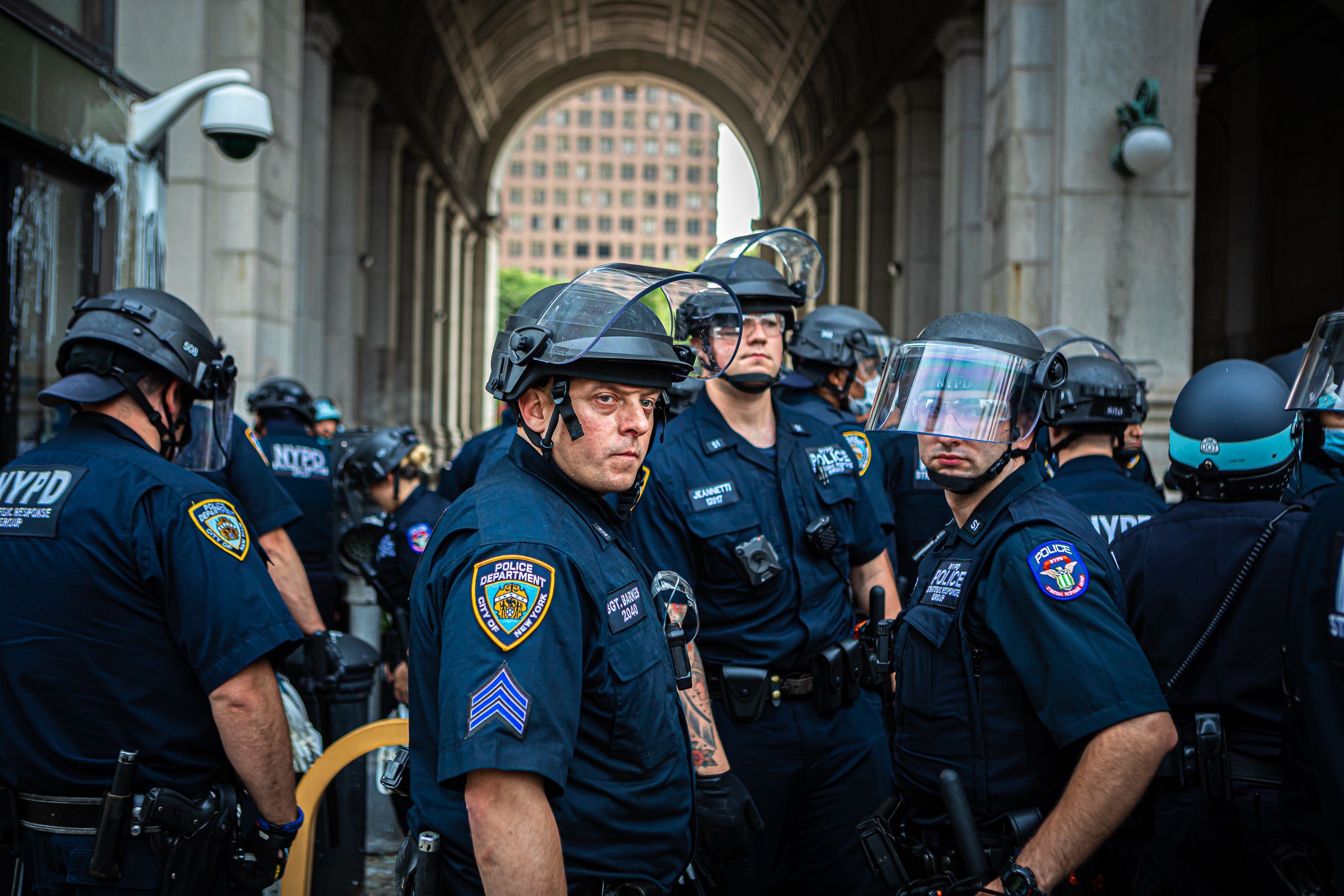
The New York City Police Department stands as a monumental institution, mirroring the grandeur and complexity of the city it serves. Established in 1845, it has evolved from a small night watch into an organization of staggering proportions, consistently recognized as one of the largest and most sophisticated police forces globally. The sheer volume of people, landmarks, and daily activities within New York City necessitates a police presence unlike almost any other. While the exact number of uniformed officers can fluctuate due to retirements, new academy classes, and budgetary adjustments, the NYPD typically maintains a uniformed force numbering in the tens of thousands, often hovering around 35,000 to 36,000 officers. This impressive figure doesn’t even account for the thousands of civilian employees who provide essential support services, from administrative tasks and forensic analysis to IT infrastructure and community outreach.
This considerable human capital is distributed strategically across the city’s vast geographical and demographic landscape. From the densely packed urban canyons of Manhattan to the sprawling residential areas of Queens and Brooklyn, the vibrant communities of The Bronx, and the unique island charm of Staten Island, the NYPD is omnipresent. Its officers are responsible for an incredibly broad spectrum of duties that extend far beyond traditional crime fighting. They manage traffic flow in areas like the Brooklyn Bridge and at major transportation hubs, respond to emergencies, conduct counter-terrorism operations, investigate complex crimes, and engage in community relations efforts to build trust and foster safer neighborhoods. The scale of the NYPD is a direct reflection of New York City’s status as a global financial, cultural, and tourist hub, requiring a robust and adaptable security apparatus to protect its diverse population and valuable assets.
Understanding the NYPD’s Scale and Structure
The structure of the NYPD is highly organized and hierarchical, designed to efficiently manage its vast resources across a city of over 8 million residents and millions more annual visitors. The department is divided into numerous bureaus and commands, each with specialized functions. Geographically, the city is segmented into dozens of precincts, each responsible for policing a specific neighborhood or district. These precincts are the backbone of local law enforcement, serving as immediate points of contact for residents and visitors. Each precinct is commanded by an inspector or captain and staffs uniformed officers who patrol on foot, in vehicles, and on bicycles, ensuring a visible and responsive presence. This decentralized model allows for tailored policing strategies that address the unique challenges and characteristics of individual communities, from the high-traffic retail corridors of Midtown Manhattan to the residential blocks of Staten Island.

Beyond the precinct structure, the NYPD boasts an array of specialized units that cater to specific policing needs. These include the Transit Bureau, which patrols the city’s extensive subway and bus systems, and the Housing Bureau, dedicated to maintaining safety in public housing developments. Elite units like the Emergency Service Unit (ESU) are equipped to handle high-risk operations, rescue missions, and provide tactical support, while the Counterterrorism Bureau operates at a heightened state of vigilance, protecting against domestic and international threats. Moreover, the department includes forensic investigation divisions, intelligence units, traffic enforcement, and even mounted and harbor units, showcasing the comprehensive nature of its operations. This intricate network of general patrol and specialized forces ensures that the NYPD is prepared to respond to any situation, from petty crime to major emergencies, making New York City a remarkably secure environment for both daily life and world-class tourism.
Demographics and Special Units
The diversity of New York City is famously reflected within the ranks of the NYPD itself. Officers come from a myriad of ethnic, racial, and linguistic backgrounds, mirroring the multicultural tapestry of the city they protect. This diversity is not just a point of pride but a crucial operational asset, enabling officers to better understand and connect with the diverse communities they serve, often speaking multiple languages and possessing cultural insights that facilitate effective communication and community relations. This blend of backgrounds helps foster trust and cooperation between the police and the public, which is particularly beneficial in a city that welcomes visitors from every corner of the globe.
In addition to its diverse human capital, the NYPD deploys an impressive array of specialized units that contribute significantly to the city’s overall safety and the unique charm of its urban experience. The Mounted Unit, with its majestic horses, provides a highly visible and approachable police presence in major parks and tourist areas like Central Park and the Broadway theater district, often becoming an attraction in itself. The Harbor Unit patrols the city’s extensive waterways, safeguarding its coastlines, bridges, and ports, including the approaches to landmarks such as Ellis Island and the Statue of Liberty. The Aviation Unit provides aerial surveillance and support, critical for managing large-scale events and search-and-rescue operations. Meanwhile, the Highway Patrol keeps the major arteries of the city flowing safely, and the Transit Bureau ensures millions of daily commuters and tourists can navigate the subway system with peace of mind. These units, combined with undercover operations and intelligence gathering, create a layered defense system that underpins the city’s reputation as a safe and exciting destination for all types of travelers, from those on a luxury getaway to budget-conscious explorers and families.
The NYPD’s Impact on Tourism and Lifestyle in NYC
The substantial presence of the NYPD is not merely about statistics; it translates directly into a tangible sense of security that profoundly impacts New York City’s robust tourism industry and the lifestyle of its residents. For visitors, the feeling of safety is paramount, influencing everything from destination choice to daily itineraries. A strong, visible police force reassures travelers that they can explore the city’s vast offerings without undue concern, making New York City an attractive option for international and domestic tourists alike. The presence of officers, whether on foot patrol in popular areas or responding to incidents, reinforces the message that the city is proactive about maintaining order and protecting its people. This peace of mind is invaluable, allowing tourists to fully immerse themselves in the unique experiences New York City has to offer, from enjoying a Broadway show to dining in a trendy Brooklyn eatery or marveling at the architecture of the World Trade Center complex.
For those considering accommodation, the general feeling of safety across the city, largely thanks to the NYPD, broadens the choice of neighborhoods. Whether one opts for a luxury suite overlooking Central Park, a boutique hotel in Greenwich Village, or a more budget-friendly apartment in Queens, the pervasive police presence ensures a baseline of security. This freedom to choose based on preference rather than fear enhances the overall travel experience, catering to various lifestyles and budgets. Furthermore, major events, concerts, and festivals, which are integral to New York City’s cultural landscape, are often meticulously secured by the NYPD, allowing attendees to enjoy these experiences safely. This active role in public order and safety directly underpins the city’s reputation as a premier global destination, fostering both economic prosperity through tourism and an enhanced quality of life for its residents.
Ensuring Safety in Iconic Landmarks and Tourist Hubs
The NYPD’s strategic deployment is particularly evident and crucial around New York City’s world-renowned landmarks and major tourist hubs. Areas like Times Square, the Statue of Liberty and Ellis Island ferry terminals, Grand Central Terminal, Rockefeller Center, and the Metropolitan Museum of Art are subject to intense scrutiny and visible policing. Uniformed officers, sometimes accompanied by K9 units, are a common sight, providing both a deterrent to criminal activity and a reassuring presence for visitors. This proactive approach ensures that tourists can freely explore these magnificent sites, take photographs, and engage with the city’s history and culture without constant worry. The security at places like the 9/11 Memorial & Museum is especially robust, reflecting both the solemnity of the site and the city’s enduring commitment to preventing future tragedies.
Moreover, special events that draw massive crowds, such as the Macy’s Thanksgiving Day Parade, the New Year’s Eve ball drop in Times Square, or the NYC Marathon, are meticulously planned and executed by the NYPD. These operations involve thousands of officers, extensive logistical coordination, and often cutting-edge technology to ensure the safety of participants and spectators. The ability of the city to host such grand spectacles year after year is a testament to the department’s capability and preparedness. For international travelers and families, this high level of security at critical points of interest and during major festivities is a significant draw, contributing to New York City’s reputation as a safe, yet thrilling, place to visit and create lasting memories.
Beyond Patrols: Community Engagement and Visitor Experience
The NYPD’s role extends beyond traditional law enforcement and physical security; it also deeply influences the overall visitor experience through community engagement and subtle interactions. Many officers are trained in cultural awareness and basic conversational phrases in multiple languages, making them approachable resources for tourists seeking directions, advice, or assistance. This human touch helps to break down barriers and fosters a welcoming atmosphere, reinforcing the city’s reputation for hospitality. Community policing initiatives, which emphasize building relationships with residents and local businesses, indirectly benefit visitors by creating more cohesive and safer neighborhoods. When residents feel secure and supported by their local police, the entire urban environment becomes more pleasant and predictable for everyone, including temporary guests.
Furthermore, the general reduction in crime rates over the past few decades, often attributed in part to effective policing strategies, has transformed many areas of New York City that were once considered less safe into vibrant, desirable destinations. This allows travelers to explore a wider range of neighborhoods – from the artistic enclaves of SoHo to the diverse culinary scene of Flushing in Queens – with a greater sense of ease. For families traveling with children, the perceived safety of a destination is a top priority, and the NYPD’s visible presence offers that critical reassurance. Whether one is enjoying a leisurely stroll through Central Park, attending a performance in the Broadway district, or exploring the historical depths of the Lower East Side, the underlying layer of police protection allows for a more relaxed and enriching experience, enhancing New York City’s appeal as a destination for diverse lifestyles and travel aspirations.
Evolution of Policing in New York City and Future Outlook
The history of the New York City Police Department is inextricably linked to the growth and challenges of New York City itself. From its formal establishment in the mid-19th century, designed to bring order to a rapidly expanding port city, the NYPD has continually adapted to changing demographics, technological advancements, and evolving societal expectations. Its evolution reflects major historical shifts, including periods of significant immigration, the economic boom of the early 20th century, the social upheavals of the mid-century, and the crime waves that plagued many American cities in the late 20th century. Each era presented unique challenges, prompting the department to innovate its strategies, expand its forces, and refine its training. The experience of 9/11, for instance, dramatically reshaped the NYPD’s focus, elevating counter-terrorism to a primary mission and requiring extensive new training and resources, fundamentally altering its operational approach.
Today, the NYPD operates in an increasingly complex global environment, where threats range from cybercrime to organized terrorism, alongside traditional street crime. Its future outlook is characterized by a commitment to continuous adaptation, leveraging technology, data analytics, and intelligence gathering to predict and prevent crime more effectively. There is also an ongoing emphasis on community engagement and transparency, aiming to build stronger relationships with the diverse populations it serves. For tourists and residents alike, this continuous evolution means that New York City remains at the forefront of urban safety and security, ensuring that its reputation as a vibrant, accessible, and protected destination endures well into the future. The historical journey of the NYPD underscores its resilience and its unwavering dedication to safeguarding the unique spirit of New York City, allowing its dynamic lifestyle and unparalleled travel experiences to flourish.
Historical Context of NYPD Growth and Challenges
The genesis and expansion of the NYPD mirror the dramatic transformation of New York City from a burgeoning port to a global metropolis. In its early days, the department struggled with limited resources and the sheer challenge of policing a city experiencing unprecedented population growth and social unrest. As the 19th and early 20th centuries saw waves of immigrants arrive, the city’s population swelled, and with it came the complexities of poverty, organized crime, and labor disputes. The NYPD had to grow commensurately, expanding its ranks and developing more sophisticated methods beyond simple patrols. The mid-20th century brought new challenges, including rising crime rates in certain areas, which led to debates about policing tactics and community relations.
Perhaps one of the most significant periods of growth and re-evaluation for the NYPD occurred in the late 20th century. After experiencing peak crime rates in the 1980s and early 1990s, the department implemented innovative strategies, such as the CompStat system and broken windows policing, which were credited with dramatically reducing crime across the city. This era saw a significant increase in the number of officers and a strategic shift towards proactive policing. The post-9/11 landscape, however, introduced an entirely new dimension of threat: global terrorism. This necessitated a massive reallocation of resources and the development of an unparalleled counter-terrorism apparatus, further solidifying the NYPD’s role not just as a local police force, but as a critical component of national security within the United States. Understanding this history is key to appreciating the current scale and capability of the NYPD and its crucial function in maintaining the vibrant, safe environment that makes New York City a top destination for travel and lifestyle.
Modern Policing: Technology, Training, and Adaptation
In the 21st century, the NYPD has embraced technology and advanced training as cornerstones of its modern policing strategy. Far from being a static institution, the department continually invests in cutting-edge tools and methodologies to enhance its effectiveness and efficiency. This includes extensive use of real-time data analysis, surveillance technologies, and sophisticated communication networks that allow for rapid deployment and coordination across the five boroughs. The Real Time Crime Center, for example, integrates a vast array of information from 911 calls, historical crime patterns, and thousands of public and private security cameras to provide officers with crucial intelligence in real-time, enabling faster and more informed responses. This technological prowess not only aids in solving crimes but also plays a significant role in preventing them, contributing to the overall sense of security for residents and the millions of tourists who flock to New York City.
Beyond technology, continuous training and adaptation are central to the NYPD’s operational philosophy. Officers undergo rigorous academy training followed by ongoing professional development in areas such as de-escalation tactics, cultural sensitivity, crisis intervention, and specialized counter-terrorism protocols. This commitment to continuous learning ensures that the force remains agile and capable of addressing the evolving nature of crime and public safety challenges in a diverse and dynamic urban environment. The department also participates in joint exercises with federal and international agencies, enhancing its ability to respond to large-scale events and threats. For travelers, this means a police force that is not only robust in numbers but also highly trained, technologically equipped, and deeply committed to ensuring their safety while they explore the wonders of New York City, whether they are seeking luxury accommodations, embarking on budget-friendly adventures, or enjoying family-friendly attractions. This blend of traditional policing with modern advancements allows the city to maintain its unique balance of vibrant energy and essential security.
Planning Your NYC Visit: Safety and Peace of Mind
Understanding the substantial and sophisticated police presence in New York City should be a significant factor in fostering peace of mind for any traveler. The sheer number of NYPD officers, coupled with their extensive training and strategic deployment, means that safety is a paramount concern for the city’s authorities. This robust security apparatus allows visitors to truly relax and immerse themselves in the unparalleled experiences New York City offers. Whether you’re planning to catch a Broadway show, explore the diverse neighborhoods, visit world-class museums like the Metropolitan Museum of Art, or simply stroll through Central Park, the underlying sense of security provided by the NYPD enhances every aspect of your journey.
While the NYPD works tirelessly to maintain a safe environment, visitors also play a role in ensuring their own positive experience. A little preparation and awareness can go a long way in maximizing enjoyment and minimizing any potential issues. By combining the city’s inherent security measures with sensible personal precautions, travelers can fully embrace the excitement and grandeur of New York City without hesitation, making for an unforgettable trip that blends discovery with comfort. The knowledge that such a dedicated and professional police force is on guard empowers visitors to explore with confidence, knowing that they are in one of the best-protected cities in the world.
Practical Tips for Visitors
Even with the impressive security provided by the NYPD, it’s always wise for visitors to adopt a few practical safety habits to enhance their experience in New York City:
- Stay Aware of Your Surroundings: In any bustling city, being mindful of your environment is key. Avoid distractions like constantly looking at your phone, especially in crowded areas like Times Square or on the subway.
- Secure Your Belongings: Keep wallets in front pockets, use bags with secure closures, and avoid flaunting expensive items. While pickpocketing is not rampant, it can occur in high-traffic tourist areas.
- Trust Your Instincts: If a situation or an individual feels uncomfortable, simply remove yourself. The vast majority of New Yorkers are friendly and helpful, but it’s always good to be cautious.
- Use Reputable Transportation: Stick to licensed taxis, ride-sharing apps, or the extensive public transport system (subway and buses). Avoid unmarked cars offering rides.
- Emergency Preparedness: Know how to contact emergency services (dial 911 in the United States) and identify visible police officers if you need assistance. Don’t hesitate to approach an NYPD officer if you have questions or concerns.
- Travel Insurance: For peace of mind, especially for international travelers, consider purchasing travel insurance that covers theft, medical emergencies, and trip cancellations.
By following these simple tips, visitors can confidently navigate New York City, leveraging the comprehensive safety net provided by the NYPD to enjoy a truly carefree and enriching travel experience, whether they are here for a luxurious escape, a cultural deep dive, or a family adventure.
Where to Stay: Accommodation and Safety Considerations
When choosing accommodation in New York City, the city’s overall high level of safety, bolstered by the NYPD, means that a wide range of neighborhoods are viable and secure options. However, your choice of area can subtly influence your experience based on proximity to attractions and transportation, and the general ambiance.
- Midtown Manhattan: Areas around Times Square, Rockefeller Center, and the Theater District are heavily patrolled and incredibly vibrant. You’ll find numerous hotels, from luxury resorts to more mid-range options, offering immediate access to major landmarks. The constant police presence here is very visible due to the high volume of tourists.
- Downtown Manhattan: Neighborhoods like Greenwich Village, SoHo, and the Financial District offer a different vibe. While perhaps less overtly policed than Midtown, these areas are very safe, with a mix of boutique hotels and upscale accommodations. They provide a sense of local life alongside iconic sites like the 9/11 Memorial & Museum.
- Brooklyn and Queens: These boroughs offer excellent accommodation choices, often at better value, especially for longer stays or family trips. Neighborhoods like DUMBO, Williamsburg (in Brooklyn), or Long Island City (in Queens) are well-connected by public transport to Manhattan and have strong community policing, making them very safe for tourists. Many hotels in these areas provide spectacular skyline views.
- Luxury vs. Budget: Regardless of your budget, from five-star hotels to cozy guesthouses, the general safety level across New York City is consistently high. Focus your choice on amenities, style, and proximity to the specific attractions that interest you, rather than primarily on safety concerns related to the neighborhood itself.
Ultimately, the pervasive and professional policing of the NYPD ensures that almost anywhere you choose to stay in New York City will offer a secure base for your adventures. This foundation of safety empowers travelers to explore the city’s vast offerings with confidence, whether seeking unique local experiences or simply enjoying the comfort of their chosen accommodation.
In conclusion, the question of “How many police officers in New York City?” reveals a critical pillar of this global metropolis. With a uniformed force of typically 35,000 to 36,000 officers and thousands of civilian personnel, the New York City Police Department is a formidable organization dedicated to ensuring public safety. This extensive presence, from general patrols in every precinct to specialized units protecting iconic landmarks and responding to complex threats, fundamentally shapes the city’s vibrant tourism industry and the lifestyle of its residents. The NYPD’s historical evolution, its commitment to modern policing through technology and training, and its continuous adaptation to new challenges all contribute to New York City’s reputation as a premier destination. For travelers planning a visit, understanding this robust security framework provides immense peace of mind, allowing them to fully immerse themselves in the unforgettable experiences, diverse culture, and endless attractions that only New York City can offer. Explore with confidence, knowing that the “Finest” are always on duty.
LifeOutOfTheBox is a participant in the Amazon Services LLC Associates Program, an affiliate advertising program designed to provide a means for sites to earn advertising fees by advertising and linking to Amazon.com. Amazon, the Amazon logo, AmazonSupply, and the AmazonSupply logo are trademarks of Amazon.com, Inc. or its affiliates. As an Amazon Associate we earn affiliate commissions from qualifying purchases.