
When travelers and history enthusiasts set their sights on Oklahoma, they often focus on the wide-open prairies, the vibrant Native American heritage, or the iconic stretches of Route 66. However, for those interested in the darker, more architectural, and historical dimensions of the state, the question of “how many prisons are there in Oklahoma” reveals a significant network of facilities that have shaped the landscape of this region. While these sites are not traditional tourist attractions in the conventional sense, they represent a permanent fixture of the state’s historical infrastructure.
The Correctional Landscape of Oklahoma
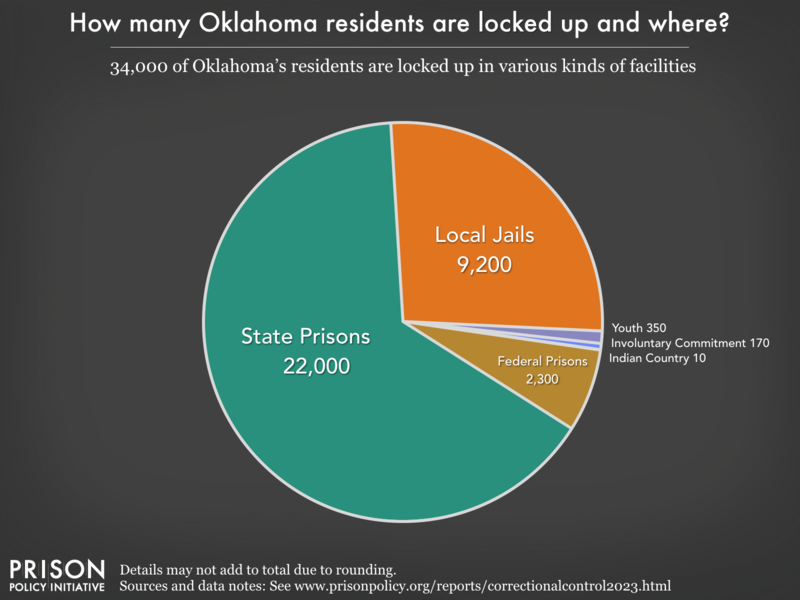
Understanding the correctional footprint of the Sooner State requires looking at the broader historical narrative of the American West. Oklahoma, much like its neighbors, has a sprawling layout that necessitated the placement of various state-run institutions in remote or historically significant areas. As of the current count, the Oklahoma Department of Corrections manages approximately 16 state-operated facilities. This network serves as a reflection of the state’s growth, policy shifts, and the evolving nature of public safety architecture.

State-Operated Facilities vs. Private Infrastructure
It is important to distinguish between the state-run facilities and the private, contract-based institutions. The Oklahoma penal system has undergone various cycles of consolidation and expansion. While the number of state-managed prisons remains relatively stable, the total count can fluctuate due to the utilization of private correctional centers. These facilities are often strategically located near major transit hubs like Oklahoma City or Tulsa, providing localized support to the judicial districts.
Historical Significance and Architectural Legacy
Many of the older institutions in the state are marvels of mid-century civic architecture. From the imposing walls of the Oklahoma State Penitentiary in McAlester—often referred to as “Big Mac”—to more modern facilities, these buildings represent a specific era of design. For those traveling through the southeastern part of the state, the presence of these structures offers a sobering look at how history, justice, and the built environment intersect in the American heartland.
Notable Facilities and Their Geographical Context
The geography of Oklahoma plays a major role in where these facilities are situated. Whether nestled in the foothills of the Ouachita Mountains or occupying sprawling acreage on the flat plains of Western Oklahoma, each site reflects a different strategy in state administration and historical development.
The Impact of McAlester’s Institutional History
Perhaps the most famous of all institutions is the one in McAlester. Established long before Oklahoma achieved statehood, this facility has played a central role in the narrative of the region. Visitors to the area often encounter the facility as a prominent landmark. It serves as a reminder of the frontier days, where the establishment of law and order required the creation of robust, permanent institutions that could withstand the challenges of the burgeoning territory.
Correctional Geography in the Heartland
Other facilities, such as those found near Lawton or Muskogee, provide a glimpse into the decentralized nature of the state’s correctional strategy. By placing these centers near regional centers of commerce, the state ensures that the judicial system remains accessible. This distribution also helps us understand the population density and historical development of the state; prisons were frequently built in areas where land was abundant and community impact was viewed through the lens of economic sustainability.
Beyond the Gates: Understanding the Socio-Cultural Fabric
For the inquisitive traveler, observing the location of these institutions provides a unique perspective on the Great Plains culture. It isn’t just about the count of the facilities; it’s about the culture that developed around them. In many small Oklahoma towns, the presence of a correctional facility acts as a primary economic anchor, shaping the local food scene, the housing market, and the daily rhythm of life.
The Evolution of Public Safety Architecture
The architecture of these facilities has transitioned from the heavy, stone-fortress style of the late 19th century to the more modular, high-security designs of the 21st century. Travelers interested in historical architecture can observe these changes by visiting different parts of the state. In Norman or near the borders, one can see how materials and structural requirements have adapted to modern technological needs, providing a timeline of engineering ingenuity that is often overlooked in traditional travel guides.
Why Context Matters for the Modern Visitor
When visitors ask “how many prisons are there in Oklahoma,” they are often really asking about the character of the state. Oklahoma is a place of profound contrasts: the serene beauty of the Wichita Mountains contrasted with the rigid, utilitarian structures that hold the history of the state’s justice system. By understanding the breadth of these facilities, one gains a more complete, nuanced appreciation for the state as a whole—not just its tourist attractions, but its entire landscape of governance and historical development.
Planning Your Journey Through Oklahoma’s History
If your interests extend toward the sociological and structural landmarks of Oklahoma, your trip should be framed with an understanding of these sites as historical points of interest. While you will likely spend your time at the National Cowboy and Western Heritage Museum or visiting the First Americans Museum, recognizing the scale of the state’s correctional infrastructure adds a layer of depth to your exploration of the local culture.
Tips for the Architecturally Curious Traveler
- Research Local History: Many towns like McAlester feature local museums that document how these institutions shaped the town’s development.
- Respect the Perimeter: Always keep in mind that these are active, secure facilities. Viewing from public roadways is the best way to observe the architectural influence without infringing upon secure zones.
- Engage with Local Narratives: Talk to locals about how the presence of these facilities has influenced the regional economy and social dynamics over the decades.
A Concluding Perspective
The number of prisons in Oklahoma is a reflection of a long, complex history of law, order, and regional development. Whether you are traveling through the expansive prairies or visiting the bustling centers of Oklahoma City, the correctional landscape is an indelible part of the state’s identity. By taking the time to learn about these institutions, you are peeling back another layer of what makes Oklahoma such a unique and fascinating destination. It is a state that honors its past while navigating the demands of the future, a reality clearly visible in the structures that define its borders and its interior. As you traverse the state, consider the history contained within these walls and the role they play in the ongoing story of the American South.
LifeOutOfTheBox is a participant in the Amazon Services LLC Associates Program, an affiliate advertising program designed to provide a means for sites to earn advertising fees by advertising and linking to Amazon.com. Amazon, the Amazon logo, AmazonSupply, and the AmazonSupply logo are trademarks of Amazon.com, Inc. or its affiliates. As an Amazon Associate we earn affiliate commissions from qualifying purchases.