
While the title “How Many Prisons In California?” might immediately bring to mind images of correctional facilities and law enforcement, for the discerning traveler and lifestyle explorer, it can serve as an unexpected gateway to understanding a complex and often overlooked aspect of the Golden State. Beyond the gleaming skyscrapers of Los Angeles and the iconic vineyards of Napa Valley, California possesses a vast and intricate network of institutions that, while not typical tourist destinations, profoundly shape the state’s social fabric, economy, and even its geography. This exploration delves into the sheer scale of this system, its historical evolution, and how understanding it can offer a unique perspective on the state’s diverse landscape and lifestyle offerings, perhaps even influencing where one chooses to stay or visit.
The Scale of Incarceration in California
When discussing “prisons,” we are referring to a broad category of correctional facilities. In California, this translates to a significant number of institutions managed by the California Department of Corrections and Rehabilitation (CDCR). The sheer quantity is staggering, reflecting decades of policy and societal trends. These facilities are not monolithic; they range from maximum-security penitentiaries housing thousands of inmates to minimum-security camps and specialized facilities for specific needs.
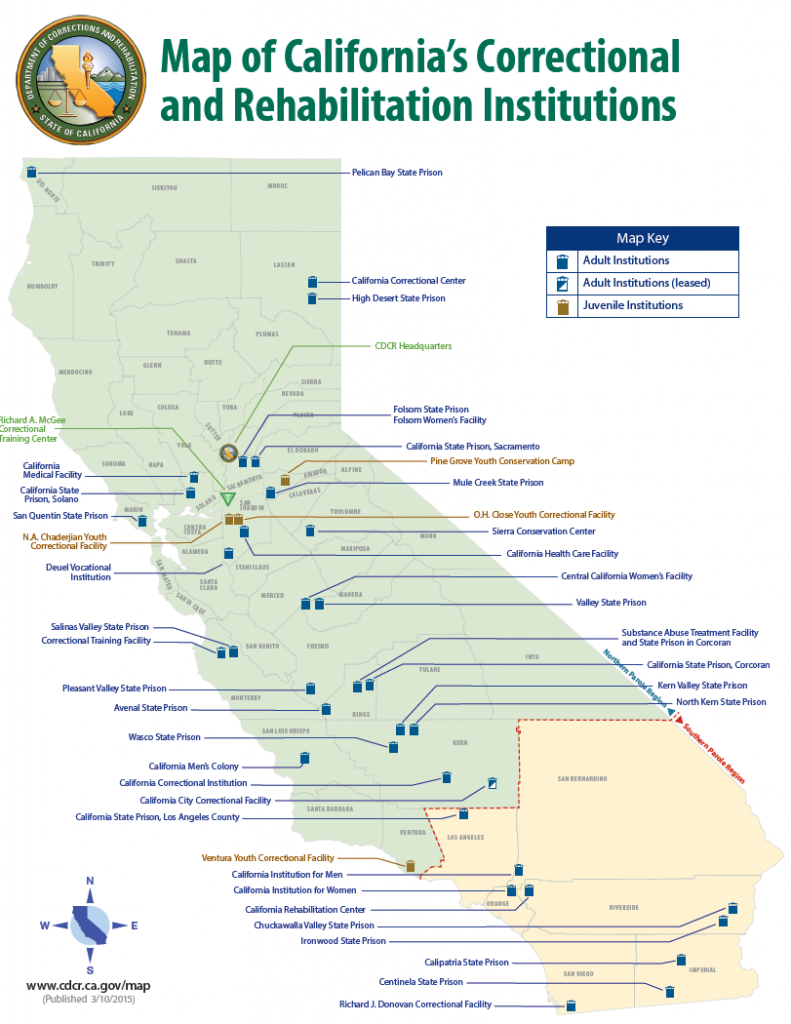
As of recent data, the CDCR operates 33 adult institutions across the state, encompassing a wide array of security levels and inmate populations. This number doesn’t include county jails, juvenile detention centers, or federal prisons, which are also part of the broader correctional landscape. The physical footprint of these facilities is substantial, often occupying large tracts of land, sometimes in remote or less populated areas. This geographical distribution is a key factor in understanding the state’s correctional infrastructure.
The scale of operations also means a significant workforce. Thousands of individuals are employed within the CDCR system, from correctional officers and administrative staff to healthcare professionals and support personnel. This employment base can have a considerable economic impact on the local communities where these prisons are located, influencing the demand for local services, including accommodation and dining.
Beyond the direct operational aspects, the number of individuals incarcerated in California is also a critical metric. For years, California has had one of the largest prison populations in the United States, although recent reforms have aimed to reduce these numbers. Understanding the fluctuations in prison populations can provide insights into broader societal shifts and policy changes, which in turn can subtly influence the overall atmosphere and focus of different regions within the state.
Beyond the Headlines: Understanding the Numbers
The raw number of prisons is just the beginning of the story. To truly grasp the significance, one must consider the capacity of these institutions and the actual number of individuals housed within them. Many California prisons operate at or near full capacity, a testament to the scale of the justice system.
The distribution of these facilities is also noteworthy. While some are situated near major urban centers, a significant number are located in more rural parts of the state, such as in the Central Valley or the desert regions. This strategic placement often has historical roots, tied to land availability and the desire to house large populations away from densely populated areas. For travelers, this means that some regions might have a higher concentration of these facilities than others, a fact that, while not a primary draw for tourism, is an undeniable element of the local landscape.
The economic implications are also profound. The construction, maintenance, and staffing of these institutions represent a substantial investment of public funds. In communities where prisons are major employers, they can be the backbone of the local economy, influencing the types of businesses that thrive and the services that are available. This can indirectly affect the hospitality industry, with a consistent demand for short-term and long-term accommodation for visiting families, legal professionals, and contractors.
Furthermore, the existence of these large institutions can shape the perception of certain areas. While California is often associated with its beaches, theme parks like Disneyland, and natural wonders like Yosemite National Park, the reality of its correctional system is an integral, albeit less visible, part of its identity.
Historical Context and Evolution
The significant number of prisons in California is not a recent phenomenon but rather the result of a long historical trajectory. The state’s approach to criminal justice and incarceration has evolved considerably over the past century, influenced by shifting political climates, demographic changes, and evolving societal attitudes towards crime and punishment.
The Rise of Incarceration
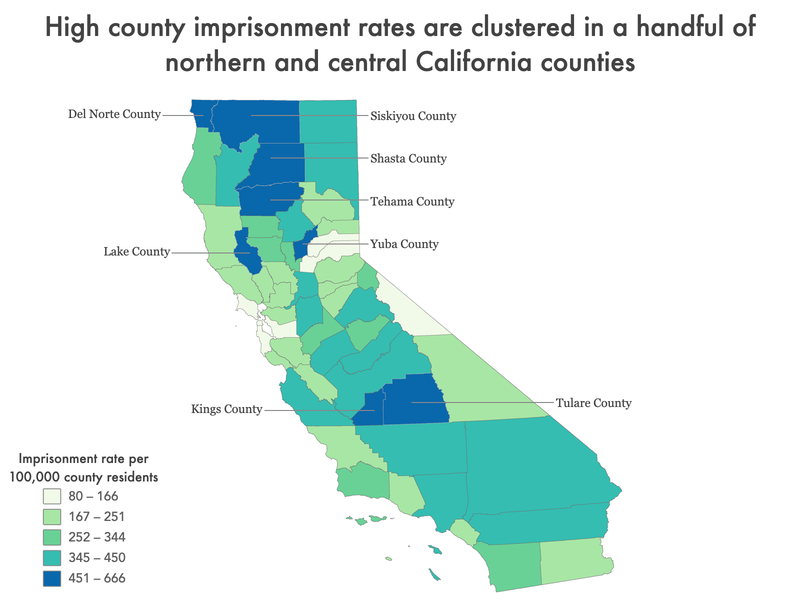
The mid to late 20th century saw a significant increase in crime rates across the United States, and California was no exception. This period was marked by the implementation of stricter sentencing laws, including “three-strikes” legislation, which led to a dramatic surge in the incarcerated population. To accommodate this growing number, California embarked on an ambitious prison-building program, leading to the construction of many of the facilities that exist today.
This era of rapid expansion was driven by a “tough on crime” political stance that resonated with the public. The focus was on incapacitation, with the belief that longer sentences and more secure facilities were the most effective ways to combat rising crime. This resulted in the proliferation of large, often maximum-security, institutions designed to house a growing number of individuals.
Reforms and Shifting Priorities
In more recent years, California has experienced a shift in its approach to criminal justice. Faced with escalating costs, overcrowding, and growing evidence of the ineffectiveness of mass incarceration, the state has begun to implement reforms aimed at reducing the prison population and focusing on rehabilitation and community-based alternatives.
This has led to a re-evaluation of the purpose and management of correctional facilities. While the physical infrastructure remains, there’s a greater emphasis on programs designed to address the root causes of crime, provide job training, and facilitate successful re-entry into society. Some facilities may be repurposed, or their operational focus might shift. Understanding this ongoing evolution is crucial for appreciating the dynamic nature of California’s correctional system.
The historical development of these institutions also sheds light on their geographical placement. Many of the older prisons were established in areas that were then on the outskirts of major cities or in more rural settings, providing space and a degree of isolation. As urban areas expanded, some of these facilities found themselves closer to residential communities, leading to ongoing discussions about their impact on local quality of life.
The Impact on Local Communities and the Economy
The presence of numerous correctional facilities has a tangible and often significant impact on the local communities where they are situated. This impact extends beyond the immediate operations of the prison to influence the local economy, social dynamics, and even the perception of the area.
Economic Drivers and Employment
For many rural or less economically diverse towns in California, prisons are major employers. The CDCR is one of the largest employers in the state, and its facilities provide stable, well-paying jobs for correctional officers, administrators, maintenance staff, and support personnel. This consistent employment generates significant economic activity within these communities, supporting local businesses, including restaurants, retail stores, and service providers.
The demand for housing in these areas can also be influenced by the presence of a prison. Staff members often relocate to be near their jobs, creating a steady need for rental properties and homes for sale. This can make areas surrounding correctional facilities more dynamic from a real estate perspective.

Social Considerations and Perceptions
The impact of prisons on social dynamics is more nuanced. On one hand, the employment opportunities they provide can be a stabilizing force in a community. On the other hand, the presence of a large correctional institution can shape the overall perception of an area, potentially deterring certain types of tourism or business investment.
For visitors, understanding the geographical distribution of these facilities can offer a more complete picture of California’s diverse landscape. While one might be planning a getaway to the beaches of San Diego or exploring the cultural attractions of San Francisco, it’s worth remembering that the state’s correctional infrastructure is an integral part of its identity, influencing its economy and social fabric in ways that are often unseen by the casual observer.
The economic ripple effects can extend to the hospitality sector as well. While prisons themselves are not tourist attractions, the staff and visiting families often require accommodation. This can create a consistent demand for hotels, motels, and even vacation rentals in the vicinity of these facilities, particularly for longer stays or during periods of court appearances or family visits. This is a subtle, yet important, aspect of the accommodation landscape in many California towns.
Moreover, the discussion around the number of prisons and their populations often intersects with broader conversations about social justice, rehabilitation, and the future of criminal justice in California. These are complex issues that, while not directly related to vacation planning, contribute to a deeper understanding of the state’s multifaceted character. For the curious traveler, engaging with these broader societal contexts can enrich the overall experience of exploring California beyond its well-trodden tourist paths.