
The cultural tapestry of New York City is inextricably linked to the vibrant influence of the Puerto Rican diaspora. For decades, the movement of people between the island and the mainland has created a unique social and culinary landscape, making the city a second home for millions. Understanding the demographic presence of this community is essential to appreciating the heartbeat of neighborhoods ranging from the Bronx to East Harlem.
Demographic Insights and Population Trends
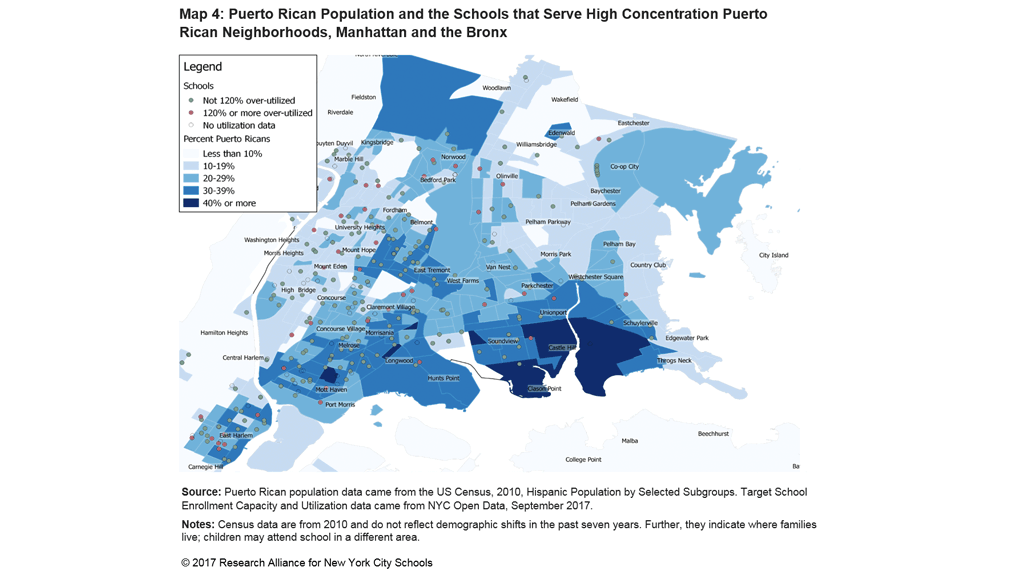
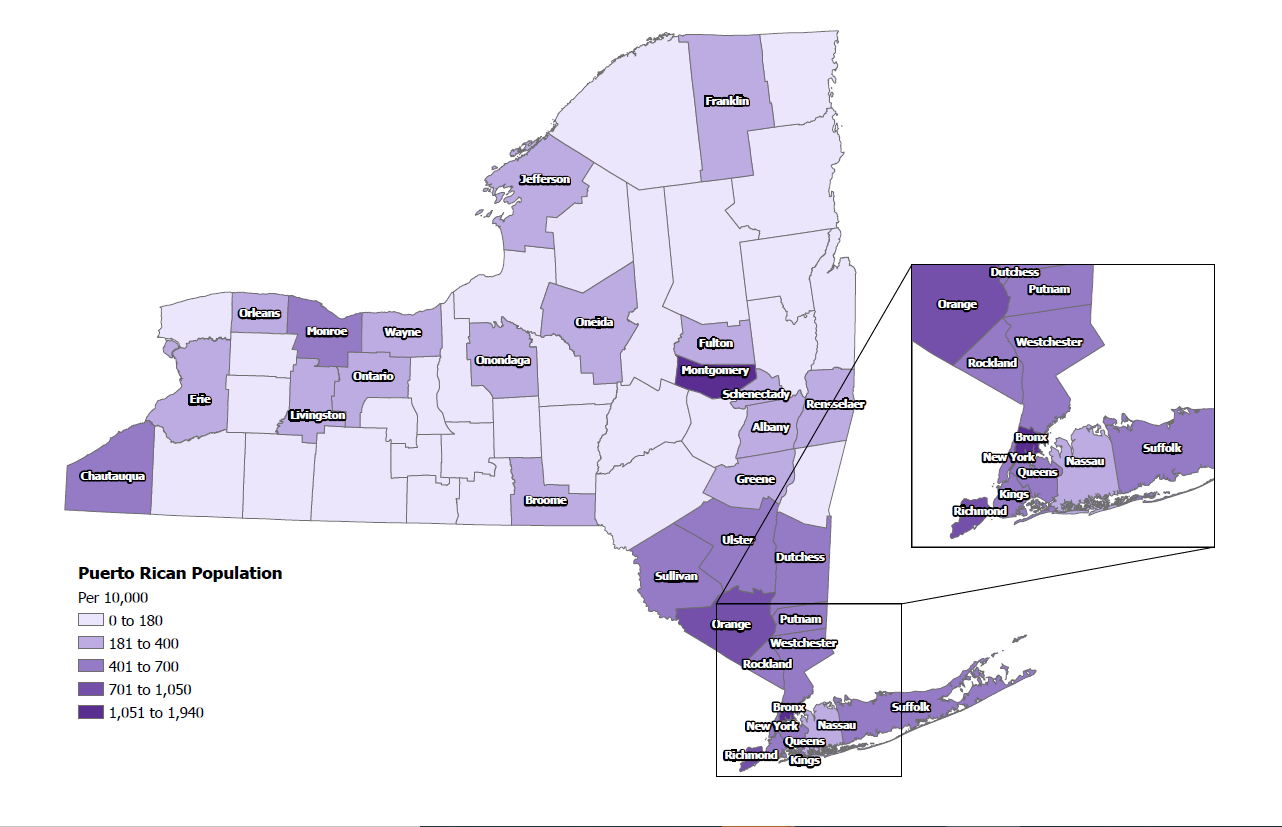
Current estimates and data from the United States Census Bureau suggest that there are approximately 700,000 to 800,000 residents of Puerto Rican descent living within the five boroughs. While these numbers fluctuate due to migration patterns—often spurred by economic shifts or natural disasters in San Juan—the Puerto Rican population remains one of the largest and most influential Hispanic groups in the metropolis.
The Evolution of the Diaspora
The history of this migration is marked by distinct waves, beginning in earnest after World War II. During this era, thousands arrived seeking employment opportunities, eventually establishing deep-rooted communities in places like Brooklyn and Manhattan. Today, while the population has seen a slight shift in geographic concentration as families move toward outer boroughs, the institutional footprint remains firmly planted in the city’s civic life.
Neighborhood Concentrations
The community is not monolithic in its geography. While specific areas like Williamsburg once served as the primary hubs, modern demographics show a more dispersed population. Significant numbers are now found in the Queens borough and parts of Staten Island, reflecting the upward mobility and changing residential patterns of second and third-generation families.
Cultural Contributions and Local Influence
The impact of the Puerto Rican community on New York City extends far beyond raw census data. It is felt in the rhythmic pulse of music, the artistic expression in local galleries, and the celebrated flavors found in every corner of the city. The integration of traditions has fundamentally reshaped what it means to be a “New Yorker.”
Culinary Traditions and Gastronomy
The culinary scene is perhaps the most sensory expression of this culture. From casual kiosks serving authentic mofongo to high-end restaurants putting a modern spin on traditional Caribbean dishes, the influence is ubiquitous. Neighborhoods often host local festivals where street food acts as a bridge between generations. The reliance on plantains, sofrito, and fresh seafood has turned local eateries into cultural anchors that define the city’s diverse palate.
Music, Arts, and Expression
From the birth of salsa in the South Bronx to the contemporary poetry slams held in Lower Manhattan, the artistic contribution is profound. The community has nurtured icons who have influenced global entertainment, ensuring that the spirit of the island is preserved through song, dance, and literature. This vibrant energy attracts tourists from around the world who come specifically to experience the rhythm and soul of neighborhoods like El Barrio.
Tourism and Cultural Preservation
For those visiting New York City, exploring the Puerto Rican heritage is a highlight of the urban experience. Tourism in these districts is not just about visiting landmarks; it is about engaging with living history. The resilience and creativity of the local residents have turned neighborhoods into must-visit destinations for travelers seeking an authentic connection to the local culture.
The Puerto Rican Day Parade
One of the most significant events in the city’s cultural calendar is the annual National Puerto Rican Day Parade. This massive celebration takes over Fifth Avenue, drawing millions of spectators. It serves as both a joyous celebration of identity and a powerful demonstration of the community’s size and influence within the city. For a tourist, witnessing this parade is perhaps the best way to understand the sheer scale of the population’s pride and presence.
Preservation Efforts in El Barrio
East Harlem, often referred to as “El Barrio,” serves as a focal point for heritage preservation. The presence of cultural centers and museums dedicated to Puerto Rican and Latino history ensures that the stories of the original migrants are passed down. Walking through these streets, visitors can see murals that document the history of the struggle and the eventual triumph of the community, turning the neighborhood into an open-air gallery of resilience.
Future Outlook for the Diaspora in New York
As the city continues to evolve, so too does the nature of the Puerto Rican community. While the population density in traditional neighborhoods may shift, the institutional power—in politics, education, and the arts—continues to grow. The connection between the island and the city remains a two-way street, with constant exchanges of talent, resources, and culture.
A Multigenerational Community
The future of this demographic group lies in its younger generations, who are successfully balancing their dual heritage. Many are leaders in business and technology, bridging the gap between the traditional values of their ancestors and the hyper-connected, fast-paced nature of modern New York. This synthesis ensures that the influence of Puerto Ricans in the city will not only persist but continue to define the cultural zeitgeist for decades to come.

Sustaining the Cultural Pulse
The sustainability of these cultural hubs relies heavily on the continued support of both the local government and the tourism industry. By highlighting the unique history of neighborhoods in the Bronx and beyond, the city ensures that the Puerto Rican experience remains a vital part of the global image of New York. Travelers play a crucial role here; by patronizing local businesses and participating in community events, they help keep the vibrant traditions alive for future generations.
In conclusion, while the number of Puerto Ricans living in New York City is a testament to the community’s historical endurance, it is the quality and depth of their cultural contribution that truly defines their importance. Whether through the food, the music, or the annual parades, this community has woven itself into the very fabric of the city, creating an identity that is uniquely “New York” and profoundly “Puerto Rican.” For the curious traveler, every visit is an opportunity to learn more about this symbiotic relationship, ensuring that the legacy of the diaspora continues to flourish in one of the world’s most dynamic urban environments.
LifeOutOfTheBox is a participant in the Amazon Services LLC Associates Program, an affiliate advertising program designed to provide a means for sites to earn advertising fees by advertising and linking to Amazon.com. Amazon, the Amazon logo, AmazonSupply, and the AmazonSupply logo are trademarks of Amazon.com, Inc. or its affiliates. As an Amazon Associate we earn affiliate commissions from qualifying purchases.