
Obtaining a driver’s permit is a pivotal step towards personal independence and enhanced mobility, fundamentally reshaping one’s lifestyle, especially in a sprawling and diverse state like Florida. The ability to navigate independently opens up opportunities for work, education, leisure, and simply experiencing the rich tapestry of life the Sunshine State has to offer. For many, the first hurdle in this journey is the learner’s permit test, a crucial assessment designed to ensure aspiring drivers possess a foundational understanding of road rules and safety. Understanding the structure and requirements of this test is key to a smooth transition into the world of driving.
Deciphering the Florida Learner’s Permit Test Structure
The Florida learner’s permit test, officially known as the Class E Knowledge Exam, is administered by the Florida Department of Highway Safety and Motor Vehicles (DHSMV). It is meticulously designed to assess an applicant’s knowledge of two critical areas: traffic laws and traffic signs. Preparing for this test is not merely about memorizing facts but about internalizing rules that contribute to road safety for all.
The Number of Questions and Passing Score
The Class E Knowledge Exam consists of 50 multiple-choice questions. These questions are drawn from the comprehensive Florida Driver Handbook, which serves as the authoritative guide for all rules and regulations pertinent to driving in the state. To successfully pass the exam, an applicant must correctly answer at least 80% of the questions. This translates to a minimum of 40 correct answers out of 50. Falling short of this benchmark necessitates retaking the test, highlighting the importance of thorough preparation. Each question typically presents four possible answers, requiring careful consideration and an accurate understanding of the underlying principle. The test is timed, usually allowing about 60 minutes for completion, which is ample time for most well-prepared individuals.
Content Breakdown: Traffic Laws vs. Traffic Signs
The 50 questions are generally divided into two main categories, though the exact split can vary slightly from one test version to another:
- Traffic Laws: A significant portion of the test focuses on Florida’s specific traffic laws. This includes rules pertaining to right-of-way, speeding, parking regulations, seatbelt requirements, impaired driving laws, lane usage, turning signals, pedestrian and bicycle safety, and many other operational aspects of driving. Understanding these laws is paramount not just for passing the test, but for safe and legal driving practices throughout one’s life.
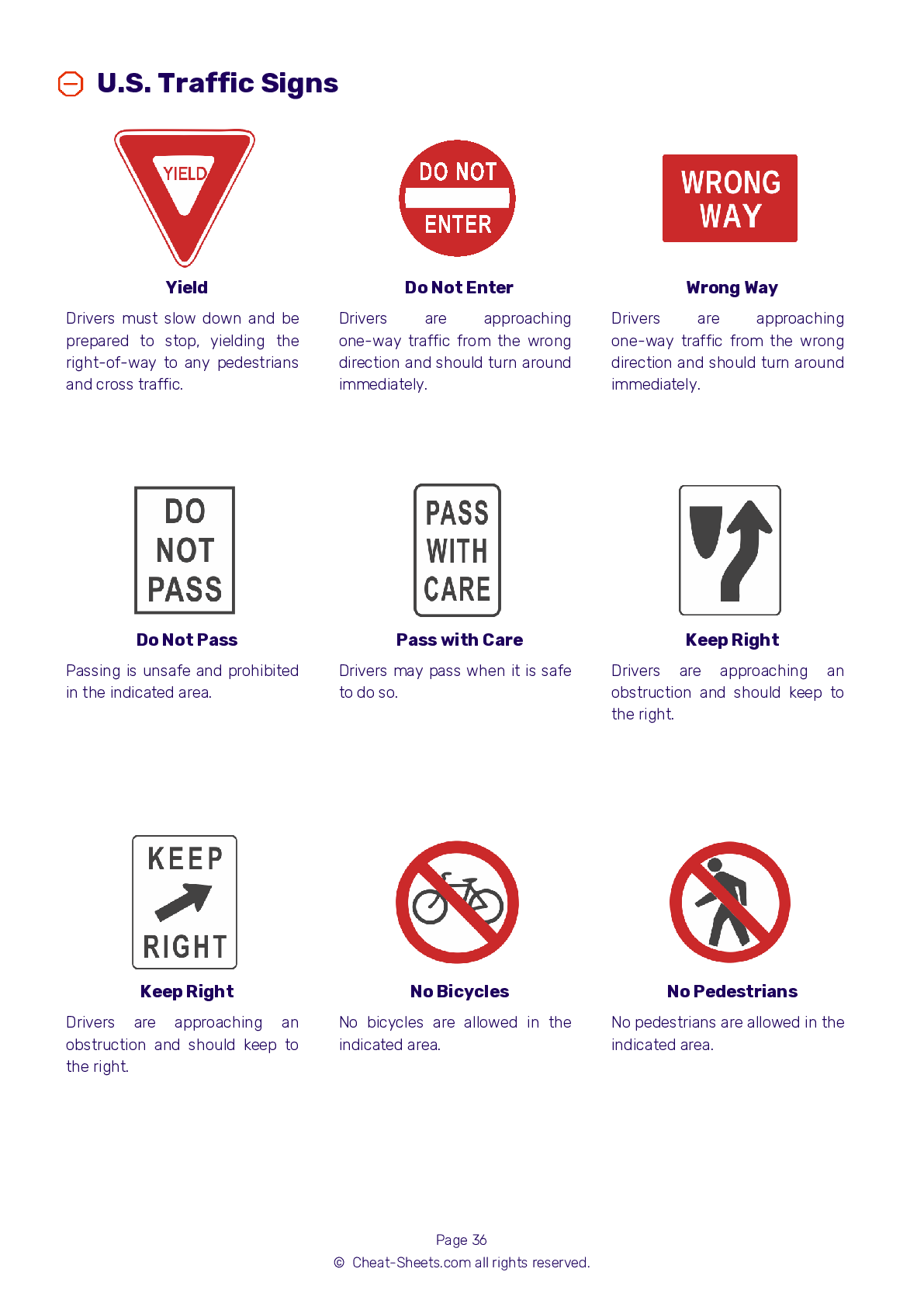
- Traffic Signs: The remaining questions evaluate an applicant’s ability to identify and understand the meaning of various traffic signs. This includes regulatory signs (e.g., STOP, YIELD), warning signs (e.g., curve ahead, deer crossing), guide signs (e.g., destination, mileage), and service signs. Recognizing these signs instantly is crucial for reacting appropriately to road conditions and instructions, preventing accidents, and navigating effectively.
Eligibility and Application Process: Your First Steps Towards Driving Freedom
Before even considering the number of questions, it’s essential to understand who is eligible to take the Florida learner’s permit test and the steps involved in the application process. These prerequisites are integral to ensuring that only qualified individuals move forward in their driving journey, reflecting a responsible approach to public safety and individual lifestyle choices.
Age and Residency Requirements
To be eligible for a Florida learner’s permit, applicants must:
- Be at least 15 years old. There is no upper age limit, making driving accessible across generations and lifestyles.
- Be a Florida resident. Proof of residency is required during the application process.
Mandatory Pre-Test Courses
Before taking the knowledge exam, all first-time drivers in Florida, regardless of age, are required to complete a Traffic Law and Substance Abuse Education course (TLSAE). This course, also known as the Drug and Alcohol course, is typically 4 hours long and covers topics related to the impact of drugs and alcohol on driving, traffic laws, and safe driving techniques. It’s a crucial component designed to foster responsible driving habits from the outset, aligning with a lifestyle that prioritizes safety and awareness. This course can often be completed online, offering flexibility for busy schedules.
Required Documentation for Application
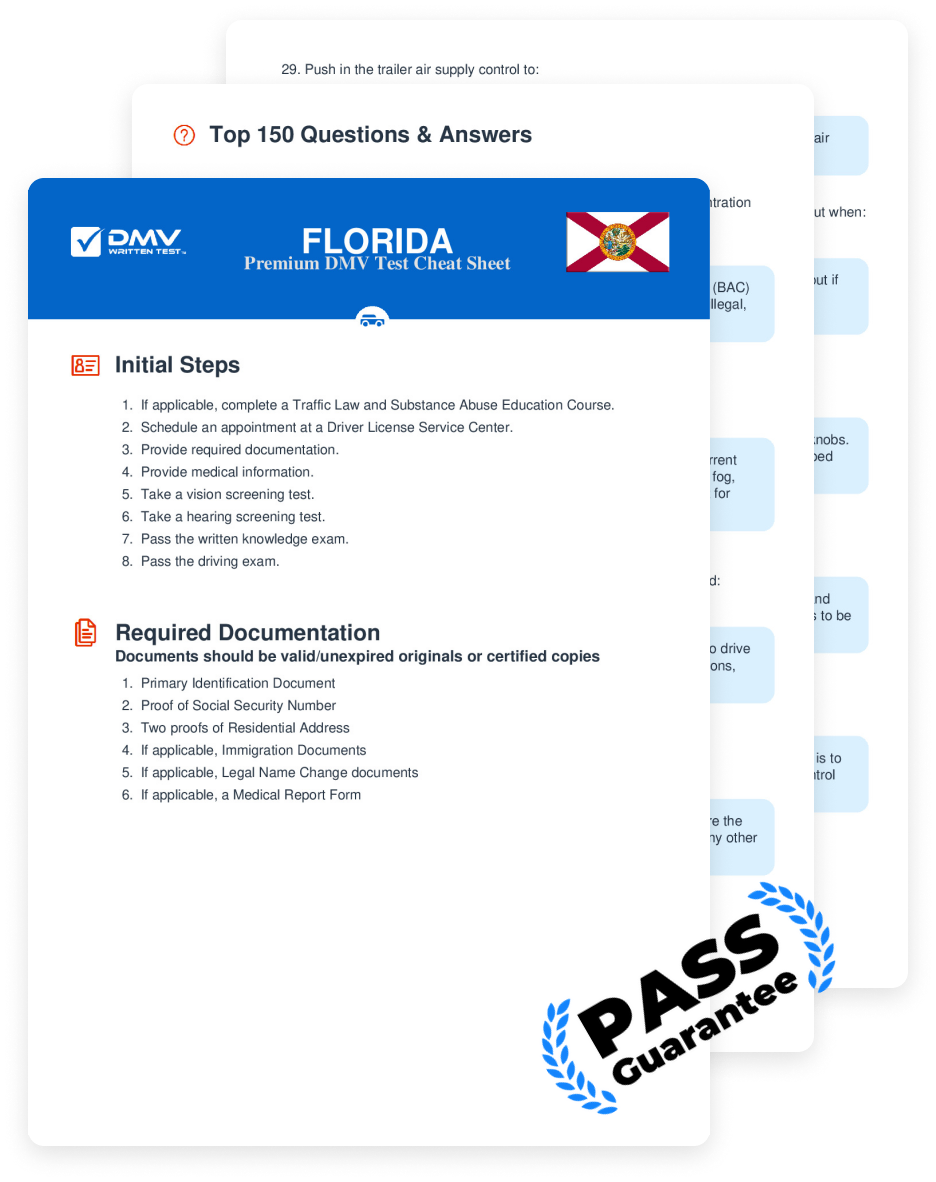
When applying for your permit at a DHSMV service center, you’ll need to present several documents to verify your identity, residency, and social security number. This typically includes:
- Proof of Identity: Original or certified birth certificate, valid U.S. passport, or a Certificate of Naturalization.
- Proof of Social Security Number: Social Security card, W-2 form, or a pay stub with your SSN.
- Proof of Residency: Two documents showing your Florida residential address (e.g., utility bills, bank statements, rental agreement). For minors, parental residency can often suffice.
- Parental Consent Form: If the applicant is under 18 years old, a parental consent form (HSMV 71142) must be signed by a parent or legal guardian in the presence of a DHSMV examiner or notarized.
Ensure all documents are original or certified copies; photocopies are generally not accepted. Having these documents ready streamlines the application process, enabling you to focus on the test itself.
Mastering the Road: Effective Study Strategies for the Permit Test
Successfully passing the Florida permit test is a significant milestone that empowers your lifestyle with newfound mobility. Effective preparation is not about cramming but about understanding the rules and internalizing safe driving principles. Here are some strategies to help you ace the exam.
The Indispensable Florida Driver Handbook
Your primary study resource should be the official Florida Driver Handbook. This comprehensive guide contains all the information you need to know for the test. It’s available online for free on the DHSMV website and often in print at local service centers.
- Read Thoroughly: Don’t just skim. Read each section carefully, paying close attention to details, especially in chapters covering traffic laws, signs, and safe driving practices.
- Focus on Key Areas: Chapters dedicated to road signs, right-of-way rules, and impaired driving are particularly important, as these are frequently tested topics.
- Review Diagrams and Images: The handbook includes various diagrams and images of traffic signs, pavement markings, and intersection scenarios. These visual aids are crucial for understanding complex rules.
Practice Tests: Your Best Friend
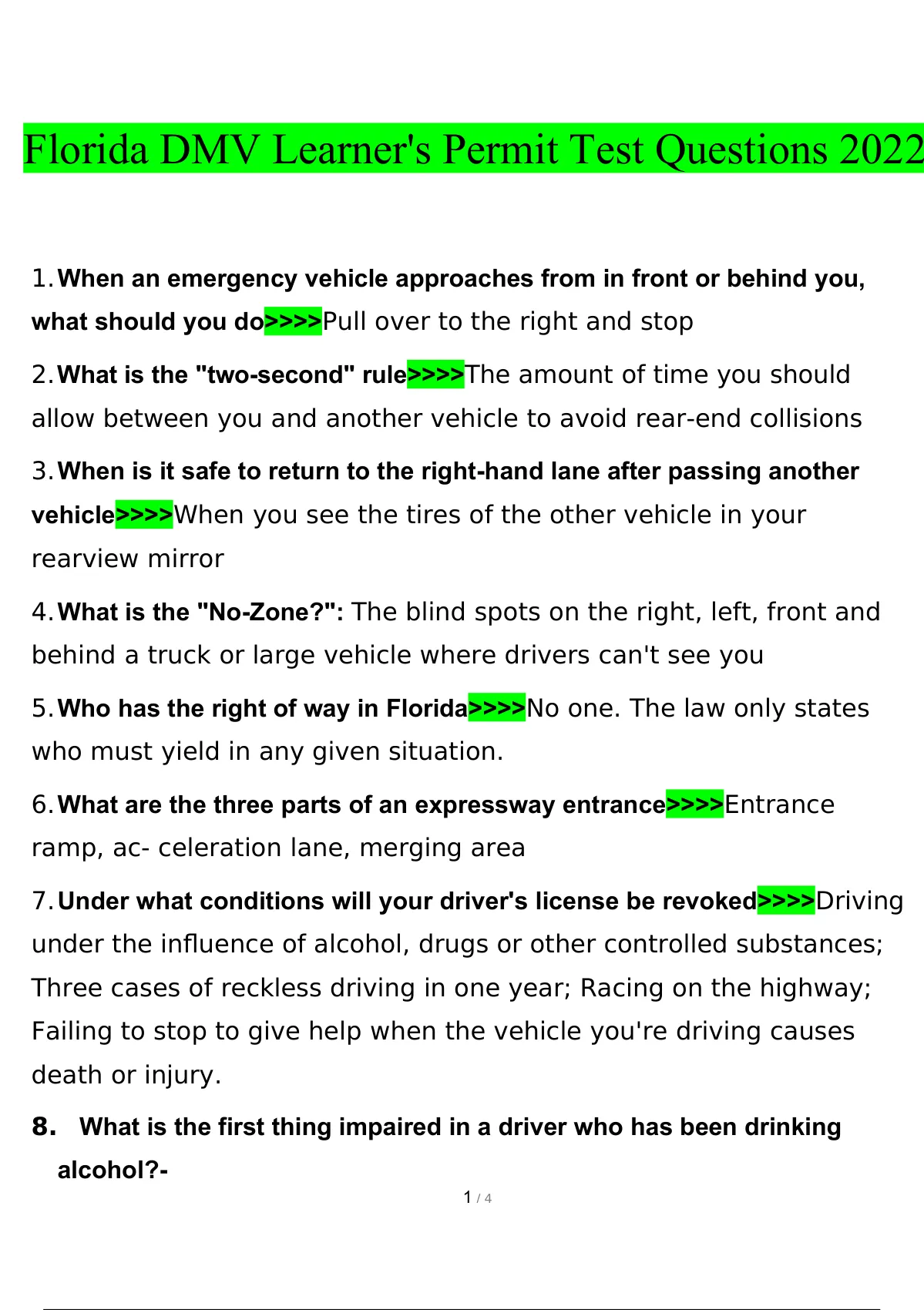
After studying the handbook, the next most effective tool for preparation is taking practice tests. Numerous online platforms, including the DHSMV website itself, offer free practice exams that mimic the format and difficulty of the actual test.
- Identify Weaknesses: Practice tests help you pinpoint areas where your knowledge is lacking. If you consistently miss questions on a particular topic, revisit that section in the handbook.
- Familiarize with Format: Regular practice helps you get comfortable with the multiple-choice format and the types of questions asked, reducing test-day anxiety.
- Simulate Test Conditions: Try to take practice tests under timed conditions to get a feel for the pace you’ll need on the actual exam. Aim for consistent scores above 80% before scheduling your official test.
Additional Learning Resources
Beyond the handbook and practice tests, consider these supplementary resources:
- Online TLSAE Course: As mentioned, this is mandatory, but many online providers structure the course content to reinforce key concepts necessary for the permit test. Pay attention during this course, as it covers foundational knowledge.
- Driving School Prep Courses: Some driving schools offer specific courses or workshops aimed at preparing individuals for the permit test, providing guided instruction and focused study materials.
- Study Groups: Studying with friends or family members who are also preparing for the test can provide an interactive and supportive learning environment, allowing for discussion and clarification of difficult concepts.
Beyond the Test: What a Florida Learner’s Permit Means for Your Lifestyle
Passing the Florida permit test and obtaining your learner’s permit is more than just getting a piece of plastic; it’s a gateway to a significantly enhanced lifestyle. Florida’s expansive landscapes, vibrant cities like Miami, Orlando, and Tampa, and endless attractions truly come alive when you have the freedom to drive.
The Path to Independence and Mobility
A learner’s permit symbolizes the initial step towards ultimate driving independence. While it comes with restrictions – requiring a licensed driver (21 years or older, with a valid Class E or higher driver’s license) to be in the front passenger seat – it allows you to gain invaluable real-world driving experience. This practical experience is crucial for developing confidence, honing skills, and adapting to various driving conditions, from navigating bustling urban streets to cruising on scenic coastal roads. This gradual introduction ensures you become a responsible and skilled driver, ready to embrace the full scope of a driving lifestyle.
Enhancing Educational and Career Opportunities
For many, especially younger individuals, a driver’s permit can significantly broaden educational and career prospects. The ability to drive allows access to schools, colleges, and training programs that might otherwise be geographically inaccessible. Similarly, for job seekers, particularly in areas like Florida where public transport can be limited outside major city centers, having a permit (and eventually a full license) opens up a wider range of employment opportunities, reducing reliance on others and fostering a more self-sufficient lifestyle.
Unleashing Exploration and Leisure
Florida is a state renowned for its diverse attractions, from the theme parks of Orlando to the pristine beaches of the Gulf Coast and the natural wonders of the Everglades. A learner’s permit, and the eventual full driver’s license, empowers you to explore these destinations on your own terms. Imagine spontaneous road trips, weekend getaways, or simply the convenience of running errands without logistical hurdles. This freedom to travel and explore enriches personal leisure activities, connecting you more deeply with the local culture and the natural beauty of Florida, thus profoundly impacting your lifestyle.
Contributing to Family and Community Life
Having a driver’s permit also allows individuals to contribute more actively to family and community life. This could mean helping with family errands, driving siblings to school or activities, or assisting elderly family members. It fosters a sense of responsibility and reliability, strengthening community ties and personal relationships. The convenience of personal transportation simplifies daily routines for entire households, making life more manageable and enjoyable for everyone involved.
In conclusion, the Florida learner’s permit test, with its 50 questions requiring an 80% passing score, is a manageable challenge with proper preparation. It’s a fundamental gateway to an independent and enriched lifestyle in a state that truly comes alive when explored by road. By understanding the test structure, fulfilling eligibility requirements, and employing effective study strategies, you’re not just passing an exam; you’re unlocking a new chapter of personal freedom and opportunity.
LifeOutOfTheBox is a participant in the Amazon Services LLC Associates Program, an affiliate advertising program designed to provide a means for sites to earn advertising fees by advertising and linking to Amazon.com. Amazon, the Amazon logo, AmazonSupply, and the AmazonSupply logo are trademarks of Amazon.com, Inc. or its affiliates. As an Amazon Associate we earn affiliate commissions from qualifying purchases.