
Embarking on the journey to obtain a driver’s license in California is an exciting step, especially for new residents or those looking to gain newfound independence. Central to this process is the knowledge test, often referred to as the permit test. Understanding the structure and content of this crucial examination is paramount for success. This article aims to demystify the California permit test, providing comprehensive details to help aspiring drivers prepare effectively. While the core of this information focuses on the permit test itself, the spirit of exploration and preparedness it instills resonates deeply with the themes of travel, tourism, and lifestyle that California so vibrantly offers. From navigating the scenic Pacific Coast Highway to exploring the cultural hubs of Los Angeles or San Francisco, a valid driver’s license opens up a world of possibilities.

Understanding the California Driver’s Permit Test Structure
The California Department of Motor Vehicles (DMV) administers the knowledge test for individuals seeking a driver’s permit. This test is designed to assess an applicant’s understanding of California‘s traffic laws, safe driving practices, and road signs. It’s a critical hurdle before one can even begin practicing driving under supervision. The test is typically administered in a written format, though accommodations can be made for those with disabilities. The number of questions on the test, and the passing score, are specific and have been standardized to ensure a baseline level of driver competency across the state.
The Number of Questions on the Test
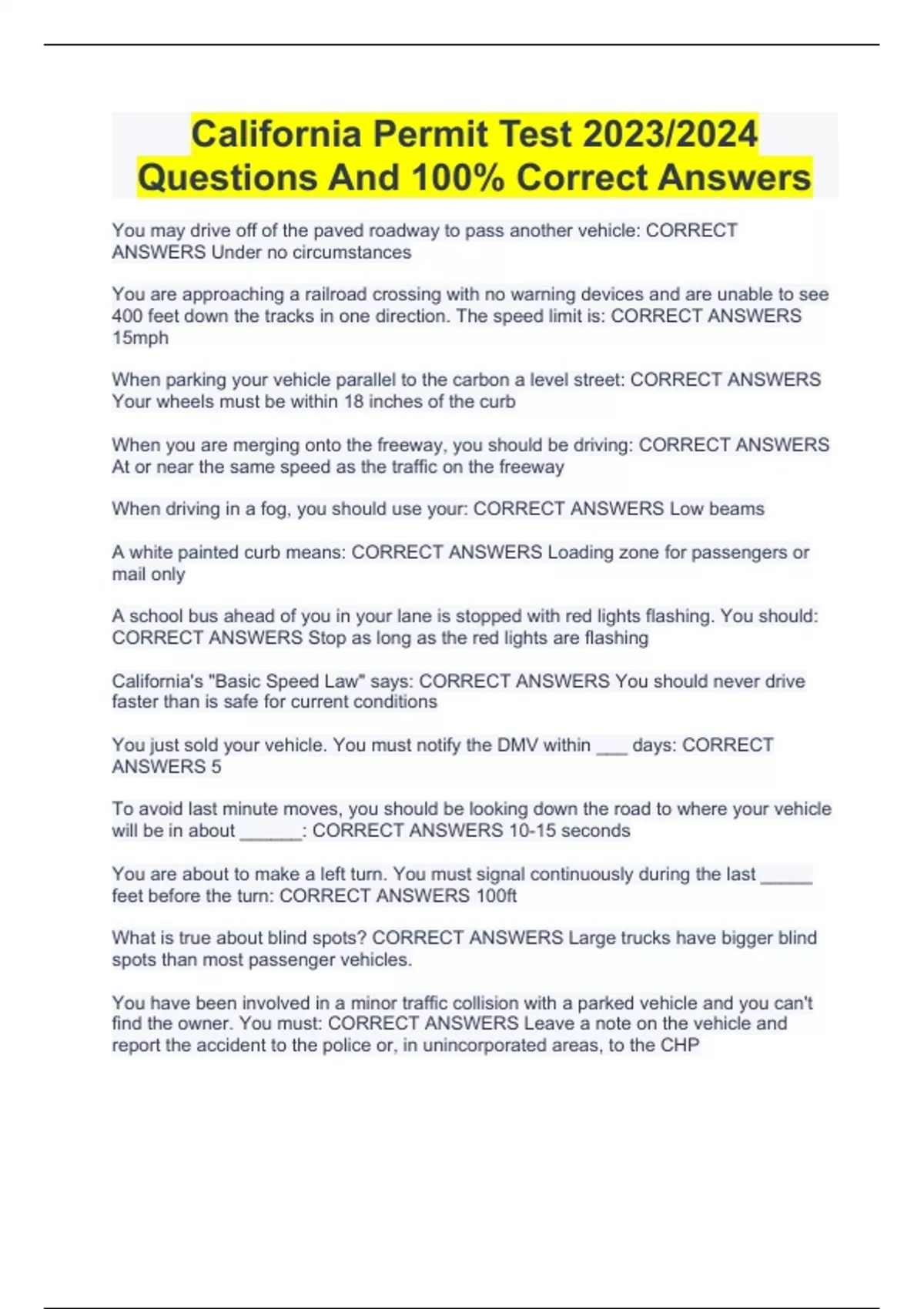
For a standard Class C driver’s license, which is the most common type for passenger vehicles, the California permit test consists of 30 multiple-choice questions. This number is consistent and has been established to cover the breadth of information necessary for safe driving on California‘s diverse roadways. These questions are drawn from the official California Driver Handbook, which is the primary resource for all testable material. The handbook covers everything from the rules of the road, speed limits, right-of-way, and safe driving techniques to recognizing and responding to various traffic situations.
Passing Score Requirements
To successfully pass the California permit test, an applicant must correctly answer a minimum of 24 questions. This means that you can get up to 6 questions wrong and still pass. This 80% passing threshold is designed to ensure that drivers have a solid grasp of the essential rules and regulations that govern driving in California. A score lower than 24 correct answers will result in a failed test, requiring the applicant to wait a specified period before retaking it. Multiple failed attempts may lead to further requirements or delays in the licensing process.
What Happens If You Fail?
Failing the California permit test doesn’t mean the end of your driving aspirations. The DMV has a clear process for retesting. If you fail the knowledge test, you must wait a minimum of seven days before you can retake it. This waiting period is intended to give you time to study the California Driver Handbook more thoroughly and identify the areas where you struggled. You are allowed a maximum of three attempts to pass the knowledge test within a 12-month period. If you fail the test for the third time, you will need to wait six months and reapply for a permit, which may involve paying additional fees. It is highly recommended to use the waiting period to meticulously review the handbook and consider taking practice tests to reinforce your learning.
Key Areas Covered in the California Permit Test
The 30 questions on the California permit test are not randomly selected. They are carefully crafted to cover a wide range of topics crucial for safe and responsible driving. These topics are systematically outlined in the California Driver Handbook and represent the core knowledge required to operate a vehicle legally and safely within the state. Understanding these key areas will significantly boost your confidence and preparedness.
Traffic Laws and Regulations
A substantial portion of the test focuses on California‘s specific traffic laws and regulations. This includes understanding speed limits in various zones (residential, business, school zones), rules regarding turns, lane changes, yielding the right-of-way, and the procedures for interacting with emergency vehicles. You will also be tested on laws pertaining to driving under the influence (DUI), seat belt usage, and the proper use of headlights. Familiarizing yourself with sections of the handbook dedicated to these laws is essential. For instance, understanding the implications of the California Vehicle Code regarding distracted driving is just as important as knowing how to navigate a roundabout.
Road Signs and Pavement Markings
Recognizing and understanding the meaning of various road signs and pavement markings is fundamental to safe driving. The California permit test will include questions that require you to identify the shape and color of signs and what they signify. This includes regulatory signs (like speed limit signs and stop signs), warning signs (indicating potential hazards), and guide signs (providing directional information). Pavement markings, such as solid and dashed lines, arrows, and crosswalks, also convey critical information about how to navigate the road safely. Mastering these visual cues is vital for anticipating the actions of other drivers and making informed decisions.
Safe Driving Practices and Road Situations
Beyond just knowing the rules, the test also evaluates your understanding of safe driving practices and how to handle common road situations. This can include questions about maintaining a safe following distance (the “three-second rule”), defensive driving techniques, driving in adverse weather conditions (rain, fog, snow), and what to do in case of a vehicle breakdown or accident. Special attention is given to pedestrian and cyclist safety, as well as the rules for sharing the road with motorcyclists. The test also covers topics like parking regulations, highway driving, and understanding the risks associated with fatigue or aggressive driving. Practicing scenarios described in the handbook will help you apply the rules to real-world situations you might encounter while traveling through diverse California landscapes, from the bustling streets of San Diego to the winding roads of the Sierra Nevada.
Strategies for Success on the California Permit Test
Passing the California permit test is achievable with the right approach. It’s not about memorizing facts but about comprehending the principles of safe driving. A well-structured study plan and practice can make all the difference.
Thoroughly Study the California Driver Handbook
The California Driver Handbook is the ultimate guide for the permit test. It is written in clear language and covers all the information you need to know. Read it thoroughly, paying close attention to every section. Don’t just skim the material; try to understand the reasoning behind each rule and recommendation. After reading a section, try to summarize the key points in your own words. This active learning approach will help you retain the information better. Consider downloading a digital copy from the California DMV website, which is easily accessible for study on your electronic devices, complementing your travel planning resources for destinations like Yosemite National Park.
Utilize Practice Tests
Many resources offer California DMV practice permit tests online. These tests are invaluable for several reasons. Firstly, they simulate the actual test experience, helping you get accustomed to the format and time constraints. Secondly, they highlight your strengths and weaknesses, allowing you to focus your study efforts on areas where you need the most improvement. Taking multiple practice tests can also help build your confidence, reducing test anxiety. Look for practice tests that are updated with the latest California driving laws, ensuring the information you’re studying is current.
Focus on Understanding, Not Just Memorization
While some specific details might require memorization (like specific speed limits or penalties), the permit test is largely about understanding how to drive safely and responsibly. Instead of just memorizing answers to practice questions, try to understand why a particular rule or practice is important. For example, understanding why maintaining a safe following distance is crucial for preventing rear-end collisions will make the rule more meaningful and easier to recall than simply memorizing the recommended distance. This deeper understanding will serve you well long after you’ve passed the test and are navigating your travels across California, perhaps planning a scenic drive along the Big Sur coastline or exploring the historic Alcatraz Island.
Prepare for Your Test Day
On the day of your test, ensure you arrive at the California DMV office with all the required documents, such as proof of identity, residency, and your social security number. Get a good night’s sleep and avoid cramming right before the test. Stay calm and read each question carefully. If you are unsure about an answer, eliminate the options you know are incorrect and then make your best choice. Remember, the California permit test is a gateway to freedom and exploration, enabling you to experience the diverse attractions California has to offer, from the wineries of Napa Valley to the theme parks in Anaheim.
The California permit test, with its 30 questions and a passing score of 24, is a well-structured examination designed to ensure that all new drivers possess the fundamental knowledge required for safe operation of a vehicle. By dedicating time to study the California Driver Handbook, utilizing practice tests, and focusing on a deep understanding of traffic laws and safe driving practices, aspiring drivers can approach the test with confidence and pave their way to enjoying the many travel and lifestyle opportunities that the Golden State provides.
LifeOutOfTheBox is a participant in the Amazon Services LLC Associates Program, an affiliate advertising program designed to provide a means for sites to earn advertising fees by advertising and linking to Amazon.com. Amazon, the Amazon logo, AmazonSupply, and the AmazonSupply logo are trademarks of Amazon.com, Inc. or its affiliates. As an Amazon Associate we earn affiliate commissions from qualifying purchases.