
California, often heralded as the Golden State, stands as a beacon of innovation, culture, and natural beauty. Its allure is undeniable, drawing millions of people seeking opportunity, adventure, and a lifestyle that blends urban sophistication with access to breathtaking wilderness. But beyond the captivating images of sunny beaches and iconic landmarks, a fundamental question often arises for those looking to understand its essence: exactly how many residents call California home? The answer to this seemingly simple query unveils a complex tapestry that influences everything from the state’s vibrant tourism industry to its diverse accommodation options and the very fabric of its residents’ lifestyles.
A Golden State of Millions: Unpacking California’s Population
Understanding the sheer scale of California’s population is crucial to grasping its impact on the United States and the world. As the most populous state in the nation, California is a demographic powerhouse, a melting pot of cultures, and a major economic engine.
The Latest Figures and What They Mean
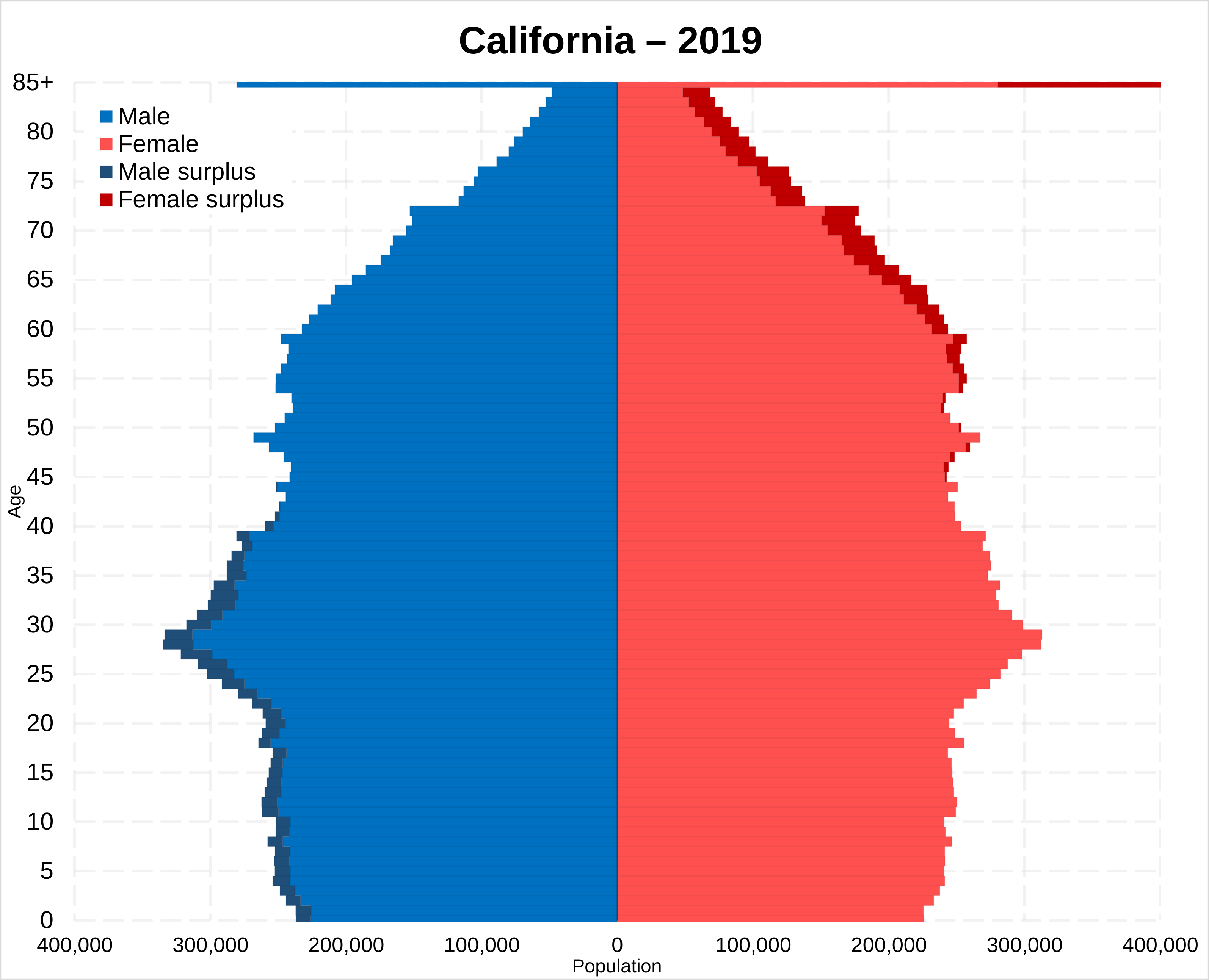
While population figures are dynamic and constantly updated, recent estimates consistently place California’s resident count well over 39 million people. This staggering number makes it larger than many countries worldwide. To put it in perspective, if California were an independent nation, it would rank among the top 40 most populous countries globally. This immense population is not merely a statistic; it represents a vibrant, active society that fuels the state’s economy, shapes its cultural landscape, and drives its constant evolution. From bustling metropolitan centers to sprawling suburban communities and remote rural towns, these millions contribute to the unique character of every corner of the state.
The implications of such a vast populace are profound. For the travel sector, it means a massive domestic market for internal tourism, with residents frequently exploring their own state’s diverse offerings. For the accommodation industry, it translates into sustained demand for both short-term stays for visitors and long-term housing solutions for residents. Moreover, the sheer number of people living and working here creates an environment rich in local culture, innovative food scenes, and a continuous stream of new experiences for both residents and tourists alike.
Historical Growth and Demographic Shifts
California’s journey to becoming the most populous state is a story of continuous growth, driven by various historical phenomena, from the Gold Rush era to the tech booms of the 20th and 21st centuries. Throughout its history, California has been a magnet for dreamers and innovators, attracting migrants from across the United States and around the globe. This sustained influx has resulted in an incredibly diverse demographic profile, making it one of the most multicultural places on Earth.
Today, California’s population is characterized by a rich blend of ethnicities, languages, and traditions. Major demographic groups contribute to the state’s dynamic social fabric, influencing everything from the culinary landscape to artistic expressions and political discourse. This diversity is a cornerstone of California’s appeal, creating a vibrant environment where different cultures intersect and flourish. For tourists, this means an unparalleled opportunity to explore a myriad of cultural experiences without leaving the state, whether it’s sampling authentic ethnic food in Los Angeles, celebrating diverse festivals in San Francisco, or discovering unique art communities in smaller towns. This rich demographic tapestry enriches the entire state, making every destination feel like a journey through multiple worlds.
Population Density and Its Influence on Travel & Tourism
The distribution of California’s vast population is far from uniform. It heavily concentrates in specific urban corridors and coastal regions, creating areas of high density that significantly impact the travel and tourism landscape.
Urban Hubs and Their Magnetic Pull for Visitors
The vast majority of California’s residents reside in major metropolitan areas, particularly along the coast. Cities like Los Angeles, San Francisco, San Diego, San Jose, and Sacramento are not just population centers; they are also major global destinations. These urban hubs are renowned for their iconic landmarks, world-class dining, thriving arts scenes, and cutting-edge industries.
Los Angeles, for instance, with its sprawling cityscape and diverse neighborhoods, is a magnet for those seeking glamour in Hollywood, relaxation on beaches like Santa Monica, or cultural immersion in its numerous museums and theaters. Similarly, San Francisco’s unique charm, from the historic Alcatraz Island to the majestic Golden Gate Bridge and its vibrant culinary scene, draws millions of international and domestic tourists annually. San Diego offers a more laid-back vibe with beautiful beaches, a rich Spanish heritage, and family-friendly attractions. These cities are not only where most residents live but also where the most significant infrastructure for tourism is concentrated, including international airports, a vast array of hotels, and extensive public transportation networks (though often supplemented by personal vehicles due to California’s expansive geography). The high population density supports a diverse range of entertainment options and services, from luxury shopping in Beverly Hills to bustling farmers markets in Oakland.

The Diverse Tapestry: Culture, Cuisine, and Community
The millions of residents, particularly their ethnic and cultural diversity, imbue California with an extraordinary richness that forms the bedrock of its tourism appeal. This is especially evident in the state’s culinary landscape. From authentic Mexican food in Southern California to innovative Asian fusion in Northern California and farm-to-table restaurants in the Central Valley, the options are endless. Food festivals, community markets, and neighborhood eateries become attractions in themselves, offering visitors a true taste of California’s multicultural identity.
Beyond food, the state’s population creates a fertile ground for artistic expression, music scenes, and diverse festivals. Neighborhoods across Los Angeles, San Francisco, and San Diego offer unique cultural niches, from historic districts to modern art enclaves. The lifestyle of California residents, characterized by a blend of innovation, health-consciousness, and an appreciation for the outdoors, shapes the offerings available to tourists. This includes everything from yoga retreats in scenic settings to surf schools along the coast and vibrant nightlife districts.
From Bustling Cities to Serene Natural Escapes
While cities house the majority, millions of residents also live within reasonable proximity to California’s iconic natural landmarks and wilderness areas. This access, combined with a strong appreciation for nature, means that national parks like Yosemite National Park, Redwood National and State Parks, and Death Valley National Park, as well as natural wonders like Lake Tahoe and the dramatic coastline of Big Sur, are frequently visited by residents themselves. This domestic tourism helps sustain infrastructure and services in these areas, making them more accessible and enjoyable for international visitors.
The movement of residents between urban centers and natural escapes creates a dynamic flow of travel within the state. Weekends often see an exodus from cities to mountains, deserts, and beaches, fostering a demand for diverse accommodation options ranging from luxury resorts near ski slopes to rustic cabins in national forests. This internal demand for diverse destinations ensures that California’s vast natural heritage remains a vital part of its overall tourism appeal, providing serene counterpoints to the bustling urban centers.

Accommodation and Lifestyle: Catering to a Dynamic Population and Influx of Tourists
The millions of residents in California, coupled with an enormous influx of tourists, create a dynamic and highly competitive market for accommodation and shape the various lifestyles available throughout the state.
Navigating California’s Diverse Accommodation Landscape
With nearly 40 million residents and tens of millions of annual visitors, California’s accommodation sector is incredibly robust and varied. From opulent luxury travel resorts to charming boutique hotels, family-friendly suites, and budget-conscious apartments, the state offers options for every taste and budget. In major cities like Los Angeles and San Francisco, you’ll find a high concentration of premium hotels like the Waldorf Astoria Beverly Hills or the historic Hotel del Coronado in San Diego, catering to those seeking lavish amenities and impeccable service. These establishments thrive on both corporate business stays and high-end leisure travel from around the globe.
Beyond the major urban centers, California’s vastness means a remarkable diversity in lodging. Coastal towns offer quaint inns and beachfront villas, while wine country features elegant estates with vineyard views. National park gateways provide rustic lodges and glamping experiences. The sheer volume of residents also supports a thriving long-term stay market, especially for those relocating or undertaking extended business stays. Platforms for booking accommodation, reviews, and comparison are indispensable tools for both residents planning staycations and tourists plotting their dream itineraries. The constant demand ensures a high standard of service and a continuous evolution of accommodation options to meet varying needs and preferences.
Lifestyle Choices: From Luxury to Budget-Friendly Adventures
The substantial population of California is a key driver of its diverse lifestyle offerings. The state caters to an incredibly broad spectrum of preferences, from the opulent luxury travel associated with Beverly Hills and Laguna Niguel (home to places like The Ritz-Carlton, Laguna Niguel) to the vibrant, youthful energy of beach cities and the quiet, rugged charm of mountain communities. For residents, this means a plethora of choices in where and how to live, work, and play. For tourists, it translates into an abundance of experiences to match any budget travel plan or family trip ambition.
The robust local economy, supported by millions of residents, means that high-end services, gourmet dining, and exclusive attractions can thrive. Simultaneously, the large population also creates a demand for accessible and affordable options, supporting a strong budget travel infrastructure, including hostels, campgrounds, and more economical dining options. The focus on health and wellness, outdoor activities, and innovation is deeply ingrained in the Californian lifestyle, influencing everything from the availability of farmers’ markets to the popularity of hiking trails and surf breaks. Whether one seeks a quiet escape, a vibrant nightlife, or family-friendly fun at Disneyland Park in Anaheim or Universal Studios Hollywood, California’s millions of residents ensure a dynamic and thriving backdrop for every kind of adventure.
The Economic Ripple: Housing, Jobs, and the Visitor Economy
The sheer number of people residing in California profoundly impacts its economy, particularly in relation to housing and jobs. The demand for housing, fueled by population growth and desirability, is intense, leading to some of the highest real estate values in the United States. This housing market, while challenging for some residents, simultaneously creates opportunities within the accommodation sector for both traditional hotels and alternative lodging options.
Millions of residents also mean a massive workforce, driving industries from technology and entertainment to agriculture and tourism. The tourism sector itself is a colossal employer, supporting countless jobs in hotels, restaurants, attractions, and travel services. The continuous flow of visitors, drawn by California’s appeal and facilitated by its extensive infrastructure, pumps billions of dollars into the state economy annually, directly benefiting residents and contributing to the overall prosperity that underpins the Californian lifestyle. The intricate relationship between population, economic activity, and the visitor economy forms a self-reinforcing cycle that sustains California’s dynamic appeal.
Iconic Landmarks and Natural Wonders: Shaped by Humanity and Nature
California’s status as a global travel powerhouse is intrinsically linked to its countless landmarks, both natural and man-made. The presence of millions of residents, combined with decades of focused tourism development, has cultivated and preserved these attractions for the enjoyment of all.
Man-Made Marvels and Urban Icons
The high concentration of residents in California’s major cities has fostered the creation and maintenance of some of the world’s most recognizable man-made landmarks. These icons are not just backdrops for photos; they are integral parts of the urban fabric and provide key points of interest for visitors and residents alike.
The Golden Gate Bridge in San Francisco, for example, is not only an engineering marvel but also a vital transportation link for hundreds of thousands of daily commuters and a world-renowned symbol of California. In Los Angeles, the Hollywood Walk of Fame, Griffith Observatory, and the Santa Monica Pier are testaments to the entertainment industry and the vibrant beach lifestyle that millions of residents enjoy and perpetuate. Theme parks like Disneyland Park in Anaheim and Universal Studios Hollywood in Los Angeles were designed to entertain vast audiences, drawing heavily from the local population as well as national and international tourists. The significant local population ensures a continuous base of visitors and employees, supporting the intricate infrastructure required to maintain these mega-attractions. This interplay between resident population and tourism creates a vibrant environment where urban architecture and cultural institutions flourish, offering endless opportunities for exploration and enjoyment.
Pristine Wilderness: A Respite for Millions
Despite its heavily populated urban centers, California is also home to an extraordinary array of natural landmarks and protected wilderness areas. The proximity of millions of residents to these natural wonders fosters a deep appreciation for conservation and provides a constant stream of visitors, ensuring their preservation and accessibility. Yosemite National Park, with its majestic waterfalls and granite cliffs, is a jewel in the national park system, regularly welcoming millions of visitors, many of whom are Californians seeking respite from urban life. Similarly, the ancient groves of Redwood National and State Parks in Northern California, the stark beauty of Death Valley National Park, and the serene alpine environment of Lake Tahoe are all within a day’s drive for a significant portion of the state’s population.
The demand from these millions of residents for outdoor recreation helps fund and maintain these natural treasures, supporting park services, hiking trails, and accommodation options ranging from campgrounds to lodges. This symbiotic relationship ensures that California’s natural heritage remains a vital and accessible part of the state’s identity, offering unique nature experiences that perfectly complement its bustling cities and rich cultural scene. The desire for balance, to escape the urban sprawl and reconnect with nature, is a defining characteristic of the Californian lifestyle, further cementing the importance of these natural landmarks as essential attractions for both locals and tourists.
In conclusion, the question of “How Many Residents In California?” reveals far more than just a number. It underscores the profound influence of a vast, diverse population on every facet of the state, from its thriving travel and tourism industries to its diverse accommodation options, iconic landmarks, and multifaceted lifestyles. California’s millions are not just inhabitants; they are the vibrant force that continuously shapes and enriches the Golden State, making it an endlessly fascinating destination for residents and visitors alike.
LifeOutOfTheBox is a participant in the Amazon Services LLC Associates Program, an affiliate advertising program designed to provide a means for sites to earn advertising fees by advertising and linking to Amazon.com. Amazon, the Amazon logo, AmazonSupply, and the AmazonSupply logo are trademarks of Amazon.com, Inc. or its affiliates. As an Amazon Associate we earn affiliate commissions from qualifying purchases.