
For many visitors, the name Las Vegas is synonymous with two things: neon-lit entertainment and a culinary scene that rivals the world’s most prestigious gastronomic capitals. While the exact number of establishments fluctuates due to the city’s rapid turnover, there are estimated to be over 4,000 restaurants scattered throughout the Nevada desert. From the high-stakes fine dining rooms nestled within The Strip to the hidden gems in the Arts District, the sheer volume of options can be overwhelming for any traveler.
The Evolution of the Vegas Culinary Landscape
The journey of dining in this city began with the legendary 99-cent shrimp cocktail and endless buffets. However, the transformation of the city over the last three decades has turned it into a destination for world-class foodies.

The Rise of Celebrity Chefs
The catalyst for this shift was the arrival of global icons like Wolfgang Puck, who opened Spago at Forum Shops. This move signaled that Las Vegas was no longer just a place to grab a quick meal between card games; it was a place to celebrate gastronomy. Today, virtually every major resort, including Caesars Palace, Bellagio, and The Venetian, hosts multiple flagship restaurants helmed by household names like Gordon Ramsay, Bobby Flay, and José Andrés.
Beyond the Buffet
While the buffet remains a staple of the United States tourism experience, the modern dining scene is characterized by diversity. You can find authentic Mexican street tacos in Henderson, high-end Japanese omakase in Summerlin, and French bistros that wouldn’t feel out of place on the streets of Paris. This variety ensures that whether a traveler is looking for a quick bite or a four-hour tasting menu, the city provides an unmatched breadth of choice.
Navigating the Geography of Flavor
Understanding where to eat in this sprawling metropolis requires breaking the city down into distinct zones. The concentration of eateries shifts dramatically depending on whether you are standing under the canopy of Fremont Street or navigating the luxury corridors of Wynn Las Vegas.
The Strip: A Global Gastronomic Hub
The concentration of dining options on the four-mile stretch of the Las Vegas Boulevard is arguably the highest in the world. Here, the competition is fierce, forcing restaurants to innovate constantly. If an establishment cannot provide an “experience”—through impeccable service, architectural design, or avant-garde plating—it rarely survives the pressure of the tourist market.

Downtown and the Local Scene
Venture away from the bright lights, and you find a different side of the local culture. Places like Chinatown—a vibrant corridor situated just west of the main resort area—offer some of the most authentic Asian cuisine in the country. Meanwhile, areas like Downtown Las Vegas have become the playground for local chefs to experiment with craft cocktails and farm-to-table concepts, often at a lower price point than their resort-based counterparts.
How to Manage the Overwhelming Selection
With thousands of choices, the “paradox of choice” is a real problem for visitors. To make the most of your trip, it is helpful to categorize your dining goals based on your travel itinerary and budget.
Categorizing Your Dining Experience
- The Splurge: Reserve these for your nights at premier resorts like Aria Resort and Casino or Encore. These venues are ideal for anniversaries, business dinners, or “bucket list” meals.
- The Convenience: When you are visiting attractions like the High Roller or walking through the Linq Promenade, focus on casual, high-quality fast-casual spots.
- The Hidden Finds: If you are staying for more than a few days, take an Uber or taxi to explore the suburbs. You will find that many of the best-reviewed local eateries are in shopping plazas far removed from the tourist traps.
Practical Tips for the Hungry Traveler
- Reservations are Essential: For top-tier restaurants, book weeks, if not months, in advance. Use apps to secure your spot, especially during major conventions or holiday weekends.
- Lunch Deals: Many of the most expensive restaurants in Cosmopolitan of Las Vegas or MGM Grand offer lunch menus that are significantly cheaper than their dinner counterparts.
- Follow the Locals: Avoid dining exclusively in the casinos. The local community in Clark County has a discerning palate, and their favorite spots often offer better value and a more authentic atmosphere than the celebrity-branded venues.
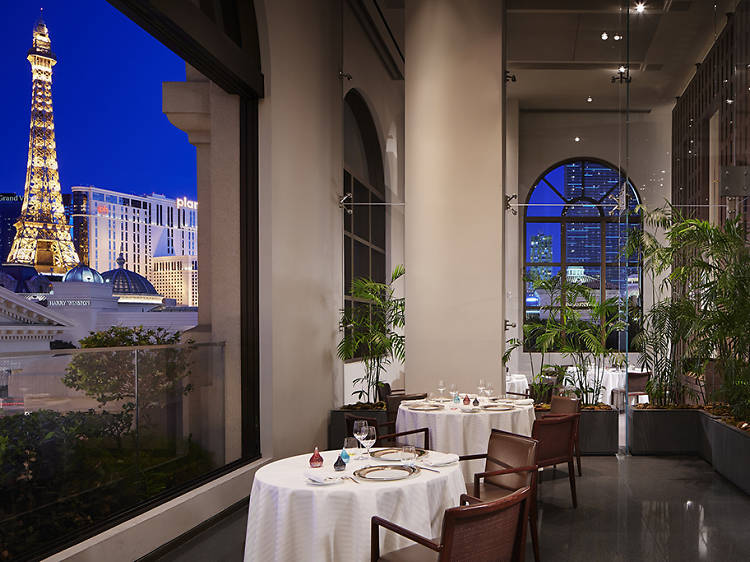
The Future of Dining in the Desert
The culinary identity of Nevada is in a constant state of flux. As dining trends shift toward sustainability, plant-based options, and immersive technology, the local restaurant owners are adapting at breakneck speed.
Sustainability is becoming a core focus for new openings. You will find an increasing number of venues sourcing ingredients from local desert farms or implementing zero-waste policies. Additionally, the integration of technology—such as touch-screen ordering and automated service—is becoming more common, though the luxury tier of the industry remains committed to the human touch of white-glove service.
Ultimately, the number of restaurants in the city is less important than the quality of the discovery. Whether you are seeking a late-night diner meal after a show at Park MGM or a world-class tasting menu at a Michelin-star-worthy location, you are participating in one of the most dynamic food cultures on the planet. The city invites you to explore not just the quantity of its kitchens, but the incredible diversity of cultures that have converged here to create something uniquely “Vegas.” From the bustling kitchens of the Mirage to the quiet, masterful work of independent chefs in the suburbs, the culinary map of this city remains one of the most exciting landscapes for any traveler to explore. Enjoy the feast, but remember: the next great meal is always just around the corner.
LifeOutOfTheBox is a participant in the Amazon Services LLC Associates Program, an affiliate advertising program designed to provide a means for sites to earn advertising fees by advertising and linking to Amazon.com. Amazon, the Amazon logo, AmazonSupply, and the AmazonSupply logo are trademarks of Amazon.com, Inc. or its affiliates. As an Amazon Associate we earn affiliate commissions from qualifying purchases.