
The sheer scale of the culinary landscape in Los Angeles is difficult to comprehend. As a sprawling metropolis characterized by its diverse neighborhoods and cultural melting pot, the city serves as a global epicenter for gastronomy. When people ask, “How many restaurants are in Los Angeles?” the answer depends heavily on whether one is looking at the city limits, the broader Los Angeles County, or the entire metropolitan area.
Current estimates suggest that there are upwards of 30,000 food-service establishments operating within Los Angeles County. This massive figure includes everything from high-end Michelin-starred institutions to the ubiquitous taco trucks that define the city’s street food identity. To understand this landscape, one must look at how the city’s geography and history have shaped its appetite.

The Geography of Dining in Southern California
Los Angeles is not a single urban center but a collection of distinct cultural enclaves, each bringing its own flair to the table. The density of restaurants often correlates with the population density and the specific cultural heritage of neighborhoods like Koreatown, Little Tokyo, and Boyle Heights.
Neighborhood Density and Culinary Hubs
In areas like West Hollywood and Beverly Hills, the restaurant count per square mile is among the highest in the country. These affluent pockets prioritize fine dining and trendy “Instagrammable” eateries. Conversely, in the San Fernando Valley, the restaurant scene is defined by longevity, family-owned diners, and specialized ethnic cuisines that cater to the diverse demographic of the suburban sprawl.
The Rise of Street Food and Casual Dining
A significant portion of the city’s restaurant count is comprised of informal dining options. In Los Angeles, a “restaurant” is often a fluid concept. The city’s vibrant taco truck culture, particularly prevalent in areas like East Los Angeles, contributes thousands of permitted food-service points that operate outside the traditional brick-and-mortar model. When you factor in these mobile vendors, the total number of places to get a meal in the Golden State hub becomes nearly impossible to track with perfect precision.
Why the Number Fluctuates
The culinary industry is notoriously volatile, and in a city as competitive as Los Angeles, the churn rate is high. While tens of thousands of licenses are active at any given time, the actual operational landscape shifts monthly.
Economic Factors and Licensing
Obtaining a permit to operate a restaurant in California requires navigating a complex web of health codes and zoning laws. Because the barriers to entry can be steep, many establishments operate as “ghost kitchens”—facilities designed solely for delivery—which have added a new, uncounted layer to the traditional restaurant tally. These facilities allow chefs to reach customers across Santa Monica or Downtown Los Angeles without needing a traditional dining room.
The Post-Pandemic Landscape
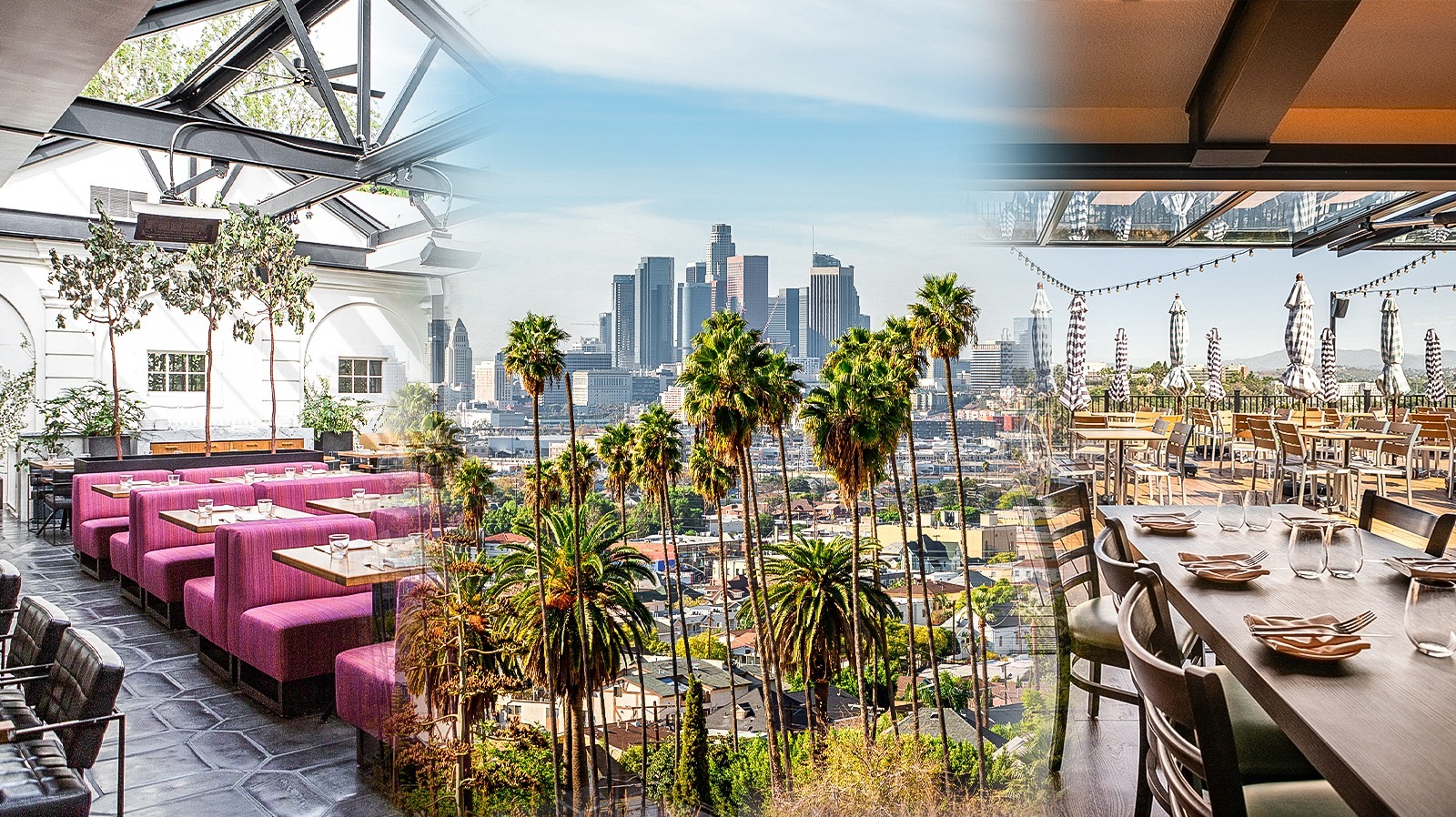
The years following 2020 saw a significant contraction in the industry, followed by a robust period of innovation. Many legacy restaurants in Hollywood closed their doors, only to be replaced by modern concepts that lean into outdoor dining and technological integration. This turnover ensures that while the total number of restaurants remains high, the composition of those restaurants is in constant flux.
Understanding the “Los Angeles” Dining Experience
Beyond the raw numbers, the true value of the dining scene in Los Angeles lies in its variety. It is one of the few places in North America where you can have an authentic meal from almost any country on earth within a twenty-mile radius.
The Influence of Global Cultures
- Mexican Cuisine: The foundation of the city’s food scene, heavily influenced by our neighbors in Mexico.
- Asian Influence: From the world-renowned sushi spots in Little Tokyo to the authentic BBQ joints in Koreatown, the impact of Asian immigration on local flavor is profound.
- Mediterranean and Middle Eastern: Neighborhoods like Glendale offer some of the most consistent and high-quality Mediterranean food found outside of the Middle East.
Tourism and the Gastronomic Journey
For the traveler visiting Southern California, the sheer volume of choices can be paralyzing. The best approach is to categorize the experience by region. Whether you are seeking a high-end experience at a hotel restaurant in Century City or a humble taco stand in Venice Beach, you are participating in a local ecosystem that supports nearly 30,000 individual visions of what food should be.
Navigating the Culinary Map of the City
If you are planning to explore the food scene of Los Angeles, it is essential to move beyond the tourist traps. While areas like the Third Street Promenade offer plenty of options, the “true” culinary heart of the city is often found in strip malls and hidden corners of the San Gabriel Valley.
Tips for Food Explorers
- Look for Authenticity: Don’t be discouraged by a restaurant’s exterior. Many of the best meals in Los Angeles are served in unassuming buildings.
- Follow the Locals: If a place is packed on a Tuesday night, it’s a good sign.
- Use Digital Guides: Use local publications that highlight the latest openings in neighborhoods like Silver Lake or Echo Park to find the current “must-try” spots.

The Future of Dining in the City
As technology continues to change how we consume food, the restaurant landscape in Los Angeles will likely continue to evolve. We are seeing a shift toward sustainable, locally sourced, and plant-based dining that reflects the values of the modern Californian. Despite the fluctuations in the number of businesses, the city’s commitment to culinary excellence remains constant.
Whether there are 25,000 or 35,000 restaurants, one thing is certain: Los Angeles will remain one of the most exciting places to eat on the planet. From the historic markets in Grand Central Market to the cutting-edge fusion kitchens in Culver City, the diversity of choice is the true hallmark of this culinary capital. Each neighborhood offers a story, and each restaurant is a chapter in the ongoing narrative of the city’s food culture.
LifeOutOfTheBox is a participant in the Amazon Services LLC Associates Program, an affiliate advertising program designed to provide a means for sites to earn advertising fees by advertising and linking to Amazon.com. Amazon, the Amazon logo, AmazonSupply, and the AmazonSupply logo are trademarks of Amazon.com, Inc. or its affiliates. As an Amazon Associate we earn affiliate commissions from qualifying purchases.