
While the question “How Many School Districts in California?” might seem straightforward, its answer is surprisingly nuanced and depends on how one defines “school district.” For travelers and those interested in the tapestry of California life, understanding this structure offers a unique perspective on the state’s diverse communities. Beyond the immediate practicalities of education, the very existence and organization of these districts reflect historical development, local governance, and the vast geographical and demographic spread of the Golden State. This exploration delves into the numbers, the types of districts, and what this administrative framework signifies for residents and visitors alike.

At its core, a school district is a legal entity responsible for the operation of public schools within a specific geographical area. In California, these districts are the primary administrative units for public education, encompassing everything from elementary schools to high schools. The exact number can fluctuate slightly due to mergers, dissolutions, or the creation of new districts, but a consistent figure hovers around the 1,000 mark. However, this number isn’t a simple count of independent entities; it’s a classification that includes various types of districts, each serving a particular educational purpose.
Understanding the Landscape of California School Districts
The California Department of Education (CDE) categorizes school districts into three main types: unified school districts, high school districts, and elementary school districts. This categorization is crucial for understanding the operational structure and the scope of responsibilities each district holds.
Unified School Districts: The Comprehensive Approach
Unified school districts represent the most extensive form of public school administration in California. These districts are responsible for educating students across all grade levels, from kindergarten through twelfth grade. This means that a single unified district will operate elementary schools, middle schools (or junior high schools), and high schools within its boundaries. This integrated approach offers several potential advantages, including a more seamless transition for students as they progress through their educational journey, standardized curricula, and potentially greater efficiency in resource allocation and administrative oversight.
Unified districts are common in larger cities and more populous suburban areas where the student population is substantial enough to support a comprehensive range of educational services under one governing board. They often manage a significant portion of the state’s student population due to their size and the density of the areas they serve. For travelers exploring cities like Los Angeles, San Diego, or San Jose, the school districts operating within these metropolitan areas are predominantly unified. This organizational structure plays a role in the community fabric, influencing local development, property values, and the overall character of neighborhoods.
High School Districts: Focusing on Secondary Education
In contrast to unified districts, high school districts are solely responsible for the education of students at the secondary level, typically grades 9 through 12. In areas served by high school districts, elementary and middle school education is handled by separate elementary school districts. This model creates a division of responsibility, where students complete their foundational and intermediate schooling in one set of institutions and then transition to a different district for their high school years.
This structure might be found in regions where historical development led to the formation of specialized districts, or in areas with a more dispersed population where creating separate elementary and high school districts was deemed more practical. While less common than unified districts, high school districts are an integral part of California’s educational system. Understanding this distinction is important for appreciating the administrative complexity that underlies the provision of education across such a diverse state.
Elementary School Districts: The Foundation of Learning
Elementary school districts, as the name suggests, focus exclusively on educating students from kindergarten through the eighth grade. This means they encompass elementary schools and middle schools. In areas with separate elementary and high school districts, students attend an elementary district for their early and middle school years and then matriculate to a designated high school district for grades 9-12.
This model emphasizes a localized approach to early education, allowing elementary districts to tailor their programs and resources to the specific needs of younger students and their immediate communities. It also highlights a more fragmented administrative structure compared to unified districts. For visitors exploring smaller towns or more rural parts of California, they might encounter a landscape where elementary and high school districts operate independently, reflecting the unique demographic and geographical characteristics of those regions.
The Nuances of District Counts and Regional Variations
The precise number of school districts in California can be a bit fluid. The California Department of Education is the authoritative source for this information, and they maintain detailed records of all active school districts. As of recent reports, the total number of public school districts in California typically falls within a range that reflects the combined count of unified, high school, and elementary school districts. This figure often hovers around the 1,000 mark, but it’s essential to remember that this is an administrative count and not a direct reflection of independent operational units in all cases, particularly when considering county offices of education which provide support and oversight.
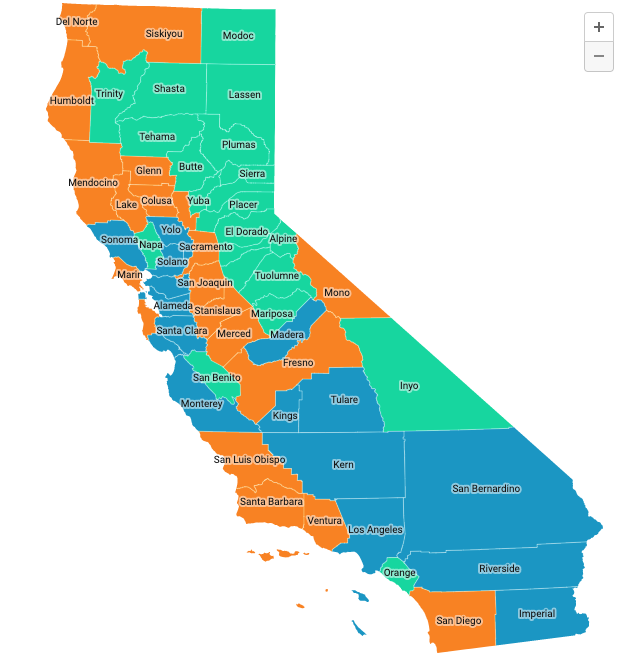
The distribution of these districts is not uniform across the state. Larger, more densely populated counties like Los Angeles County have a substantial number of districts, many of which are unified districts serving vast urban and suburban populations. In contrast, more rural counties might have fewer districts, and these might be a mix of elementary and high school districts, or fewer, larger unified districts. This regional variation is a product of historical settlement patterns, population density, and local governance decisions made over time.
Furthermore, there are also special districts that offer specialized educational services, such as county offices of education, which provide administrative support, special education services, and oversight to school districts within their respective counties. While not directly operating K-12 schools in the same way as the primary districts, they are a vital component of the educational infrastructure.

The Significance for Life in California
For those living in California, the existence and structure of school districts have a direct impact on daily life. For families, selecting a home often involves considering the quality and characteristics of the local school district. Property values can be influenced by school district performance, and community engagement often revolves around local schools. The types of schools available, the curriculum offered, and the extracurricular activities are all determined at the district level.
For visitors and tourists, while the immediate focus might be on iconic landmarks like the Golden Gate Bridge, the Hollywood Sign, or the natural beauty of Yosemite National Park, understanding the underlying administrative structures, such as school districts, offers a deeper appreciation of the state’s societal organization. It highlights how communities are structured, how services are delivered, and how local governance shapes the educational landscape for millions of children.
When you travel through California, whether you’re staying in a luxury resort in Napa Valley, exploring the vibrant streets of San Francisco, or enjoying a family vacation in Anaheim, the schools within those areas are operated by one or more of these districts. The decisions made by school boards, the funding allocated, and the educational philosophies adopted all contribute to the unique character of each community.
The sheer scale of California’s population means that its public education system is one of the largest in the nation. The intricate network of over 1,000 school districts, each with its own responsibilities and governance, is a testament to the state’s commitment to providing education to its diverse student body. While the number itself might seem like a simple statistic, it represents a complex and vital system that underpins the future of California and shapes the experiences of its residents. Whether you’re planning a road trip along the Pacific Coast Highway, seeking accommodation in a charming coastal town, or immersing yourself in the local culture of a bustling city, the unseen framework of school districts plays a quiet yet significant role in the tapestry of life in the Golden State.