
The Crescent City. The Big Easy. A city steeped in history, vibrant culture, and an undeniable spirit that captivates all who visit. But beyond the allure of Mardi Gras parades, the soulful melodies of jazz, and the tantalizing aromas wafting from its kitchens, is New Orleans a place where one can truly build a life? The question, “Is New Orleans a good place to live?” is one that resonates with many, whether they are considering a permanent relocation or simply a long-term stay. This article delves into the multifaceted nature of living in New Orleans, exploring its unique lifestyle, the practicalities of accommodation, the richness of its cultural tapestry, and the economic landscape, offering insights for those contemplating a deeper connection with this extraordinary city.
The Unique Lifestyle of New Orleans
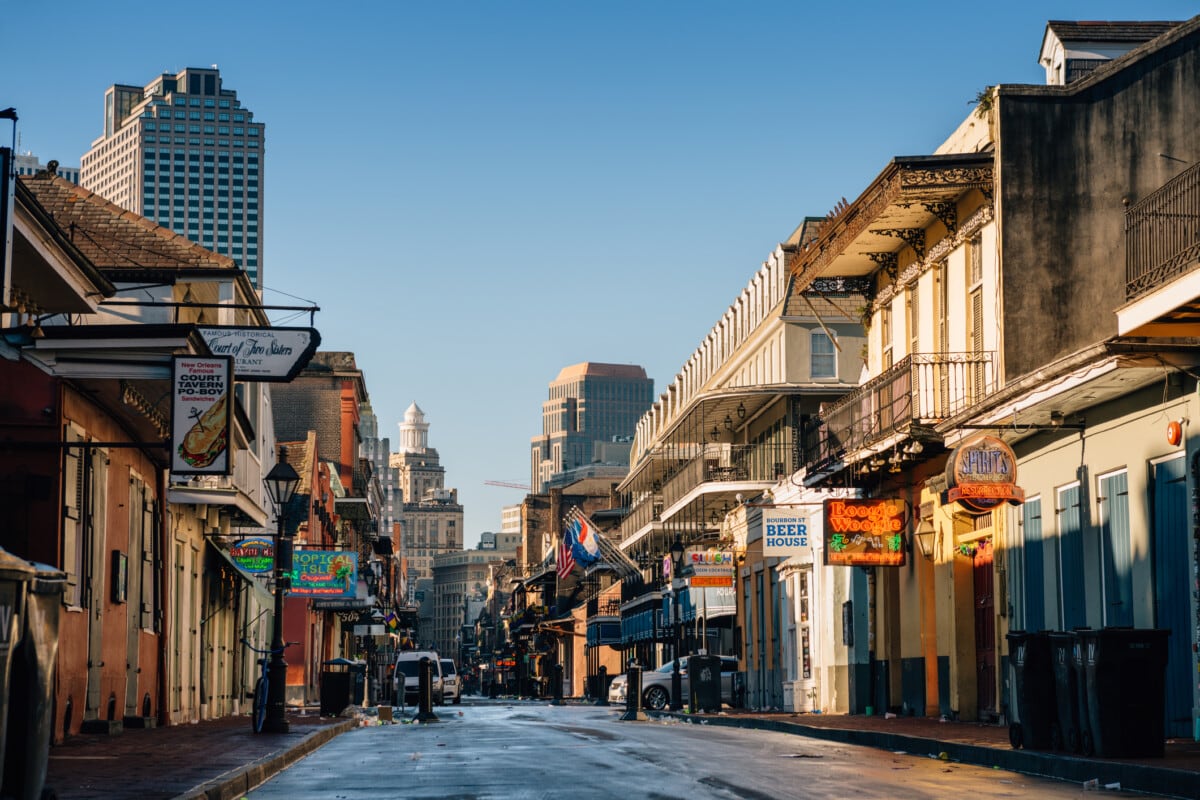
Living in New Orleans is an experience unlike any other in the United States. It’s a city that operates on its own rhythm, a captivating blend of the ancient and the modern, the sophisticated and the delightfully unpretentious. The sheer vibrancy of its cultural offerings forms the bedrock of its lifestyle, influencing everything from daily routines to grand celebrations.
A Cultural Cauldron of Music, Food, and Festivity
At the heart of the New Orleans lifestyle is an unwavering dedication to music and food. Music isn’t just an art form here; it’s a living, breathing entity that permeates the very air. From the impromptu jazz sessions spilling out of bars on Frenchmen Street to the more formal performances at the New Orleans Museum of Art’s Great Hall, there’s always a soundtrack to life. The city’s musical heritage, deeply rooted in blues, jazz, gospel, and R&B, is a constant source of pride and a significant draw for residents and visitors alike. Walking through neighborhoods like the French Quarter or the Marigny, you’re likely to encounter street musicians whose talent rivals that of any concert hall.
The culinary scene is equally legendary. New Orleans cuisine is a complex and delicious fusion of French, Spanish, African, Italian, and Caribbean influences, resulting in dishes that are both comforting and adventurous. Gumbo, jambalaya, crawfish étouffée, beignets, and po’boys are more than just food; they are edible embodiments of the city’s history and cultural confluence. Dining out is a way of life, with an abundance of restaurants ranging from humble, family-run diners to world-class establishments. Even casual meals are an event, often accompanied by lively conversation and a sense of community.
Beyond the everyday, New Orleans is renowned for its festivals and celebrations. While Mardi Gras is the most famous, the city hosts a multitude of events throughout the year, including the New Orleans Jazz & Heritage Festival, the French Quarter Festival, and countless neighborhood-specific celebrations. These gatherings are not mere tourist attractions; they are deeply ingrained in the social fabric, providing opportunities for residents to connect, celebrate, and reaffirm their shared identity. This constant sense of occasion contributes to a lifestyle that is often described as more relaxed and joyful, prioritizing experiences and human connection over relentless ambition.
The Pace of Life and Community Spirit
The pace of life in New Orleans is often slower, more deliberate, and more focused on savoring the present moment. While the city has a professional workforce and bustling business districts, there’s a palpable resistance to the frenetic energy found in many other major metropolises. This is not to say it lacks ambition, but rather that ambition is often pursued with a greater emphasis on work-life balance and personal well-being.
Community spirit is exceptionally strong in New Orleans. Neighborhoods are often tight-knit, with residents looking out for one another and participating actively in local events and associations. This sense of belonging is fostered by the city’s history, where close-knit communities were essential for survival and cultural preservation. Whether it’s sharing a meal with neighbors during a second line parade or supporting local businesses, the people of New Orleans have a profound connection to their city and to each other. This can be particularly appealing for individuals or families seeking a sense of rootedness and genuine human interaction.
However, it’s important to acknowledge that New Orleans is a city that requires an open mind and a willingness to embrace its unique character. It can be unconventional, sometimes chaotic, and always full of surprises. For those who appreciate authenticity, a rich cultural heritage, and a vibrant social scene, the New Orleans lifestyle can be incredibly fulfilling.
Navigating Accommodation and Daily Living
When considering a move to New Orleans, understanding the accommodation options and the practicalities of daily living is crucial. The city offers a diverse range of housing, catering to various budgets and preferences, and while certain aspects of daily life might require adjustment, the overall experience can be rewarding.
Housing Options: From Historic Homes to Modern Apartments
Accommodation in New Orleans reflects its rich architectural heritage and evolving urban landscape. For those seeking character and a connection to the city’s past, historic neighborhoods like the Garden District offer stunning mansions and charming Creole cottages. These areas are characterized by their tree-lined streets, intricate ironwork, and a tangible sense of history. Owning or renting in these locales often comes with a higher price tag but provides an unparalleled living experience.
More affordable options can be found in neighborhoods such as the Uptown, Mid-City, and parts of the Bywater. These areas are experiencing revitalization and offer a mix of renovated single-family homes, duplexes, and smaller apartment buildings. They often provide a more local feel, with independent shops, restaurants, and community spaces.
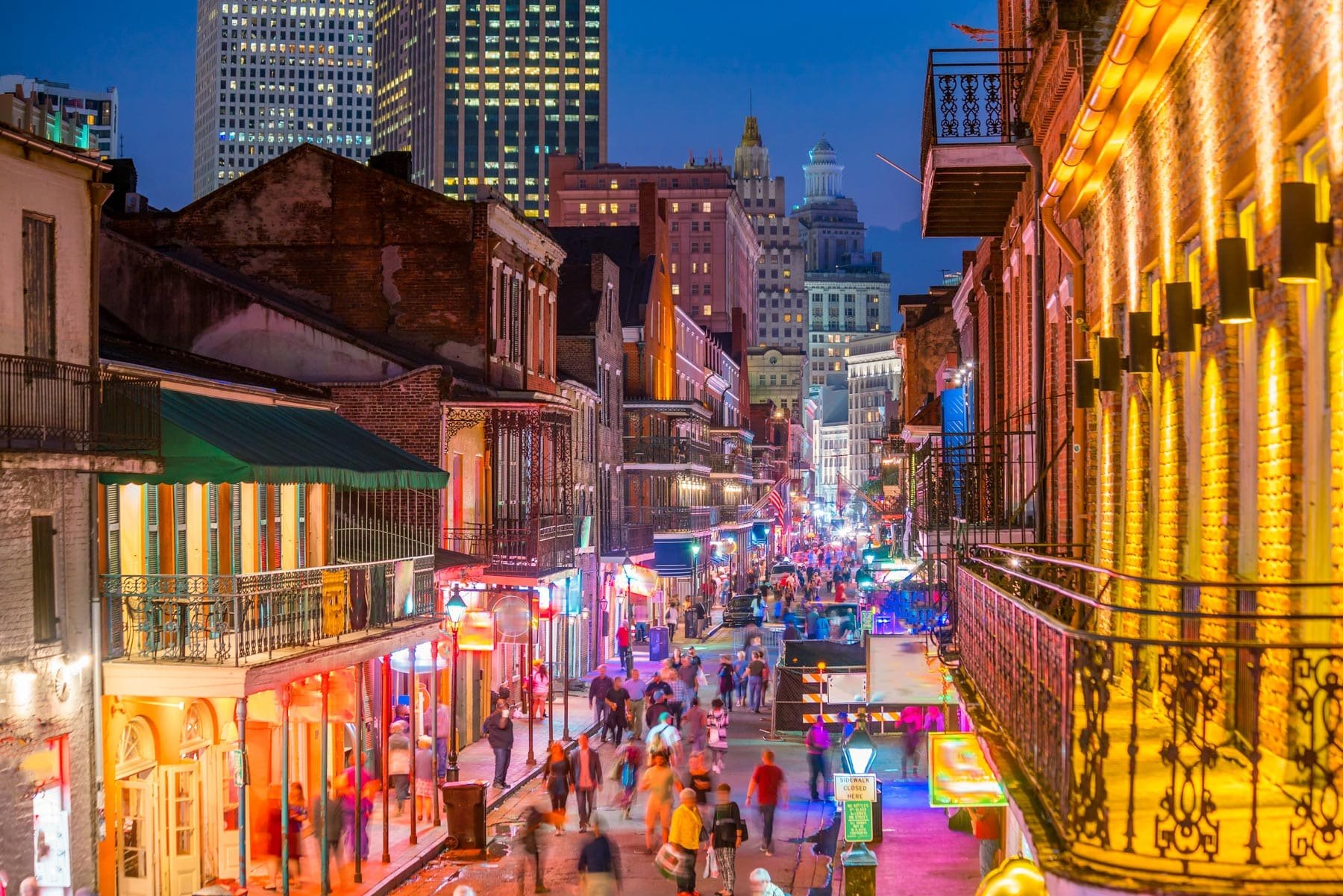
For those who prefer modern amenities and convenience, downtown New Orleans and the surrounding areas offer contemporary apartment complexes and condominiums. These can be ideal for professionals working in the central business district or those seeking a more urban living experience with easy access to public transportation and city attractions. Long-term stay apartments are also becoming increasingly available, offering flexibility for those who are not yet ready for a permanent commitment but wish to immerse themselves in the city for an extended period.
When considering accommodation, it’s advisable to research specific neighborhoods thoroughly. Factors such as proximity to desired amenities, public transportation routes, and the general atmosphere of the area should be taken into account. Websites and agencies specializing in New Orleans rentals and sales can provide valuable insights and listings.
Practical Considerations: Cost of Living and Infrastructure
The cost of living in New Orleans is generally comparable to, or slightly lower than, many other major American cities, particularly when it comes to housing outside of the most desirable historic districts. Groceries and transportation can be relatively affordable, though utility costs, especially during the hot and humid summer months, can be significant.
Transportation within the city is a key consideration. New Orleans boasts a comprehensive public transportation system, including streetcars and buses, which can be a viable option for getting around, especially in the more central neighborhoods. For those who prefer to drive, traffic can be a challenge, particularly during peak hours and festival seasons. Parking can also be difficult and expensive in popular areas like the French Quarter.
The city’s infrastructure, particularly in older neighborhoods, can sometimes present challenges. While continuous improvements are being made, residents may encounter older plumbing systems or roads that require maintenance. However, these are often part of the city’s charm and historical character. The resilience of the city and its infrastructure has been tested, particularly by natural disasters like Hurricane Katrina, but there has been significant rebuilding and ongoing efforts to improve preparedness and resilience.
Exploring the Cultural and Economic Landscape
A deep understanding of New Orleans‘ cultural richness and its economic dynamics is essential for anyone contemplating a move. These two intertwined aspects define the city’s character and offer both opportunities and challenges for residents.
A Rich Tapestry of Arts, History, and Heritage
The cultural landscape of New Orleans is its most defining feature and a primary reason why many are drawn to live there. Its history as a colonial port city, a melting pot of diverse populations, and a cradle of influential art forms has created a unique and enduring cultural identity.
Landmarks such as the St. Louis Cathedral in Jackson Square, the French Quarter itself, and the historic cemeteries with their above-ground tombs are not just tourist sites; they are living testaments to the city’s past. Exploring these places offers a tangible connection to the generations who have shaped New Orleans. The city’s architecture is a story in itself, from the Creole townhouses with their wrought-iron balconies to the grand antebellum mansions and the shotgun houses that are so characteristic of its neighborhoods.
The arts scene extends far beyond music and food. New Orleans is home to numerous art galleries, theaters, and museums, including the New Orleans Museum of Art and the Ogden Museum of Southern Art. The city also has a strong tradition of visual arts, with a vibrant community of artists and craftspeople whose work can be found in galleries and markets across the city.
The unique heritage of New Orleans also includes its distinctive traditions and customs. Second line parades, Mardi Gras Indian traditions, and the annual Voodoo festivals are all integral parts of the cultural fabric, offering residents opportunities to engage in vibrant, community-driven celebrations.

Economic Opportunities and Challenges
The economy of New Orleans is diverse and evolving. Historically, the port has been a major economic driver, and the city remains a significant hub for shipping and logistics. Tourism is another cornerstone of the economy, supporting a vast array of businesses, from hotels and restaurants to tour operators and entertainment venues.
In recent years, there has been a concerted effort to diversify the economy and attract new industries. The city has seen growth in sectors such as healthcare, technology, and creative industries. There are also opportunities in education, with several prominent universities and colleges contributing to the city’s intellectual and economic vitality.
However, New Orleans also faces economic challenges. Like many cities, it grapples with issues of income inequality and job creation for all its residents. The aftermath of natural disasters has also had a significant impact on the economy, requiring ongoing efforts to rebuild and strengthen infrastructure and industries. For individuals considering relocating for work, researching specific industries and job markets within the city is advisable. The availability of long-term stay accommodations can also be advantageous for those exploring employment opportunities before making a permanent move.
In conclusion, New Orleans offers a compelling and unique proposition for those seeking a place to live. Its unparalleled cultural vibrancy, its rich history, and its distinctive lifestyle are undeniable draws. While practical considerations such as the cost of living, infrastructure, and economic opportunities require careful assessment, the city’s enduring spirit and the strong sense of community it fosters can lead to a deeply rewarding and fulfilling life. For those who embrace its quirks and celebrate its richness, New Orleans is indeed a remarkable place to call home.
LifeOutOfTheBox is a participant in the Amazon Services LLC Associates Program, an affiliate advertising program designed to provide a means for sites to earn advertising fees by advertising and linking to Amazon.com. Amazon, the Amazon logo, AmazonSupply, and the AmazonSupply logo are trademarks of Amazon.com, Inc. or its affiliates. As an Amazon Associate we earn affiliate commissions from qualifying purchases.