
Florida, often celebrated for its sun-drenched beaches, vibrant cities, and world-class attractions, is also a state with a remarkably extensive and diverse educational landscape. For families considering relocation, digital nomads seeking a long-term base, or anyone evaluating the lifestyle offerings of the Sunshine State, understanding the sheer scale and variety of its educational institutions is paramount. The question “How many schools are in Florida?” isn’t just about a number; it speaks to the foundational infrastructure supporting millions of residents and influencing daily life, community engagement, and future prospects across the state.
While precise, real-time figures fluctuate with population shifts and educational policy changes, Florida boasts thousands of K-12 schools, complemented by a robust system of higher education institutions and specialized learning centers. This vast network is designed to cater to a diverse population, offering numerous choices that can significantly impact a family’s lifestyle decisions, from where they choose to live to how their children are educated.
The Diverse Educational Landscape of the Sunshine State
Florida’s educational system is a complex tapestry woven from various types of institutions, each playing a crucial role in shaping the state’s social and economic fabric. This diversity ensures that individuals and families have a broad spectrum of choices, reflecting different educational philosophies, community needs, and specialized learning pathways.
Public School Dominance
At the heart of Florida’s educational system are its public schools, organized into 67 county-wide school districts. These districts oversee thousands of elementary, middle, and high schools that serve the vast majority of the state’s student population. From the bustling urban centers like Miami-Dade County and Orange County (home to Orlando) to the more rural counties, public schools are the cornerstone of community life. They are funded primarily through state and local taxes and are mandated to provide free education to all eligible residents. The sheer number of these institutions means that almost every neighborhood, whether in a major metropolitan area or a quaint small town, has access to a public school, making them a primary consideration for families evaluating a move to Florida. The quality and offerings can vary significantly between districts and even individual schools, underscoring the importance of thorough research for lifestyle planning.
The Rise of Charter Schools
In recent decades, Florida has seen a significant expansion in the number of charter schools. These are public schools that operate independently under a charter granted by a local school district or the state. Charter schools offer an alternative to traditional public schools, often featuring specialized curricula, innovative teaching methods, or a focus on particular subjects like STEM, arts, or dual language immersion. While they receive public funding, they are typically managed by non-profit or for-profit organizations and are often more flexible in their operations. For families seeking specific educational environments that align with their lifestyle values or a child’s unique learning needs, charter schools present a compelling option. Their growing presence adds considerably to the total count of schools and diversifies the choices available within the public education sector.
Extensive Private Education Options
Beyond the public system, Florida is home to a robust network of private schools. These institutions are tuition-based and can be religiously affiliated, independent, or specialized (e.g., college preparatory, special needs, Montessori). Many private schools offer smaller class sizes, particular academic programs, or faith-based instruction, appealing to families whose lifestyle preferences or educational philosophies diverge from those typically found in the public sector. The density of private schools can be particularly high in affluent areas and major urban centers, providing a wealth of options for those with the means and desire for an alternative educational path. Understanding the spread and focus of these private institutions is crucial for families assessing the comprehensive educational landscape when making long-term living decisions in the state.
Navigating School Choices for Family Lifestyles
The vast number and variety of schools in Florida directly influence lifestyle decisions, particularly for families. From the initial search for a new home to planning a child’s entire academic journey, the availability and quality of educational institutions are often a top priority.
Relocation and Family Planning
For families considering a move to Florida, the local school system is frequently a primary factor in choosing a neighborhood or city. The quantity of schools ensures widespread access, but the quality and specific offerings dictate desirability. Many families prioritize areas known for their highly-rated public schools, influencing real estate values and community demographics. Similarly, those seeking specific educational models, such as International Baccalaureate programs or schools with strong performing arts departments, will search for districts that host such options. This deep dive into the educational infrastructure is integral to ensuring a seamless transition and a fulfilling lifestyle in a new Florida community.
Digital Nomads and Educational Flexibility
The rise of digital nomadism means more families are seeking locations that support a flexible lifestyle while providing stable educational opportunities for their children. Florida’s extensive school system, coupled with its generally robust online learning options (especially post-pandemic), offers significant advantages. Parents can choose from traditional schools, charter schools with innovative schedules, or even the state’s well-developed virtual school programs, which allow for greater mobility without compromising education. This flexibility is a key lifestyle enhancer for families who value travel and remote work, enabling them to establish a comfortable and productive home base in the Sunshine State for extended periods.
Specialization and Programs
The sheer number of schools across Florida also means a wider array of specialized programs and educational philosophies. Whether a family is looking for strong STEM programs, vocational training pathways, gifted education, or comprehensive support for students with special needs, the likelihood of finding suitable options is high. This level of specialization allows families to tailor their children’s education to their unique talents, interests, and future aspirations, thereby enriching their overall family lifestyle and promoting individual growth. Cities like Tampa, Jacksonville, and Orlando often host a particularly broad spectrum of these specialized institutions due to their larger populations and diverse economies.
Geographic Distribution and Urban vs. Rural Access

The distribution of Florida’s schools is, as expected, heavily influenced by population density. Understanding this geographic spread is vital for anyone planning to integrate into a Florida lifestyle, as it impacts everything from commute times to community resources.
Major Metropolitan Areas
In dense urban centers such as Miami, Fort Lauderdale, Orlando, Tampa, and Jacksonville, the concentration of schools is naturally much higher. These areas offer the greatest diversity of choices, including numerous public, charter, and private institutions within a relatively small radius. For families who thrive in bustling environments and desire a multitude of options, these metropolitan areas provide unparalleled access to educational resources. However, the high density also means larger student populations and potentially more competition for specialized programs or spots in highly-rated schools.
Smaller Towns and Rural Communities
Moving away from the major cities, Florida’s smaller towns and rural communities also host a network of schools, though often with fewer choices within each category. Public schools typically serve as the primary educational hub in these areas, often fostering a strong sense of community and providing a more intimate learning environment. While the sheer number of options may be lower, these schools are often deeply integrated into the local lifestyle, serving as central points for social gatherings, sports events, and civic activities. For families seeking a quieter, more close-knit community lifestyle, these settings offer a distinct appeal, albeit with potentially fewer specialized educational programs immediately available.
Impact on Commute and Daily Life
The location and number of schools directly impact the daily lifestyle of Florida residents. In urban areas, proximity to a desired school can significantly reduce commute times, freeing up hours for other family activities or work. In contrast, rural families might face longer bus rides or necessitate private transportation, which can influence decisions about work schedules and extracurricular involvement. The widespread availability of schools generally means that most Florida residents have access to at least one school within a reasonable distance, but the choice and quality often dictate residential preferences and daily routines, profoundly shaping the family lifestyle experience.
Beyond K-12: Higher Education and Lifelong Learning
The concept of “schools” in Florida extends far beyond the K-12 system, encompassing a robust array of higher education institutions that further enhance the state’s appeal for long-term living and lifestyle enrichment.
Universities and Colleges
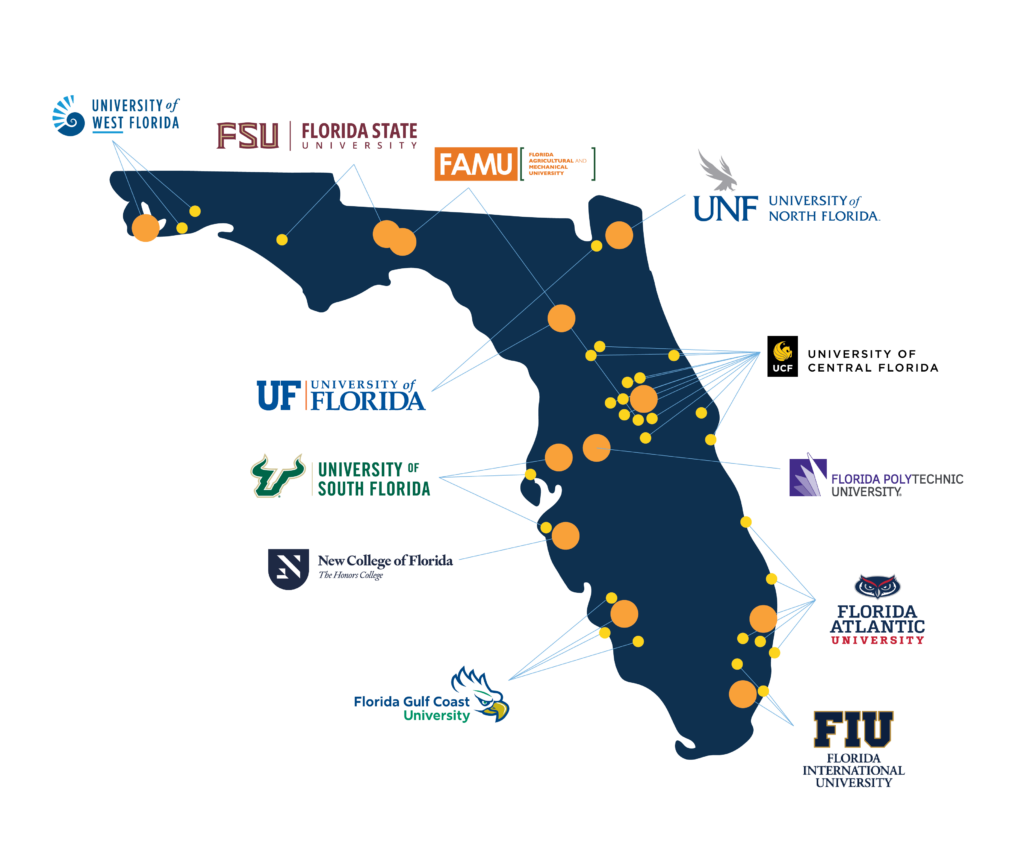
Florida is home to a distinguished collection of public and private universities and colleges, including prestigious institutions like the University of Florida, Florida State University, and the University of Miami. These institutions attract students from across the globe and contribute significantly to the intellectual and cultural landscape of their host cities. For families, the presence of these universities can mean access to advanced academic resources, cultural events, research opportunities, and a vibrant youth demographic that enriches the local lifestyle. They also provide pathways for their children’s post-secondary education, making a long-term stay in Florida a complete educational journey.
Vocational and Technical Schools
Supplementing academic universities are numerous vocational and technical schools scattered throughout the state. These institutions provide specialized training in high-demand fields such as healthcare, automotive technology, culinary arts, and information technology. For individuals seeking practical skills and direct entry into the workforce, these schools offer valuable pathways. Their presence supports a diverse workforce and offers continuous learning opportunities for adults, catering to a lifestyle that values practical skills and career advancement.
Adult Education and Community Programs
Florida’s commitment to education also extends to adult learners and community enrichment. Many public school districts and community colleges offer adult education programs, including GED preparation, English as a Second Language (ESOL) courses, and various continuing education classes. These programs foster lifelong learning and community engagement, allowing residents to acquire new skills, pursue hobbies, or complete their foundational education. For those embracing a lifestyle of continuous personal development, these numerous accessible programs are an invaluable resource, proving that education in Florida is truly a cradle-to-career endeavor.
Making Informed Lifestyle Decisions
The question of “How many schools are in Florida?” ultimately reveals a state rich in educational resources. This abundance and diversity are not just statistics; they are critical components that shape lifestyle choices for families, individuals, and professionals alike.
Researching School Districts
For families, researching specific school districts and individual schools is paramount. Resources from the Florida Department of Education provide detailed information on school performance, demographics, and special programs. Engaging with local parent groups, visiting schools, and understanding extracurricular offerings can help align educational choices with a desired family lifestyle. Factors such as school ratings, student-teacher ratios, and curriculum emphasis are crucial considerations.
Considering Long-Term Goals
When evaluating the educational landscape of Florida, it’s important to consider long-term lifestyle goals. Are you planning for a short-term family trip that involves educational enrichment, or are you looking for a permanent home where your children can grow from kindergarten through college? The comprehensive range of schools, from early childhood centers to world-class universities, means Florida can support a wide array of educational journeys. This robust infrastructure allows residents to plan for continuity in education, fostering stability and growth within their chosen Florida lifestyle. The impressive number of schools ensures that educational opportunities are not just plentiful but deeply integrated into the fabric of life across the Sunshine State.
LifeOutOfTheBox is a participant in the Amazon Services LLC Associates Program, an affiliate advertising program designed to provide a means for sites to earn advertising fees by advertising and linking to Amazon.com. Amazon, the Amazon logo, AmazonSupply, and the AmazonSupply logo are trademarks of Amazon.com, Inc. or its affiliates. As an Amazon Associate we earn affiliate commissions from qualifying purchases.