
When visitors plan their trips to New York City, their itineraries are often packed with visits to iconic sites like the Empire State Building, the sprawling greenery of Central Park, and the vibrant lights of Times Square. However, beyond the commercial tourism sector lies the sprawling, complex, and culturally significant educational infrastructure that defines the character of the five boroughs. Understanding the landscape of schools in New York provides a unique window into the city’s local culture, demographics, and long-term vitality.
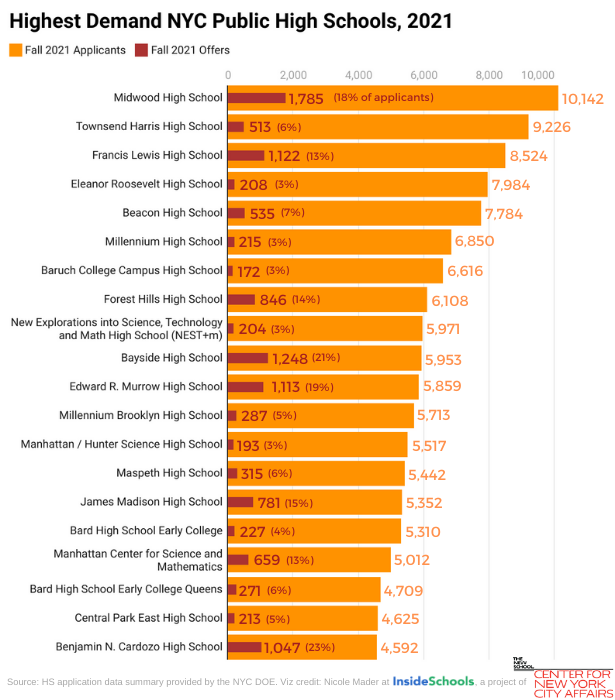
While the exact number of schools fluctuates annually due to new charter openings, school closures, and consolidations, there are over 1,800 public schools serving more than one million students within the New York City Department of Education system. This massive network makes it the largest school district in the United States.
The Scale of the Public School System
To comprehend the sheer size of the educational landscape in New York City, one must look at the diversity of its programming. The public school system is not a monolith; it is a collection of hundreds of specialized institutions that reflect the global nature of the city itself.
Community Districts and Zoning
The city is divided into 32 community school districts, each managing primary and middle school education within specific neighborhood boundaries. These districts are vital to the local culture of areas like Brooklyn, Queens, and The Bronx. When you explore these neighborhoods, you are seeing the heart of the community, where schools often act as the central gathering point for local families. The interaction between these schools and the surrounding commercial hubs, local eateries, and residential pockets is what gives each district its distinct personality.
Specialized High Schools
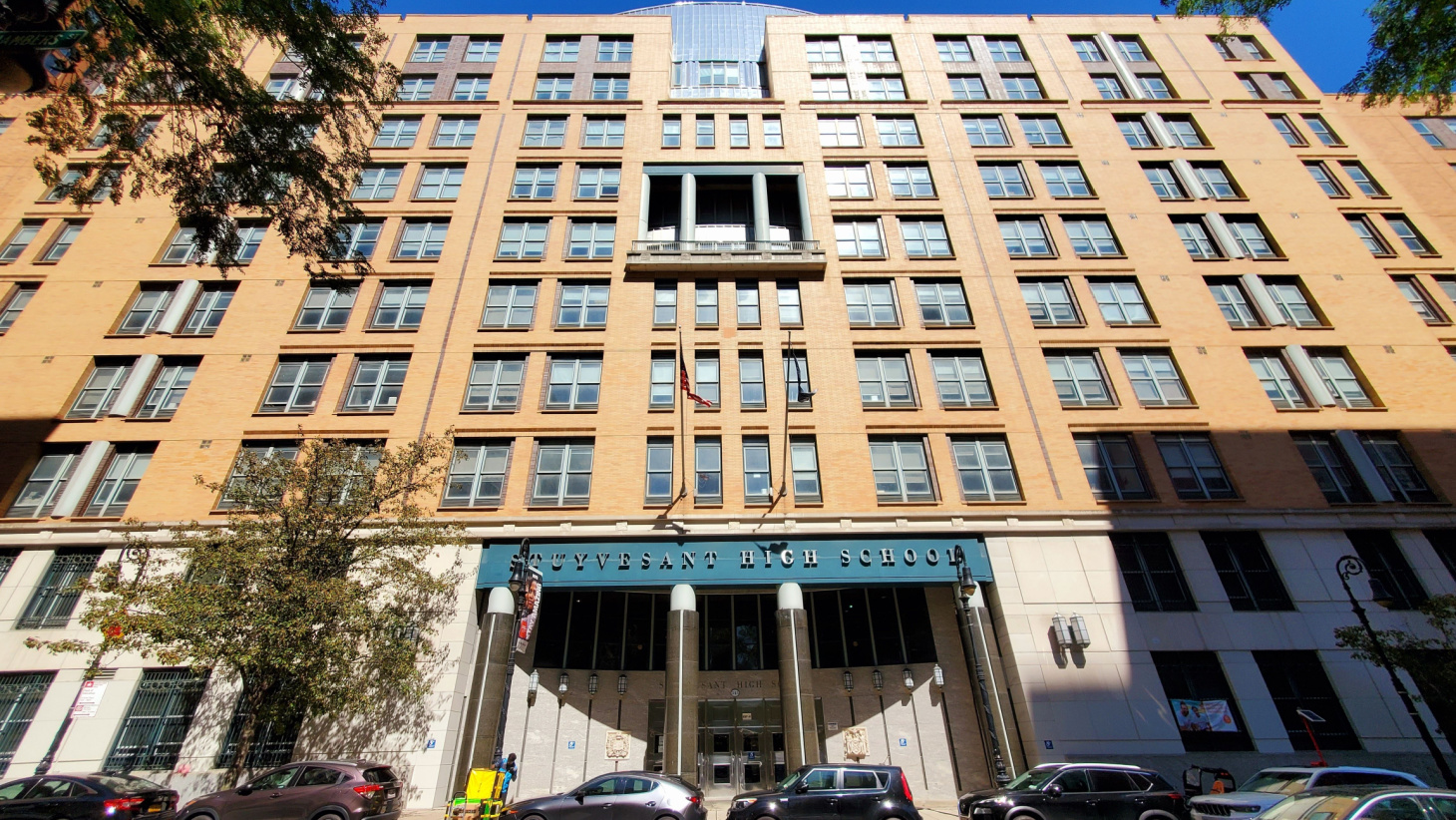
New York is famous for its specialized high schools, which draw students from all five boroughs. Institutions like Stuyvesant High School and Bronx High School of Science are landmarks in their own right, representing the academic rigor and historical emphasis on excellence that the city prioritizes. These schools are not just places of learning; they are part of the cultural tapestry that makes New York City a competitive, intellectual, and aspirational global capital.
Private and Independent Institutions
While public schools command the largest footprint, the private and independent school sector in New York City is equally significant, particularly in terms of history and architectural beauty. Many of these institutions are located in prestigious neighborhoods like the Upper East Side and Upper West Side.
Historic Architecture and Heritage
Many private schools in Manhattan occupy historic brownstones or landmarked buildings that add to the visual charm of the city’s residential streets. For the culturally curious traveler, walking through neighborhoods like Greenwich Village or Brooklyn Heights often means walking past prestigious academies that have stood for over a century. These buildings reflect the architectural shifts of the 19th and early 20th centuries, serving as a reminder of the city’s enduring commitment to tradition and education.

Diversity of Thought and Culture
The independent school scene in New York ranges from religious-affiliated academies to progressive experimental schools. This diversity mirrors the broader cultural landscape of the city. Whether it is a parochial school in Staten Island or an independent school in Tribeca, these institutions contribute to the varied daily rhythms of the city. You will often see the local culture in action during the morning school run, where parents, students, and educators mingle in local coffee shops and transit hubs, reinforcing the link between daily life and academic institutions.
The Role of Higher Education
Beyond K-12 education, New York is home to some of the world’s most prestigious universities. These institutions are major landmarks and essential drivers of the city’s intellectual and economic tourism.
The Ivy League and Global Research
Columbia University, located in Morningside Heights, serves as a massive cultural and historical landmark. Its campus architecture is a major point of interest for visitors, offering a serene, collegiate atmosphere that contrasts with the fast-paced energy of Midtown Manhattan. Similarly, New York University integrates its facilities directly into Washington Square Park, essentially merging academic life with public recreational space. This integration defines the “local” experience, where students and tourists share the same park benches and pathways.
Community Colleges and Technical Institutes
The City University of New York (CUNY) is another pillar of the city, with campuses spread across all five boroughs. These schools are deeply intertwined with the working-class roots and immigrant success stories of the city. When visiting local neighborhoods, you are likely to find a CUNY campus nearby, serving as a hub for local events, public lectures, and community initiatives. These spaces are often open to the public, offering a genuine glimpse into the local lifestyle rather than the curated facade found in typical tourist districts.
Education as a Cultural Landmark
For those interested in the social fabric of New York, viewing schools as landmarks provides a different perspective on travel. It invites visitors to step outside the Times Square bubble and observe the infrastructure that supports over eight million residents.
The Educational Map of the Boroughs
- The Bronx: Known for a high concentration of specialized schools and massive public campuses.
- Brooklyn: Features a mix of historic private academies and highly active community schools.
- Manhattan: Home to world-renowned research universities and exclusive private institutions.
- Queens: Reflects the immense global diversity of the city through its large, culturally varied public school system.
- Staten Island: Offers a more suburban school experience, often characterized by strong community ties and local parochial institutions.
Tourism Tips for the Culturally Curious
If you want to experience the “real” New York City, consider walking through residential areas during the school week. You will observe the localized food culture near schools—the pizza joints, bagel shops, and food trucks that thrive on student traffic. These small, daily interactions are the true heartbeat of the city. Instead of just visiting the Statue of Liberty or the 9/11 Memorial, take a walk through a residential neighborhood in Park Slope or Upper West Side to see how the school system shapes the environment of the city’s residents.
The count of schools in New York may be just a number, but the reality is an interconnected web of buildings, people, and histories that drive the city forward. Whether you are walking past the gates of an Ivy League giant or a humble elementary school in a quiet borough, you are witnessing the engine that keeps New York City the vibrant, intellectual, and cultural capital of the world.
LifeOutOfTheBox is a participant in the Amazon Services LLC Associates Program, an affiliate advertising program designed to provide a means for sites to earn advertising fees by advertising and linking to Amazon.com. Amazon, the Amazon logo, AmazonSupply, and the AmazonSupply logo are trademarks of Amazon.com, Inc. or its affiliates. As an Amazon Associate we earn affiliate commissions from qualifying purchases.