
The allure of sun-drenched beaches, dramatic volcanic landscapes, and the vibrant spirit of island life has captivated audiences for decades, largely thanks to the iconic television series, Hawaii Five-O. More than just a crime drama, the show transcended its genre to become a cultural touchstone, profoundly shaping perceptions of the Hawaiian lifestyle and cementing Hawaii as an aspirational destination for millions worldwide. For those curious about the enduring legacy of this tropical procedural, the question of its longevity—specifically, how many seasons it graced our screens—is a common one.
Hawaii Five-O actually refers to two distinct but spiritually linked television series. The original, classic iteration of Hawaii Five-O ran for an impressive 12 seasons, from 1968 to 1980. Its highly successful modern reboot, which premiered in 2010, also enjoyed a substantial run, concluding after 10 seasons in 2020. Together, these two series collectively offered 22 seasons of high-stakes action against the breathtaking backdrop of Hawaii, each contributing significantly to the islands’ image as a place of adventure, community, and an unparalleled way of life. Delving into the details of these runs reveals how the show not only entertained but also continually redefined the “island lifestyle” for generations.

The Enduring Legacy of an Island Icon: The Original Series
The original Hawaii Five-O was more than just a television show; it was a phenomenon that launched a thousand dreams of moving to Hawaii. For 12 groundbreaking seasons, it established a benchmark for police procedurals and, perhaps more significantly, etched the image of the idyllic, yet thrilling, Hawaiian lifestyle into global consciousness.
A Groundbreaking Start and its Cultural Imprint
Premiering on CBS in September 1968, the original Hawaii Five-O immediately stood out. Starring Jack Lord as the steely-eyed Detective Lieutenant Steve McGarrett, head of a fictional state police task force, alongside James MacArthur as his loyal second-in-command, Detective Danny “Danno” Williams, the show quickly captivated audiences. Its compelling storylines, innovative use of on-location filming across Oahu, and iconic theme music became synonymous with quality television.
Over its 12 seasons and 278 episodes, the series consistently presented a vision of Hawaii that was both exotic and relatable. It introduced viewers to a world where justice was served with a backdrop of swaying palms and crashing waves, making the fight against crime almost secondary to the breathtaking scenery. This was a crucial element in establishing the “island lifestyle” as something aspirational—a blend of thrilling professional life and unparalleled natural beauty. The show demonstrated that one could lead a life of purpose and excitement without sacrificing the tranquility and unique culture of the islands. For many, it was their first glimpse into Hawaiian culture, albeit through the lens of a crime drama, sparking an interest in everything from surfing to hula.
Shaping Perceptions of Paradise
The lasting impact of the original Hawaii Five-O on how people perceived Hawaii cannot be overstated. Before the show, Hawaii was primarily known for Pearl Harbor and its status as the 50th state. Post-Five-O, it became a global symbol of paradise, adventure, and a laid-back yet vibrant way of life. The show was an inadvertent, yet incredibly effective, tourism guide. It showcased landmarks like Diamond Head, the bustling streets of Honolulu, and the picturesque beaches of Waikiki, presenting them not just as backdrops but as integral parts of the characters’ daily lives and the island’s unique “lifestyle.”
Audiences worldwide were drawn to the lifestyle depicted: outdoor living, close-knit communities, and a sense of freedom that seemed miles away from urban jungles. The idea of living in a place where your office window might overlook the Pacific Ocean, or where a morning jog could take you along a pristine beach, profoundly influenced vacation dreams and even relocation fantasies. The show’s portrayal of Hawaiian hospitality, the “Aloha Spirit,” and the strong sense of local culture, despite the ever-present criminal element, helped to cement Hawaii’s image as a destination that offered more than just beautiful scenery—it offered a distinct and desirable way of life.
A Modern Take on Island Justice: The Reboot Era
Decades after the original series concluded, the enduring appeal of Hawaii and its unique blend of culture and action paved the way for a highly anticipated revival. The 2010 reboot of Hawaii Five-O successfully re-imagined the classic for a new generation, once again demonstrating the timeless allure of the island lifestyle.
Reviving a Classic for a New Generation
The 2010 iteration, also airing on CBS, brought back the beloved characters, albeit with a contemporary twist. Alex O’Loughlin took on the mantle of Steve McGarrett, a decorated ex-Navy SEAL, while Scott Caan played his wisecracking partner, Danny “Danno” Williams. They were joined by fan favorites Daniel Dae Kim as Chin Ho Kelly and Grace Park as Kono Kalakaua, forming the core of the elite state task force.
This reboot masterfully blended modern storytelling techniques and enhanced production values with the original series’ spirit of adventure and dedication to showcasing Hawaii. It ran for 10 seasons, concluding in April 2020 after 240 episodes. The new series paid homage to its predecessor with familiar catchphrases and iconic shots, but it also introduced a faster pace, more intricate character backstories, and a deeper exploration of Hawaiian culture and language. This modernization ensured that the “island lifestyle” presented was still aspirational but also felt relevant and exciting for contemporary audiences. It continued to highlight the unique challenges and joys of living in Hawaii, from dealing with natural disasters to celebrating local traditions.
Contemporary Lifestyle and Enduring Themes
The 2010 Hawaii Five-O brilliantly continued to feature Hawaii as an active character in the show, not merely a backdrop. Each episode was an implicit invitation to explore the islands, showcasing everything from bustling farmer’s markets to secluded rainforest trails. The series excelled at demonstrating how the geography and culture of Hawaii are intrinsically woven into the fabric of its residents’ lives and the types of crimes and investigations encountered.
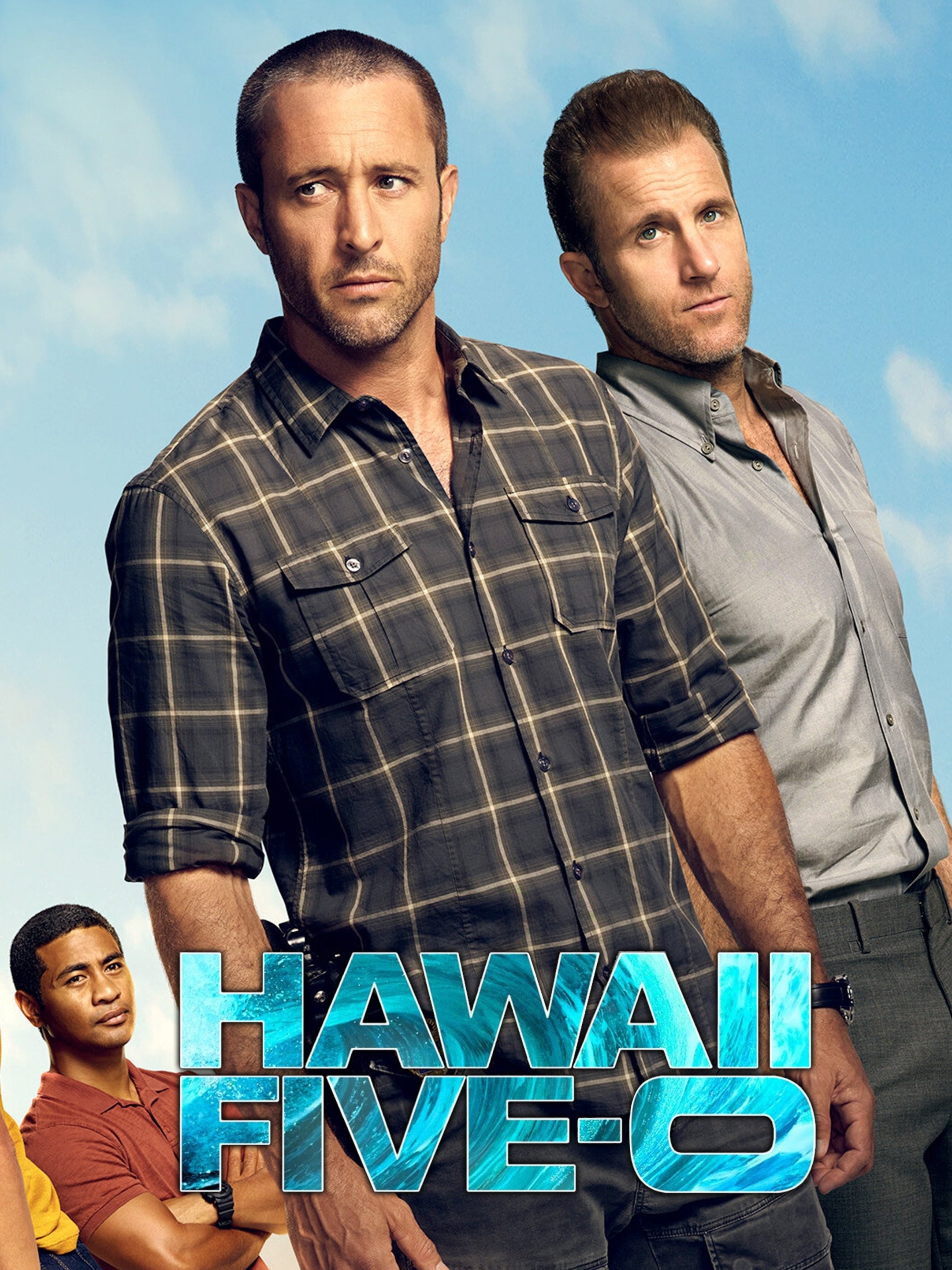
Crucially, the reboot placed a strong emphasis on the Hawaiian concept of “Ohana,” meaning family. This theme was central to the team’s dynamics, portraying them as a chosen family supporting each other both professionally and personally. This focus on strong community bonds, loyalty, and mutual support resonated deeply with the “Lifestyle” category, highlighting values that many seek in their own lives and communities. It illustrated that the Hawaiian lifestyle is not just about beautiful scenery; it’s also about deep personal connections and a sense of belonging. The balance between intense crime-solving and moments of camaraderie, often set against a stunning sunset or a casual beach gathering, reinforced the idea that life in Hawaii offers a unique blend of excitement and profound human connection.
The Impact Beyond the Screen: Hawaii Five-O and Lifestyle
Both iterations of Hawaii Five-O have done more than just entertain; they have played a significant role in defining and promoting a certain “lifestyle” associated with Hawaii. Through their combined 22 seasons, these shows became cultural ambassadors, influencing everything from tourism trends to personal aspirations.
Pop Culture Phenomenon and Tourism Catalyst
The power of Hawaii Five-O as a pop culture phenomenon is undeniable. The iconic theme music, the “Book ’em, Danno” catchphrase, and the visual grandeur of Hawaii became instantly recognizable worldwide. This widespread recognition translated directly into real-world impact, particularly for the tourism industry in Hawaii. The shows served as extended advertisements, showcasing the islands’ natural beauty, diverse activities, and welcoming culture.
For countless viewers, Hawaii Five-O was their primary introduction to the islands, sparking a lifelong desire to experience the Hawaiian lifestyle firsthand. People sought out locations featured in the show, eager to walk in the footsteps of Steve McGarrett and his team. This fascination wasn’t just about seeing famous spots; it was about immersing themselves in the feeling the show evoked—the sense of adventure, relaxation, and connection to a unique culture. Both series cemented Hawaii’s brand as exotic, luxurious, yet also accessible for those seeking a vibrant, active lifestyle.
The Allure of Island Living
Beyond tourism, Hawaii Five-O romanticized the idea of “island living” itself. It portrayed a lifestyle where work-life balance seemed inherent, where professional demands were met with dedication, but always with the ocean as a nearby respite. The characters, though often facing grave dangers, embodied a relaxed confidence that stemmed from their connection to their island home. This vision of a life where one could pursue a demanding career while also enjoying surfing, hiking, and the unique cultural richness of Hawaii was incredibly appealing.
The show inadvertently became a guide for an aspirational lifestyle, subtly suggesting that true happiness could be found in a place where nature’s beauty enhances every aspect of daily existence. It spoke to the desire for a life less ordinary, a life filled with purpose, community, and the ever-present magic of the Pacific. For many, the show painted a picture of a desirable “lifestyle”—one that blended excitement with tranquility, professional achievement with personal fulfillment, all within a breathtaking natural setting.
The Longevity Factor: Why Hawaii Five-O Endures
With a combined 22 seasons across two distinct eras, Hawaii Five-O’s enduring popularity speaks volumes about its formula for success and its timeless connection to its setting. What made these shows last for so long, and how does that longevity tie into its lifestyle appeal?
A Formula for Success
The enduring success of both Hawaii Five-O series can be attributed to several key factors. First, both shows perfected the procedural format, offering compelling weekly mysteries and high-octane action that kept audiences on the edge of their seats. Second, they featured strong, charismatic lead characters whose chemistry and banter provided both humor and emotional depth, making viewers feel invested in their personal and professional lives. Finally, the series consistently offered a high level of production quality, especially in its cinematography, making the most of Hawaii’s stunning natural beauty.
This combination created a powerful escapist experience that tapped into a universal desire for adventure and a better quality of life. The shows allowed viewers to vicariously live an exciting, meaningful lifestyle in a seemingly perfect location. This blend of aspirational living with gripping entertainment ensured a loyal following season after season, proving that a strong narrative complemented by an even stronger sense of place is a recipe for lasting appeal. The show’s ability to transport viewers, not just to a crime scene, but to an entire way of life, was paramount to its impressive run.

A Timeless Connection to Place
Ultimately, the true secret to Hawaii Five-O’s remarkable longevity and its profound impact on the “lifestyle” category lies in its irreplaceable main character: Hawaii itself. The islands were never just a backdrop; they were a living, breathing entity that shaped the stories, influenced the characters, and infused every scene with a unique cultural vibrancy. This deep, authentic connection to place made the show more than just another police drama; it made it a cultural institution.
The spirit of Aloha, the rich history, the diverse ecosystems, and the melting pot of cultures that define Hawaii provided an inexhaustible source of inspiration for storylines and character development. This timeless appeal of the Hawaiian lifestyle, characterized by warmth, beauty, and adventure, ensured that no matter how many seasons passed, or which cast members came and went, the essence of Hawaii Five-O remained vibrant and relevant. The show’s two long runs are a testament not only to great television but also to the enduring human fascination with a lifestyle that promises paradise, excitement, and a deep connection to a truly special place.
In conclusion, both the original and the reboot of Hawaii Five-O ran for a combined total of 22 seasons, solidifying their status as television titans. Their remarkable runs reflect not just the appeal of compelling storytelling but, more significantly, the universal yearning for the distinct and captivating lifestyle that only Hawaii can offer. From the iconic “Book ’em, Danno” to the breathtaking vistas of the Pacific, Hawaii Five-O left an indelible mark on popular culture and continues to inspire dreams of island living across the globe.
LifeOutOfTheBox is a participant in the Amazon Services LLC Associates Program, an affiliate advertising program designed to provide a means for sites to earn advertising fees by advertising and linking to Amazon.com. Amazon, the Amazon logo, AmazonSupply, and the AmazonSupply logo are trademarks of Amazon.com, Inc. or its affiliates. As an Amazon Associate we earn affiliate commissions from qualifying purchases.