
For any winter sports enthusiast, the mere mention of Colorado conjures images of pristine, snow-capped peaks, endless bluebird days, and some of the finest skiing and snowboarding terrain in the world. Often lauded as the epicentre of North American skiing, the Centennial State’s reputation is well-earned. Its towering Rocky Mountains provide the perfect canvas for a diverse array of ski experiences, from world-renowned resorts buzzing with activity to secluded, local hills offering untouched powder. But for those planning their ultimate ski adventure or simply curious about the scale of this winter paradise, a fundamental question often arises: just how many ski areas does Colorado actually boast?
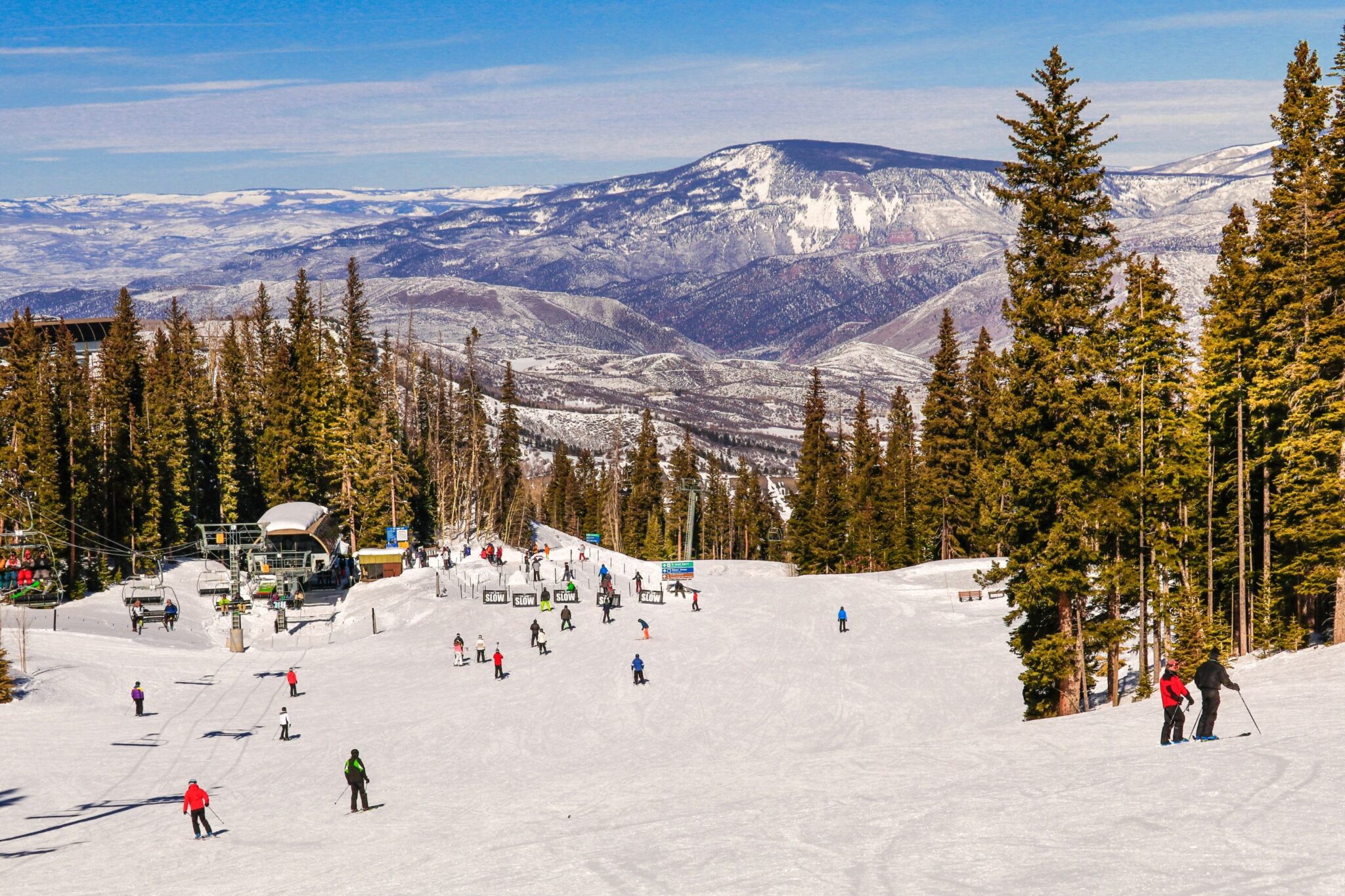
The answer, while seemingly straightforward, is wonderfully complex, reflecting the rich tapestry of its mountain landscape. Depending on how one defines a “ski area” – encompassing everything from vast, interconnected resorts to smaller, community-focused hills and even specialized backcountry operations – the number can fluctuate. However, when focusing on publicly accessible, lift-served ski resorts and areas, Colorado proudly offers approximately 28 to 30 distinct ski areas. This impressive figure solidifies its status as a premier destination, promising an unparalleled breadth of choice for every type of skier and rider.
Colorado’s Mountain Majesty: An Overview of Its Ski Landscape
Colorado’s geography is its greatest asset when it comes to winter sports. The state is home to 58 mountain peaks exceeding 14,000 feet in elevation, known as “Fourteeners,” alongside countless other high-altitude ranges. This dramatic topography ensures not only abundant snowfall but also varied terrain that caters to all skill levels, from gentle beginner slopes to challenging expert runs and vast backcountry opportunities.
The Sheer Volume: Defining “Ski Area”
When we state a figure of 28 to 30 ski areas, it’s essential to understand what’s included in that count. This typically refers to commercially operated resorts and areas that provide lift access to skiable terrain. It excludes private heli-skiing operations (unless they have dedicated lift access for specific areas), true backcountry zones that require self-powered ascent, or tiny, often defunct local hills that no longer operate lifts.
The variance in the count often comes from how certain multi-mountain resorts are categorized. For instance, Aspen Snowmass is a single entity operating four distinct mountains: Snowmass, Aspen Mountain, Aspen Highlands, and Buttermilk. While they share a pass system and overarching management, some might count them individually for their unique experiences, while others group them as one major resort. For the purpose of providing a clear answer to a common travel query, focusing on distinct destinations with their own unique character and infrastructure provides the most useful perspective.
Why Colorado Dominates the Ski Scene
Several factors contribute to Colorado’s preeminent position in the ski world:
- Altitude and Snowfall: The high elevation of its mountains translates to colder temperatures and a higher likelihood of dry, light snow – often referred to as “champagne powder.” This consistent, high-quality snow is a magnet for skiers.
- Diverse Terrain: From the gentle, sprawling slopes perfect for families and beginners to the formidable steeps, glades, and bowls that challenge even the most seasoned experts, Colorado offers an unparalleled variety of terrain.
- Infrastructure and Investment: Over decades, significant investment has gone into developing world-class infrastructure, including high-speed lifts, extensive snowmaking capabilities, sophisticated grooming fleets, and a wide range of visitor amenities.
- Accessible Destinations: Many of the state’s most popular resorts are relatively accessible from Denver International Airport, with well-maintained highways and shuttle services connecting travellers to the slopes.
The Titans of the Slopes: Major Resorts and Their Appeal
Among Colorado’s impressive roster of ski areas are several global icons that consistently rank among the best in the world. These major resorts offer expansive terrain, luxurious amenities, vibrant après-ski scenes, and often attract international visitors seeking the ultimate winter getaway.
World-Renowned Destinations
- Vail: Often considered the crown jewel, Vail is one of the largest ski resorts in North America, famous for its vast Back Bowls, diverse front side, and sophisticated village. It offers an immense variety of terrain, world-class dining, and high-end shopping.
- Aspen Snowmass: Comprising four distinct mountains—Snowmass (known for its expansive family-friendly terrain), Aspen Mountain (challenging terrain right above town), Aspen Highlands (legendary for its expert Highland Bowl), and Buttermilk (home of the X Games and great for beginners/park riders)—Aspen Snowmass offers a luxurious, celebrity-studded experience with incredible skiing.
- Breckenridge: A historic mining town turned bustling ski resort, Breckenridge is renowned for its charming Main Street, high-alpine terrain on Peaks 6, 7, 8, 9, and 10, and vibrant atmosphere. It boasts North America’s highest chairlift, the Imperial Express SuperChair.
- Steamboat Springs: Famous for its “Champagne Powder®,” Steamboat Springs offers a unique blend of Western heritage and world-class skiing, particularly known for its tree skiing and family-friendly atmosphere.
- Telluride: Nestled in a stunning box canyon, Telluride is a picturesque resort known for its breathtaking scenery, challenging expert terrain, and charming historic town. It’s often lauded for its uncrowded slopes and exceptional dining.
- Winter Park Resort: The closest major destination resort to Denver, Winter Park Resort is a favourite for its diverse terrain, including the legendary Mary Jane territory with its bumps and glades, and a welcoming, laid-back vibe.
- Keystone: A family-oriented resort known for its extensive night skiing, large terrain parks, and accessible layout across three peaks. Keystone offers plenty of intermediate terrain and convenient lodging options.
- Copper Mountain: Designed with natural terrain segregation, Copper Mountain naturally separates skiers by skill level, making it easy to navigate. It’s known for its excellent terrain parks and central location in the Tenmile Range.
- Crested Butte Mountain Resort: Often called “The Last Great Ski Town,” Crested Butte Mountain Resort offers an authentic, unpretentious experience with incredible extreme terrain alongside plenty of intermediate and beginner runs, all wrapped in a vibrant, historic town setting.
The Ikon Pass and Epic Pass Influence

The advent of multi-resort passes like the Ikon Pass and Epic Pass has dramatically influenced how skiers access and experience Colorado’s slopes. The Epic Pass provides access to Vail, Breckenridge, Keystone, Crested Butte Mountain Resort, and Beaver Creek Resort (often considered part of the Vail family of resorts but a distinct entity), among others. The Ikon Pass includes Aspen Snowmass, Steamboat Springs, Winter Park Resort, Copper Mountain, and Eldora Mountain Resort. These passes have made it easier for avid skiers to explore multiple resorts within a single season, further enhancing Colorado’s appeal as a diverse ski destination.
Hidden Gems and Local Favorites: Beyond the Big Names
While the major resorts garner most of the international spotlight, Colorado’s ski scene is also rich with smaller, often more affordable, and equally charming ski areas. These “local favourites” provide a different kind of experience, often characterized by fewer crowds, a laid-back atmosphere, and a strong sense of community.
Smaller, Authentic Ski Experiences
- Loveland Ski Area: Situated just an hour west of Denver on the Continental Divide, Loveland Ski Area is one of the first resorts to open and last to close in Colorado. It’s beloved for its incredible value, abundant snowfall, and easy access from the Front Range.
- Arapahoe Basin Ski Area (A-Basin): Known affectionately as “A-Basin,” this high-altitude resort boasts one of the longest seasons in North America, often stretching into June or July. It’s famed for its challenging steeps, open bowls, and vibrant parking lot tailgating scene in “The Beach.”
- Monarch Mountain: Located near Salida, Monarch Mountain is a natural snow-only resort (no snowmaking) that promises soft, unadulterated powder. It’s a family-friendly mountain with a traditional, unpretentious vibe.
- Powderhorn Mountain Resort: Perched on the Grand Mesa near Grand Junction, Powderhorn Mountain Resort offers stunning views of the red rock canyons and consistently light, dry snow. It’s a great option for those seeking fewer crowds and a unique western Colorado experience.
- Ski Cooper: Rich in history as the former training ground for the 10th Mountain Division, Ski Cooper near Leadville provides an affordable, low-key, and family-friendly environment with gentle slopes perfect for learning.
- Wolf Creek Ski Area: Tucked away in southern Colorado, Wolf Creek Ski Area proudly proclaims “The Most Snow in Colorado.” It’s a no-frills, deep-powder paradise attracting serious skiers and boarders.
- Purgatory Resort: Located near Durango, Purgatory Resort (formerly Durango Mountain Resort) offers stunning views of the San Juan Mountains, varied terrain, and a relaxed, family-friendly atmosphere away from the major crowds.
- Sunlight Mountain Resort: A true local gem near Glenwood Springs, Sunlight Mountain Resort offers an affordable ski experience with a mix of gentle slopes and steep runs, including the formidable “East Willies.”
Specialized and Niche Options
Beyond the lift-served areas, Colorado also caters to specialized interests. For the truly adventurous, resorts like Silverton Mountain offer an unguided, expert-only, backcountry-like experience with a single chairlift, often requiring avalanche safety gear and an expert guide for most of its operating days. While not a traditional resort, it represents the extreme end of Colorado’s diverse ski offerings, catering to a very specific niche of experienced riders.
Planning Your Colorado Ski Adventure: A Guide to Choosing Your Slopes
With such an abundance of options, deciding where to ski in Colorado can be an enjoyable challenge. The “best” ski area is highly subjective and depends entirely on your preferences and priorities.
Factors to Consider
- Skill Level: Beginners will seek out resorts with excellent ski schools and abundant green and blue runs, like Keystone, Buttermilk, or Ski Cooper. Experts might gravitate towards A-Basin, Telluride, Silverton Mountain, or the Back Bowls of Vail.
- Budget: Lift tickets, lodging, and dining can vary significantly. Smaller resorts like Monarch or Ski Cooper are typically more budget-friendly than luxury destinations like Aspen or Vail.
- Desired Atmosphere: Do you prefer a lively, bustling resort town with ample nightlife and shopping (e.g., Breckenridge, Aspen, Steamboat) or a quieter, more laid-back mountain escape (e.g., Monarch, Wolf Creek)?
- Travel Logistics: Consider proximity to Denver International Airport or other regional airports, ease of driving, and availability of shuttle services. Resorts along the I-70 corridor like Loveland, A-Basin, Keystone, Breckenridge, and Copper Mountain are generally the most accessible from Denver.
- Family-Friendliness: Many resorts offer excellent children’s programs, designated family zones, and terrain suitable for all ages. Keystone, Snowmass, and Winter Park are particularly strong contenders for family trips.
The Best Time to Visit
The Colorado ski season typically runs from mid-November to mid-April, with some resorts extending into May or even later.
- Early Season (November-Mid December): Often less crowded, and great for getting your ski legs back. Snowfall can be variable, but many resorts make significant snow.
- Peak Season (Late December-March): The most popular time, characterized by reliable snow conditions and bustling crowds, especially during holidays and school breaks. Expect higher prices and more competition for lodging and lift tickets.
- Spring Skiing (April-May): Warmer temperatures, longer days, and often softer snow (“corn snow”) make for a unique and enjoyable experience. Many resorts host spring festivals and events. A-Basin is the king of late-season skiing.

Conclusion: The Unrivaled Colorado Ski Experience
So, how many ski areas are there in Colorado? A robust and impressive 28 to 30, each contributing to a vibrant tapestry of winter sports experiences. From the expansive, luxurious playgrounds of Vail and Aspen Snowmass to the authentic, powder-rich havens of Wolf Creek and Monarch Mountain, the state offers an unparalleled diversity that caters to every skier and snowboarder’s dream.
This sheer volume of options, combined with consistent snowfall, world-class amenities, and breathtaking scenery, firmly establishes Colorado as a premier global ski destination. Whether you’re a first-time beginner or a seasoned expert seeking untouched powder, Colorado’s mountains promise an unforgettable adventure, beckoning you to discover your perfect slope. The real question isn’t just how many, but how many you can explore.
LifeOutOfTheBox is a participant in the Amazon Services LLC Associates Program, an affiliate advertising program designed to provide a means for sites to earn advertising fees by advertising and linking to Amazon.com. Amazon, the Amazon logo, AmazonSupply, and the AmazonSupply logo are trademarks of Amazon.com, Inc. or its affiliates. As an Amazon Associate we earn affiliate commissions from qualifying purchases.