
Utah, a state synonymous with unparalleled powder and breathtaking mountain vistas, beckons skiers and snowboarders from across the globe. Renowned for its “Greatest Snow on Earth®,” the Beehive State boasts a remarkable collection of ski resorts, each offering a distinct experience. For those planning a winter escape, understanding the sheer number and diversity of these destinations is the first step in crafting an unforgettable alpine adventure. But the question remains: just how many ski resorts call Utah home? The answer is a robust number that reflects the state’s commitment to winter sports and its exceptional natural endowments.
The Comprehensive Count: Utah’s Ski Resort Landscape
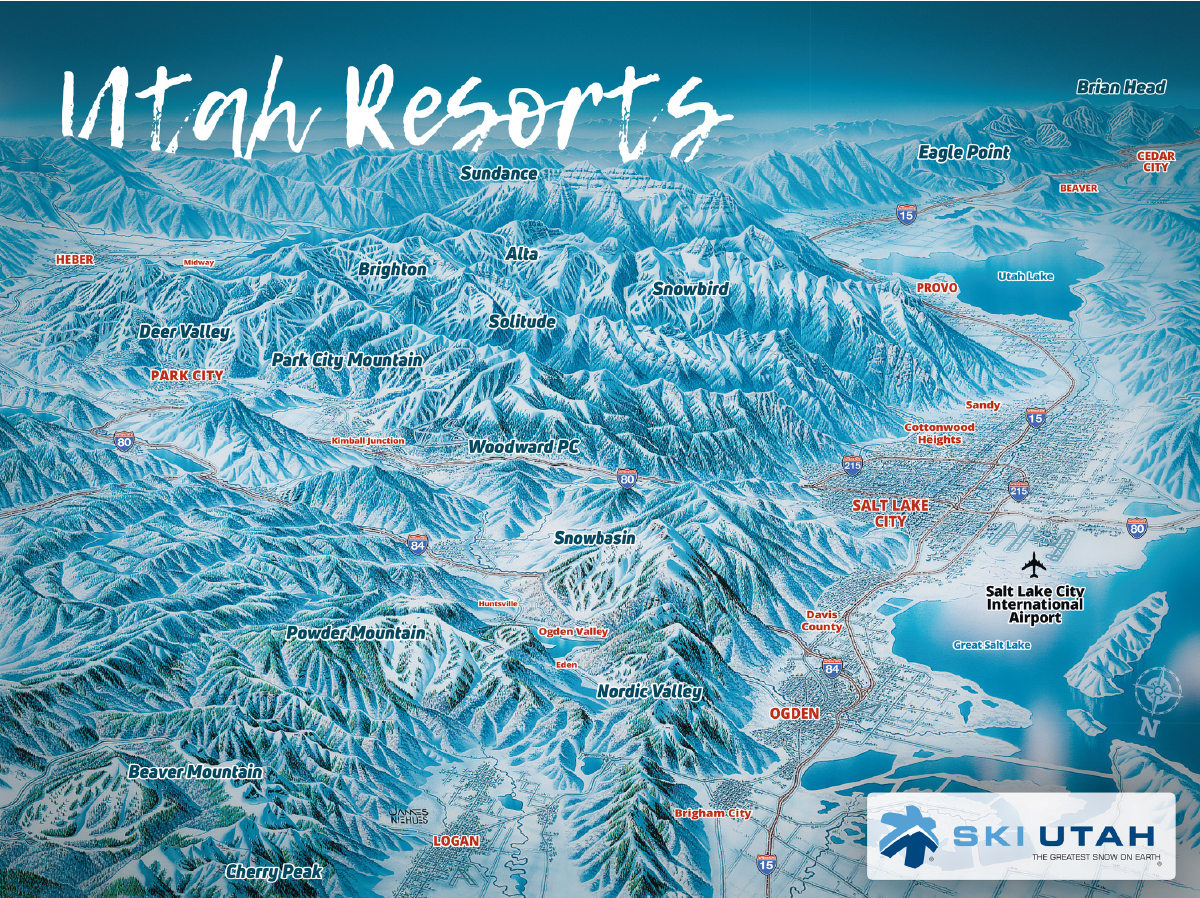
Utah is home to a significant and impressive array of ski resorts, catering to every level of skier and snowboarder, from the absolute beginner to the seasoned expert. While the exact number can fluctuate slightly based on definitions and occasional operational changes, the generally accepted figure hovers around 10 major ski resorts that consistently operate and draw significant crowds. These are the pillars of Utah’s ski industry, offering extensive terrain, state-of-the-art facilities, and a vibrant après-ski scene.
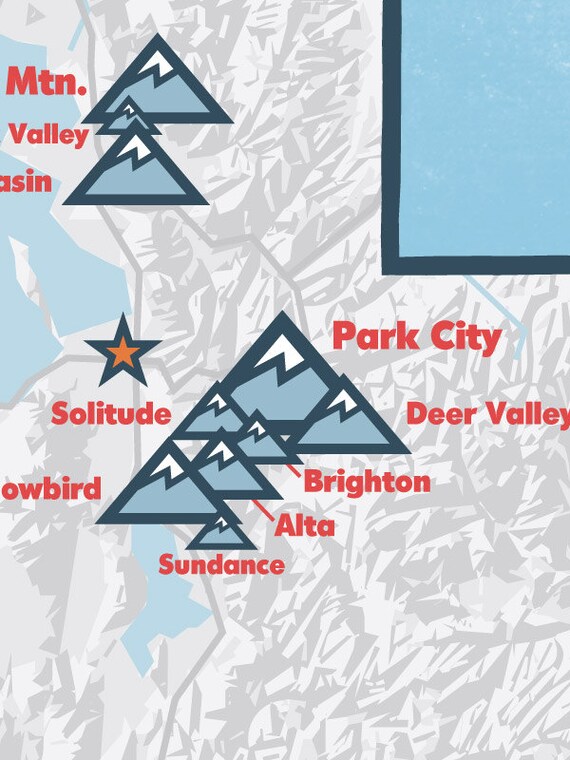
Beyond these prominent destinations, a handful of smaller, perhaps more niche or regional areas, might also be considered, bringing the total to approximately 15-20 skiing locations when including smaller areas or those with more limited operational seasons. This substantial number underscores Utah’s position as a premier winter sports destination, rivaling and often surpassing other major ski states in terms of density and quality of offerings. The clustering of these resorts, particularly along the Wasatch Range, makes it feasible for visitors to explore multiple locations within a single trip, maximizing the diversity of their skiing experience.
Factors Influencing the Count
The precise number of ski resorts in Utah can be a subject of nuanced discussion, influenced by several factors:
Operational Status and Scale
The most commonly cited figures refer to resorts that are fully operational, typically with multiple lifts, extensive groomed runs, and a developed base area. These are the resorts that are heavily marketed and draw the bulk of tourism. Smaller, independently owned areas or those with a more limited capacity might not always be included in headline counts, yet they still contribute to the overall winter recreational tapestry of the state.
Resort Consolidation and Acquisitions
The ski industry, like many others, has seen periods of consolidation. While individual mountains retain their unique identities and appeal, ownership structures can sometimes shift. However, these changes rarely impact the number of distinct skiing destinations available to the public.
Seasonal Operations and Niche Areas
Some areas might operate on a more limited seasonal basis or cater to specific disciplines, such as backcountry access points or smaller hills focused on specific terrain parks. While vital for local communities and dedicated enthusiasts, these might not always be classified as full-fledged “ski resorts” in the conventional sense for broader tourist statistics.
Exploring Utah’s Premier Ski Destinations
The true appeal of Utah’s ski resorts lies not just in their quantity but in their extraordinary quality and diversity. From the legendary powder of the Wasatch Mountains to the more secluded gems, each resort offers a unique slice of the alpine experience. This section delves into some of the most celebrated destinations that contribute to Utah’s stellar reputation.
The “Greatest Snow on Earth®” Corridor: Park City and Beyond
The heart of Utah’s ski country beats strongly in the vicinity of Salt Lake City, particularly along the northern Wasatch Front. This region is renowned for its accessibility and the unparalleled quality of its snowfall.
Park City Mountain Resort
As one of the largest ski resorts in the United States, Park City Mountain Resort is a titan in the industry. Its expansive terrain, spread across two interconnected mountains, offers an incredible variety of runs for all skill levels. From the challenging steeps and bowls of Jupiter Peak to the gentle, rolling groomers perfect for beginners, there’s something for everyone. The resort is also celebrated for its vibrant town, Park City, which seamlessly blends its historic mining roots with a world-class ski experience, featuring upscale dining, boutique shopping, and a lively cultural scene. The recent merger with Park City Mountain Resort (formerly Canyons Resort) created an unparalleled skiable acreage, solidifying its status as a must-visit destination.
Deer Valley Resort
Just a stone’s throw from Park City Mountain Resort, Deer Valley Resort offers a different, yet equally luxurious, alpine experience. Known for its exceptional service, meticulously groomed runs, and a focus on the discerning skier, Deer Valley limits ticket sales to ensure an uncrowded and comfortable experience. It is a premier destination for those seeking a refined and pampered ski vacation, complete with gourmet dining and attentive staff. While primarily known for its groomed terrain, Deer Valley also offers challenging bowls and glades for advanced skiers.
Snowbird
For the powder hound and the adrenaline seeker, Snowbird is a legendary name. Famous for its steep and deep snow, challenging expert terrain, and consistent snowfall, Snowbird is a true test for advanced skiers and snowboarders. Its iconic tram provides access to breathtaking high-alpine bowls and chutes. The resort’s dramatic granite cliffs and rugged beauty contribute to its raw, untamed appeal. Snowbird is also a fantastic destination for its exceptionally long season, often remaining open well into spring.
Alta Ski Area

A venerable institution in Utah’s ski landscape, Alta Ski Area is exclusively for skiers (no snowboards allowed). This policy contributes to a unique, skier-centric atmosphere. Alta is renowned for its consistent, deep powder and its challenging, natural terrain. It attracts a dedicated following who appreciate its traditional ski resort feel and its commitment to preserving the skiing experience. The breathtaking scenery and the pure joy of skiing its legendary slopes make it a pilgrimage site for many.
Southern Utah’s Unique Charms
While the Wasatch Front draws the lion’s share of attention, the southern reaches of Utah offer distinct skiing experiences, often with fewer crowds and a different kind of natural beauty.
Brian Head Resort
Located in southwestern Utah, Brian Head Resort is the state’s highest-elevation resort. This advantage often translates into excellent snow conditions throughout the season. Brian Head offers a more laid-back atmosphere, making it a great option for families and those seeking a more relaxed ski vacation. It provides a good mix of terrain, from beginner-friendly slopes to challenging runs and a well-regarded terrain park.
Eagle Point Resort
Tucked away in the southwestern part of the state, Eagle Point Resort is one of Utah’s more intimate ski areas. It offers a peaceful, uncrowded environment, ideal for families and those looking to escape the hustle and bustle of larger resorts. Eagle Point boasts beautiful views and a welcoming atmosphere, providing a genuine, down-to-earth ski experience. Its focus on value and a family-friendly atmosphere makes it a hidden gem.
The Importance of Ski Resort Variety
The sheer number of ski resorts in Utah is not merely a statistical curiosity; it is a testament to the state’s diverse geography and its deep-seated culture of winter sports. This variety ensures that every type of skier and snowboarder can find their perfect mountain playground.
Catering to All Skill Levels
From the gentle slopes of smaller hills ideal for first-timers at places like Nordic Valley Ski Resort (often considered a smaller, local gem) to the extreme vertical and challenging chutes of Snowbird, Utah has invested in infrastructure to serve every ability. Beginners can find supportive learning environments and forgiving terrain, while intermediates can progress on well-groomed cruisers and explore varied mountain faces. Advanced and expert skiers have a veritable smorgasbord of steeps, bowls, moguls, and backcountry-accessible terrain to challenge their skills.
Diverse Mountain Experiences
Each resort offers a unique personality. Some, like Deer Valley Resort, are synonymous with luxury and impeccable service. Others, like Alta Ski Area and Snowbird, are famed for their challenging terrain and legendary powder. Smaller resorts, such as Eagle Point Resort and Brian Head Resort, provide a more intimate and less crowded experience, often at a more accessible price point. This diversity allows visitors to tailor their ski vacation to their specific preferences, whether they seek world-class amenities, challenging adventures, or a peaceful escape.
Economic and Cultural Impact
The presence of numerous ski resorts is a significant driver of Utah’s economy, particularly in the mountain towns. They create jobs, attract tourism revenue, and foster a vibrant winter sports culture. This concentration of resorts also encourages friendly competition, pushing each destination to continually innovate and improve its offerings. The collective presence of these resorts solidifies Utah’s identity as a premier global destination for winter recreation.
Planning Your Utah Ski Adventure
With such a rich tapestry of ski resorts to choose from, effective planning is key to maximizing your Utah skiing experience. The proximity of many resorts to Salt Lake City International Airport (SLC) is a significant advantage.
Proximity and Accessibility
Many of Utah’s most popular resorts are located within a 45-minute to a 1.5-hour drive from the airport, making it incredibly convenient to reach the slopes shortly after landing. Resorts in the Cottonwood Canyons (Big Cottonwood Canyon and Little Cottonwood Canyon), such as Brighton Resort and Solitude Mountain Resort, are exceptionally close, offering quick access to fresh powder.
Choosing the Right Resort
Consider your skiing ability, the type of experience you desire (luxury, challenging, family-friendly, budget-conscious), and the specific snow conditions you are seeking. Researching individual resort features, lift ticket prices, and lodging options is essential. For instance, a family with young children might lean towards the amenities and beginner terrain at Park City Mountain Resort, while expert skiers might prioritize the challenging steeps of Snowbird.
Beyond Skiing: Utah’s Winter Appeal
While skiing and snowboarding are the primary draws, Utah’s winter destinations offer a wealth of additional activities. Explore the charming towns, indulge in world-class dining, enjoy spa treatments, or try other winter pursuits like snowshoeing, fat biking, or even scenic aerial tram rides. The vibrant cultural scene in Salt Lake City also provides ample opportunities for entertainment off the slopes.
In conclusion, Utah’s impressive count of ski resorts, numbering around 10 major destinations and a few smaller areas, translates into an unparalleled diversity of winter experiences. This abundance, combined with the legendary snow quality, makes Utah an undeniable leader in the world of alpine recreation.
LifeOutOfTheBox is a participant in the Amazon Services LLC Associates Program, an affiliate advertising program designed to provide a means for sites to earn advertising fees by advertising and linking to Amazon.com. Amazon, the Amazon logo, AmazonSupply, and the AmazonSupply logo are trademarks of Amazon.com, Inc. or its affiliates. As an Amazon Associate we earn affiliate commissions from qualifying purchases.