
Navigating the intricate legal landscape of traffic violations in Texas can be a daunting task for any driver, especially when considering the potential consequences for their driving privileges. The question of how many speeding tickets will lead to a license suspension is a common concern for residents and visitors alike. While there isn’t a simple, universal number, Texas law outlines a framework for license revocation based on the accumulation of traffic violations, including speeding. Understanding this framework is crucial for maintaining a valid driver’s license and avoiding the significant disruption that a suspension can bring.
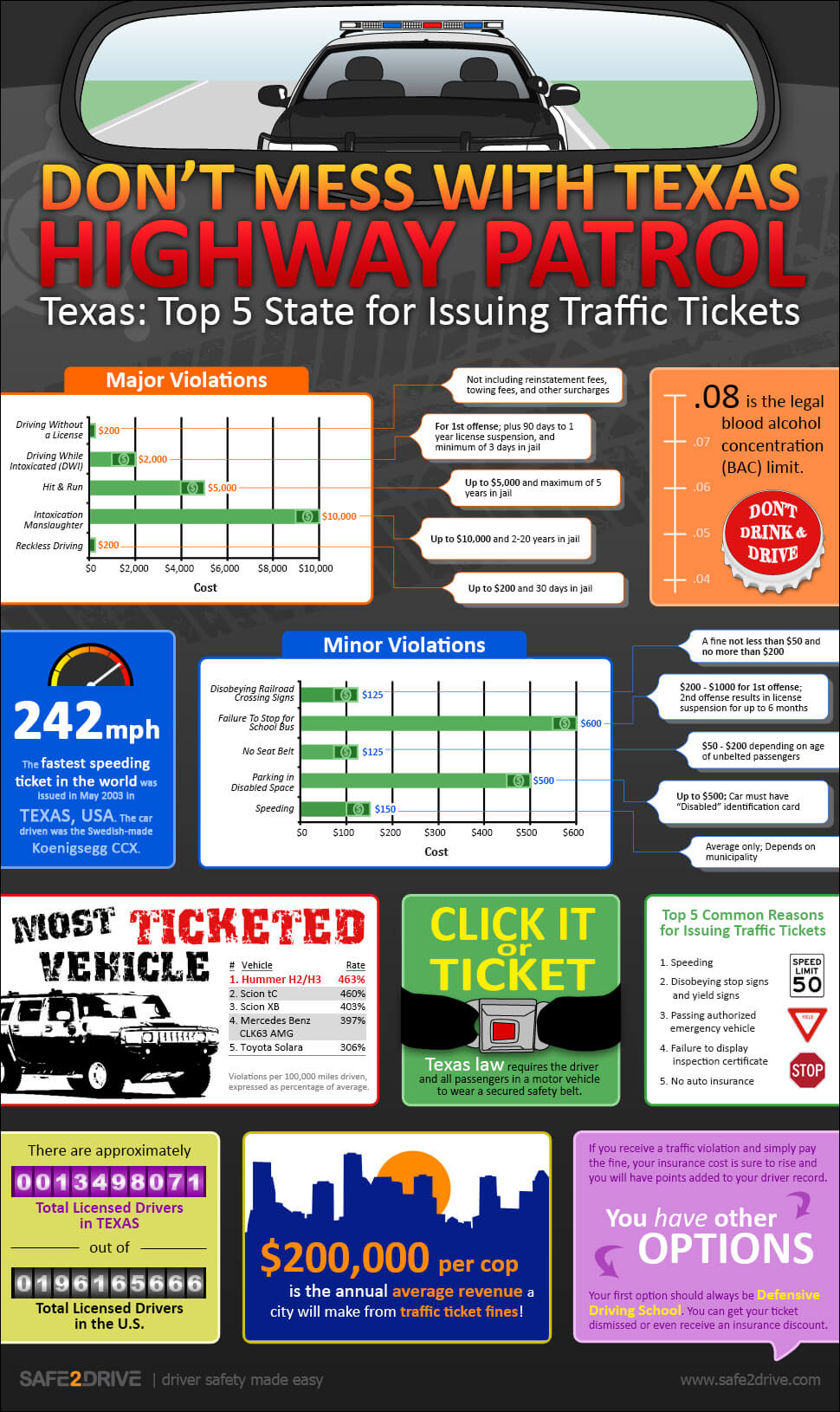
The Texas Department of Public Safety (DPS) is the authority responsible for issuing and revoking driver’s licenses. Their primary goal is to ensure public safety on the roads, and this includes taking action against drivers who demonstrate a pattern of unsafe driving behavior. A speeding ticket, while seemingly minor on its own, is a mark on a driver’s record that can contribute to a larger picture of irresponsibility. When these marks accumulate, they signal to the DPS that a driver may pose a risk to themselves and others.
The Point System and Its Implications
Texas, unlike many other states, does not operate a strict “point system” in the traditional sense where each violation is assigned a specific number of points that accumulate towards a suspension. Instead, the Texas DPS considers the overall driving record and the nature of the offenses. However, the concept of accumulation is very much at play. The concern isn’t solely about the quantity of tickets but also the frequency and severity of the violations.
Accumulating Violations Over Time
While there isn’t a published threshold like “three speeding tickets in a year equals suspension,” the DPS can initiate license suspension proceedings if a driver accumulates too many traffic convictions within a specific period. This is often referred to as habitual traffic offender status. Generally, accumulating a certain number of moving violations within a 12-month period can trigger an investigation by the DPS. The exact number can fluctuate and is subject to the discretion of the department, but it’s often in the range of three or more moving violations within a year that can put a driver on the radar.
Moving Violations vs. Non-Moving Violations
It’s important to distinguish between moving violations and non-moving violations. Speeding tickets are classified as moving violations, as they involve the operation of a vehicle in traffic. Non-moving violations, such as parking tickets or equipment violations, typically do not contribute to the accumulation that leads to license suspension. Therefore, the focus for license suspension concerns is primarily on moving violations like speeding, running a red light, or improper lane changes.
The Impact of Excessive Speed
While any speeding ticket is a moving violation, the severity of the speed increase over the posted limit can also play a role. Driving significantly over the speed limit, especially in a school zone or construction zone, can lead to more serious consequences, including increased fines and potentially even a misdemeanor charge in extreme cases. These more severe infractions are more likely to attract the attention of the DPS and contribute to a faster path towards potential suspension.
Specific Circumstances Leading to Suspension
Beyond the general accumulation of moving violations, Texas law outlines several specific scenarios where a driver’s license can be suspended, irrespective of the number of speeding tickets. These are critical to understand for any Texas driver.
Driving While Intoxicated (DWI)
A conviction for Driving While Intoxicated (DWI) is one of the most serious offenses and carries severe penalties, including automatic license suspension. A first-offense DWI can result in a suspension of up to 180 days, with even longer suspensions for subsequent offenses. This type of conviction overshadows the impact of multiple speeding tickets entirely.
No-Pass, No-Play Rule
For high school students under 18 years old, Texas has the “No-Pass, No-Play” law. This rule links academic performance to driving privileges. If a student fails to maintain a satisfactory grade point average, their driver’s license can be suspended. While this rule is not directly tied to traffic violations, it’s another critical factor affecting young drivers in Texas and can lead to suspension unrelated to speeding.
Failure to Appear in Court or Pay Fines
Failing to appear in court for a traffic ticket or neglecting to pay associated fines can also lead to license suspension. The court will notify the DPS of such failures, and the department will then suspend the driver’s license until the matter is resolved. This emphasizes the importance of addressing all traffic citations promptly and responsibly.
Accumulation of Traffic Convictions (Habitual Traffic Offender)
As mentioned earlier, the DPS can declare a driver a “habitual traffic offender” if they accumulate a significant number of traffic convictions within a specified period. In Texas, this typically involves:
- Four or more moving violations within a 12-month period.
- Seven or more moving violations within a 24-month period.
When a driver meets these criteria, the DPS will typically issue a notice of intent to suspend their license. The suspension period for being declared a habitual traffic offender can be substantial, often lasting for a year or more.
What Happens When You Receive a Speeding Ticket?
Understanding the process after receiving a speeding ticket is the first step in managing your driving record.
The Citation
When you are issued a speeding ticket, it is a legal document that requires a response. You have a few options:
- Pay the fine: This is an admission of guilt and will result in the violation being recorded on your driving record.
- Contest the ticket: You can choose to fight the ticket in court, arguing your innocence or seeking to have the charges reduced.
- Request a driving safety course: In many cases, if you are eligible, you can opt to take a state-approved driving safety course. Upon successful completion and payment of court costs, the ticket may be dismissed and will not appear on your driving record or affect your insurance rates. Eligibility for this option usually requires that you have not taken such a course within the past three years and that the offense is not a moving violation that occurred in a construction zone or school zone.
Impact on Insurance
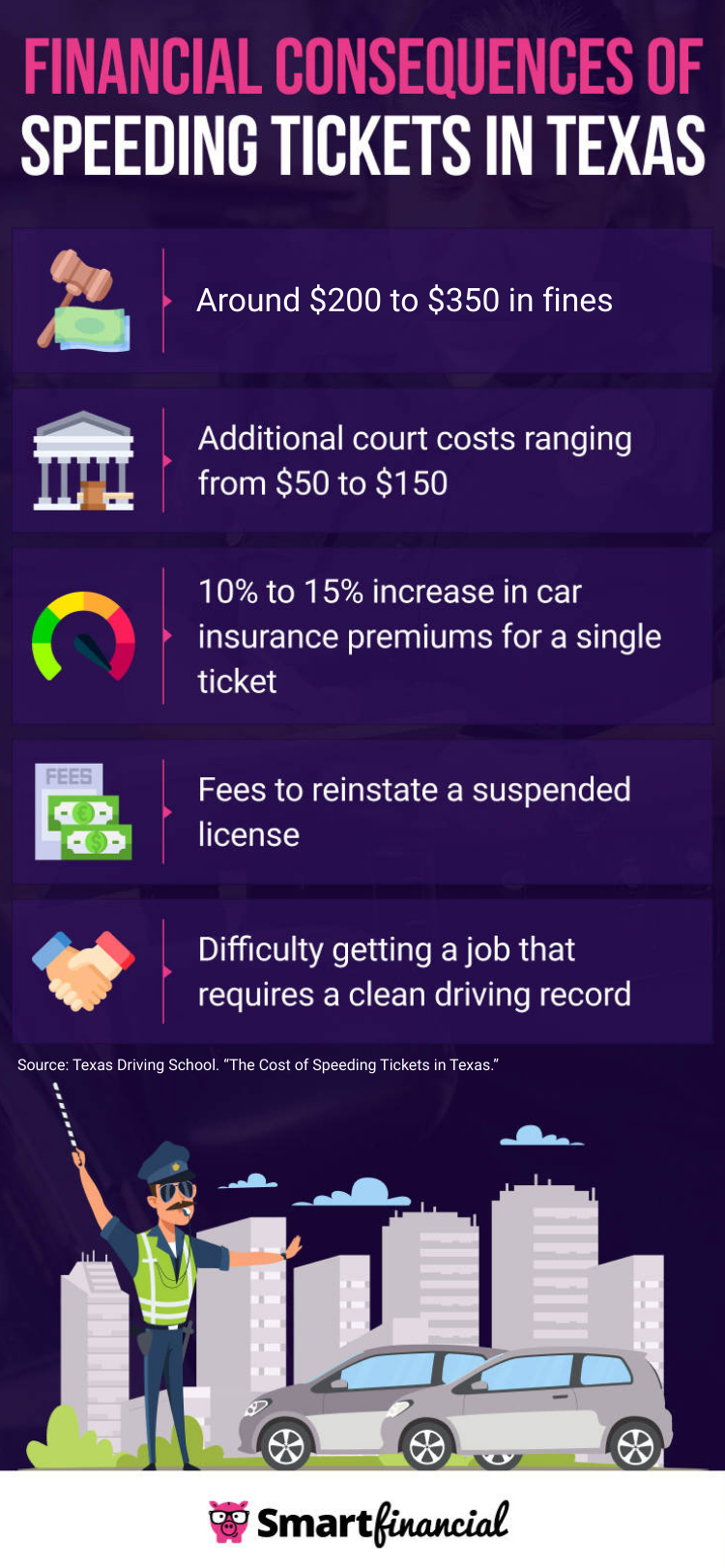
Even if a speeding ticket does not lead to an immediate license suspension, it can still have financial repercussions. Most auto insurance companies view speeding tickets as an indicator of increased risk. Consequently, your insurance premiums may rise after you receive a ticket, especially if you have multiple violations. Some insurers may even drop your coverage if your record becomes too poor.
Avoiding License Suspension
Proactive measures and responsible driving habits are the best defense against license suspension in Texas.
Drive Responsibly
The most straightforward way to avoid suspension is to obey traffic laws, including speed limits. This not only keeps you safe but also protects your driving record and your finances. Being mindful of your speed, especially in areas with frequent enforcement, can prevent unnecessary tickets.
Understand Your Driving Record
Periodically checking your driving record can provide valuable insight into your history of violations. You can obtain a copy of your driving record from the Texas DPS. This allows you to identify any errors and to be aware of how many moving violations are currently on your record.
Address Tickets Promptly
Never ignore a traffic ticket. If you receive a citation, understand your options and act on them. Whether it’s paying the fine, contesting the ticket, or enrolling in a driving safety course, taking prompt action is essential. Ignoring a ticket can lead to more severe consequences, including license suspension for failure to appear or pay.

Seek Legal Counsel
If you are facing multiple speeding tickets or a particularly serious traffic violation, consulting with a traffic attorney can be beneficial. An attorney can advise you on your legal options, help you navigate the court system, and potentially negotiate a favorable outcome that may prevent license suspension.
In conclusion, while Texas doesn’t have a fixed number for how many speeding tickets lead to suspension, the accumulation of moving violations, combined with other factors like severe offenses or failure to address citations, can certainly trigger the suspension of your driver’s license. Maintaining a clean driving record through responsible driving and prompt attention to any traffic citations is the most effective strategy for keeping your license valid and your driving privileges intact.
LifeOutOfTheBox is a participant in the Amazon Services LLC Associates Program, an affiliate advertising program designed to provide a means for sites to earn advertising fees by advertising and linking to Amazon.com. Amazon, the Amazon logo, AmazonSupply, and the AmazonSupply logo are trademarks of Amazon.com, Inc. or its affiliates. As an Amazon Associate we earn affiliate commissions from qualifying purchases.