
Florida, affectionately known as the “Sunshine State,” boasts a unique geological tapestry woven with an astonishing abundance of natural freshwater springs. These vital oases, bubbling forth from underground aquifers, are not just picturesque destinations but are also crucial to the state’s ecosystem and a significant draw for travelers seeking natural beauty and outdoor recreation. While an exact, definitive count remains elusive due to the sheer number of small, unnamed, or privately held springs, it’s widely accepted that Florida is home to hundreds, if not thousands, of these pristine water sources. The majority of these are artesian springs, meaning they flow naturally to the surface without the need for pumping, often at remarkably consistent, cool temperatures year-round.
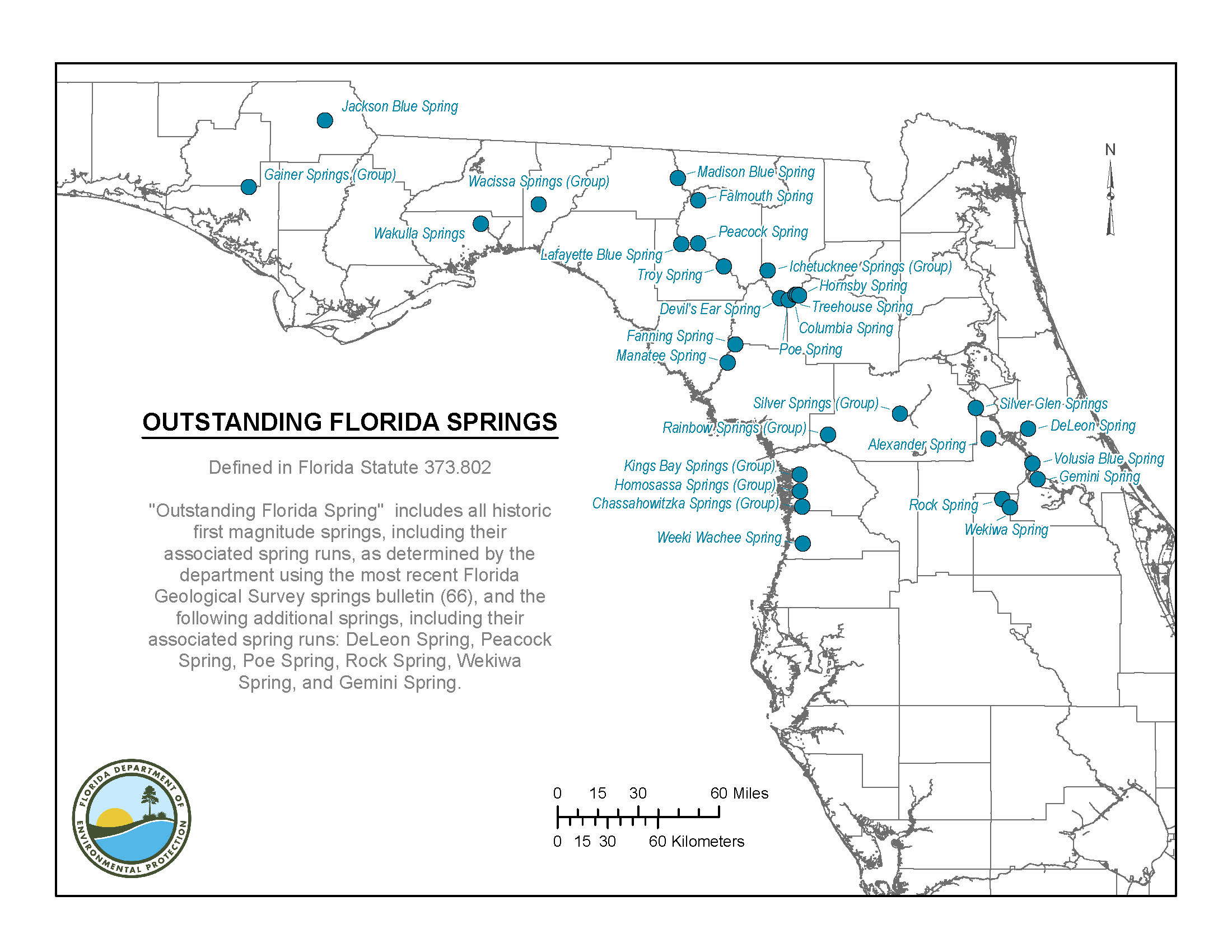
The distribution of these springs is heavily concentrated in the northern and central parts of the state, particularly along the Ocala Uplift, a geological feature that brings the Floridan Aquifer closer to the surface. This region is a veritable treasure trove of spring systems, each with its own distinct character, from crystal-clear swimming holes to sprawling river systems fed by multiple outflows. Understanding the prevalence and significance of these springs is key to appreciating the unique natural heritage of Florida.
Unveiling Florida’s Spring Systems: A Natural Wonder
The sheer number of springs in Florida is a testament to the state’s rich hydrogeology. These springs are not merely isolated pools; many form the headwaters of rivers, contributing to vital waterways that snake through the landscape, supporting diverse flora and fauna. The clarity of the water in many of these springs is legendary, a result of the immense filtration process the water undergoes as it travels through the porous limestone of the Floridan Aquifer. This clarity makes them ideal for a wide range of aquatic activities, from snorkeling and scuba diving to simply observing the vibrant underwater world.
The Magnitude of the Spring Phenomenon
Estimates suggest that Florida possesses more than 700 documented springs, with many more likely existing on private property or in remote areas that have not been formally surveyed. These springs vary dramatically in size and flow rate. Some, like the majestic Silver Springs, are significant river systems in themselves, while others are intimate, secluded pools accessible only to the most intrepid explorers.
The classification of these springs also varies. Geologists typically categorize them based on their flow rate and geological characteristics. However, for the purposes of understanding their role as natural attractions, a more practical approach is to consider their accessibility and the recreational opportunities they offer. The state of Florida actively manages many of these springs through its park system, ensuring their preservation and accessibility for public enjoyment.
Geographic Concentration and Geological Influence
The distribution of springs is not uniform across the state. The highest concentration is found in North and Central Florida, a region shaped by the geological uplift that brings the limestone bedrock, and consequently the aquifer, closer to the surface. Counties like Marion, Alachua, and Suwannee are particularly renowned for their spring systems.
The porous nature of Florida’s limestone bedrock is the primary reason for the abundance of springs. Rainwater percolates through the soil and rock, replenishing the vast underground aquifer. Where the bedrock is fractured or thinned, this water finds its way to the surface, creating the springs that define so much of Florida’s natural beauty. The geological history of the region has created a perfect storm of conditions for the formation and sustenance of these remarkable natural features.
A Traveler’s Guide to Florida’s Spring Destinations
For travelers, Florida’s springs represent a departure from the typical beach vacation, offering a refreshing and often exhilarating experience immersed in nature. These destinations provide a unique blend of adventure, relaxation, and natural wonder, appealing to a wide range of interests. Whether you’re seeking a family-friendly swim spot, a challenging dive site, or a tranquil natural setting, Florida’s springs deliver.
Iconic Spring Experiences for Every Visitor
Many of Florida’s springs have been developed into state parks, offering amenities such as picnic areas, hiking trails, and concession stands, making them accessible and enjoyable for all visitors. Others remain more wild and undeveloped, appealing to those who seek a more primitive outdoor adventure.
- Ichetucknee Springs State Park: Famous for its crystal-clear, six-mile-long river, perfect for tubing and kayaking. The main spring itself is a breathtaking sight, with its deep blue waters inviting swimmers and snorkelers.
- Ginnie Springs: A popular private park known for its exceptional visibility and numerous underwater caves, making it a prime destination for scuba divers. Above water, the spring offers swimming, snorkeling, and tubing.
- Rainbow Springs State Park: Once a major tourist attraction in the mid-20th century, this park features beautiful waterfalls, lush gardens, and a swimming area fed by the headspring.
- Blue Spring State Park: Perhaps most famous as a winter refuge for the endangered West Indian manatee, this park’s main spring also offers swimming and snorkeling during warmer months.
- Wekiwa Springs State Park: Located near Orlando, this park offers swimming in its main spring, along with opportunities for paddling on the Wekiwa River and hiking through its diverse ecosystems.
Beyond the Main Attractions: Discovering Hidden Gems
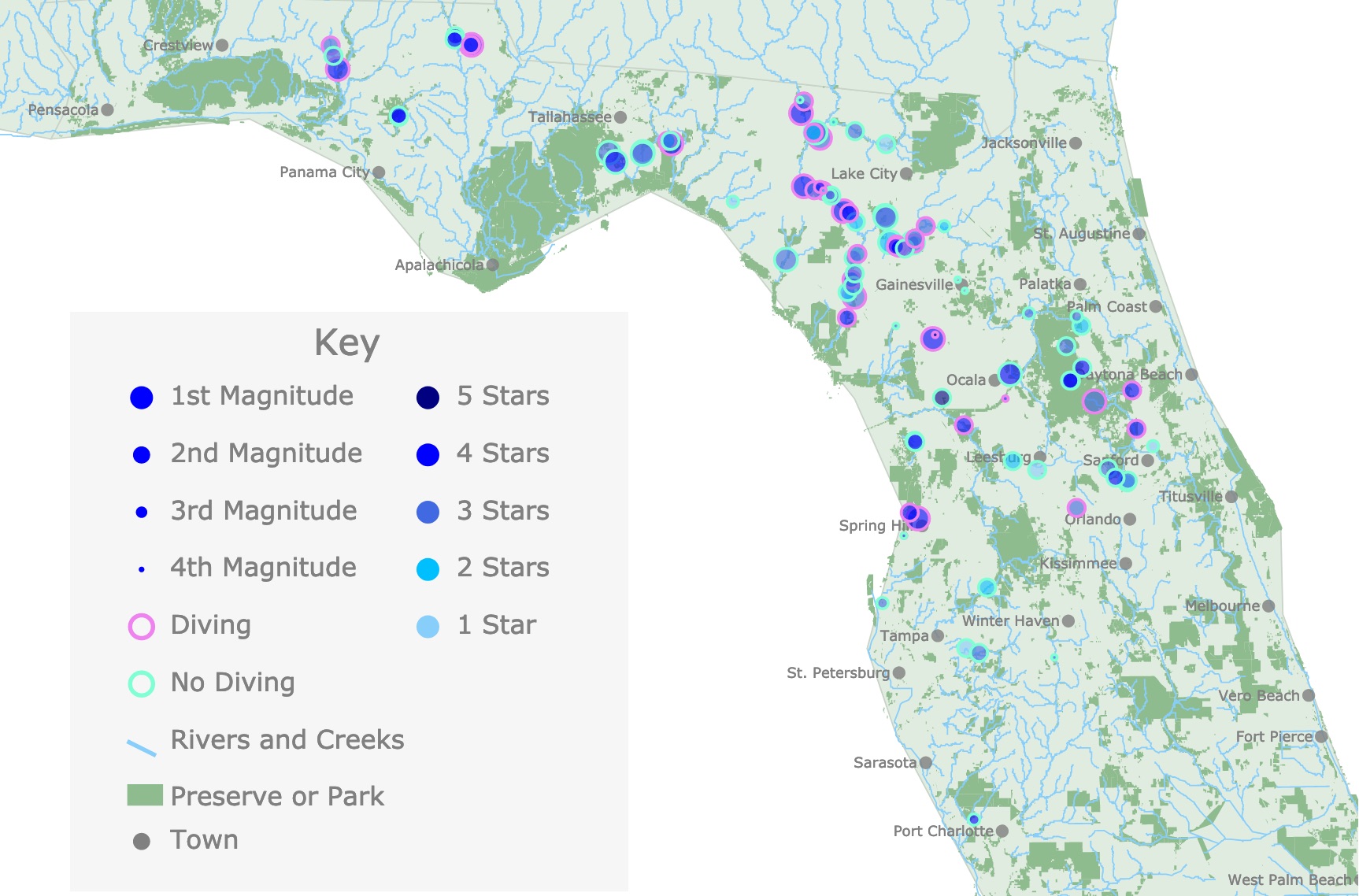
While the well-known state parks draw the most attention, a multitude of smaller, lesser-known springs dot the Florida landscape. These hidden gems often offer a more secluded and intimate experience with nature. Many are located on private land and require permission to access, or are part of smaller county parks that receive less publicity. Exploring these often requires a spirit of adventure and a willingness to venture off the beaten path.
The experience of visiting a Florida spring is often characterized by the consistently cool water temperatures, typically ranging from 68 to 72 degrees Fahrenheit (20 to 22 degrees Celsius) year-round, providing a welcome respite from the Florida heat. The clarity of the water allows for incredible visibility, revealing the sandy bottoms, aquatic vegetation, and sometimes even the fish that inhabit these freshwater havens.
The Ecological and Economic Significance of Florida’s Springs
Florida’s springs are more than just beautiful tourist attractions; they are vital components of the state’s ecological health and significant economic drivers. Their freshwater output supports rivers and wetlands, sustains unique ecosystems, and provides a critical water source for both natural environments and human communities.
Biodiversity Hotspots and Ecosystem Support
The pristine waters of Florida’s springs create microhabitats that support a remarkable array of plant and animal life. The consistent water temperature and high oxygen levels are ideal for many aquatic species, including a diverse range of fish, invertebrates, and aquatic plants. These springs also serve as critical habitats for migratory birds and are essential for the survival of the West Indian manatee, which seeks refuge in the warmer spring waters during the cooler winter months.
The springs’ contribution to the state’s river systems is immense. They feed iconic waterways such as the Suwannee River, the St. Johns River, and the Chipola River, supporting the complex food webs and ecological processes of these vital arteries of Florida. The health of these springs is directly linked to the health of the entire watershed.
Economic Impact: Tourism and Recreation
The allure of Florida’s springs translates into significant economic benefits through tourism and recreation. Millions of visitors flock to these natural wonders each year, patronizing local businesses, staying in hotels, and participating in activities that generate revenue. The economic impact extends beyond direct spending, as the preservation and promotion of these natural assets contribute to property values and attract businesses to the surrounding areas.
Activities such as swimming, snorkeling, diving, kayaking, canoeing, and tubing are popular pursuits at Florida’s springs, drawing enthusiasts from around the globe. The development of infrastructure around popular springs, including visitor centers, campgrounds, and rental services, further bolsters the local economy. The presence of these natural attractions makes towns and regions surrounding them desirable places to live, visit, and invest.
Preserving Florida’s Priceless Spring Heritage
Despite their natural abundance and ecological importance, Florida’s springs face numerous threats, including pollution, over-extraction of groundwater, and habitat degradation. Recognizing their intrinsic value, considerable efforts are underway to protect and restore these precious natural resources for future generations.
Threats and Conservation Efforts
One of the primary concerns is the impact of human activities on water quality. Runoff from agricultural lands, urban development, and improperly treated wastewater can introduce pollutants into the aquifer and, subsequently, into the springs. Over-extraction of groundwater for irrigation and municipal use can also reduce spring flow and alter water levels.
In response, various conservation initiatives are in place. These include the establishment of Springs Protection Areas, which aim to limit development and reduce pollution in critical spring recharge zones. State and federal agencies, along with environmental organizations and local communities, are actively engaged in restoration projects, such as removing invasive species, replanting native vegetation, and improving wastewater treatment. Responsible tourism practices, including proper waste disposal and minimizing disturbance to natural habitats, are also crucial in preserving these sensitive ecosystems.
The Future of Florida’s Springs
The ongoing commitment to research, monitoring, and conservation is vital for safeguarding Florida’s springs. Understanding the complex hydrological systems, the impacts of climate change, and the long-term effects of human activity will guide future preservation strategies. The continued success of these efforts ensures that the beauty, ecological integrity, and recreational opportunities offered by Florida’s countless springs will be enjoyed by generations to come, solidifying their place as an irreplaceable part of the Sunshine State‘s identity.
LifeOutOfTheBox is a participant in the Amazon Services LLC Associates Program, an affiliate advertising program designed to provide a means for sites to earn advertising fees by advertising and linking to Amazon.com. Amazon, the Amazon logo, AmazonSupply, and the AmazonSupply logo are trademarks of Amazon.com, Inc. or its affiliates. As an Amazon Associate we earn affiliate commissions from qualifying purchases.