
Alaska, often referred to as the Last Frontier, evokes images of vast wilderness, majestic mountains, and unparalleled natural beauty. For any traveler contemplating a journey to this incredible destination, one of the first and most critical pieces of information to grasp is its sheer size. The scale of Alaska fundamentally dictates every aspect of a travel experience, from itinerary planning and transportation logistics to the types of attractions one can realistically visit and the immersive experiences available. Understanding its geographical footprint is not merely a statistical exercise; it’s the foundation for unlocking an unforgettable Alaskan adventure.
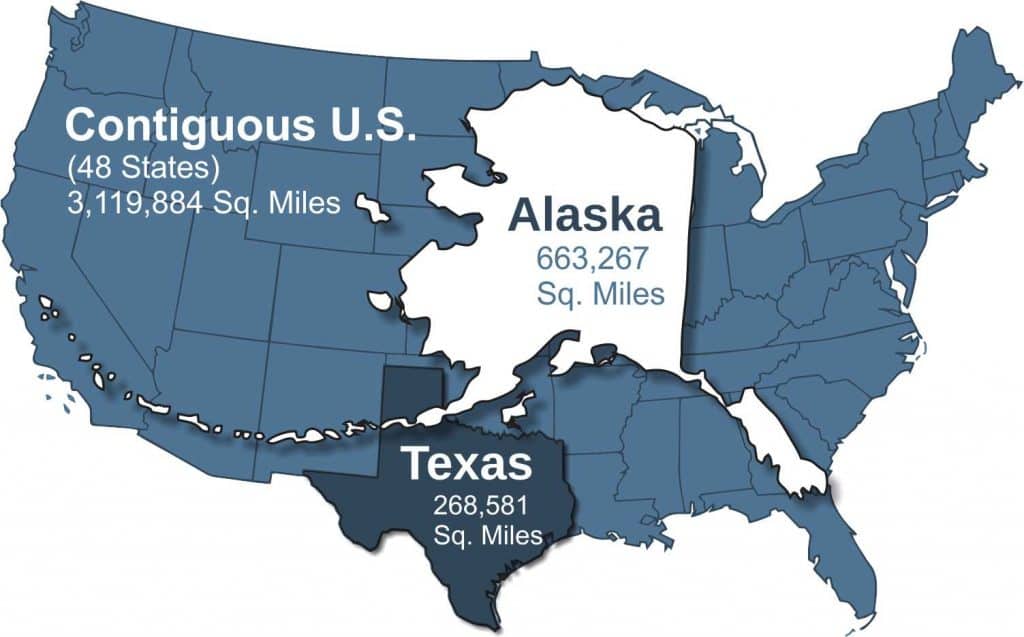
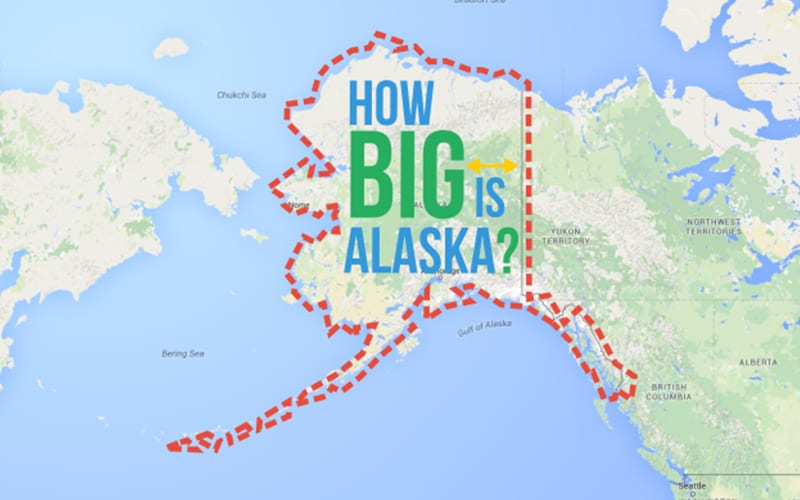
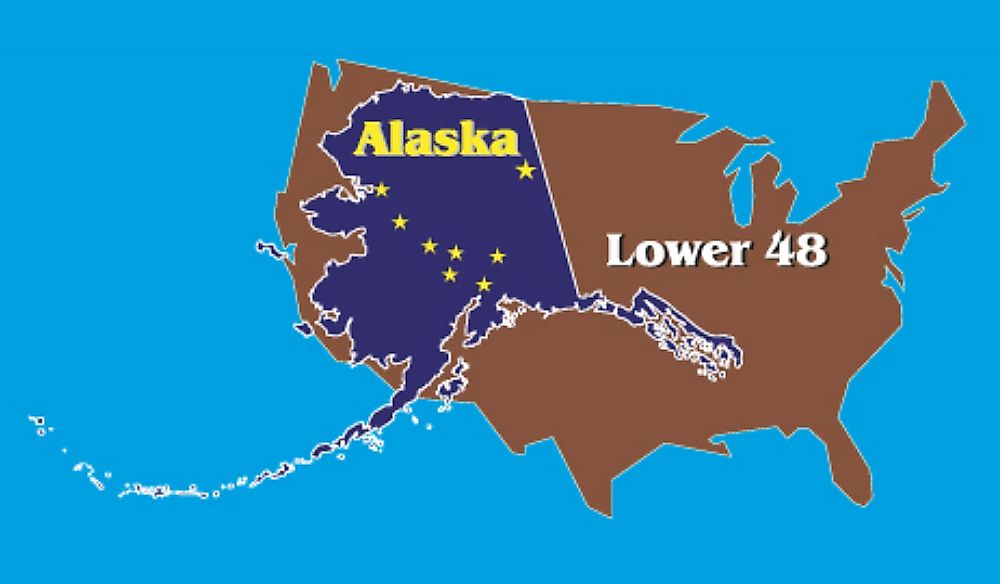
So, how many square miles are in Alaska? The answer is a staggering 663,300 square miles. This immense figure places Alaska firmly as the largest state in the United States by a considerable margin, dwarfing all other states and presenting a unique set of opportunities and challenges for the intrepid traveler. This colossal dimension means that a trip to Alaska isn’t just a vacation; it’s an expedition into one of the planet’s grandest natural canvases.
The Staggering Scale of Alaska: A Geographical Colossus
The raw number – 663,300 square miles – can be difficult to fully comprehend without context. It’s a figure that highlights Alaska’s unparalleled position as a geographical colossus, a factor that profoundly shapes its allure as a travel destination. This vastness isn’t just empty space; it’s a tapestry of diverse ecosystems, towering mountain ranges, sprawling tundra, intricate coastlines, and countless rivers and glaciers.
Putting Alaska’s Size into Perspective
To truly appreciate the magnitude of Alaska, it helps to compare it to more familiar geographical entities. Alaska is more than twice the size of Texas, the second-largest state, which measures approximately 268,596 square miles. In fact, if you were to combine Texas, California, and Montana – the next three largest states – their combined area would still be less than Alaska’s.
Looking beyond United States borders, Alaska is larger than many sovereign nations. It is bigger than France, Spain, and Germany combined. This extraordinary scale means that Alaska offers a breadth of landscapes and experiences that few other places on Earth can rival, making it a dream destination for those seeking grand adventures and untamed wilderness.
Geographic Implications of Immense Scale
The immense size of Alaska is not just a number; it dictates the state’s diverse geography and climate zones. From the temperate rainforests of the Inside Passage in the southeast to the arctic tundra of the North Slope, and from the towering peaks of the Alaska Range to the volcanic Aleutian Islands stretching into the Bering Sea, Alaska encompasses an astonishing array of environments. This geographical diversity translates directly into a wide spectrum of travel opportunities. You can experience glacial fjords and marine wildlife in the south-central region, go bear viewing on the Alaska Peninsula, or witness the Aurora Borealis above the Arctic Circle. The sheer expanse ensures that no two trips to Alaska are ever truly alike.
Navigating the Vastness: Travel Planning for Alaska
For travelers, Alaska’s size presents both an exciting challenge and a unique opportunity. It necessitates a thoughtful approach to travel planning, emphasizing strategic choices over attempting to see everything in one go. Understanding the sheer scale is the first step toward crafting a realistic and rewarding itinerary.
Strategic Itinerary Design
Given its enormous size, attempting to “see all of Alaska” in a single trip is generally impractical and often leads to hurried, less fulfilling experiences. A more effective strategy is to focus on specific regions or themes. Do you dream of cruising the glacial fjords of the Inside Passage or Prince William Sound? Are you set on experiencing the raw wilderness of Denali National Park and its wildlife? Or perhaps the remote beauty of the Arctic calls to you?
- Southcentral Alaska: Centered around Anchorage, this region offers a mix of urban amenities and access to spectacular wilderness, including Kenai Fjords National Park and the Chugach Mountains.
- Interior Alaska: Home to Fairbanks and Denali National Park, this area is renowned for its vast boreal forests, midnight sun, and northern lights viewing.
- Southeast Alaska (Inside Passage): Best explored by cruise or ferry, this region features temperate rainforests, glaciers, and charming coastal towns like Juneau and Sitka.
- Southwest Alaska: Famous for its bear viewing opportunities in places like Katmai National Park and on Kodiak Island.
- Arctic Alaska: The most remote, offering unique cultural experiences in communities like Utqiagvik (formerly Barrow) and access to Gates of the Arctic National Park.
By selecting one or two regions, travelers can delve deeper into the local culture, engage in more activities, and reduce the time spent in transit, allowing for a more authentic and less rushed experience of Alaska’s grandeur.
Modes of Transportation
Given the scale and rugged terrain of Alaska, transportation is a significant consideration. Unlike more densely populated areas, road networks are limited, particularly outside of the Southcentral and Interior regions.
- Air Travel: Small plane charters and regional airlines are indispensable for reaching many remote lodges, villages, and National Parks. Flights often provide breathtaking aerial views of glaciers and mountains, becoming an experience in themselves. Anchorage and Fairbanks serve as major hubs.
- Ferries: The Alaska Marine Highway System offers a unique way to explore the Inside Passage and Southcentral coastline, connecting communities and allowing passengers to bring vehicles. It’s a slower, scenic option for those with time.
- Trains: The Alaska Railroad provides scenic journeys between Seward, Anchorage, Denali National Park, and Fairbanks, offering a comfortable way to see vast landscapes inaccessible by road.
- Roads: While extensive for a state of its size, Alaska’s road system covers only a fraction of its total area. Renting a car or RV is excellent for exploring the paved highways connecting major cities and some popular attractions, but many truly wild areas remain off-limits to vehicles.
Combining multiple modes of transport is often the best approach to maximize sightseeing and optimize travel time across Alaska’s immense distances.
Experiencing Alaska’s Diverse Landscapes and Attractions
The colossal size of Alaska directly translates into an incredible diversity of landscapes and attractions, making it a destination that caters to every type of adventurer. From the grandeur of its mountain ranges to the tranquility of its vast waterways, Alaska truly offers experiences on a scale found nowhere else.
National Parks and Wilderness Areas
Alaska is home to eight National Parks, each a wilderness treasure of extraordinary proportions, managed by the National Park Service. These parks alone comprise millions of acres, underscoring the state’s commitment to preserving its wild character.
- Denali National Park and Preserve: Home to Mount Denali, North America’s highest peak, this park is a prime destination for wildlife viewing, hiking, and mountaineering. Its 6 million acres offer a classic Alaskan wilderness experience.
- Wrangell-St. Elias National Park and Preserve: At over 13.2 million acres, it’s the largest National Park in the United States – bigger than Switzerland! This park boasts immense glaciers, towering mountains, and historical mining towns, ideal for backcountry exploration and flightseeing.
- Gates of the Arctic National Park and Preserve: Situated entirely north of the Arctic Circle, this 8.4-million-acre park is the least visited National Park in the US, with no roads or trails, offering an unparalleled pristine wilderness experience for experienced adventurers.
- Kenai Fjords National Park: Known for its dramatic coastal landscape, tidewater glaciers, and abundant marine wildlife, this park is best experienced via boat tour from Seward.
- Glacier Bay National Park and Preserve: A UNESCO World Heritage Site, Glacier Bay is a highlight of many Inside Passage cruises, offering stunning glacier viewing and marine wildlife encounters.
These parks, along with numerous state parks, national forests, and wildlife refuges, provide endless opportunities for hiking, kayaking, fishing, wildlife photography, and truly disconnecting from the modern world.
Coastal Wonders and Inland Adventures
Alaska’s coastline is immense, extending over 34,000 miles, more than all other US states combined. This vast maritime frontier offers incredible cruising opportunities, particularly through the protected waters of the Inside Passage and Prince William Sound. Travelers can witness calving glaciers, observe whales, sea otters, and seals, and explore charming coastal towns accessible only by air or sea.
Inland, the adventures continue with world-class fishing in rivers like the Kenai River and Yukon River, dog sledding tours near Fairbanks or Girdwood, and flightseeing tours over Mount Denali or the Arctic National Wildlife Refuge. The sheer variety means that a trip can be tailored to encompass thrilling expeditions, serene nature observations, or a blend of both.
The Economic and Cultural Impact of Alaska’s Size
The colossal dimensions of Alaska have profound implications beyond just travel logistics. They shape its economy, foster unique cultural identities, and present distinctive challenges and opportunities for its residents and policymakers. Understanding these facets adds another layer of appreciation for this extraordinary state.
Remote Communities and Unique Lifestyles
Alaska’s vastness means that many of its communities, particularly in the Bush regions, are incredibly remote, accessible only by plane or boat for much of the year. This isolation has preserved unique indigenous cultures, including those of the Inupiat, Yup’ik, Athabascan, and others, who continue to practice traditional subsistence lifestyles. For travelers, visiting these communities (often requiring careful planning and respect for local customs) offers a rare glimpse into ancient traditions and a way of life deeply connected to the land and sea. Cities like Nome, Kotzebue, and Utqiagvik provide windows into these distinct worlds.
Resource Management and Conservation Challenges
The immense landmass of Alaska also means it holds vast natural resources, from oil and gas on the North Slope to rich mineral deposits and abundant fisheries in the Pacific Ocean and Arctic Ocean. Balancing economic development with environmental conservation is a constant, complex challenge. The state’s large protected areas, like its National Parks and wildlife refuges, are critical for maintaining biodiversity and wilderness character, making Alaska a global leader in conservation efforts. Travelers contribute to this by choosing sustainable tourism operators and respecting the delicate ecosystems they encounter.
Maximizing Your Alaskan Adventure
Embarking on an adventure to Alaska requires preparation and an understanding of its unique characteristics, heavily influenced by its immense size. By being well-informed, travelers can ensure their journey is as rewarding and seamless as possible.
Best Time to Visit and What to Pack
The most popular time to visit Alaska is during the summer months (June to August), when temperatures are mild, daylight hours are long (offering the phenomenon of the midnight sun), and most attractions and tours are fully operational. However, the shoulder seasons (May and September) offer fewer crowds and unique experiences like spring wildlife viewing or vibrant fall foliage. Winter travel (October to April) focuses on snow sports, the Aurora Borealis, and unique winter festivals.
Given the variable weather, even in summer, layering is key. Pack waterproof and windproof outer layers, warm insulating layers, sturdy hiking boots, and insect repellent. For winter trips, extreme cold weather gear is essential.
Essential Travel Tips for the Last Frontier
- Book in Advance: Especially for popular summer months, tours, accommodations, and transportation, particularly within National Parks, fill up quickly.
- Be Flexible: Weather can change rapidly, impacting travel plans. Building flexibility into your itinerary can prevent frustration.
- Respect Wildlife: Alaska is home to abundant wildlife. Always maintain a safe distance, store food properly, and never feed animals.
- Embrace the Outdoors: Much of Alaska’s appeal lies in its natural beauty. Be prepared for outdoor activities, regardless of the season.
- Consider a Guided Tour: For first-time visitors or those wishing to access more remote areas, a guided tour or cruise can simplify logistics and enhance the experience.
In conclusion, the answer to “How many square miles are in Alaska?” is far more than a simple number. It’s a gateway to understanding a state of unparalleled grandeur, a travel destination where scale defines every breathtaking vista, every challenging journey, and every unforgettable adventure. Embracing its immensity is the first step toward experiencing the true wonder of the Last Frontier.
LifeOutOfTheBox is a participant in the Amazon Services LLC Associates Program, an affiliate advertising program designed to provide a means for sites to earn advertising fees by advertising and linking to Amazon.com. Amazon, the Amazon logo, AmazonSupply, and the AmazonSupply logo are trademarks of Amazon.com, Inc. or its affiliates. As an Amazon Associate we earn affiliate commissions from qualifying purchases.