
Alaska, the Last Frontier, is a state that defies easy comprehension, not just in its vastness and untamed beauty, but also in its sheer geographical scale. When one asks, “How many square miles is Alaska?”, the answer is not merely a number, but a gateway to understanding the immense opportunities for exploration, adventure, and connection with nature that this extraordinary place offers. Its colossal size is a fundamental characteristic that shapes its identity, its climate, its wildlife, and its enduring appeal to travelers from around the globe.
The Monumental Scale of Alaska
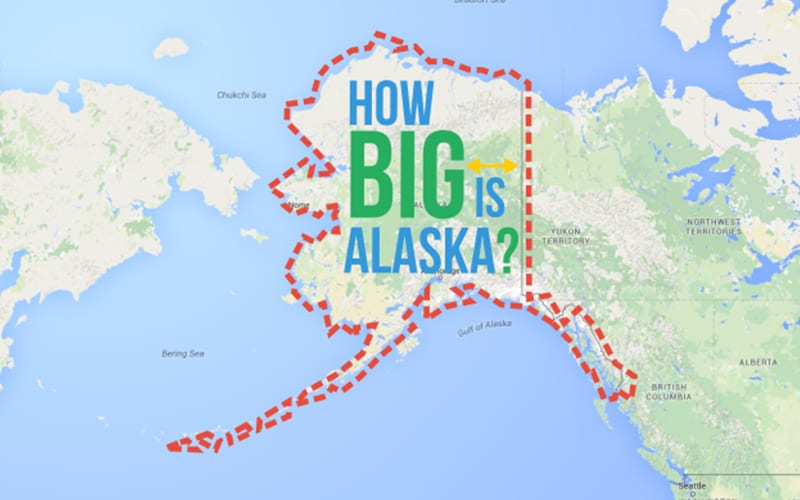
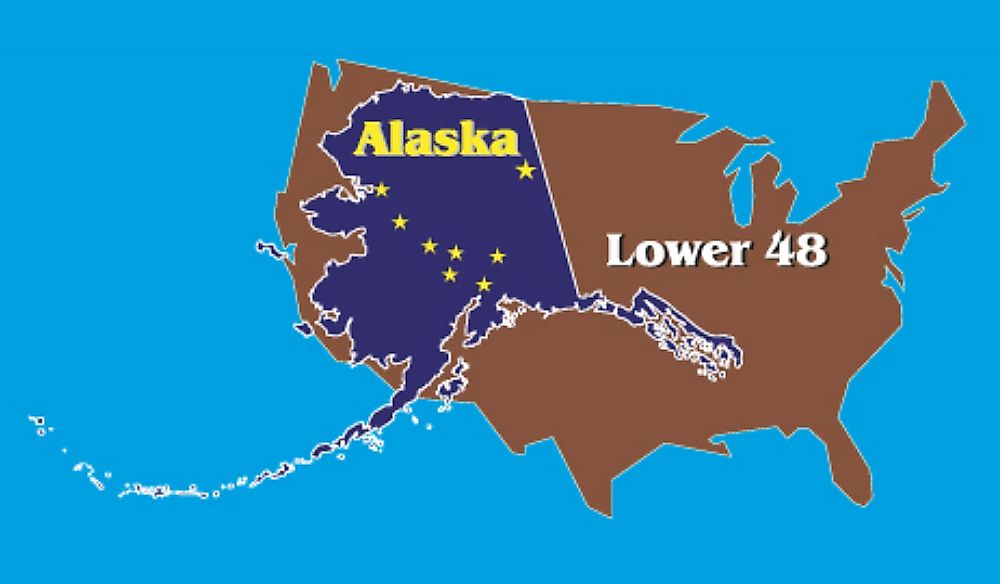
The state of Alaska covers an astonishing 665,384 square miles of land and water. This figure places it in a category all its own among the United States. To put this into perspective, Alaska is more than twice the size of Texas, the second-largest state, and larger than the combined areas of the next three largest states. It dwarfs many countries, including France, Spain, and Sweden, making it a truly continental destination. This immense territory is characterized by a diverse array of landscapes, from towering mountain ranges and sprawling glaciers to dense boreal forests and miles of rugged coastline.
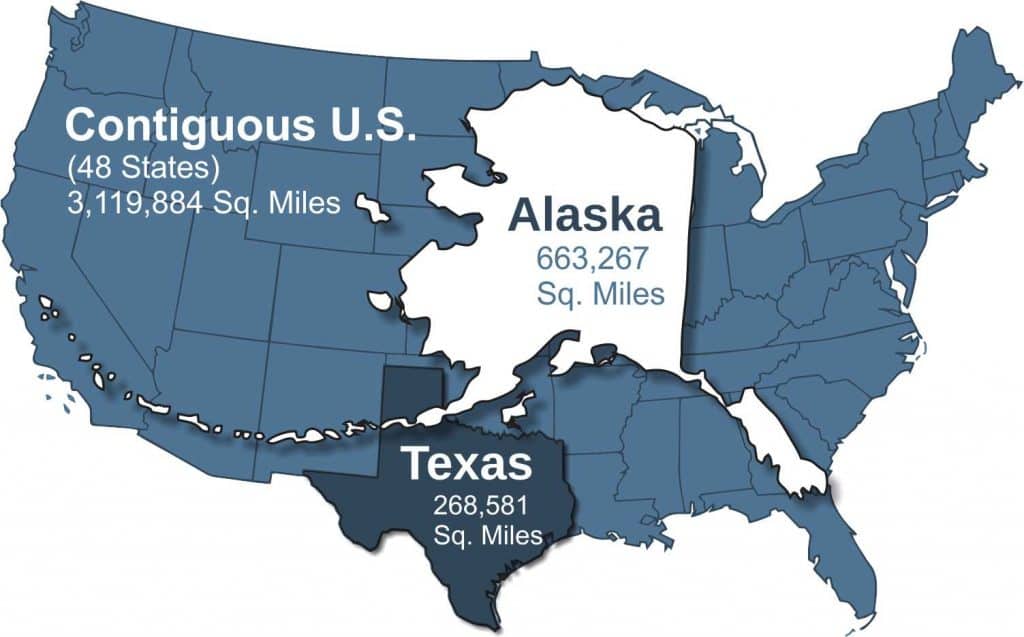
Land vs. Water Area
Within this impressive total, it’s important to note the breakdown between land and water. Alaska boasts approximately 586,412 square miles of land area and 78,972 square miles of water area. This distinction highlights the significant presence of lakes, rivers, and coastal waters that are integral to the state’s geography and its appeal as a travel destination. The extensive network of waterways offers unique opportunities for kayaking, fishing, and wildlife viewing, adding another dimension to the Alaskan travel experience.
A Land of Extremes
The sheer size of Alaska contributes to its extreme geographical features. It is home to the highest peak in North America, Denali (formerly Mount McKinley), soaring to an elevation of 20,310 feet. The state also contains a significant portion of the world’s glaciers, including the vast Bering Glacier and the highly active Hubbard Glacier. These icy giants, alongside active volcanoes and the dramatic fjords of the southeastern panhandle, create a landscape that is both awe-inspiring and challenging.
Implications for Travel and Exploration
Understanding the vastness of Alaska is crucial for planning any trip. Its size directly impacts travel times, the variety of experiences available, and the logistics of exploring its many wonders. Distances between popular destinations can be considerable, often requiring flights or extended drives.
Planning Your Alaskan Adventure
When embarking on an Alaskan journey, embracing the scale is key. Instead of trying to see everything in one trip, it’s often more rewarding to focus on specific regions or interests. Whether your passion lies in the rugged wilderness of Denali National Park, the wildlife-rich waters of Ketchikan, or the cultural experiences of Anchorage, understanding the distances involved will help you craft a realistic and enjoyable itinerary. Many visitors choose to fly between major hubs like Anchorage, Fairbanks, and Juneau to maximize their time exploring.
The Allure of Vastness
The immense, sparsely populated landscapes of Alaska are precisely what draw many travelers. It offers a sense of escape, solitude, and an unparalleled opportunity to witness nature in its purest form. From the chance to spot grizzly bears and moose to the breathtaking spectacle of the Northern Lights, the sheer scale of the state provides a canvas for unforgettable experiences. The vastness also means that you can often find yourself alone with nature, surrounded by incredible scenery and the sounds of the wilderness, a rare commodity in today’s world.
Unique Regions and Their Square Miles
Alaska’s immense territory is often divided into several distinct regions, each with its own unique character and attractions:
The Interior
The interior of Alaska is a vast expanse of boreal forest, tundra, and major river systems. This region is home to Denali National Park and Preserve, one of the state’s most iconic destinations. Cities like Fairbanks serve as gateways to this expansive area, offering access to activities like dog sledding, gold panning, and aurora viewing. The scale here means long drives are common, but the rewards are unparalleled wilderness vistas and opportunities to see iconic Alaskan wildlife.
Southcentral
Southcentral Alaska is the most populous region and includes the state’s largest city, Anchorage. It also encompasses the rugged beauty of Kenai Fjords National Park and the dramatic peaks of the Chugach Mountains. This area offers a mix of urban amenities and accessible wilderness, making it a popular starting point for many travelers.
The Panhandle (Southeast)
The southeastern panhandle is a narrow strip of islands and mountains characterized by lush temperate rainforests and stunning fjords. This is the region most accessible by cruise ship, with popular destinations including Juneau, Skagway, and Ketchikan. The landscape is dominated by towering trees, cascading waterfalls, and abundant marine life.
The Aleutian Islands and the Southwest
Stretching westward from the mainland, the Aleutian Islands are a chain of volcanic islands known for their dramatic, treeless landscapes and rich history. The southwestern part of the state is characterized by vast, undeveloped coastal plains and tundra, home to significant populations of caribou and other wildlife. These remote regions offer unparalleled opportunities for adventure for those seeking truly off-the-beaten-path experiences.
Experiencing Alaska’s Scale: Activities and Adventures
The sheer size of Alaska translates into a remarkable diversity of activities and adventures. The state’s natural wonders are its primary draw, and its size ensures that these wonders are spread far and wide, offering something for every type of explorer.
Wildlife Viewing
With its vast, protected habitats, Alaska is a premier destination for wildlife viewing. From the marine mammals of the Inside Passage, such as whales and sea otters, to the land animals of the interior, including grizzly bears, moose, and caribou, the opportunities are abundant. Guided tours to places like Denali National Park or boat excursions in the Kenai Fjords offer excellent chances to witness these magnificent creatures in their natural environment. The expansive nature of the state means that wildlife encounters often feel wild and authentic, far from crowded viewing platforms.
Glacier Exploration
Alaska is famously the “Land of Glaciers,” and its immense size is home to thousands of these frozen rivers. Travelers can experience glaciers up close through guided hikes, boat tours that navigate past calving icebergs, or scenic flights that offer a bird’s-eye view of their majestic scale. Popular glacier destinations include Mendenhall Glacier near Juneau and the tidewater glaciers of Kenai Fjords National Park. The dynamic nature of these icy formations, constantly shaping the landscape, is a testament to the powerful forces at play within this vast state.
Hiking and Trekking
For those who wish to immerse themselves in the Alaskan wilderness, hiking and trekking opportunities abound. From well-maintained trails in national parks to challenging backcountry routes, the options are as varied as the landscape itself. Trails around Seward offer stunning coastal views, while routes within Denali provide chances to see wildlife and experience the grandeur of the mountains. The sheer scale means that even popular trails can offer a sense of solitude, allowing for deep connection with the natural world.
Cultural Immersion
Beyond its natural splendor, Alaska is rich in Indigenous culture and history. Cities like Anchorage and Fairbanks offer museums and cultural centers that showcase the traditions and art of the Alaska Native peoples. Visiting historical sites in towns like Skagway also provides insight into the state’s Gold Rush past. The vastness of Alaska has preserved many of these cultural traditions, offering visitors a unique glimpse into the resilient spirit of its people.
Conclusion: An Unfathomable Wilderness Awaits
The answer to “How many square miles is Alaska?” is a profound invitation. It is an invitation to explore a land of unparalleled grandeur, where the sheer scale of mountains, glaciers, and wilderness translates into a truly unforgettable travel experience. This immense territory offers a sanctuary for wildlife, a canvas for adventure, and a profound connection to the natural world. Whether you dream of witnessing the aurora borealis dance across the sky, standing in awe of colossal glaciers, or simply finding solitude amidst breathtaking landscapes, Alaska’s vastness ensures that your journey will be one of discovery and wonder, a true exploration of the last frontier.
LifeOutOfTheBox is a participant in the Amazon Services LLC Associates Program, an affiliate advertising program designed to provide a means for sites to earn advertising fees by advertising and linking to Amazon.com. Amazon, the Amazon logo, AmazonSupply, and the AmazonSupply logo are trademarks of Amazon.com, Inc. or its affiliates. As an Amazon Associate we earn affiliate commissions from qualifying purchases.