
The vastness of any theme park destination can often be underestimated, and nowhere is this truer than with Walt Disney World Resort in Orlando, Florida. When one contemplates the sheer scale of its four theme parks, two water parks, numerous resort hotels, and entertainment districts, the question of its total acreage becomes not just a matter of curiosity, but an insight into the logistical and imaginative feat that is the ‘Happiest Place on Earth.’ Understanding the physical footprint of this sprawling entertainment complex offers a unique perspective on the planning, development, and immersive experiences it provides to millions of visitors annually.
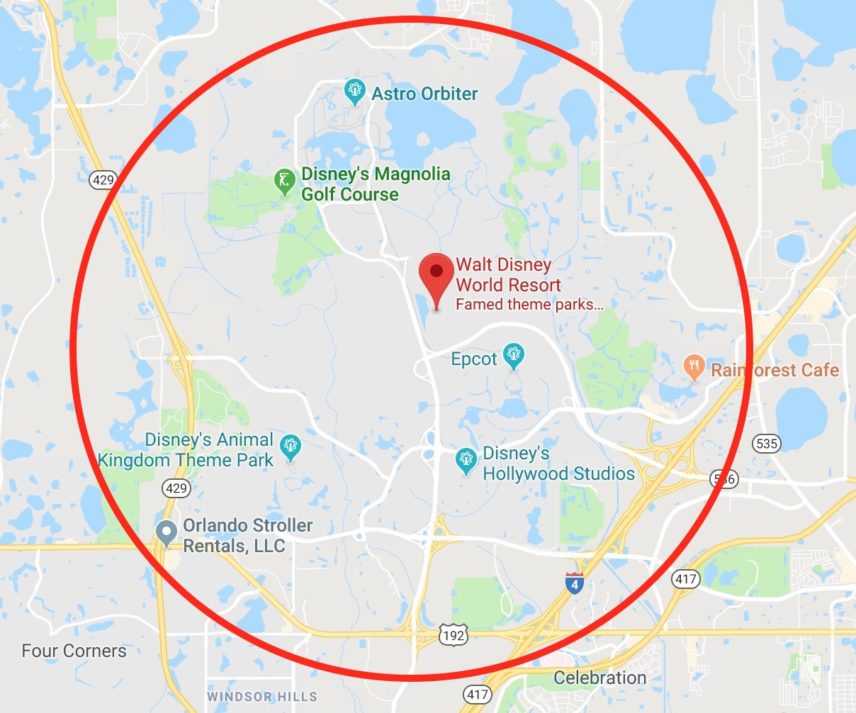
The Immense Footprint of Walt Disney World Resort
To grasp the true scale, it’s essential to break down the components that contribute to the overall landmass. Walt Disney World Resort is not a single, contiguous park but a meticulously designed ecosystem of attractions, accommodations, and recreational facilities spread across a significant expanse of central Florida. The resort’s founders envisioned a destination that could offer a complete vacation experience, and the land allocated reflects this ambitious goal.
The resort officially spans approximately 25,000 acres, a figure that often surprises individuals accustomed to the more concentrated layouts of many other theme parks. This considerable acreage allows for not only the current offerings but also for future expansion and the strategic placement of infrastructure, transportation networks, and natural preserves. It is important to note that not all of this land is developed; a significant portion is dedicated to conservation, buffer zones, and future development, ensuring a balance between entertainment and the natural environment.
A Look at the Major Components
The 25,000 acres are distributed among its various operational and ancillary sections, each contributing to the overall experience and the logistical requirements of such a massive undertaking.
Theme Parks and Water Parks
The heart of Walt Disney World Resort lies in its world-renowned theme parks and water parks. These are the primary attractions that draw visitors from around the globe.
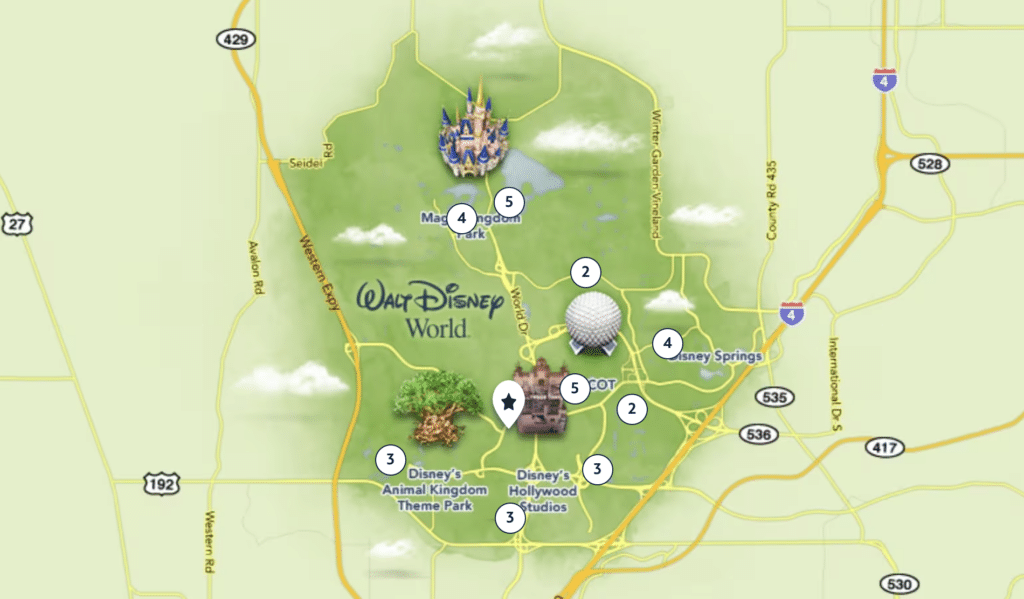
- Magic Kingdom: While often perceived as the central hub, the Magic Kingdom park itself occupies a substantial area, featuring iconic attractions like Cinderella Castle, meticulously themed lands, and entertainment venues.
- Epcot: Known for its World Showcase and Future World (now divided into World Discovery, World Nature, and World Celebration), Epcot is a sprawling park dedicated to innovation, culture, and international understanding, requiring extensive space for its pavilions and attractions.
- Hollywood Studios: This park celebrates the magic of movies and entertainment, housing immersive experiences and live shows. Hollywood Studios demands considerable space for its themed areas and performance stages.
- Animal Kingdom: The largest of the theme parks, Animal Kingdom is a unique blend of amusement park, zoo, and conservation area. Its expansive size is necessary to accommodate the diverse animal habitats, elaborate attractions, and vast landscapes that define its theme.
- Water Parks: Typhoon Lagoon and Blizzard Beach are also significant in size, offering unique aquatic adventures and requiring extensive space for wave pools, slides, and relaxation areas.
The precise acreage for each park can vary slightly depending on the definition of park boundaries, but collectively, these entertainment zones form the most publicly visible and visited sections of the resort.
Resort Hotels and Accommodations
Beyond the theme parks, Walt Disney World Resort boasts a comprehensive selection of themed resort hotels, ranging from value accommodations to deluxe villas. These resorts are not merely places to sleep; they are destinations in themselves, offering unique theming, extensive amenities, and convenient access to the parks. The sheer number of rooms and the extensive facilities—including pools, dining options, and recreational activities—necessitate a considerable land allocation. From the expansive grounds of Disney’s Polynesian Village Resort to the grand architecture of Disney’s Grand Floridian Resort & Spa, each hotel contributes to the resort’s overall footprint.
Entertainment and Shopping Districts
Areas like Disney Springs provide a vibrant hub for dining, shopping, and entertainment, separate from the theme parks. The development of Disney Springs also requires significant land to accommodate its numerous venues, parking facilities, and pedestrian walkways, further contributing to the resort’s extensive footprint.
Transportation and Infrastructure
A critical, yet often overlooked, aspect of Walt Disney World Resort’s scale is the infrastructure that supports it. This includes vast parking lots, an extensive internal transportation system comprising buses, monorails, and the Disney Skyliner, maintenance facilities, administrative buildings, and the extensive network of roads and service corridors that keep the resort running smoothly. These functional elements are crucial for guest experience and operational efficiency, and they occupy a substantial portion of the overall acreage.

Comparing Disney World’s Size to Other Landmarks
To truly appreciate the scale of Walt Disney World Resort, it’s helpful to compare its 25,000 acres to other well-known entities. These comparisons highlight the ambitious scope of the resort and its place as a self-contained destination.
Manhattan vs. Disney World
One of the most striking comparisons often made is with the island of Manhattan in New York City. While Manhattan is a densely populated borough with a total area of approximately 22.8 square miles (about 14,600 acres), Walt Disney World Resort’s 25,000 acres (approximately 39 square miles) make it significantly larger than the developed core of New York City. This comparison underscores that Disney World is not just a theme park but a sprawling complex comparable in land area to a major urban center.
Other Theme Park Resorts
When contrasted with other major theme park destinations, Walt Disney World Resort stands out for its sheer size. For instance, Universal Orlando Resort, while a formidable competitor with multiple theme parks and hotels, occupies a considerably smaller land area. The original Disneyland Park in Anaheim, California, which was the first of its kind, sits on a much more compact footprint, approximately 85 acres. The difference in scale is a testament to Disney’s strategy to create a multi-day, immersive vacation destination at its Florida location.
National Parks and Natural Areas
Even when compared to some natural landmarks, Walt Disney World Resort holds its own in terms of land mass. While not a national park, its 25,000 acres are larger than some well-known national parks, such as Acadia National Park in Maine (approximately 49,000 acres, though Disney is still a significant fraction). This scale allows for the creation of diverse environments and the integration of natural spaces within the resort itself.
The Strategic Importance of Land Size
The substantial landholding of Walt Disney World Resort is not merely a consequence of ambition but a strategic necessity.
Future Expansion and Development
A significant portion of the 25,000 acres is intentionally kept undeveloped. This foresight allows The Walt Disney Company ample room for future expansion, the addition of new theme parks, hotels, or other entertainment offerings without the constraints of limited real estate. This long-term planning is crucial for maintaining the resort’s competitive edge and its ability to evolve with changing guest expectations and technological advancements.
Environmental Considerations and Conservation
Walt Disney World Resort has also dedicated a substantial amount of land to conservation efforts and the preservation of natural Florida ecosystems. This includes wetlands, forests, and wildlife habitats. The company’s environmental policies aim to minimize the ecological impact of its operations and to provide guests with opportunities to connect with nature, even within a highly developed entertainment complex. This commitment to conservation is an integral part of the resort’s identity and its large footprint.
Operational Efficiency and Guest Experience
The vastness of the resort also plays a role in managing the daily influx of tens of thousands of guests. Adequate space is required for transportation, parking, backstage operations, and the careful design of guest flow within and between parks and resorts. The ability to spread out attractions and amenities helps to reduce congestion and enhance the overall guest experience, making the extensive acreage a functional as well as an aesthetic advantage.
In conclusion, the question of “How Many Square Miles Is Disney World Orlando?” reveals a landscape far grander than many might initially imagine. Spanning approximately 25,000 acres, or about 39 square miles, Walt Disney World Resort is a colossal destination that dwarfs many urban centers and stands as a testament to ambitious planning, continuous innovation, and the creation of truly immersive vacation experiences. Its impressive scale not only accommodates its current array of world-class attractions and accommodations but also secures its future as a premier global entertainment destination.
LifeOutOfTheBox is a participant in the Amazon Services LLC Associates Program, an affiliate advertising program designed to provide a means for sites to earn advertising fees by advertising and linking to Amazon.com. Amazon, the Amazon logo, AmazonSupply, and the AmazonSupply logo are trademarks of Amazon.com, Inc. or its affiliates. As an Amazon Associate we earn affiliate commissions from qualifying purchases.