
Puerto Rico, a jewel of the Caribbean, beckons travelers with its vibrant culture, stunning landscapes, and a rich tapestry of history. As you plan your escape to this unincorporated territory of the United States, a fundamental question often arises: “How many square miles is Puerto Rico?” Understanding its size provides crucial context for appreciating the island’s diversity, from the bustling streets of its capital to the serene beauty of its natural wonders. This article will delve into the physical dimensions of Puerto Rico, explore its geographical significance, and highlight how its size influences the travel experiences awaiting you.
The Physical Landscape: Unveiling Puerto Rico’s Square Mileage
At its core, Puerto Rico covers an approximate land area of 3,515 square miles (9,073 square kilometers). This measurement encompasses the main island and its surrounding smaller islands, including Vieques, Culebra, and Mona. While this may seem modest when compared to continental landmasses, this compact size belies the incredible variety of environments and attractions packed within its borders. Imagine fitting a diverse range of natural beauty and cultural hotspots into an area roughly comparable to the state of Delaware or the country of Lebanon. This allows for relatively easy exploration, where you can experience distinct regions within a single trip.
Island Size and Its Implications for Travel
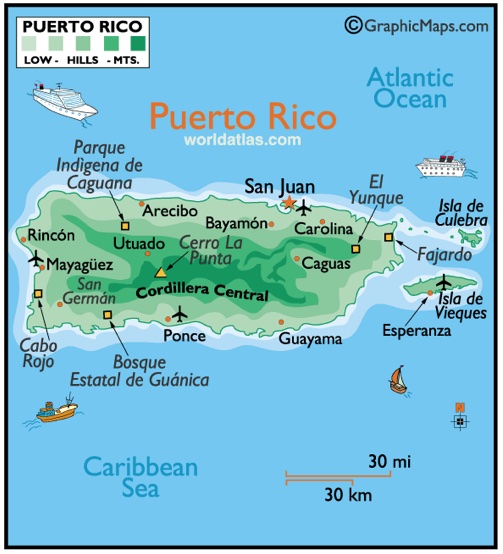
The 3,515 square miles of Puerto Rico are far from uniform. The island’s topography is characterized by a central mountain range, the Cordillera Central, which runs through the heart of the island, creating a natural division and influencing the climate of different regions. To the north, you’ll find a more humid, verdant landscape, while the south tends to be drier. The coastline, stretching for approximately 312 miles (501 kilometers), offers a stunning array of beaches, from the iconic shores of Luquillo to the secluded coves of Culebra.
This relatively compact size means that many of Puerto Rico’s most sought-after destinations are within a few hours’ drive of each other. For instance, transitioning from the historic charm of Old San Juan, a UNESCO World Heritage site, to the bioluminescent bays of Fajardo, or venturing inland to the coffee plantations of Adjuntas, is an achievable day trip or a short drive. This accessibility is a significant advantage for travelers looking to maximize their experiences without spending excessive time in transit.
Exploring Puerto Rico: From Bustling Cities to Natural Havens
Understanding Puerto Rico’s square mileage helps in appreciating the density of its attractions. Despite its size, the island is home to a rich array of natural wonders, historical landmarks, and vibrant cities, each offering a unique facet of the Puerto Rican experience.
Urban Delights and Historic Treasures
The capital city, San Juan, is a vibrant hub that showcases the island’s colonial past and modern dynamism. Old San Juan, with its cobblestone streets, colorful colonial architecture, and imposing fortresses like Castillo San Felipe del Morro and Castillo San Cristobal, is a testament to centuries of history. Wandering through these historic streets feels like stepping back in time, offering a glimpse into the island’s strategic importance and Spanish heritage.

Beyond the historic core, San Juan boasts modern districts with world-class dining, shopping, and entertainment. Areas like Condado and Isla Verde offer a more contemporary vibe, with luxury hotels, bustling nightlife, and beautiful beachfronts. The contrast between the ancient and the modern within close proximity is one of the many charms of exploring San Juan.
Natural Wonders and Outdoor Adventures
Puerto Rico’s 3,515 square miles are also blessed with breathtaking natural beauty. The El Yunque National Forest, the only tropical rainforest in the U.S. National Forest System, is a prime example. This lush ecosystem, a mere 40-minute drive from San Juan, is a sanctuary of biodiversity, featuring cascading waterfalls, diverse flora and fauna, and hiking trails that cater to all fitness levels. Exploring El Yunque allows you to immerse yourself in a world of verdant greens and the soothing sounds of nature, all within a surprisingly accessible area.
The island’s coastline is equally captivating. From the pristine beaches of Culebra and Vieques, famous for their powdery white sands and crystal-clear waters perfect for snorkeling and diving, to the dramatic cliffs of the west coast, there’s a coastal experience for every preference. The Bioluminescent Bays, particularly Mosquito Bay in Vieques, are a natural phenomenon not to be missed. Witnessing the water glow with microorganisms under the night sky is a truly magical experience, and the fact that these wonders are found on an island of this size makes them even more accessible.
Beyond the Main Island: Discovering the Archipelago
While the main island of Puerto Rico accounts for the vast majority of its 3,515 square miles, the surrounding smaller islands play a significant role in the archipelago’s allure and offer distinct travel experiences.
Vieques and Culebra: Island Paradises
Vieques, located about 8 miles (13 kilometers) east of the main island, is roughly 21 miles (34 kilometers) long and 4.5 miles (7.2 kilometers) wide. This island is renowned for its uncrowded beaches, including the famous Biekini Beach and Sun Bay, and its exceptional Bioluminescent Bay. Life on Vieques moves at a slower pace, offering a tranquil escape from the mainland’s bustle.
Culebra, situated even further east, is a smaller island, measuring about 7 miles (11 kilometers) by 3 miles (5 kilometers). It is a designated wildlife refuge and is celebrated for Flamenco Beach, consistently ranked among the world’s most beautiful beaches. Culebra is a haven for beach lovers and snorkelers, with vibrant coral reefs and abundant marine life just offshore. The accessibility of these islands, despite their separate locations, highlights the interconnectedness of Puerto Rico’s geographical wonders.

Mona Island: A Natural Reserve
Off to the west lies Mona Island, a much larger but uninhabited nature reserve. Its rugged terrain and dramatic cliffs are home to unique ecosystems and a significant population of iguanas. While not a typical tourist destination due to its remote location and protected status, Mona Island is a crucial part of Puerto Rico’s natural heritage, contributing to the overall ecological significance of the archipelago. Understanding the full extent of Puerto Rico, including these smaller landmasses, paints a more complete picture of the island’s diverse offerings.
In conclusion, the question of “How many square miles is Puerto Rico?” opens the door to understanding the island’s rich diversity. With approximately 3,515 square miles, this Caribbean gem provides an astonishing variety of experiences within a manageable and accessible geographical area. From the historic allure of Old San Juan to the natural splendors of El Yunque and the serene beauty of Vieques and Culebra, Puerto Rico offers a world of adventure packed into its captivating islands. Whether you’re seeking cultural immersion, outdoor thrills, or simply a relaxing beach getaway, the size and scope of Puerto Rico ensure an unforgettable journey.
LifeOutOfTheBox is a participant in the Amazon Services LLC Associates Program, an affiliate advertising program designed to provide a means for sites to earn advertising fees by advertising and linking to Amazon.com. Amazon, the Amazon logo, AmazonSupply, and the AmazonSupply logo are trademarks of Amazon.com, Inc. or its affiliates. As an Amazon Associate we earn affiliate commissions from qualifying purchases.