
When planning a journey to the archipelago of Hawaii, travelers often find themselves overwhelmed by the sheer scale of the largest landmass in the chain. Frequently referred to as the Big Island, its official name is the Island of Hawaii. Understanding its geographic footprint is the first step in appreciating the immense diversity of climates, ecosystems, and experiences available to those who visit.
The Geographic Scope: Measuring the Big Island
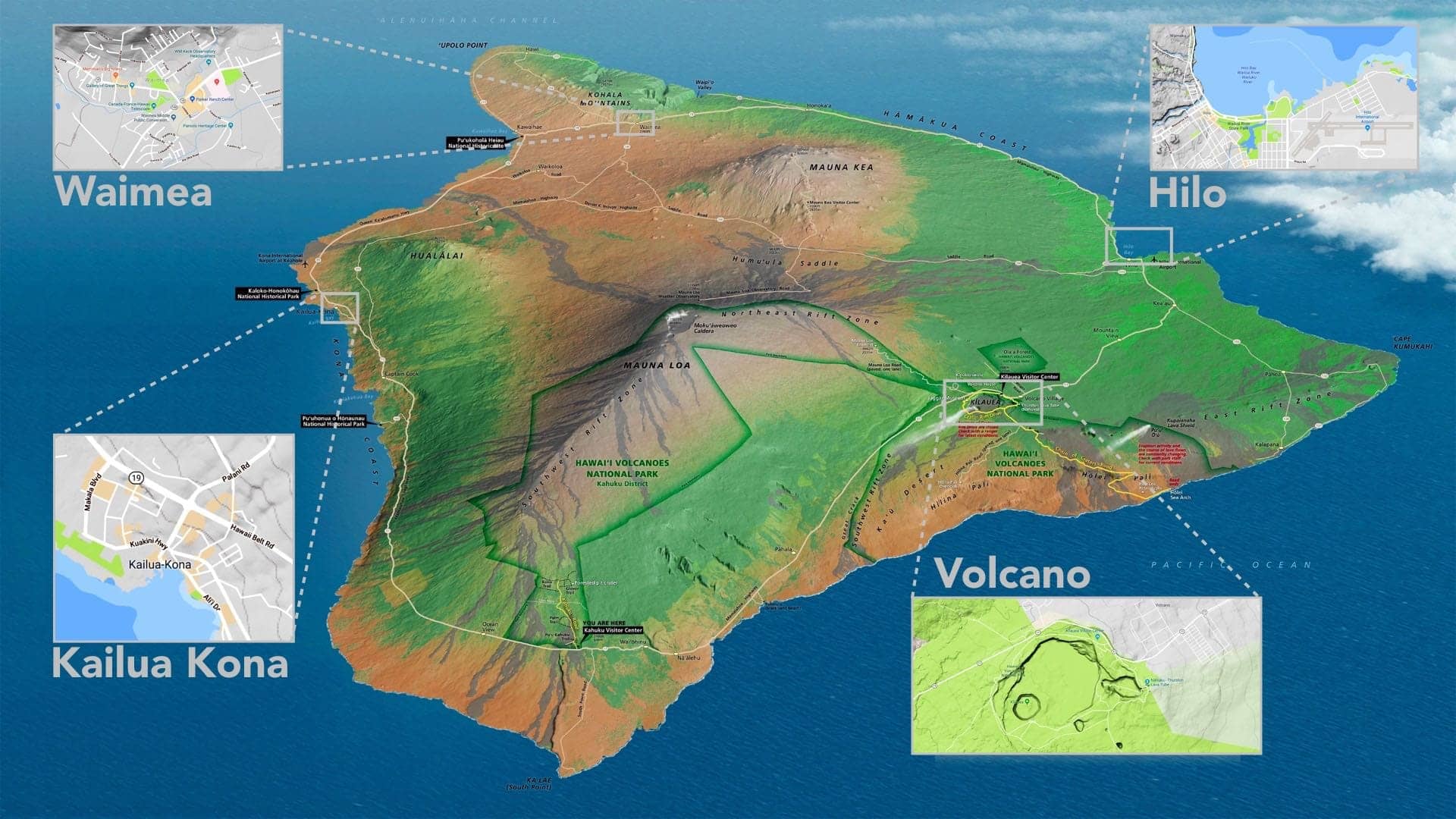
The Big Island encompasses approximately 4,028 square miles of total land area. This size is staggering when compared to the other islands in the Hawaiian chain. To put this into perspective, the Big Island is larger than all the other major islands—Oahu, Maui, Kauai, Molokai, Lanai, Niihau, and Kahoolawe—combined.
Why Size Matters for Travelers
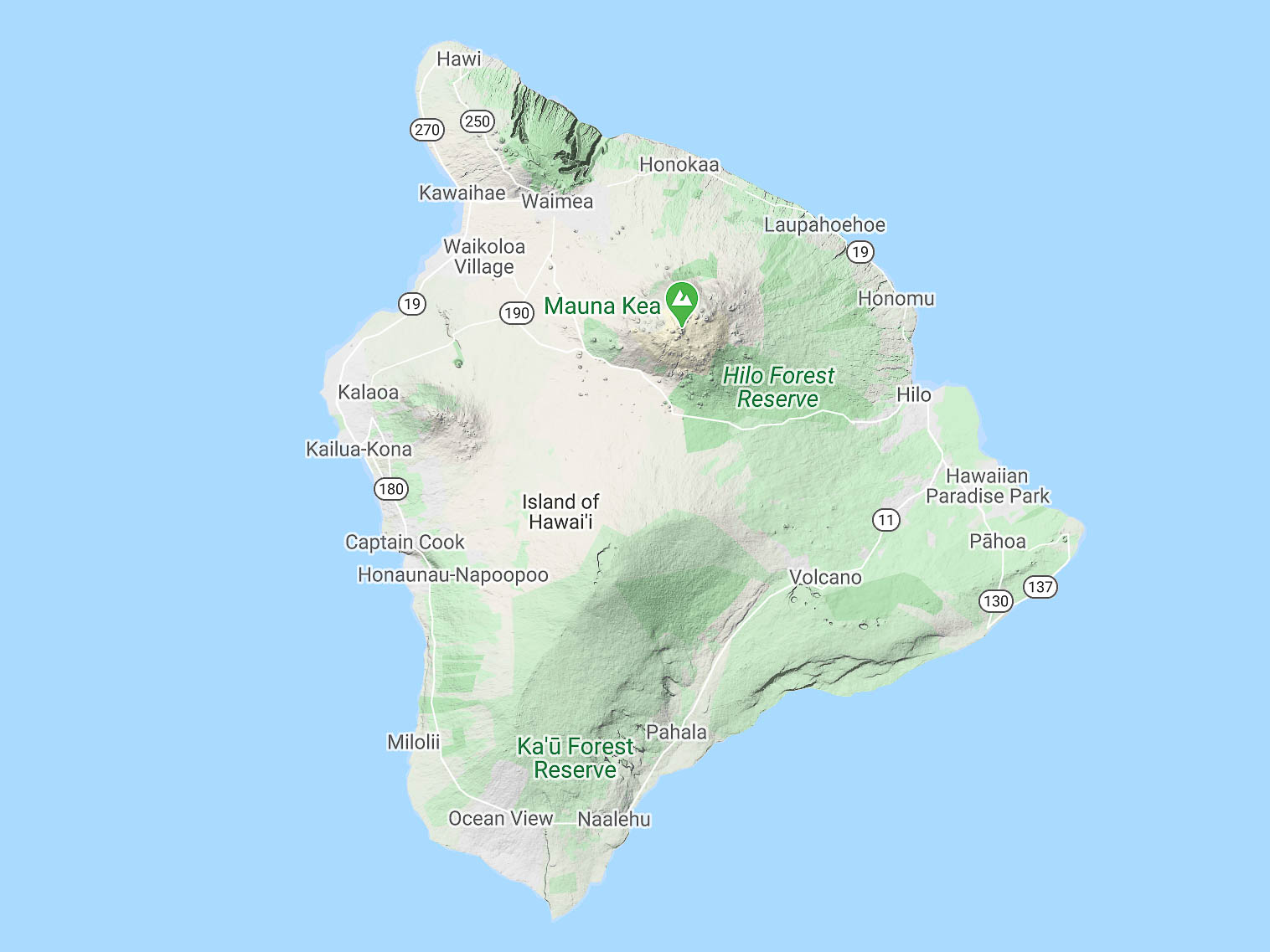
The expansive nature of the island means that travel times can be significantly longer than visitors might expect based on their experiences at other vacation destinations. Driving from the coastal regions of Kona to the volcanic peaks of Hawaii Volcanoes National Park takes hours, not minutes. This geographic reality dictates the pace of a trip. Travelers should view the island not as a single destination, but as a collection of distinct micro-regions, each requiring dedicated time to explore properly.
Geological Formation and Growth
The landmass continues to grow due to the ongoing activity of Kilauea, one of the most active volcanoes on the planet. As lava flows reach the Pacific Ocean, the cooling basaltic rock expands the island’s total surface area. While this growth is measured in increments, it serves as a reminder that the geography of Hawaii is dynamic and ever-evolving.
Diverse Climate Zones and Topography
One of the most fascinating aspects of the Big Island is that it hosts 8 of the world’s 13 climate zones. This climatic variation is a direct result of the island’s massive size and the extreme elevation of its two tallest mountains, Mauna Kea and Mauna Loa.
From Tropical Beaches to Alpine Tundra
The coastal areas are defined by their tropical beauty, offering pristine sands and warm Pacific Ocean waters. However, as one gains elevation, the landscape shifts dramatically. You can spend the morning snorkeling in the clear waters of Kealakekua Bay and the afternoon traversing the sub-alpine environment near the Mauna Kea Observatory.
The Influence of Precipitation
The island acts as a giant barrier to the prevailing trade winds. This results in a stark “windward versus leeward” contrast. The eastern side, anchored by the town of Hilo, receives an abundance of rainfall, fostering lush, emerald rainforests and iconic landmarks like Akaka Falls. In contrast, the western side of Kona resides in the rain shadow of the massive volcanic peaks, resulting in arid, sun-drenched landscapes perfect for coffee farming and beachside relaxation.
Planning Your Itinerary Around the Island’s Size
Because the island spans over 4,000 square miles, visitors often find that logistical planning is essential. A common mistake is attempting to see the entire island in just a few days. Instead, experts recommend dividing your stay between different regions to minimize time spent in the car and maximize time spent experiencing the local culture and nature.
The Western Hub: Kona
The Kona coast serves as the primary gateway for many travelers. It is home to an extensive array of resorts and villas. The infrastructure here is built to accommodate the majority of tourists, with easy access to shopping, water sports, and historical sites like Puuhonua o Honaunau National Historical Park.
The Eastern Hub: Hilo
Hilo offers a more authentic, small-town atmosphere. It serves as the ideal base for those looking to explore the natural wonders of the Big Island, such as the Hamakua Coast or the botanical gardens that dot the northeastern cliffs. Choosing to stay in Hilo provides proximity to the dramatic volcanic landscapes that make Hawaii a bucket-list destination.
Nature as the Primary Landmark
When you visit an island of this magnitude, the landmarks are often natural, rather than man-made. The scale of the terrain encourages visitors to step away from traditional tourist paths and engage with the environment.
Volcanic Wonders
The presence of Mauna Loa and Kilauea shapes the very identity of the island. These geological giants are not just scenery; they are active, living elements of the landscape. Visiting Hawaii Volcanoes National Park allows travelers to witness steam vents, lava tubes, and hardened craters that tell the story of the earth’s formation.
Coastal Treasures
Beyond the mountains, the coastline offers unique geological features. The Green Sand Beach at Papakolea and the black sand beaches of Punaluu are direct consequences of the island’s volcanic activity. These spots are not just beautiful; they are geological rarities that underscore the uniqueness of this massive Pacific island.
The Sky Above
Because the island is so vast and the light pollution is minimal in many areas, stargazing has become a world-renowned activity. The Mauna Kea Observatory provides an unparalleled window into the cosmos. The height and isolation of the island contribute to conditions that are considered among the best for astronomy on the planet.

Conclusion
Understanding that the Big Island of Hawaii covers over 4,000 square miles is more than just a trivia point—it is a foundational aspect of travel preparation. Whether you are trekking through the rainforests of the east, exploring the coffee plantations of the west, or witnessing the raw power of the volcanoes in the south, the scale of the island ensures that every traveler finds their own path. By respecting the geography and allowing enough time to traverse its varied landscapes, you can fully appreciate the immense, untamed beauty that makes this island the crown jewel of the Pacific Ocean. As you plan your itinerary, remember that while you may not be able to see every square mile, the ones you do explore will leave an indelible mark on your memory.
LifeOutOfTheBox is a participant in the Amazon Services LLC Associates Program, an affiliate advertising program designed to provide a means for sites to earn advertising fees by advertising and linking to Amazon.com. Amazon, the Amazon logo, AmazonSupply, and the AmazonSupply logo are trademarks of Amazon.com, Inc. or its affiliates. As an Amazon Associate we earn affiliate commissions from qualifying purchases.